
Which Amazon E-Bike Crackdown Rules Are in Force
- Authority
- NYC Mayor's Office, California Attorney General, California Legislature
- Rule type
- regulation
- Jurisdiction scope
- US federal, state, and municipal
- Effective date
- Aug 5, 2026
- Source text
- Read primary rule text ↗
Comply now with NYC delivery-sale restrictions and California SB 1271 battery labeling; track SB 1167 and 16 CFR 1265 as pending.
Last updated Aug. 25, 2026: the legal status behind the Amazon e-bike delivery crackdown is not uniform. New York City cease-and-desist orders are active enforcement materials and identify per-sale civil penalty exposure. California has both nonstatutory enforcement guidance from the Attorney General and an in-effect battery-safety labeling law, SB 1271. California SB 1167 remains pending. At the federal level, proposed 16 CFR 1265 remains in public comment and should not be described as an enforceable federal e-bike rule.
| Jurisdiction or authority | Current legal status as of Aug. 25, 2026 | Practical exposure |
|---|---|---|
| New York City | Cease-and-desist orders issued to online retailers | Active city enforcement posture; per-sale civil penalty framing for sales to New Yorkers |
| California SB 1271 | In effect | Battery-safety labeling obligations; point-of-sale and product-representation risk |
| California Attorney General alert | Guidance and enforcement signal, not a statute | Misrepresentation risk, including criminal exposure if sellers falsely market products |
| California SB 1167 | Pending | Monitor separately; do not treat as current law |
| Federal 16 CFR 1265 | Public-comment rulemaking stage | Planning issue for a possible national baseline; not yet an enforceable rule |
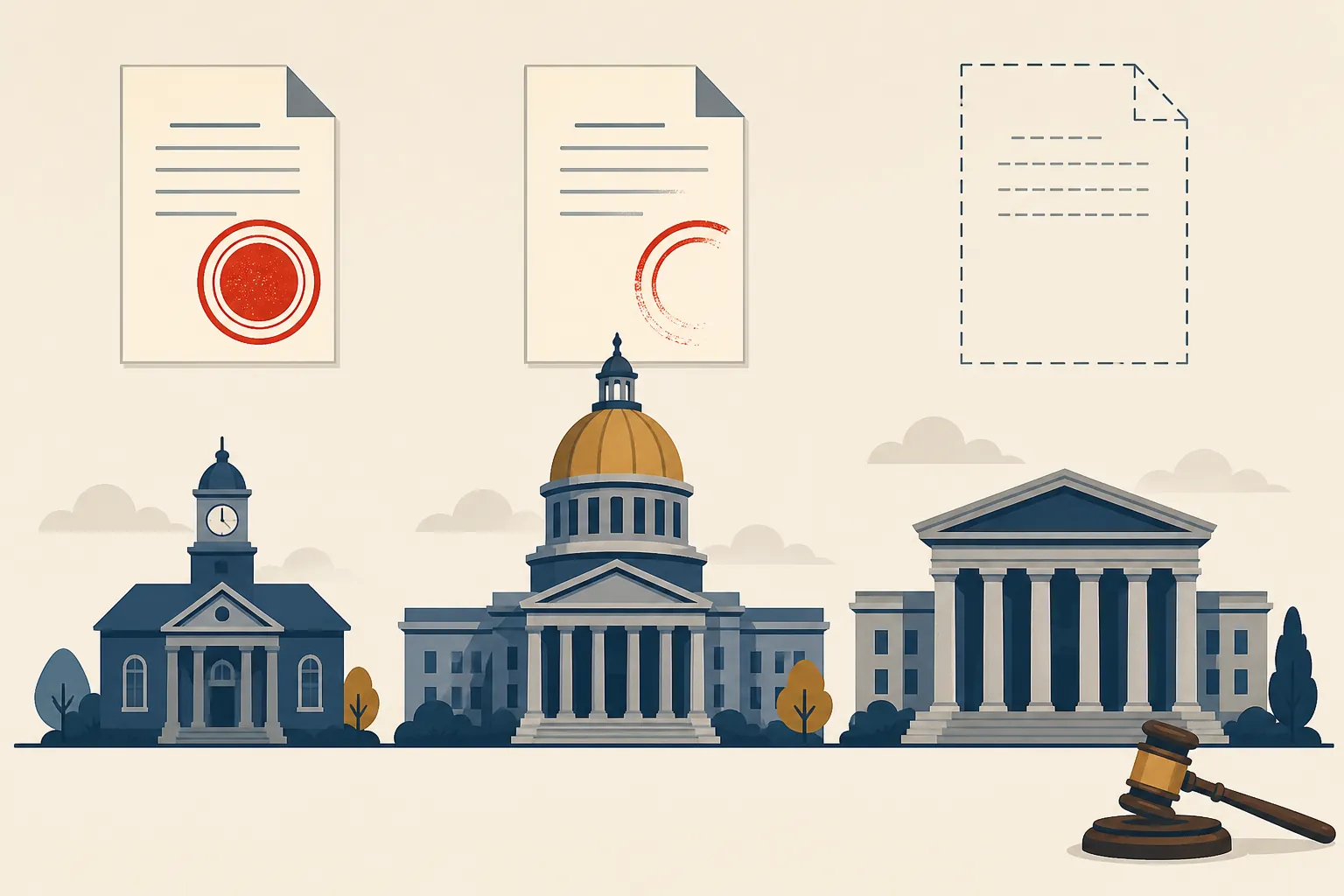
New York City: active orders, sale-by-sale exposure
New York City is the cleanest place to start because its materials are not merely advisory. On Aug. 5, 2026, the Mayor’s Office announced cease-and-desist orders to online retailers selling what the city described as dangerous, illegal motorized devices to New Yorkers. The release named online retail conduct, not just street use, and tied the city’s position to sales of motorized devices into New York City. That matters because the compliance question is no longer only whether a rider may lawfully operate a device after purchase; it is whether the seller or marketplace should keep offering that device to a New York City buyer at all. [1]
The sharp edge is the per-sale framing. For a seller, importer, or marketplace compliance team, that changes the file review. A catalog error is not just a defect to correct when convenient. If a prohibited or misclassified device remains available for delivery to a New York City address, each completed transaction can become the unit of alleged civil penalty exposure. The relevant evidence is therefore ordinary commercial evidence: the live listing, shipping availability, product title, specifications, images, battery claims, speed or motor descriptions, and order history.
That is why “Amazon pulled listings” is too imprecise. The legal trigger is not the platform’s internal decision to suppress or remove products. The more important fact is that a city enforcement authority has identified a category of devices it views as illegal or dangerous when sold to New Yorkers, and has done so through cease-and-desist orders rather than a general safety blog post or market warning.
The exposed parties are broader than the brand whose name appears on the frame. A third-party seller can be exposed by the offer. An importer can be exposed if it supplied the product and representations used in the listing. A marketplace can face pressure if it enables transactions into the jurisdiction after receiving notice. A fleet buyer using Amazon or another online channel should also treat the New York City posture as relevant procurement diligence, because the same classification problem that affects the listing can affect whether the purchased vehicle is lawful for the intended delivery use.
The document set should be practical, not theatrical. For products left available to New York City buyers, compliance staff should be able to show the product classification basis, the battery and charger certifications or safety materials relied on, the exact listing language reviewed, and any geofencing or shipping restrictions imposed. If a listing is removed, the record should show when it was removed, from which buyer locations, and why. A screenshot without the underlying classification analysis is weak evidence; a certification file without the live marketing copy is also incomplete.
California SB 1271: the labeling obligation is already in force
California needs a different sort of reading because the materials do not all have the same legal status. SB 1271 is the current-law piece. It is already in effect as a battery-safety labeling law, so it belongs in the “comply now” column, not the “watch list” column.
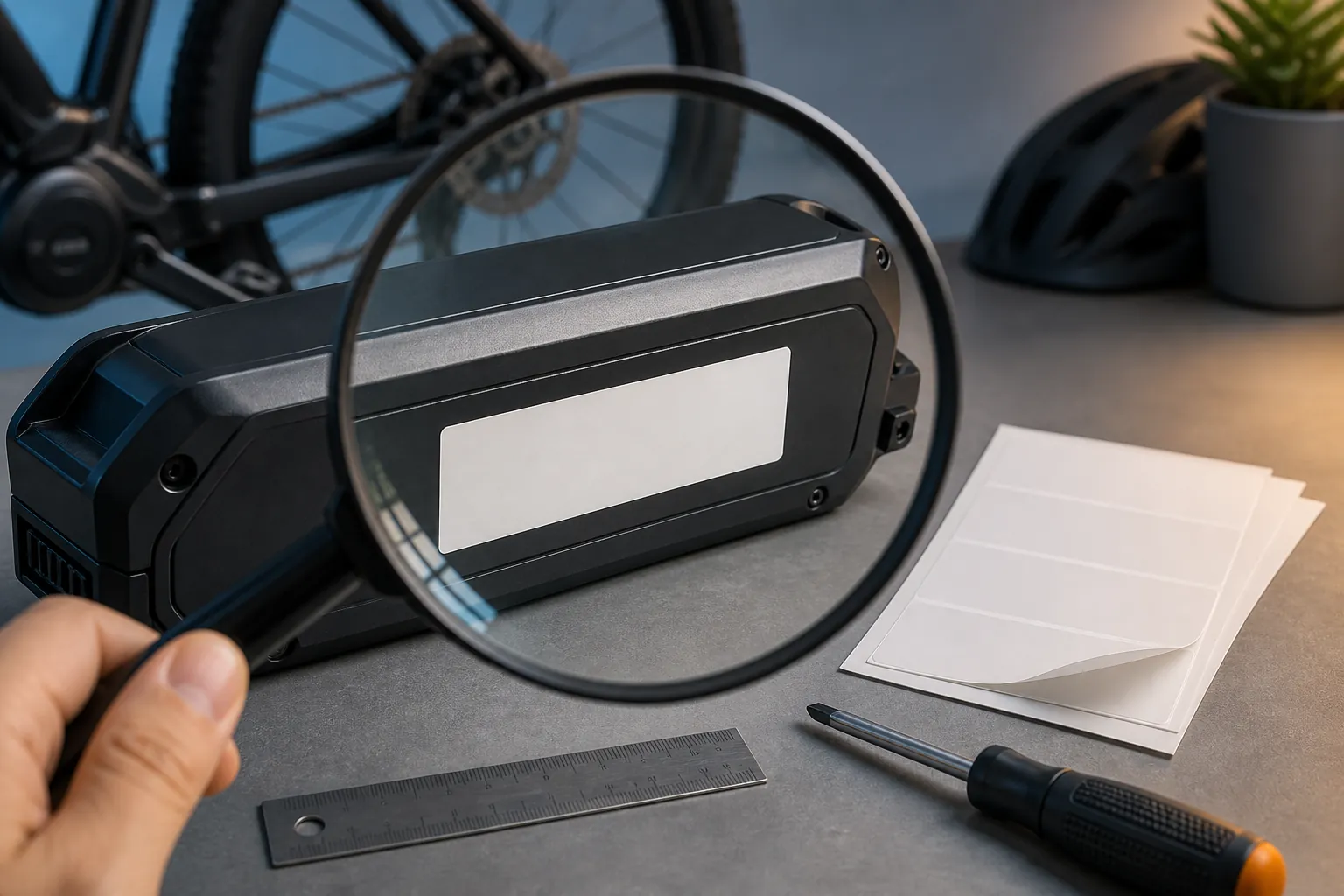
For Amazon sellers and importers, the risk is especially concrete because labeling and listing representations meet at the point of sale. A product page can say one thing about the battery while the physical label says less, says something different, or fails to support the safety claim being used to sell the device. That is the kind of mismatch compliance teams should expect regulators to treat as more than a formatting defect.
The working review should connect the physical product to the online offer. Does the battery label match the product actually shipped? Does the listing rely on a safety standard, certification, or compatibility claim that is supported by the product file? Are replacement batteries, chargers, and bundled accessories described consistently? If multiple factories, battery packs, or chargers are used under one ASIN or marketplace listing, the seller should not assume that one compliant sample cures every shipped configuration.
This is also where overcorrection creates its own risk. SB 1271 should not be collapsed into a national ban on e-bikes, nor should it be described as proof that every state has adopted the same battery-labeling requirement. Its current significance is narrower and more useful: California has an in-effect labeling obligation that can make inaccurate battery descriptions, missing labels, or unsupported compliance claims legally relevant before any broader federal rule becomes final.
California Attorney General alert: guidance, but not harmless
The California Attorney General consumer alert sits in another category. It is not the same thing as a statute, and it should not be cited internally as if it created a new standalone labeling code. It is still legally important because it marks enforcement attention and highlights misrepresentation risk.
The practical distinction is familiar but often ignored in marketplace memos. Guidance usually does not create the same direct obligation as an enacted statute. But a seller who uses false or unsupported claims about an e-bike, battery, charger, speed capability, classification, or safety compliance may create exposure under existing consumer-protection or criminal-misrepresentation theories. The alert does not need to be a statute to make a bad listing more dangerous.
That means the compliance task is not to quote the alert back into every product description. It is to remove claims the company cannot substantiate. “Certified,” “legal,” “compliant,” “street legal,” “Class 2,” “Class 3,” “UL,” and similar terms should be treated as evidence-bearing statements, not merchandising adjectives. If the company cannot identify who approved the claim and what document supports it, the claim should not be live in a California-facing listing.
California SB 1167: pending means pending
SB 1167 belongs on the monitor list. As of this update, it remains pending. That makes it relevant for product planning, legislative tracking, and future catalog design, but not a present obligation to be represented to business teams as already binding.
The distinction is not academic. If a company tells sales teams that a pending bill is already law, the result may be unnecessary delisting, avoidable customer cancellations, or inconsistent treatment across channels. If the company ignores the bill entirely, it may be late to redesign labels, product specifications, sourcing contracts, or California-specific listing controls if the proposal becomes law. The right posture is separate tracking: current California compliance under SB 1271 and existing misrepresentation law on one side, pending SB 1167 implementation planning on the other.
- Do not describe SB 1167 as current law in customer-facing or seller-facing materials.
- Assign responsibility for legislative tracking so changes are not discovered through a marketplace takedown notice.
- Identify product data fields that would need revision if the proposal becomes enforceable.
- Keep SB 1167 planning separate from documentation proving compliance with laws already in effect.
Federal 16 CFR 1265: important, not enforceable yet
The proposed federal 16 CFR 1265 rulemaking matters because it could eventually create a national baseline. That would be a different compliance environment from the current patchwork of city enforcement, state labeling law, state guidance, and pending legislation. But as of Aug. 25, 2026, the federal rulemaking remains in public comment. Public comment is not final rule status.
For counsel and compliance teams, that means two things can be true at once. The company should track the federal proceeding, preserve technical comments if it participates, and map which products would be affected by a final rule. At the same time, it should not tell sellers, buyers, or marketplace teams that pending 16 CFR 1265 obligations already apply. Treating a proposal as law is not careful compliance; it is a different kind of inaccuracy.
The federal proceeding is still useful for planning because it signals the kinds of product characteristics, safety documentation, and conformity claims that may matter nationally. It does not eliminate the need to comply with New York City enforcement demands or California’s current labeling requirements now. A future federal baseline would not make today’s jurisdiction-specific exposure disappear retroactively.
Where the Amazon listing decision fits
Amazon’s visible role is important because marketplace action is what many sellers experience first: a suppressed ASIN, a request for documentation, a blocked shipment path, or a sudden change in category approval. Legally, though, the marketplace event is not the whole story. A delisting can be a private platform response to public enforcement risk, pending rulemaking, product-safety concern, or some combination of those. The compliance memo should identify which one.
A useful internal entry for a removed or restricted e-bike listing would not say only “Amazon crackdown.” It would say, for example, whether the issue is New York City sale eligibility, California battery labeling, unsupported safety certification language, vehicle classification, charger or replacement-battery documentation, or a forward-looking review prompted by pending state or federal developments. That level of separation determines whether the fix is geofencing, relabeling, claim substantiation, supplier documentation, product redesign, or monitoring.
| Issue found in listing or product file | Likely compliance question | Immediate treatment |
|---|---|---|
| Device available for delivery to New York City despite city enforcement position | Is the sale itself creating per-sale civil penalty exposure? | Review New York City eligibility and consider location-specific restrictions |
| Battery label missing or inconsistent with California-facing listing | Does the product meet in-effect California labeling obligations? | Correct label and listing support before continued sale |
| Listing claims product is certified or street legal without substantiation | Is the seller making a false or unsupported representation? | Remove or substantiate the claim |
| Catalog team cites SB 1167 as already effective | Is pending legislation being treated as current law? | Correct internal guidance and continue legislative tracking |
| Business team cites proposed 16 CFR 1265 as binding federal law | Is a public-comment rulemaking being overstated? | Plan for possible final rule, but do not label it enforceable yet |
What to document now
The defensible file is built before the regulator, marketplace, or customer asks for it. For each e-bike, battery, charger, and replacement component sold through Amazon or another online channel, the company should be able to connect the physical item, its label, the supplier file, the certification or testing support, the product classification, and the exact marketing copy that went live.
- Jurisdictional sale controls: where the product is offered, shipped, restricted, or removed.
- Product classification analysis: why the device is being treated as a particular e-bike class or motorized device category.
- Battery and charger records: labels, specifications, supplier attestations, and any safety-standard support actually relied on.
- Listing substantiation: screenshots or archived copy tied to approval records, not loose images saved after the fact.
- Marketplace communications: takedown notices, reinstatement submissions, document requests, and dates of listing changes.
- Pending-law tracker: SB 1167 and federal 16 CFR 1265 monitored separately from laws and orders already in force.
Fleet buyers should ask for the same separation from vendors. A delivery operator buying through a marketplace does not need a vendor’s broad assurance that a bike is “Amazon compliant.” It needs to know whether the device is lawful for the city where it will be used, whether the battery and charger representations are supported, whether California labeling obligations are relevant to the transaction, and whether any cited rule is current law or only a proposal.
The dated compliance posture
As of Aug. 25, 2026, the Amazon e-bike delivery crackdown is best understood as a visible marketplace response to several separate legal tracks. New York City presents the clearest active enforcement posture, with cease-and-desist orders and per-sale civil penalty exposure. California SB 1271 is already in effect and should be handled as a current battery-safety labeling obligation. The California Attorney General alert is guidance, but it heightens the practical risk of unsupported or false representations. California SB 1167 and proposed federal 16 CFR 1265 should be monitored, planned for, and kept out of the current-law column until their status changes.
For sellers, marketplaces, importers, and delivery-fleet buyers, the safe legal update is jurisdiction-specific: document compliance with rules already in force, remove or substantiate classification and battery claims, restrict sales where active enforcement creates immediate exposure, and track pending California and federal developments separately from present obligations.
References
- Mayor Mamdani Issues Cease-and-Desist Orders to Online Retailers Selling Dangerous, Illegal Motorized Devices to New Yorkers, NYC Mayor’s Office, Aug. 5, 2026.
Operationalizing workflow
No workflow has been explicitly linked to this obligation yet. See Workflows generally.
Illustrative cases
No illustrative case is currently tracked for this obligation. See Risk Digest for documented incidents generally.
← Back to RegulationReport a correction or tip
Spotted an outdated figure, a misstated fact, or a ruling this regulation entry should reflect? Public comments are disabled for this content given the professional cost of a misreported case outcome, penalty amount, or rule text — use the structured correction channel instead.
Report a correction or tip for this record →