Preventive procedures
Workflows
Numbered, reusable procedural pages describing human-in-the-loop steps practitioners actually use before, during, and after AI-assisted legal drafting: citation verification, supervising-attorney documentation, client consent, vendor due diligence, and billing disclosure. These are checklists and SOP-style pages, not narrative explainers, and each one links to the specific Risk Digest cases that motivated the step, closing the loop between documented failure and preventive action. Excludes case reporting (Risk Digest) and tool comparison (Evaluations). Serves practitioners who already understand the risk and need an actionable procedure to reduce it.
Pre-Filing
 UpdatedRoleattorneyRelated cases0
Why the $20K–$28K Car Accident Settlement Average Isn't PA's
The widely cited $20K–$28K Pennsylvania car accident settlement average is national Insurance Information Institute data, not a state-specific payout figure, and no methodology-backed PA average was found in the sourced record. Settlement value instead turns on Pennsylvania's statutory factors — limited tort, comparative negligence, and government caps — plus case-specific drivers such as injury severity and policy limits.
 UpdatedRolesettlement claimantRelated cases0
File your Kroger $17M settlement claim by December 21
Kroger has agreed to pay $17 million to settle claims that its pharmacies overcharged insured customers by misreporting usual-and-customary prices. This source-linked checklist covers who qualifies, what the December 21, 2026 claim deadline means, and how to file with the required documentation.
 UpdatedRoleattorneyRelated cases0
Spot AI astrology before it becomes a court sanction
'AI astrology' names the legal-AI failure mode where output sounds right but is anchored to nothing verifiable. Backed by the live sanction record and named benchmark studies, this guide explains the risk and supplies a pre-filing verification checklist.
 UpdatedRolePro se litigant and attorneyRelated cases0
Are Flock cameras legal? Your rights and how to verify
Whether Flock camera surveillance violates your rights depends on your state: the Fourth Amendment baseline is unsettled, and state rules on data retention, warrantless queries, and access diverge sharply. This checklist walks through the constitutional floor, which agency actually holds your plate data, and how to verify each rule against a primary source before exercising your rights.
 UpdatedRolepro se litigantRelated cases0
How to check if your plate is in Flock camera logs legally
A lawful plate check runs through a defined sequence: the free HaveIBeenFlocked audit-log search, the local agency's Flock Transparency Portal, targeted FOIA/PRA requests, state-specific own-data rights, and denial remedies — because no public database or Flock-operated lookup exists for individual plate records. Timing is critical, since Flock's retention windows are short and data deleted before a request cannot be restored.
 UpdatedRolepro se litigantRelated cases0
What to Say After a Car Accident to Protect Your Claim
Within the first days after a crash, an apology, a casual "I'm fine," or a guessed detail can be turned into evidence that damages an injury claim. This record gives scripted say-this / don't-say-that alternatives for conversations with police, the other driver, and insurers, and flags the recorded statements and settlement releases to refuse until counsel reviews them.
 UpdatedRoleconsumerRelated cases0
Which Equifax FCRA settlement should you file under?
The phrase "Equifax FCRA settlement" maps to at least three separate programs with different funds, deadlines, and claim paths. This record identifies which program you are in, whether you can still file, and the official channels to use.
Review
 UpdatedRoleattorneyRelated cases0
Separate charges from convictions in Chinese espionage cases
Public case lists of Chinese espionage prosecutions mix charges, pleas, and convictions. This explainer shows how to separate proven outcomes from announced ones, why DOJ press-release inventories are biased toward high-profile cases, and why any 2024-2026 list must be treated as unverified until checked against court dockets.
 UpdatedRolelegal researcherRelated cases0
Maxwell loses bid to overturn conviction in district court
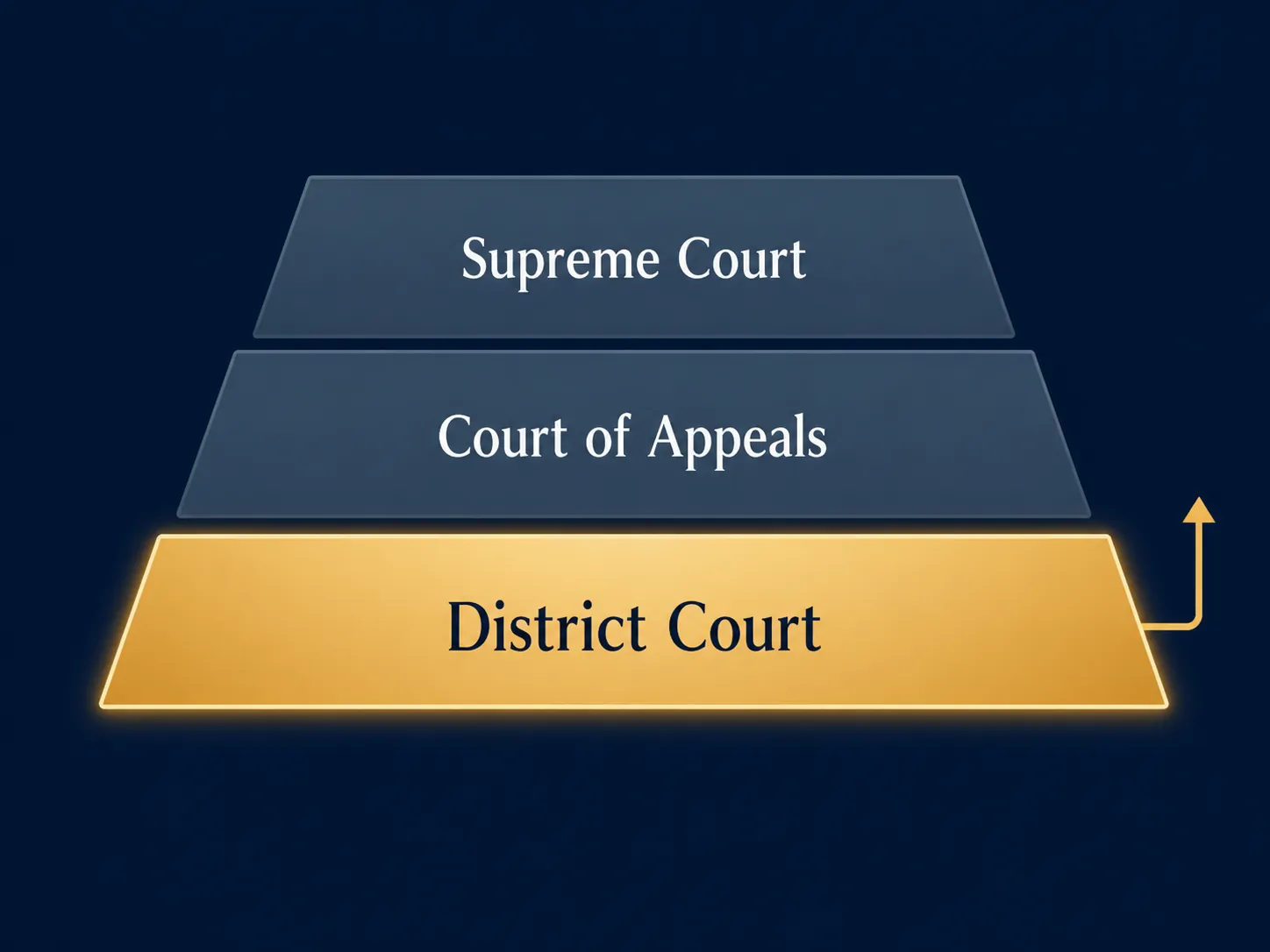
Ghislaine Maxwell's bid to vacate her conviction was denied on Aug. 25, 2026 by Judge Paul A. Engelmayer of the Southern District of New York, who called the challenge meritless in a 67-page order. The ruling is a district-court collateral-review denial — not a Second Circuit or Supreme Court decision — and an appeal of the denial is the only realistic next step.
 UpdatedRoleattorneyRelated cases0
Can Chadwick Boseman's probate filings prove his net worth?
The $939,000 figure attached to Chadwick Boseman's estate traces only to secondary sources citing no case number, not to a primary probate docket. This verification-first breakdown separates what the 2020 LA County filings actually document — intestacy, a rented Canyon Drive home, no real property — from media-derived claims, and explains why probate value understates total wealth.
 UpdatedRoleattorneyRelated cases0
McQuaide's Villanova eligibility ruling doesn't settle it
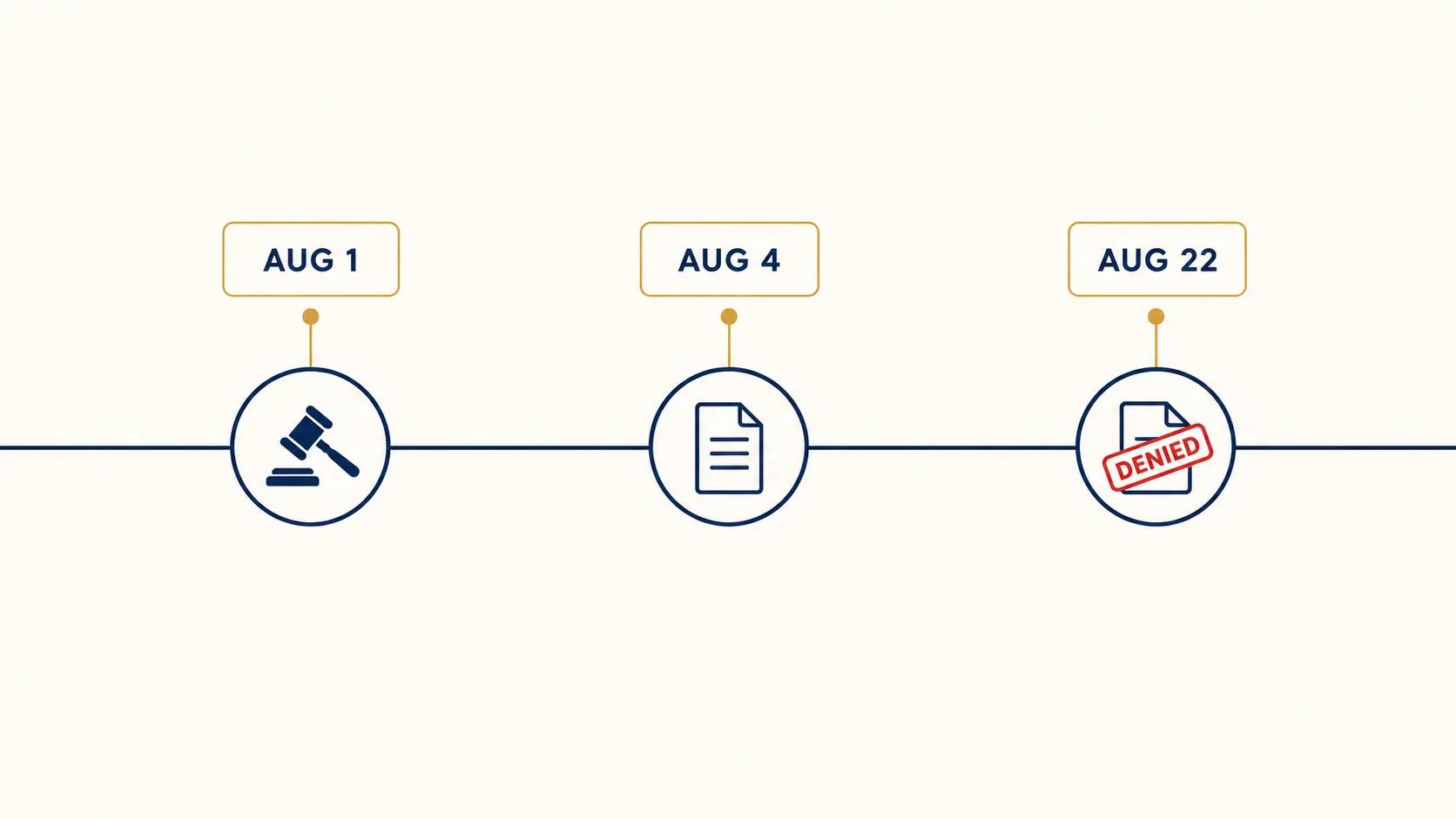
An Ohio judge granted Villanova QB Pat McQuaide a preliminary injunction against the NCAA on August 1, 2026, but the Patriot League—not a party to the case—denied his eligibility twice afterward. The ruling does not settle the eligibility question; here is what the public record still lacks, and how to verify the matter before citing it.
 UpdatedRolecriminal defense counselRelated cases0
Your Miranda Rights at the Police Station, in Your Language
Language access is the most litigated fault line in police-station rights: a Miranda warning given in a language the detainee does not understand cannot support a valid waiver. This guide maps the core rights of a detainee, the case-law split on foreign-language advisals, and why AI translation tools entering that point are a suppression and discovery risk — with a verification checklist for counsel in limited-English cases.
 UpdatedRoleattorneyRelated cases0
What the GitHub Copilot outage means for legal AI tools
No named legal AI tool was directly disrupted by the August 17, 2026 GitHub Copilot outage, but legal drafting and research assistants share the dependency class that failed that day. This workflow gives legal teams a defensible, deadline-ready response for treating a degraded or unavailable AI assistant as a distinct risk state — with manual fallback and post-recovery re-verification built in.
 UpdatedRoleattorneyRelated cases0
How to verify cloud security for remote law firm teams
Most attorneys now use cloud services for work, but verification has not kept pace: fewer than 30% review vendor terms, privacy policies, or applicable ethics rules, while roughly 20% report no security precautions at all. This five-domain checklist — identity, device, data, vendor, and incident response — maps each control to a concrete evidence artifact so remote legal teams can prove their posture against ABA Formal Opinions 477R, 483, 498, and 512.
Post-Filing

Pre-Filing,-Drafting,-Review
제출-전
 UpdatedRole변호사 및 법률 실무자Related cases0
AI 손금 보기 검증법이 법률 AI 환각 검증에도 통하는 이유
AI 손금 보기 앱과 챗GPT 손금 프롬프트가 내놓는 판독이 실제로 사진 속 손금에 근거하는지, 아니면 템플릿형 환각인지 가리는 검증 체크리스트를 제시합니다. 사진 대조·입력 불변성·반복 일관성·인간 검증 단계가 법률 AI의 허위 인용 검증과 구조적으로 같다는 근거를 RegLab 벤치마크와 NCSC 가이드 출처로 설명합니다.
 UpdatedRole일반 이용자Related cases0
무료 사주에 생년월일·출생시각을 입력해도 안전할까?
무료 사주 서비스에 생년월일·출생시각을 입력하기 전에 확인해야 할 개인정보 리스크와 기준을 정리한다. '무료' 뒤에 숨은 광고·데이터 수집·유료 업셀·DB 유통 리스크를 짚고, 명식 계산이 식별 정보를 필요로 하지 않는다는 점을 바탕으로 최소 정보 원칙과 입력 전 검증 체크리스트를 안내한다.