
Risk intelligence, not legal advice
Track every AI hallucination sanction before it becomes your firm’s problem.
Editorial review
CONFIRMEDEvery record on this site is reviewed by licensed counsel before publication and re-checked against its primary source on an ongoing basis.
Not legal advice. Nothing here creates an attorney-client relationship or substitutes for a licensed attorney reviewing your specific matter.
Read our editorial standards →Lex Machina Review logs documented AI citation-hallucination and sanction rulings worldwide as they happen, each record sourced to the primary court order, alongside an obligations tracker and tool accuracy benchmarks. Freshness and per-record sourcing are the whole point.
- Cases tracked here
- 1,382
- Ruling cadence
- New rulings logged as verified
Choose a task
Flagship tracker
Latest from the Risk Digest
Most recently updated records, with verification dates shown when available.
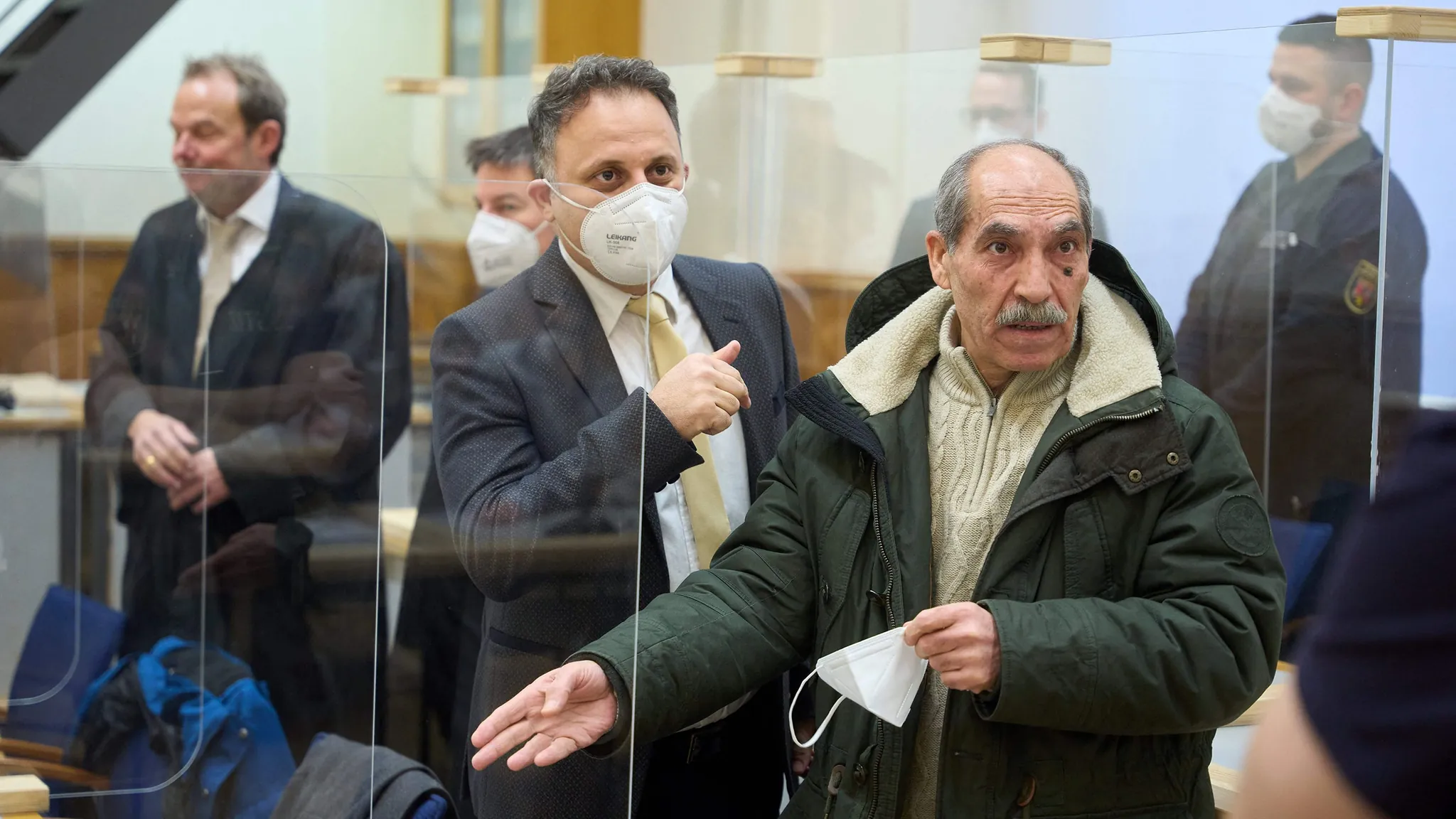 CONFIRMEDUpdatedJurisdictionGermanyToolNo AI tool named
Anwar Raslan's Life Sentence Stands After German Appeal
A verified record of Anwar Raslan's conviction and appeal: the Higher Regional Court of Koblenz sentenced him to life imprisonment for crimes against humanity, and Germany's Federal Court of Justice confirmed the sentence in 2024.
Last verified
 REPORTED — UNVERIFIEDUpdatedJurisdictionUS-FLToolNone documented
Donna Adelson's Appeal Is Pending. What Is She Arguing?
Donna Adelson's appeal of her 2025 murder conviction in the Dan Markel case remains pending before Florida's First District Court of Appeal as of late August 2026: the initial brief has been filed, and no answer brief, oral argument, or decision has yet entered the record. This record separates verified case-file facts from reported claims — the three grounds attributed to the brief, the gaps that remain unconfirmed, and the limited basis for any odds estimate.
Last verified
 UNVERIFIEDUpdatedJurisdictionUS FederalToolNo AI tool named
What's verified in the Max Miller House Ethics probe
Verified status of the House Ethics Committee's investigation into Rep. Max Miller: only the committee's Aug 4, 2026 statement is on the record, disclosing a Rule 18(a) review of category-level domestic-violence and illegal-drug-use allegations. With no record dated after Aug 5, 2026, the current status is unverified — not confirmed ongoing and not dismissed.
Last verified
 REPORTED — UNVERIFIEDUpdatedJurisdictionOhio, United StatesToolNo AI tool implicated
What's the Status of the Miller-Grisham Social Media Order?
Status-verified record of the Aug. 31, 2026 Cuyahoga County Common Pleas hearing that ordered Rep. Max Miller and Stephanie Grisham to remove social media posts after mutual breach claims over their 2023 non-disparagement agreement. It separates what is confirmed from what remains unverified, including the case number and whether the order is still operative as of Sept. 1, 2026.
Last verified
 REPORTED (NON-AI EXCLUSION)UpdatedJurisdictionUS-ArizonaToolNo AI tool named
Clayton Echard–Laura Owens Lawsuit Is Not an AI-Risk Case
An exclusion record for the Risk Digest: the Clayton Echard–Laura Owens matter is a paternity and fraud dispute, not an AI-risk incident, and ended with Laura Owens's Aug 28, 2026 guilty plea to four felony counts. The confirmed-non-AI label is an inference from claim scope — the Maricopa County docket remains unverified and no ruling on the available record tested an AI or synthetic-media standard.
Last verified
The rest of the dossier
Every case cross-links to the workflow that would have prevented it, the rule it turned on, and the tool it implicates.
Workflows
Separate charges from convictions in Chinese espionage casesPublic case lists of Chinese espionage prosecutions mix charges, pleas, and convictions. This explainer shows how to separate proven outcomes from announced ones, why DOJ press-release inventories are biased toward high-profile cases, and why any 2024-2026 list must be treated as unverified until checked against court dockets.
For attorney
Browse Workflows →Regulation
Which Federal Campaign Advertising Rules Are Verified?A verified Q3 2026 baseline for campaign advertising by or on behalf of federal candidates, grounded in the four 11 CFR 110.11 disclaimer requirements — payor identification, clear-and-conspicuous presentation, broadcast audio and candidate-approval statements, and small-item exemptions. Each claimed obligation is flagged confirmed or unverified so counsel can separate settled rules from unsupported claims about enforcement history and AI-disclosure duties.
Scope US federal
Browse Regulation →Evaluations
Is open-source Muse Glimmer safe for legal work?Meta's open-source Muse Glimmer 30B is its most permissive model release, but permissive licensing does not make it practice-ready. This risk record weighs what Apache 2.0 actually permits against independent hallucination-risk signals, the absence of any public legal-benchmark result, and the ethics duties that bind lawyers regardless of deployment.
Tool Muse Glimmer 30B
Browse Evaluations →Sourced, reviewed, and re-checked
Claims on this site are tied to primary sources — court orders, docket entries, ABA and state bar opinions, EU AI Act text, and named benchmark studies — never to derived or unattributed statistics. A licensed-attorney reviewer confirms new records before publication, and every record distinguishes a court-confirmed outcome from a merely reported one.
Read the full editorial standards →