
California balcony solar bill awaits governor's signature
- Authority
- California State Legislature
- Rule type
- statute
- Jurisdiction scope
- US state (California)
- Effective date
- Jan 1, 2027
- Source text
- Read primary rule text ↗
Exempts qualifying receptacle-connected portable solar devices up to 1,200 W AC per dwelling from interconnection requirements, subject to certification and anti-islanding safety rules; sunsets 2030-01-01.
As of August 28, 2026, California SB 868 has cleared both houses of the Legislature and is awaiting Gov. Gavin Newsom’s action. The governor’s sign-or-veto deadline is September 30, 2026. The bill has not yet been signed, so the proposed balcony-solar interconnection exemption is not in effect. [1][2]
| Status item | Record |
|---|---|
| Last verified | August 28, 2026 (UTC) |
| Current location | Governor’s desk |
| Governor’s deadline | September 30, 2026 |
| Current connection answer | No exemption under SB 868 is in effect; balcony solar remains non-compliant to connect |
| If signed | Exemption begins January 1, 2027 |
| Sunset | January 1, 2030 |
This is a time-stamped legislative-status record, not legal advice. The status should be rechecked against the official bill page and legislative records before it is used to update a compliance tracker, advise a client, or approve an installation. Recheck this record after any signature, veto, or other gubernatorial action on SB 868.
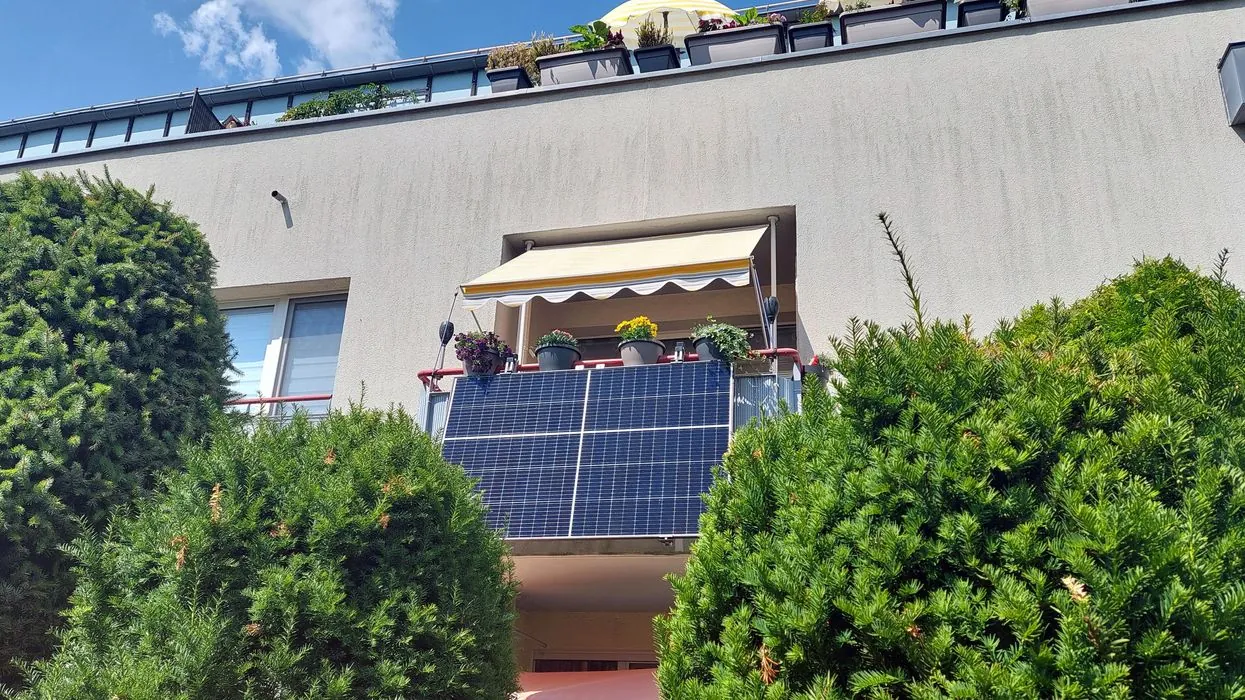
Where SB 868 stands
SB 868 was introduced on January 5, 2026. The Senate passed it 35-1. The Assembly then passed the bill on August 25, and the Senate concurred in the Assembly amendments on August 26 by a 36-4 vote before the measure moved to the governor. The available status record does not report the Assembly’s exact floor margin. [1]
The September 30 date is the end of the governor’s 30-day window, not the date on which the bill automatically becomes law. A signature before that deadline and the bill’s later effective date are separate events. As of the last verification on August 28, no signature or veto had been reported in the materials supporting this record.[1][2]
That distinction answers the immediate practical question. California balcony solar is not connectable under SB 868 today. A reader should not treat legislative passage, transmission to the governor, or a sponsor’s description of the bill as an operative interconnection permission.
What a signature would change
If Newsom signs SB 868, the statute would create an exemption from state and utility interconnection requirements for a defined category of portable solar generation devices. The device would have to be connected to a dwelling through a receptacle, have a combined capacity of no more than 1,200 watts AC per dwelling, and be certified to isolate from the electrical grid. The exemption is written into proposed Public Utilities Code sections 8530 through 8532. [3]
The ceiling is measured at the dwelling level, so it is not simply a statement that any individual panel rated below 1,200 watts qualifies. The statutory conditions apply together: portable solar generation, receptacle connection, the stated AC limit, and certification that addresses separation from the grid. A product description or an installer’s assurance cannot substitute for those conditions.[3]
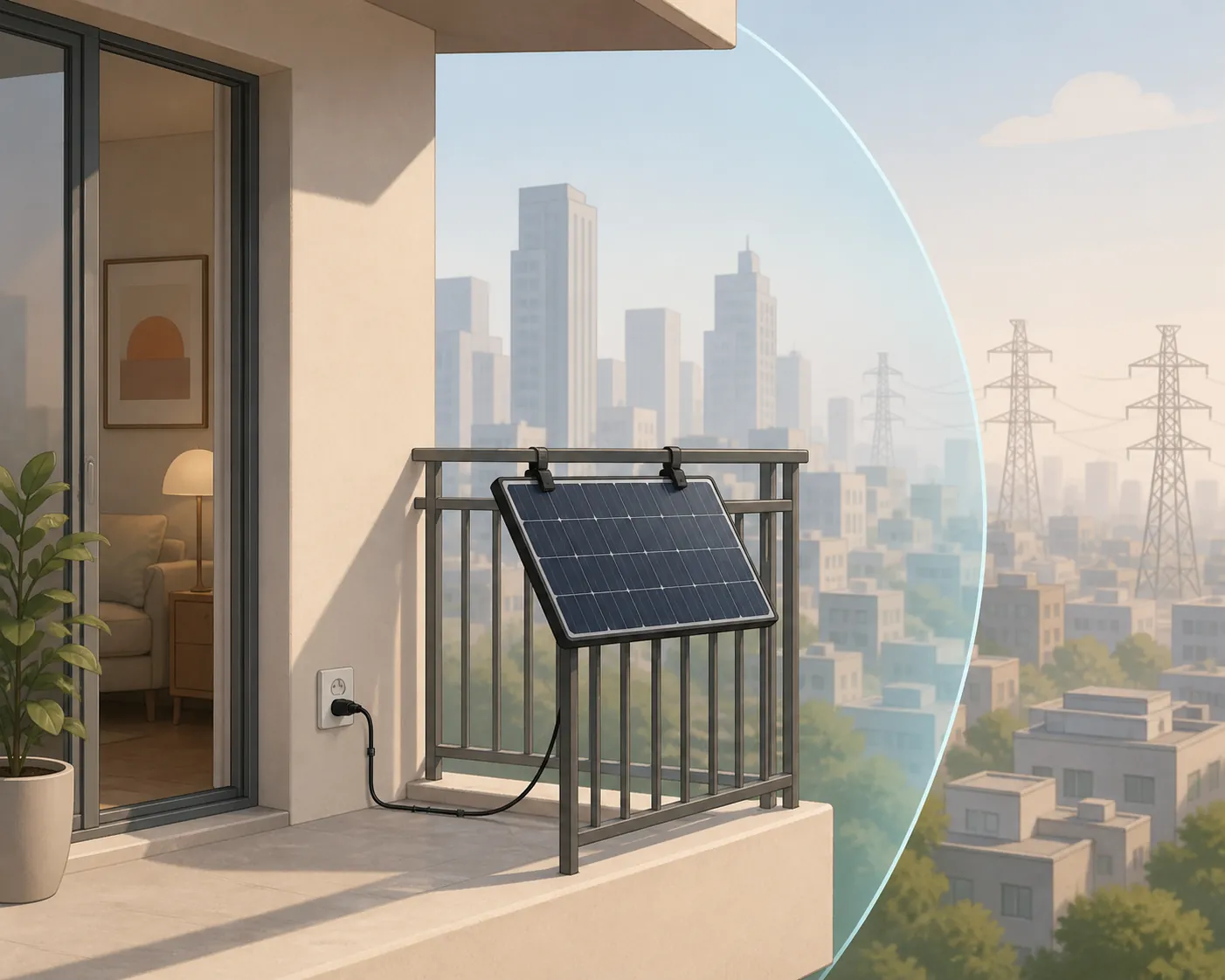
Registration would be limited, not eliminated
The proposed utility process is a registration system rather than a conventional approval process. A utility could require an online registration containing the dwelling’s address and the device’s make, model, and size. The bill does not authorize a registration fee, utility approval power, or a demand for additional equipment as a condition of that registration. [3]
That matters operationally for both sides of the connection. A resident would still need to provide the required information, while utility staff would have a narrower intake role than they do for a standard interconnection request. The absence of an approval power in this provision does not remove the other statutory safety and electrical-code requirements.
The safety gates remain part of the permission
The proposed exemption is conditional on certification by Underwriters Laboratories or an equivalent nationally recognized testing laboratory. The device must also comply with the National Electrical Code and the California Electrical Code. In addition, it must automatically shut off or isolate from the grid during an outage—the anti-islanding requirement that prevents a connected generation device from continuing to energize lines that utility workers may assume are de-energized. [3]
Accordingly, a signed bill would not make every panel marketed as “balcony solar” connectable. The relevant question would become whether the particular device and installation satisfy the bill’s certification, capacity, connection, isolation, and code requirements. Those are verification points, not optional paperwork added after the system is plugged in.
The dates that control the answer
Even if the governor signs SB 868 before September 30, the interconnection exemption would not begin immediately. The bill’s operative provisions take effect January 1, 2027. The measure also includes a self-repeal date of January 1, 2030. [3]
| Date | What it means |
|---|---|
| August 28, 2026 | Last-verified status for this record: bill awaiting the governor’s action |
| September 30, 2026 | End of the governor’s sign-or-veto window identified in the legislative status materials |
| January 1, 2027 | Proposed exemption takes effect if the bill is signed |
| January 1, 2030 | Proposed provisions self-repeal |
What the savings estimates do—and do not—establish
Supporters have described a 400-watt system as supplying about 14% of an average apartment’s electricity use, with approximately $250 in annual savings and an entry cost of about $500. Those figures come from an Environmental Working Group release and are advocacy estimates; the available material does not provide a methodology that would make them settled economics for every apartment or ratepayer. [5]
They may help explain why a compact, plug-in system appeals to apartment residents who cannot install a conventional rooftop array. They do not resolve whether a particular balcony receives enough sunlight, whether a building permits the equipment, what a resident’s rate structure is, or whether a specific product meets the proposed certification and code requirements. Those questions remain separate from the bill’s legislative status.
The current calendar answer
On August 28, 2026, the answer to “has the California balcony solar bill received the governor’s signature?” is no—the bill is awaiting Gov. Newsom’s action. The answer to “can balcony solar connect under SB 868 right now?” is also no, because the proposed exemption has not yet taken effect. [4]
If the governor signs the measure, the next operative date is January 1, 2027, not September 30, 2026. From then until the stated January 1, 2030 sunset, qualifying devices could use the exemption subject to the 1,200-watt AC limit, receptacle connection, registration information, testing-laboratory certification, electrical-code compliance, and automatic anti-islanding shutoff.[3]
References
- SB 868 — CalMatters Digital Democracy
- Legislative Deadlines Calendar — California State Senate
- SB-868 Electricity: portable solar generation devices — California Legislative Information
- Is Balcony Solar Legal in California? — Potrero Energy
- California Legislature Approves Bill Easing Access to Clean Energy — Environmental Working Group, August 2026
Operationalizing workflow
No workflow has been explicitly linked to this obligation yet. See Workflows generally.
Illustrative cases
No illustrative case is currently tracked for this obligation. See Risk Digest for documented incidents generally.
← Back to RegulationReport a correction or tip
Spotted an outdated figure, a misstated fact, or a ruling this regulation entry should reflect? Public comments are disabled for this content given the professional cost of a misreported case outcome, penalty amount, or rule text — use the structured correction channel instead.
Report a correction or tip for this record →