
EPA Proposes Ending Public Input on Data Center Permits
- Authority
- U.S. Environmental Protection Agency (EPA)
- Rule type
- regulation
- Jurisdiction scope
- US federal
- Source text
- Read primary rule text ↗
Would remove federal 30-day notice/comment floor for minor-source NSR permits; final action pending.
Status as of August 28, 2026: EPA's proposal to make public participation discretionary for minor-source New Source Review permits is pending. The public comment period closed on August 21, 2026; the virtual hearing took place on July 22, 2026. EPA had not issued a final rule as of that date.
| Record item | Current status |
|---|---|
| Docket | EPA-HQ-OAR-2025-1212 |
| NPRM publication | July 7, 2026, 91 FR 41591 |
| Public hearing | July 22, 2026, virtual |
| Comment deadline | August 21, 2026 — closed |
| Final action | Pending |
| Last verified | August 28, 2026 |
Primary records: the Federal Register proposal and the regulations.gov docket EPA-HQ-OAR-2025-1212. No named legal-background reviewer is listed. This article is general information, not legal advice.
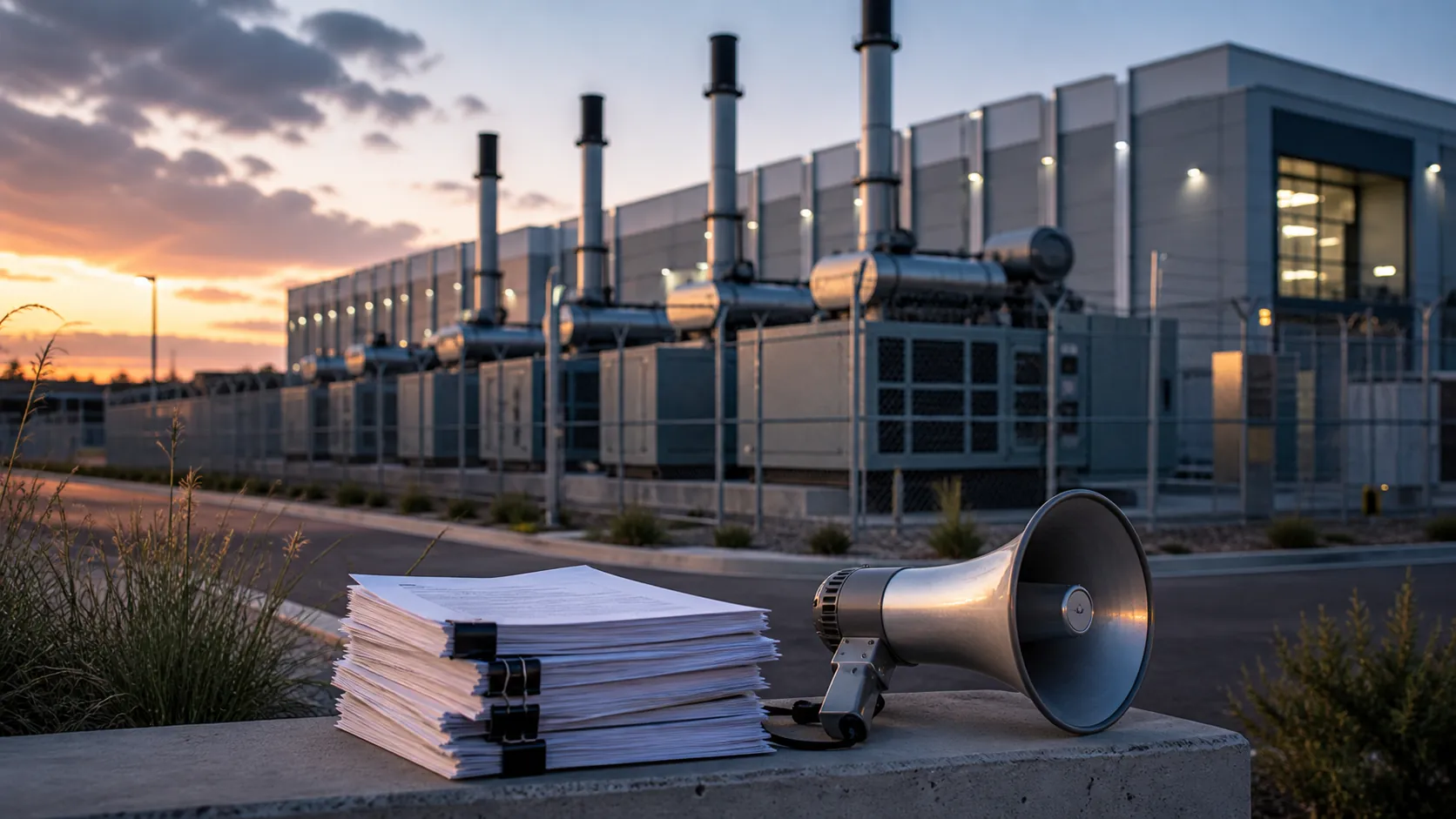
The proposal removes a federal floor, not every route for public review
The operative change is narrow enough to matter. Under the current version of 40 CFR 51.161(b), a state implementation plan's minor-source permitting program must provide three things before a covered authorization: public inspection of information supplied by the owner or operator and the agency's analysis, at least 30 days for public comment, and notice by prominent advertisement. Those requirements date to the provision's June 18, 1973 promulgation. EPA proposes to make that participation discretionary for state and local programs and to delete the transitional provision in 51.161(c). [1]
That would change the default. A state or local permitting authority could still publish notice, disclose the supporting record, and invite comments, but the federal SIP floor would no longer require it to do all three for every minor-source authorization. The proposal does not itself cancel an already-open comment period, invalidate a state requirement, or end public participation throughout the Clean Air Act.
EPA's legal position is that minor-source participation is not generally necessary to assure attainment of the National Ambient Air Quality Standards under Clean Air Act section 110(a)(2)(C). The preamble analyzes that position through the post-Loper Bright “best reading” framework rather than treating the agency's earlier interpretation as controlling simply because it has existed for decades. [1] Whether that reading ultimately survives review is a separate question from whether the proposal has already changed the law. It has not.
The date matters here. The comment deadline passed one week before this status check, but the NPRM remains an NPRM. A headline saying EPA has ended public input on data center permits collapses a proposed amendment, a particular permit tier, and a later state implementation step into one completed event.
Why the 2025 reform label points to a 2026 docket
“New Source Review reform 2025” describes the origin of the policy push, not the date of this public-participation proposal. Executive Order 14318, issued July 23, 2025, directed an acceleration effort for federal permitting of data center infrastructure. EPA later launched a Clean Air Act data-center resource hub on December 11, 2025. [2][3] The active rulemaking and the public-input record, however, are 2026 events.
That distinction also keeps two dockets from being merged. EPA-HQ-OAR-2025-1212 concerns minor-source NSR public participation. The separate “Begin Actual Construction” proposal, EPA-HQ-OAR-2025-0618, had a June 29, 2026 comment deadline. Both proposals relate to the broader permitting initiative, but they address different regulatory questions and have different records.
Which data center permits are most exposed?
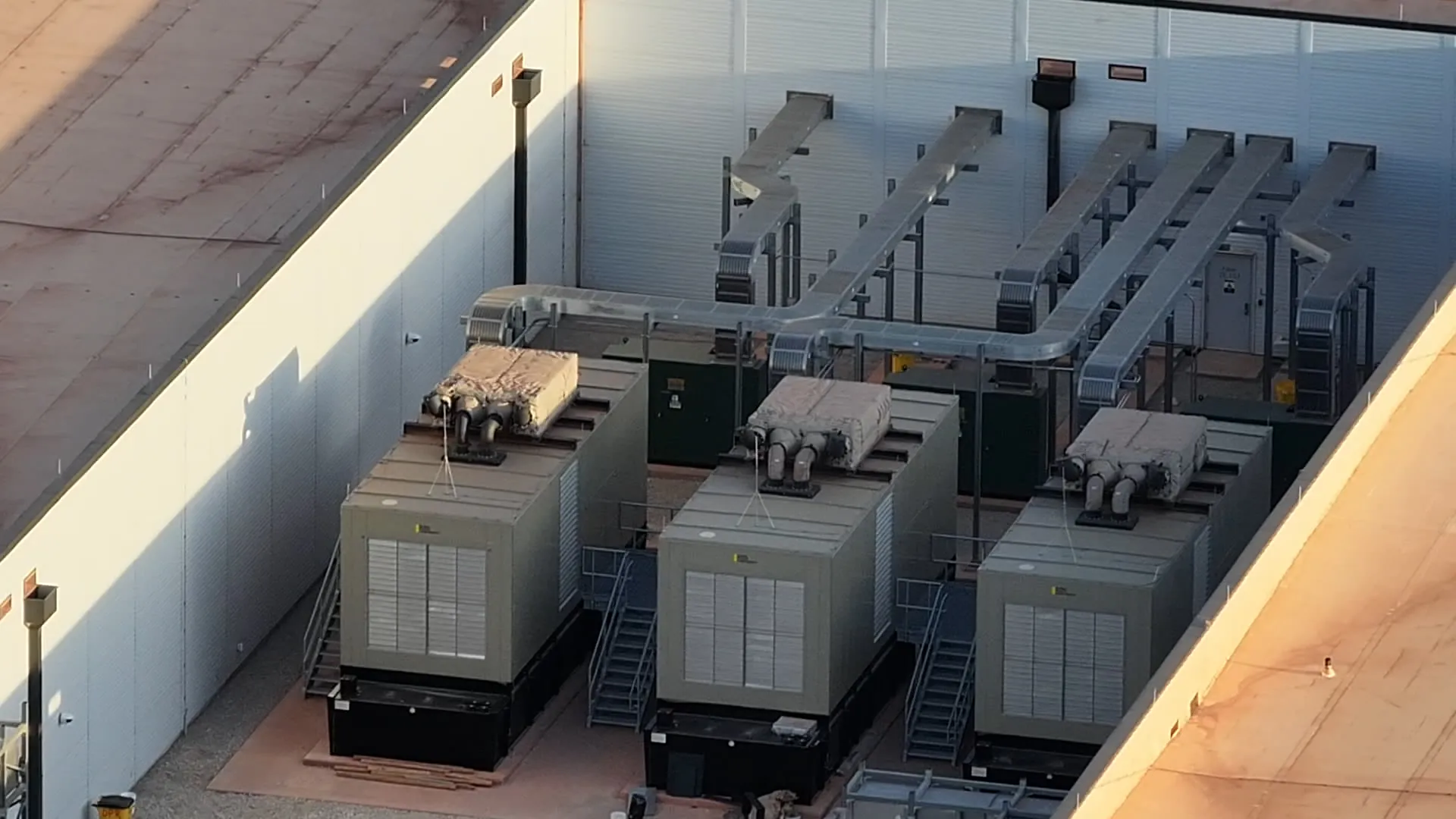
The immediate exposure is not “data centers” as a universal permit category. It is equipment and facilities that are authorized through a minor-source NSR pathway. Backup generators and on-site combustion turbines may fall within minor-source or synthetic-minor-source arrangements, depending on the source's potential emissions, enforceable limits, applicable state program, and the jurisdiction's classification decisions.
A synthetic-minor source is relevant because enforceable limits can keep a facility below major-source thresholds. That does not establish that the facility has insignificant emissions or that every data center using generators receives the same treatment. It identifies the point at which a permit applicant and agency may be working in the minor-source system rather than the major-source system.
The Environmental Protection Network's August 21 comments, signed on behalf of more than 800 former EPA staff, focused on that possibility. The organization warned that AI data center generators, along with pyrolysis and advanced-recycling plants, could be permitted as minor or synthetic-minor sources and thereby avoid controls associated with major-source permitting. It also argued that the proposal conflicts with Administrator Zeldin's March 2026 transparency memorandum. Those are comments and objections in the record, not findings that every data center is a minor source or that every minor-source permit avoids major-source controls. [4]
What remains when the minor-source floor is removed
The answer will depend on the permit's classification and location. Several participation or review mechanisms are outside the proposed deletion.
- State-law notice and hearing rules may require more than the federal SIP minimum. Those rules vary by state, so the relevant state air agency's regulations and the permit-specific notice record control.
- Major-source Prevention of Significant Deterioration and nonattainment NSR public-participation requirements are not the target of this proposal. A facility that belongs in one of those programs does not become a minor source merely because the federal minor-source floor changes.
- Title V permitting retains its own public-comment requirements. Title V petition review can also remain available after issuance, subject to the statute, regulations, deadlines, and the issues preserved in the administrative record.
- SIP development remains a separate public process. A state that changes its program after a final federal rule would have to address its own SIP amendment process, including the applicable public-submission requirements under the SIP framework.
- For sources in Indian country subject to the applicable federal program, 40 CFR 49.157 contains participation requirements that the proposal does not change.
This is why the practical inquiry in a data center dispute should begin with the permit file, not the facility's branding. Counsel or a community participant needs to identify the issuing authority, the source classification, the applicable SIP provisions, any enforceable synthetic-minor limits, and whether the authorization later enters or affects a Title V permitting process.
EPA itself identifies a downstream complication. The preamble says that authorizing minor sources without notice and comment may increase exposure to Title V petitions or other challenges. EPA's stated theory is that an NSR decision issued with notice, comment, and judicial review can foreclose substantive re-review of that decision during Title V permitting. If the earlier participation layer disappears, that foreclosure argument may be less protective in a later Title V dispute. [1]

That does not turn Title V into an automatic second chance. A later petition still depends on the Title V process, the petition requirements, the timing, and the legal issue presented. But it is a meaningful risk shift: less routine visibility at the minor-source stage can move disagreement into a later and more technical forum.
What the closed record shows
The agency held a virtual public hearing on July 22 and accepted written comments through August 21. The most visible opposition came from environmental organizations and a coalition of state and local officials. An open letter attributed to attorneys general from 14 states and three cities argued that “even minor sources can pose significant health and environmental impacts.” It also criticized removing required publication and the 30-day comment period as sidelining “fundamental transparency and democratic safeguards.” [5]
That letter is evidence of the objections presented before the docket closed. It is not evidence that all of the jurisdictions apply identical notice rules, or that every facility described in public coverage belongs in minor-source NSR. The same discipline applies to the EPN submission: the former officials' warning identifies a regulatory concern, while the actual consequence for a particular project still turns on emissions, limits, classification, and the permitting authority.
For stakeholders reviewing the record now, the useful question is not how many headlines describe the proposal as suppressing pushback. It is whether the relevant permit was publicly discoverable, whether the agency made its analysis available, whether a state rule supplied an independent notice floor, and whether a later Title V or judicial forum can address the issue. Those facts will usually be found in the state permit portal, the administrative record, and the governing SIP—not in the federal proposal's title.
The next decision points are procedural
There is no verified final-rule date in this record. The next concrete developments are EPA's final action on EPA-HQ-OAR-2025-1212, any resulting state SIP amendment activity, and potential litigation or Title V petitions involving permits issued without the former federal participation floor.
Until those steps occur, the proposal could materially reduce routine visibility into some data center air permits, but it has not yet done so. After adoption, the consequence in an individual permitting dispute will depend on source classification, state law, jurisdiction, and the later permitting path. The 30-day federal floor is one important layer; it is not the whole participation system.
References
- Minor New Source Review Program Air Permitting Public Participation Requirements for State Implementation Plans (Proposed Rule, 91 FR 41591) — Federal Register, July 7, 2026.
- Accelerating Federal Permitting of Data Center Infrastructure — The White House, July 23, 2025.
- Clean Air Act Resources for Data Centers — U.S. Environmental Protection Agency, December 11, 2025.
- EPA Proposal Threatens Public Notice for Some Data Center Air Permits — Environmental Protection Network, August 21, 2026.
- U.S. government moves to suppress pushback on data centers by removing requirements for public input on pollution — Tom's Hardware.
Operationalizing workflow
No workflow has been explicitly linked to this obligation yet. See Workflows generally.
Illustrative cases
No illustrative case is currently tracked for this obligation. See Risk Digest for documented incidents generally.
← Back to RegulationReport a correction or tip
Spotted an outdated figure, a misstated fact, or a ruling this regulation entry should reflect? Public comments are disabled for this content given the professional cost of a misreported case outcome, penalty amount, or rule text — use the structured correction channel instead.
Report a correction or tip for this record →