
How Three Emmett Till Laws Shape Federal and Illinois Law
- Authority
- Illinois General Assembly
- Rule type
- statute
- Jurisdiction scope
- US state
- Effective date
- Jul 23, 2026
- Source text
- Read primary rule text ↗
Commemorative date; no statutory duties
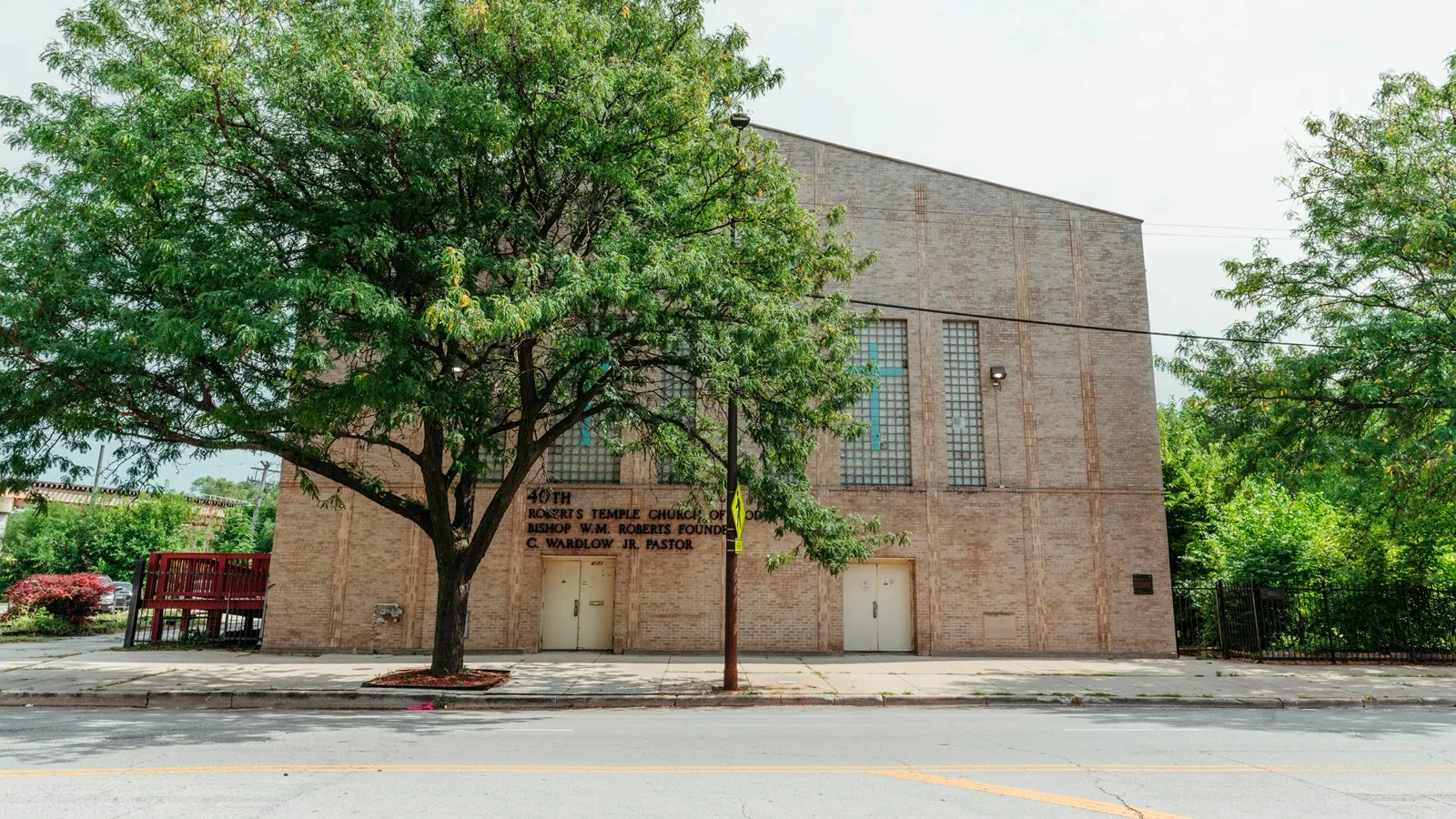
Illinois entered the Emmett Till legal landscape on July 23, 2026, when Gov. JB Pritzker signed HB 4323 at Roberts Temple Church of God in Christ in Chicago, designating July 25 as Emmett Till Day under the State Commemorative Dates Act.[1][2] The location was not incidental. Roberts Temple is where thousands filed past Till’s open casket in 1955, and it is also one of the sites now protected within the federal Emmett Till and Mamie Till-Mobley National Monument.[3]
That setting can make the legal story look unified when it is not. Between 2022 and 2026, Emmett Till’s name became attached to three separate legal instruments: a federal criminal statute, a federal monument proclamation, and an Illinois commemorative-date law. They share a historical subject. They do not share the same legal function.
The Three Instruments Do Different Legal Work
The cleanest way to read the 2026 Illinois signing is not as the last chapter of a single law, but as the newest layer in a short, legally uneven sequence. One layer punishes certain conduct. One preserves places. One adds a commemorative date.
| Instrument | Level | Legal vehicle | Main legal effect |
|---|---|---|---|
| Emmett Till Antilynching Act | Federal | Statute amending 18 U.S.C. § 249 | Creates federal criminal liability for lynching conspiracy, with penalties of up to 30 years’ imprisonment |
| Emmett Till and Mamie Till-Mobley National Monument | Federal | Presidential proclamation under the Antiquities Act | Protects three physical sites and places them under National Park Service administration |
| Illinois Emmett Till Day law, HB 4323 | Illinois state | Amendment to the State Commemorative Dates Act, 5 ILCS 490 | Designates July 25 annually as Emmett Till Day; does not create a legal holiday, court closure, criminal offense, or mandatory program |
That distinction matters for anyone classifying the measure in a legislative tracker or legal memo. A statute that amends the federal hate-crimes code behaves differently from a monument proclamation. A commemorative date in Illinois law behaves differently from both. The fact that each instrument carries the same name does not merge them into one enforceable regime.
The 2022 Federal Act Is the Liability-Creating Law
The Emmett Till Antilynching Act is the only one of the three instruments that creates criminal liability. Enacted as Public Law 117-107 and signed by President Joe Biden on March 29, 2022, the act amended 18 U.S.C. § 249 to add a lynching conspiracy offense. It had passed the House 422-3 and the Senate by unanimous consent, and the penalty can reach up to 30 years’ imprisonment.[4]
That is the operative legal consequence. The federal law does not merely recognize Till’s name in civic language; it changes the criminal code. For lawyers, journalists, and compliance researchers, this is the provision that belongs in a criminal-liability category, not the 2023 monument proclamation and not the 2026 Illinois commemorative law.
It is also the relevant named lynching-specific provision for Illinois. Nothing in the 2026 Illinois law, as described in the signing materials and public reporting available as of July 25, 2026, creates a separate Illinois criminal offense for lynching. The federal law may apply in Illinois because it is federal law; HB 4323 does not reproduce it at the state level.
The 2023 Monument Protects Sites, Not Courtroom Conduct
The Emmett Till and Mamie Till-Mobley National Monument was established on July 25, 2023, by presidential proclamation under the Antiquities Act, on what would have been Till’s 82nd birthday. The designation covers three sites: Roberts Temple Church of God in Christ in Chicago, Graball Landing in Glendora, Mississippi, and the Tallahatchie County Second District Courthouse in Sumner, Mississippi. The National Park Service administers the monument.[3]
That is a preservation framework. It matters to federal land administration, public memory, interpretation, and stewardship of the named sites. It does not create a new hate-crime offense, alter Illinois criminal procedure, or impose a practitioner-facing compliance rule simply because one of the protected sites is in Chicago.
Roberts Temple therefore sits in two legal stories at once. It is a protected site within a federal monument, and it was the place where Illinois signed its commemorative-day statute. Those facts reinforce the church’s civic and historical significance. They do not turn the Illinois commemorative statute into a preservation law, or the monument proclamation into a criminal statute.
What HB 4323 Adds in Illinois
HB 4323 adds July 25 to Illinois’s State Commemorative Dates Act as Emmett Till Day. The first observance fell on July 25, 2026, what would have been Till’s 85th birthday.[1] The measure’s Illinois sponsors included Rep. Kimberly du Buclet of Chicago and co-sponsor Rep. Camille Y. Crawford.[1][5]
The political posture was broad. Reporting on the Senate vote identified a 59-0 passage on May 31, 2026, with support from Republican Sens. Neil Anderson and John F. Curran as well as Democratic sponsors in the House.[6][7] That vote count is relevant because it confirms enactment momentum and bipartisan approval; it does not change what the bill does after signing.
The legal effect remains ceremonial. The public materials describe HB 4323 as a commemorative-date measure, not a legal-holiday statute. It does not close Illinois courts, suspend filing deadlines, require schools or agencies to hold programming, or create a new civil or criminal cause of action.[1][2] Readers looking for the narrower HB 4323 bill-summary treatment can compare this architecture-focused analysis with the site’s deeper explainer on the Illinois Emmett Till Day law.
A bill-numbering note
Some earlier Illinois references identify the proposal as HB 2755, including an April 2025 House-passage release concerning du Buclet’s bill to establish Emmett Till Day.[8] The signed 2026 measure is identified in the later public materials as HB 4323.[1][5] Before publication in a tracker or formal legal memo, the signed ILGA text should be checked directly because the official bill page and statutory text were not available through the source review.
The Illinois Gap Is About Criminal Law, Not Commemoration
The easiest mistake is to treat the 2026 Illinois signing as if it completed the work that Congress did in 2022. It did not. Illinois now has an annual Emmett Till Day in its commemorative-date law. The sources reviewed here do not identify a standalone Illinois statute that criminalizes lynching as such under state law.
That gap should be stated carefully. It does not mean Illinois lacks homicide, kidnapping, assault, conspiracy, hate-crime, or civil-rights provisions that could be relevant to violent conduct in a given case. It means that, within the materials reviewed here, Illinois has not enacted a separate state-law lynching offense comparable in name and function to the federal Emmett Till Antilynching Act.
For legal classification, that is the line to preserve. The federal act belongs under criminal liability. The monument belongs under federal land preservation and public-history administration. HB 4323 belongs under Illinois commemorative dates. Only the first of those three supplies lynching-specific criminal exposure.
A Clean Map for 2026
As of Q3 2026, the Emmett Till legal architecture is federal criminal law, federal site preservation, and Illinois ceremonial law operating side by side. The 2022 Antilynching Act amends 18 U.S.C. § 249 and can punish lynching conspiracy with up to 30 years’ imprisonment.[4] The 2023 monument proclamation protects Roberts Temple, Graball Landing, and the Tallahatchie County courthouse through National Park Service administration.[3] The 2026 Illinois law designates July 25 as Emmett Till Day without making it a legal holiday or creating operational duties.[1][2]
HB 4323 gives Illinois an annual Emmett Till Day. It does not give Illinois a standalone lynching statute. For lynching-specific criminal liability in Illinois, the named provision in this three-part map remains federal.
References
- Gov. Pritzker Designates Emmett Till Day in Illinois — Gov. Pritzker Newsroom — July 23, 2026.
- Emmett Till Day in Illinois: Pritzker signs bill at Roberts Temple Church — Chicago Sun-Times — July 23, 2026.
- President Biden Establishes Emmett Till and Mamie Till-Mobley National Monument as America’s 425th National Park — National Park Service.
- Emmett Till Antilynching Act — Wikipedia.
- Crawford Celebrates Signing of Law Establishing Emmett Till Day in Illinois — Illinois House Democrats — July 24, 2026.
- Sen. Neil Anderson supports HB4323 to recognize July 25 as Emmett Till Day — Rock Island Today.
- Sen. John F. Curran supports HB4323 declaring July 25 Emmett Till Day — South Cook News.
- du Buclet Bill to Establish Emmett Till Day in Illinois Passes House — Illinois House Democrats — April 22, 2025.
Operationalizing workflow
No workflow has been explicitly linked to this obligation yet. See Workflows generally.
Illustrative cases
No illustrative case is currently tracked for this obligation. See Risk Digest for documented incidents generally.
← Back to RegulationReport a correction or tip
Spotted an outdated figure, a misstated fact, or a ruling this regulation entry should reflect? Public comments are disabled for this content given the professional cost of a misreported case outcome, penalty amount, or rule text — use the structured correction channel instead.
Report a correction or tip for this record →