
Legal risk of IREN AI data center expansion, verified
- Authority
- SEC; Texas PUCT/TCEQ/TWDB
- Rule type
- regulation
- Jurisdiction scope
- US federal; Texas state
- Source text
- Read primary rule text ↗
Review IREN SEC default/disclosure exposure and Texas water/power permits; monitor non-IREN AI data center suits as pleading templates only.
Last-verified answer
Last verified: August 3, 2026. Searches reviewed did not locate an active lawsuit directly naming IREN Ltd, formerly Iris Energy, as a defendant in nuisance, environmental, land-use, or AI data center expansion litigation. That statement is deliberately narrow. It does not mean there is no legal exposure. It means the IREN AI data center expansion legal implications should be separated into verified IREN-specific legal material, non-IREN claim templates that may travel, and Texas regulatory obligations that may become material before any complaint is filed.
For clarity, “IREN” here means IREN Ltd, Nasdaq: IREN, formerly Iris Energy. It does not refer to the Italian utility Iren S.p.A. The practical question is what a lawyer can put in a diligence memo tomorrow morning without turning absence of a located complaint into absence of risk.
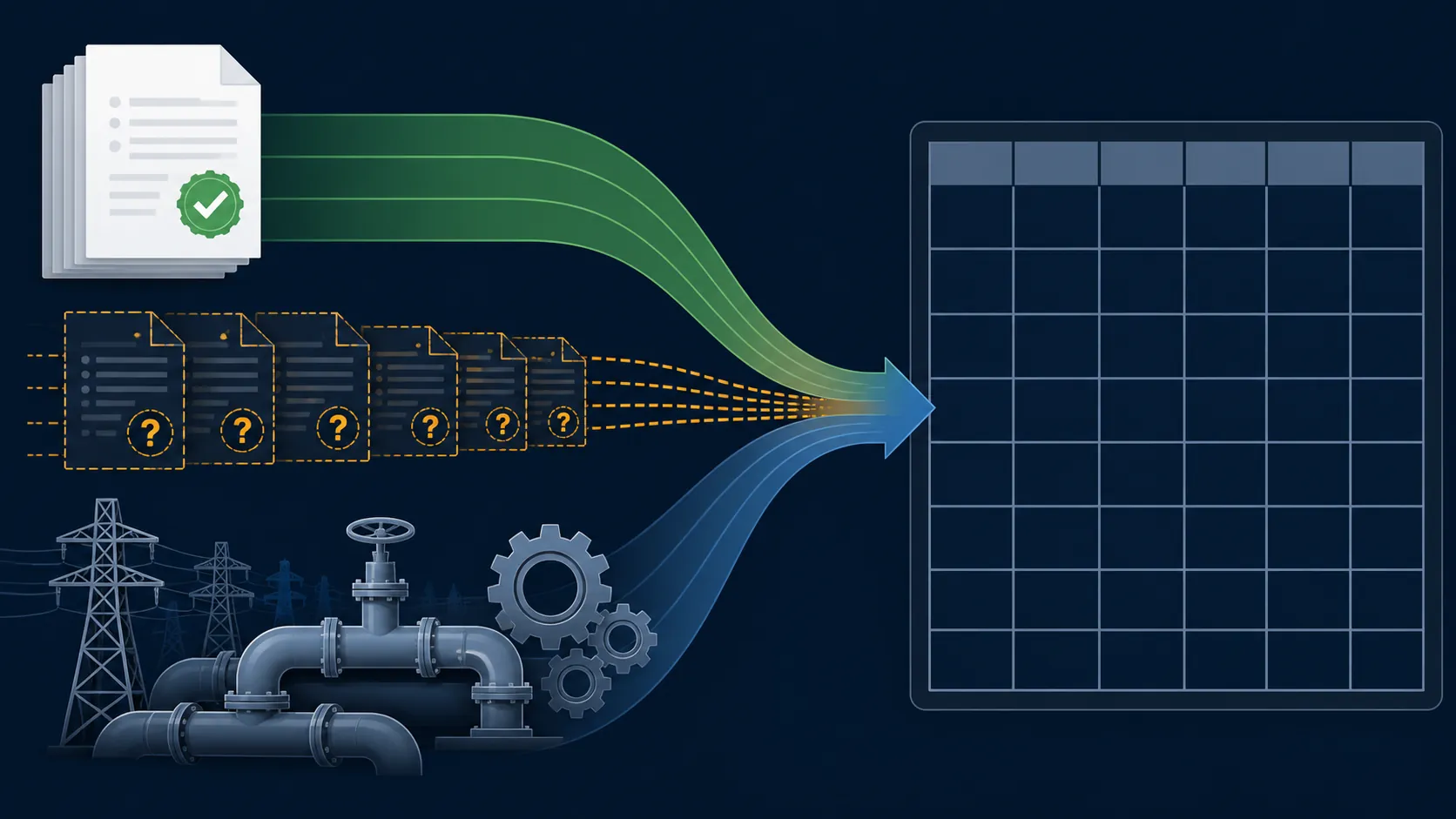
Three-tier risk register
The first cut should not be “litigation versus no litigation.” It should be verification status. A dismissed securities case, a repeated SEC risk-factor disclosure, a plaintiffs’-bar alert about other operators, and a Texas agency response gap do not carry the same evidentiary weight. They do, however, belong in the same diligence file if the counterparty, vendor, or investment question depends on IREN’s Texas AI infrastructure footprint.
| Tier | Status flag | Jurisdiction / venue | Date or period | Source type | Record support | Counsel’s next verification action |
|---|---|---|---|---|---|---|
| IREN equipment-financing default proceedings | Verified IREN-specific | SEC disclosure / financing SPV proceedings | Repeated in FY2024–FY2026 filings; example filing period ended Sept. 30, 2025 | SEC filing | IREN filings disclose ongoing proceedings relating to defaults under certain equipment-financing facilities and identify securities-litigation risk factors. [1] | Pull the latest 20-F, 6-K, 10-Q/10-K equivalents and exhibits; compare whether default, cure, settlement, or enforcement language changed. |
| Sterling v. Iris Energy Ltd | Verified IREN-specific; dismissed | D.N.J., No. 2:2022cv07273 | Dismissed Sept. 27, 2024 | Court docket and defense-firm disposition | Judge Jamel K. Semper dismissed the securities class action in its entirety in a 41-page opinion; reported grounds included no duty to disclose every equipment-financing detail and non-actionable opinion or forward-looking statements. [2][3] | Confirm final judgment, appeal history, and whether later securities complaints reused the same theory. |
| Rosen Law Firm notice concerning Iris Energy / IREN | Reported; docket-verification-pending | Not verified from the materials reviewed | Lead-plaintiff deadline reported as Dec. 6, 2024 | Plaintiffs’-firm notice | A Rosen notice reports securities claims involving Iris Energy / IREN, but the full docket and operative complaint were not verified from the materials reviewed. [4] | Identify caption, court, docket number, operative complaint, consolidation status, dismissal or settlement posture, and whether the case remains active. |
| Noise-nuisance data center class actions | Reported non-IREN claim family | Vineland, New Jersey; Dowagiac, Michigan; Southaven, Mississippi | Vineland and Dowagiac filed May 26, 2026; Southaven filed June 8, 2026 | Law-firm client alerts describing filed cases | Alerts describe nuisance suits against other data center operators, with alleged sound levels of 48–62 dBA and up to 70 dBA in the Mississippi case, and proposed classes generally within about one mile. IREN was not located as a defendant in these suits. [5][6] | Do not import the allegations to IREN. Track whether similar complaints are filed in Childress, Sweetwater, or other IREN-adjacent counties. |
| Environmental citizen-suit template | Filed non-IREN claim family | Mississippi; NAACP v. xAI / MZX Tech | April–June 2026 filings; preliminary-injunction hearing reported for Aug. 24, 2026 | Advocacy release summarizing litigation filings | The xAI-related Clean Air Act dispute targets alleged unpermitted turbine operation; turbine counts vary by dated filing, including 27 in the April 2026 complaint, 33 in a preliminary-injunction motion, 46 in May, and 57 in a June class complaint. IREN was not located as a defendant. [7] | Pull pleadings rather than rely on press summaries; separate permitting theories from operational nuisance theories. |
| Land-use and moratorium litigation template | Filed non-IREN claim family | Hill County, Texas | Reported June 5, 2026 | News report | Hill County rescinded a data center moratorium after RCM Hill filed a federal lawsuit seeking $100 million. This is not an IREN case and should not be confused with unverified Childress moratorium claims. [8] | Check county minutes, zoning records, moratoria, development agreements, and any petitioned suits in each IREN county. |
| Texas water-use data and enforcement capacity | Structural obligation / data gap | Texas; TWDB, TCEQ, House Natural Resources Committee | June 23, 2026 hearing; June 24, 2026 report; Jan. 13, 2026 enforcement-capacity report | Legislative hearing coverage and environmental enforcement reporting | Texas Water Development Board testimony reportedly showed surveyed data center count growth from 22 to 341, but only 17% responded to a legally required questionnaire; a PUC spring survey drew 28 companies covering 92 facilities. Reports also noted TCEQ had not reopened a data center permit to add requirements, that TCEQ’s 2025 enforcement report showed only 6% of complaints investigated within five days, and that TWDB cannot track groundwater pumping in counties without groundwater conservation districts. [9][10] | Request site-level water-source records, TWDB responses, TCEQ permits, groundwater district coverage, complaint files, and any local water-supply commitments. |
| Texas large-load power regulation | Structural obligation | Texas; PUCT / ERCOT | 2026 rule and queue materials | Legal alert and utility-sector reporting | Texas large-load rules include load-shedding expectations for large energy users, a draft PUCT Rule 25.194 framework for 75 MW+ loads with minimum interconnection study fees from $100,000, ERCOT large-load queue figures reported at about 410 GW in April 2026 and about 438 GW in June 2026 with roughly 87–90% attributed to data centers, and PUCT ride-through rules approved in June 2026. [11][12] | Pull the actual interconnection request, transmission-service status, curtailment obligations, study deposits, ride-through compliance materials, and utility agreements for the relevant IREN load. |
| IREN Texas footprint and commercial trigger facts | Commercial context with regulatory implications | Childress and Sweetwater, Texas | Nov. 3, 2025; May 1, 2026; May 7, 2026; June 3, 2026 | Company releases, NVIDIA release, local interview | IREN announced Sweetwater 1 energization on May 1, 2026; NVIDIA and IREN announced a strategic partnership on May 7, 2026 including a five-year right to purchase up to 30 million shares at $70 per share, subject to conditions including regulatory conditions; IREN announced a $9.7 billion, five-year Microsoft AI Cloud contract on Nov. 3, 2025 with about 20% upfront prepayment; and IREN COO David Shaw made a closed-loop cooling claim for Childress in June 2026. [13][14][15][16] | Treat scale as a diligence trigger. Verify water, power, permitting, and securities disclosures against primary records rather than relying on transaction announcements. |
The IREN-specific record is narrower, and more important, than the data center litigation wave
The strongest IREN-specific legal material is not a fresh AI data center complaint. It is IREN’s own disclosure record. The SEC filings reviewed include risk-factor language about ongoing proceedings relating to default under certain equipment-financing facilities and securities litigation. That language is not equivalent to a newly filed lawsuit over Childress or Sweetwater, but it is also not market commentary. It is company disclosure in a regulated filing environment. [1]
The dismissed Sterling case matters for a different reason. It is a verified litigation event against Iris Energy, now IREN, with a docket and a disposition. Davis Polk reported that Judge Jamel K. Semper dismissed the securities class action in its entirety on Sept. 27, 2024, in a 41-page opinion. The reported reasoning included that the company had no duty to disclose every detail of certain equipment-financing arrangements and that challenged statements were non-actionable opinions or forward-looking statements. [2][3]
That dismissal is useful, but it should not be overread. It disposes of that case on that record. It does not erase the financing-default proceedings disclosed elsewhere, and it does not answer whether later securities plaintiffs filed a different pleading. The Rosen Law Firm notice is the item to treat with the most caution: it reports a lead-plaintiff deadline of Dec. 6, 2024, but the materials reviewed here did not verify the full docket, caption, complaint, consolidation status, or current posture. [4]
For a diligence note, the language should therefore be precise: one verified securities class action was dismissed; IREN filings continue to disclose equipment-financing default-related proceedings and securities-litigation risk; at least one plaintiffs’-firm notice requires docket verification before it is counted as an active case.
Non-IREN AI data center lawsuits are templates, not proof of IREN exposure
The 2026 data center litigation wave is still relevant because plaintiffs’ lawyers tend to reuse pleadings, expert theories, class definitions, and public-record hooks. The evidentiary boundary is just as important: the Vineland, Dowagiac, and Southaven nuisance matters described in law-firm alerts are not IREN cases. As of the August 3, 2026 verification date, IREN was not located as a defendant in those actions. [5][6]
The nuisance complaints described by Crowell & Moring and WilmerHale are nonetheless the kind of materials a counterparty lawyer should file under “monitor.” They use familiar tort machinery: alleged continuous noise, claimed interference with use and enjoyment of property, proposed local classes, and decibel allegations. The reported filings include classes within roughly one mile and alleged sound levels from 48–62 dBA, with the Mississippi alert describing allegations up to 70 dBA. [5][6]
The environmental citizen-suit template is different. The xAI / MZX Tech dispute described by Earthjustice is framed around Clean Air Act permitting for turbines, not merely neighborhood annoyance. The turbine counts in the public descriptions are date-sensitive: 27 in the April 2026 complaint, 33 in a preliminary-injunction motion, 46 in May, and 57 in a June class complaint. The hearing date reported for preliminary-injunction evidence was Aug. 24, 2026. None of that makes IREN a defendant. It does show why power-generation, backup-generation, and air-permitting records need to be checked before counsel accepts a data center’s operations narrative. [7]
Land-use litigation cuts both ways. Hill County, Texas reportedly rescinded a data center moratorium after RCM Hill sued in federal court and sought $100 million. That case is useful as a moratorium template and a reminder that developers may sue local governments, not only the reverse. It is not a Childress case, and unverified internet claims about a Childress moratorium should stay out of an IREN register until county records or filed pleadings support them. [8]
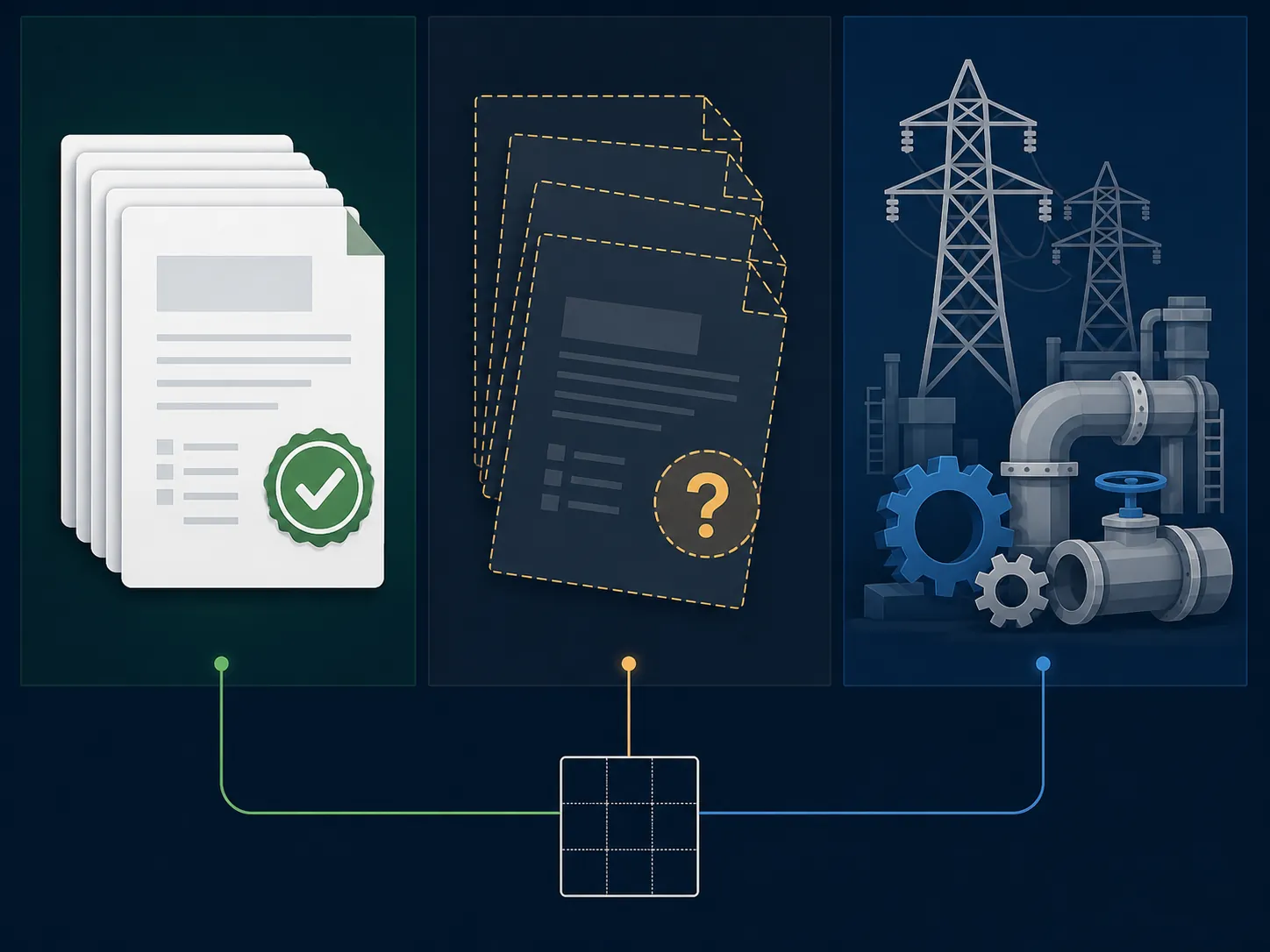
Texas water and power obligations may matter before litigation appears
The Texas materials are the easiest to underestimate if the search protocol begins and ends with party-name litigation. IREN’s relevant footprint is large enough to make water and power records material: Childress is identified at approximately 750 MW and Sweetwater 1 at 1.4 GW, with IREN announcing Sweetwater 1 energization on May 1, 2026. [13]
The commercial context explains urgency, not liability. NVIDIA and IREN announced a May 7, 2026 strategic partnership to accelerate deployment of up to 5 GW of AI infrastructure, including a five-year right for NVIDIA to purchase up to 30 million IREN shares at $70 per share, or up to $2.1 billion, subject to conditions including regulatory conditions. [14] IREN also announced a $9.7 billion, five-year Microsoft AI Cloud contract on Nov. 3, 2025, with about 20% upfront prepayment. [15] Those announcements do not prove a permitting breach. They do explain why counsel should not treat local water and power obligations as background noise.
The June 2026 Texas water record is not a lawsuit record. It is a response-gap record. Reporting on the June 23, 2026 Texas House Natural Resources hearing said the Texas Water Development Board’s surveyed data center count increased from 22 to 341, while only 17% responded to a legally required questionnaire. The same report said a PUC spring survey drew responses from 28 companies covering 92 facilities. [9]
That matters because nonresponse and nonmeasurement change what counsel can safely rely on. The same reporting said TCEQ staff testified that no data center permit had been reopened to add requirements. Separate Houston Public Media reporting said TCEQ’s 2025 enforcement report showed only 6% of complaints investigated within five days and noted that TWDB cannot track groundwater pumping in counties without groundwater conservation districts, which more than half of Texas counties lack. [9][10]
One local IREN statement belongs in the file, but only as a claim to verify. In June 2026, ABC7 Amarillo reported IREN COO David Shaw saying the Childress expansion uses closed-loop cooling, requires no ongoing daily or weekly water use, and that the initial fill “doesn’t use local water.” [16] That is the kind of statement that should be checked against water-source contracts, permits, groundwater district coverage, utility invoices, trucked-water records if any, and TCEQ or local complaint files. A press statement may be accurate; it is not a substitute for those records.
Power obligations sit on the same side of the register. WilmerHale described emerging state regulation of data centers, including Texas load-shedding requirements for large energy users. [11] Utility Dive reported that Texas regulators approved ride-through rules in June 2026, and the 2026 large-load record includes a draft PUCT Rule 25.194 framework for 75 MW+ loads, minimum interconnection study fees from $100,000, and ERCOT large-load queue figures rising from about 410 GW in April 2026 to about 438 GW in June 2026, with roughly 87–90% attributed to data centers. [12]
Those figures are date-sensitive. They should not be copied into a diligence appendix without the underlying ERCOT document date and the specific facility’s queue position, study status, transmission-service obligations, curtailment terms, and ride-through compliance obligations. A site can carry meaningful legal and operational exposure through interconnection commitments even when no one has filed a complaint.
Counsel-facing verification checklist
- Repeat party-name searches for “IREN Ltd,” “Iris Energy,” relevant subsidiaries, project SPVs, Childress project entities, Sweetwater project entities, and major counterparties in federal, Texas state, county, and administrative dockets.
- For securities litigation, separate the dismissed Sterling docket from any later Rosen-noticed matter. Do not count the Rosen notice as an active case until caption, docket number, complaint, consolidation status, and current posture are verified.
- Compare the latest IREN SEC filings against the prior risk-factor language on equipment-financing defaults, proceedings, securities litigation, liquidity, customer concentration, and regulatory dependence.
- For Childress and Sweetwater, request water-source records, permits, utility bills or supply agreements, groundwater conservation district coverage, any TWDB questionnaire response, TCEQ permits, complaint files, and local meeting minutes.
- Test closed-loop cooling statements against records. The relevant question is not whether the phrase appears in an interview or release, but whether the site’s initial fill, makeup water, discharge, emergency operation, and maintenance assumptions are documented.
- Pull ERCOT and PUCT materials by document date: interconnection request, queue position, study deposits, load-shedding or curtailment commitments, ride-through compliance obligations, transmission upgrades, and utility agreements.
- Monitor non-IREN nuisance, environmental, and land-use cases as pleading templates only. Add them to the IREN register as direct exposure only if an IREN entity, site, contractor, or permit becomes part of a filed matter.
- Verify local land-use posture from primary records: county commissioner minutes, moratoria, development agreements, zoning files, tax-abatement agreements, road-use agreements, and any filed petitions. Exclude unsourced social-media or forum claims.
References
- IREN Ltd SEC filing for period ended September 30, 2025, U.S. Securities and Exchange Commission.
- Complete dismissal for Iris Energy in securities class action, Davis Polk.
- Sterling v. Iris Energy Ltd, No. 2:2022cv07273, Justia.
- Iris Energy Ltd. Securities Litigation, Rosen Law Firm.
- Data Centers in the Crosshairs: The Plaintiffs’ Bar Has Begun Filing New Claims Using Old Tricks, Crowell & Moring, July 28, 2026.
- Data Centers in Court: The Emerging Wave of Nuisance, Environmental, and Land Use Litigation, WilmerHale, July 13, 2026.
- NAACP Asks Court for Emergency Action to Stop Illegal Air Pollution from xAI’s Data Center Power Plant, Earthjustice.
- Texas county rescinds data center moratorium after developer lawsuit, The Texas Tribune, June 5, 2026.
- Lawmakers demand answers on Texas data centers’ water use, KWTX, June 24, 2026.
- Experts warn TCEQ is not equipped to enforce regulations on rapidly emerging AI data centers, Houston Public Media, Jan. 13, 2026.
- State Regulation of Data Centers: Emerging Trends and Potential Legal Complexities, WilmerHale, Feb. 23, 2026.
- Texas PUC approves ride-through rules for data centers, Utility Dive.
- IREN Announces Successful Energization of Sweetwater 1, GlobeNewswire, May 1, 2026.
- NVIDIA and IREN Announce Strategic Partnership to Accelerate Deployment of Up to 5 Gigawatts of AI Infrastructure, NVIDIA, May 7, 2026.
- IREN Secures $9.7bn AI Cloud Contract with Microsoft, GlobeNewswire, Nov. 3, 2025.
- IREN says Childress data center expansion brings jobs while limiting water use, ABC7 Amarillo, June 3, 2026.
Operationalizing workflow
No workflow has been explicitly linked to this obligation yet. See Workflows generally.
Illustrative cases
No illustrative case is currently tracked for this obligation. See Risk Digest for documented incidents generally.
← Back to RegulationReport a correction or tip
Spotted an outdated figure, a misstated fact, or a ruling this regulation entry should reflect? Public comments are disabled for this content given the professional cost of a misreported case outcome, penalty amount, or rule text — use the structured correction channel instead.
Report a correction or tip for this record →