
Three Legal Claims in Ariana Grande's Privacy Lawsuit
Analyze the three legal theories in Ariana Grande's July 2026 hacking lawsuit—intrusion upon seclusion, CDAFA computer fraud, and conversion—and the strategic trade-offs for litigators bringing similar digital-privacy cases.
- Jurisdiction
- California
- Court
- California state court
- AI tool named
- No AI tool implicated
- Ruling date
- Jul 27, 2026
- Source document
- View primary court order ↗
- Last verified
- Jul 30, 2026
Lex Machina Review is an independent risk-tracking and reference resource. Nothing on this site is legal advice, and using it does not create an attorney-client relationship. Every record is reviewed against primary sources but may not reflect the most current status of a matter — always verify directly against the cited court order, rule text, or a licensed attorney before relying on it.
Companion explanation — secondary to the source document above
As of July 30, 2026, the useful way to read Ariana Grande’s reported hacking lawsuit begins with a limit: the full complaint was not publicly available in the materials reviewed for this article. The case is being reconstructed from press accounts citing a July 27, 2026 complaint, not from an independently reviewed public docket filing. Billboard reports that the complaint pleads invasion of privacy, violation of California Penal Code § 502, and conversion; other outlets add factual allegations about dark-web sales, impersonation, and damage to creative plans.[1]
That posture matters. The case should not be reduced to entertainment coverage about hackers and leaked materials. The reported complaint is not just one privacy injury with three captions. It is a triage of three California-facing theories, each aimed at a different kind of harm: personal intrusion, unauthorized computer access, and alleged interference with property-like control over files.
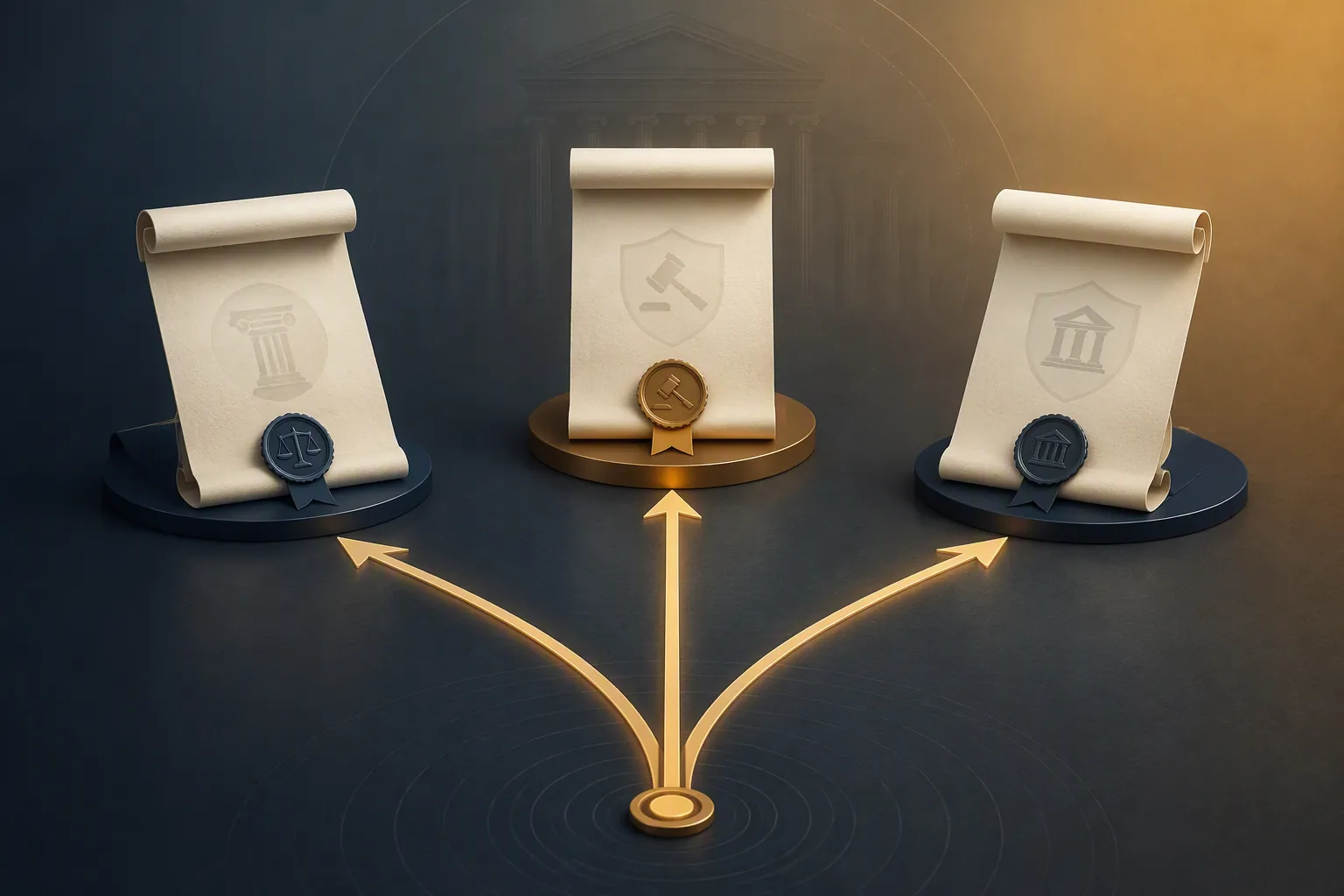
The three claims do not ask for the same proof
The reported claim set is best understood as a pleading stack. Intrusion upon seclusion supplies the familiar privacy-tort footing. California’s computer-fraud statute supplies a statutory route and possible fee leverage. Conversion tries to translate the loss of control over creative files into a property and economic-loss theory. Those routes overlap factually, but a lawyer defending or drafting them would not test them the same way.
| Claim | What it mainly asks the court to care about | Reported factual support | Main litigation pressure point |
|---|---|---|---|
| Intrusion upon seclusion | Intentional invasion into a private matter that would be highly offensive | Alleged hacking of private and creative materials, alleged impersonation, and alleged dark-web sale | Whether the pleaded conduct is sufficiently private and offensive under California privacy-tort standards |
| California Penal Code § 502(e) / CDAFA | Unauthorized access, use, or taking involving computer data, with actual damage or loss supporting civil relief | Reported access to unreleased materials and alleged dissemination or sale | Proving actual damages and keeping remedies straight: compensation, injunctions, and fees, not wiretap-style statutory damages |
| Conversion | Wrongful dominion over property belonging to another | Alleged taking and exploitation of unreleased creative files, plus alleged re-recording and release-date changes | Whether digital files fit California conversion doctrine closely enough to survive challenge |
The most important drafting lesson is that damages cannot be treated as an afterthought. A complaint that alleges embarrassment, confidentiality loss, emergency remediation, re-recording costs, release disruption, and market harm is describing different injuries. Each theory can use some of that material, but not all of it fits each claim equally well.
Intrusion upon seclusion: the cleanest doctrinal fit
The intrusion claim is the least exotic part of the reported lawsuit. California’s intrusion-upon-seclusion framework turns on two basic propositions: the defendant intentionally intruded into a private matter, and the intrusion would be highly offensive to a reasonable person. That is a more disciplined inquiry than the broader public phrase “privacy violation,” and it is why the reported details matter.
Music Business Worldwide reported that the alleged hackers used a lookalike Gmail address to impersonate Grande’s photographer, while The Hollywood Reporter reported allegations that stolen material was sold on the dark web.[2][3] If those allegations are accurately reflected in the complaint, they do more than add color. Impersonation helps show intentional access to a private channel or relationship. Dark-web sale helps move the conduct from unauthorized viewing toward a more aggravated invasion.
For a plaintiff with unreleased creative work and private materials, that distinction can matter. The injury is not limited to the existence of leaked files. It includes the collapse of a private decision-making space: what to record, what to discard, what to release, and when to release it. The intrusion theory gives a court a familiar way to evaluate that harm without first resolving whether a digital file is “property” in the conversion sense.
Its limits are equally familiar. The claim still depends on showing a private matter and a level of offensiveness that the law recognizes. A celebrity plaintiff does not lose privacy by being famous, but counsel should expect the defense to press on expectation-of-privacy boundaries, who had access to the materials before the hack, and whether any alleged disclosure merely amplified material already circulating elsewhere. The reported impersonation and dark-web allegations are useful because they focus the claim on method and intrusion, not only on downstream publicity.
CDAFA § 502(e): useful leverage, but not a penalty machine
The California computer-fraud claim deserves more care than it often gets. Billboard identifies California Penal Code § 502 as one of the reported causes of action.[1] Civil pleading under § 502(e), commonly discussed under the California Comprehensive Computer Data Access and Fraud Act, can be attractive because it gives plaintiffs a statutory vehicle for computer misuse and can support compensatory damages, injunctive relief, and attorneys’ fees.[4][5]
That fee provision is not cosmetic. In a digital-privacy case, the cost of proving access, tracing dissemination, preserving forensic evidence, and litigating against anonymous defendants can quickly become part of the settlement architecture. A viable fee claim can change the defendant’s risk model even when the compensatory damages number is still developing.
But § 502 should not be described as if it automatically supplies statutory damages for every unauthorized access event. Analyses of California computer-fraud remedies distinguish CDAFA relief from the separate $5,000-per-violation statutory damages framework associated with California’s wiretapping statute, Penal Code § 637.2.[4] For a CDAFA claim, the safer remedial vocabulary is compensatory damages, injunctive relief, equitable relief, and potentially reasonable attorneys’ fees—not a borrowed wiretap penalty.
That distinction is not just academic. If a complaint overclaims statutory penalties, it hands the defense an avoidable credibility point. If it pleads actual damage in a concrete way—investigation expense, remediation work, business disruption, altered release plans, or other provable loss—it gives the statutory claim something a court can measure.
Nor should CDAFA be reduced to cases where a system was physically damaged or rendered inoperable. California computer-fraud commentary recognizes that loss of confidentiality can matter even without traditional system damage.[4][5] In a case involving unreleased recordings, creative files, or private footage, the loss is not necessarily that a laptop stopped working. It may be that files intended to remain confidential were accessed, copied, sold, or distributed outside the owner’s control.
That is where the reported Grande allegations are most useful to a § 502 theory. Alleged impersonation can support the unauthorized-access narrative. Alleged dark-web sale can support the seriousness of the taking and dissemination. Reported disruption to release planning can help tie access to measurable harm. The claim becomes weaker if it floats on generalized outrage rather than a pleaded chain from access, to loss of confidentiality, to remedial or business consequences.
Conversion: the tempting claim with the hardest doctrinal edge
Conversion is the claim that should make litigators slow down. It is strategically tempting because it treats the hacked materials not merely as private facts but as assets wrongfully taken or controlled. In a creative-industry case, that can be powerful. Unreleased work has timing value, sequencing value, marketing value, and sometimes replacement-cost value.
Variety reported that Grande alleged she was forced to re-record materials and modify release dates after the hacking and leaks.[6] If that allegation is accurately reflected in the complaint, it gives the conversion theory a concrete economic hook. A court does not have to treat the harm as merely dignitary or reputational; it can look at what changed in the production and release process because the files were allegedly taken or exposed.
That is the attractive version of the claim. The vulnerable version is a conversion count that assumes California law has already settled the status of purely digital files. It has not been treated as comfortably settled in the California-related authorities litigators usually confront. The recurring problem is tangibility: traditional conversion protects possession or control over property, and electronic data does not always fit neatly inside older property categories.
That does not make conversion frivolous. It does mean the complaint needs more than a label. The strongest pleading will identify what files were taken, who had the right to control them, how the defendants exercised dominion inconsistent with that right, and what economic consequence followed. Re-recording and release modification are not decorative facts in that analysis. They are the bridge from “someone copied data” to “the plaintiff lost control over a valuable asset and incurred real costs because of it.”
The defense answer is predictable. Copying a file may not deprive the owner of possession in the same way stealing a physical master recording would. If the plaintiff still has the original files, the defendant may argue that the case is really about confidentiality, privacy, or unauthorized access—not conversion. That is why conversion is the riskiest of the three reported theories. It tries to capture a real commercial injury, but it invites a threshold fight over whether the law’s property vocabulary reaches the digital thing allegedly taken.
The broader music-industry context is relevant, but only briefly
This case does not need to be turned into a celebrity leak chronicle to be legally useful. There is, however, a limited industry-risk point. In March 2026, the FBI’s Nashville field office warned about criminal and cybercriminal activity targeting the music industry and said it had received 55 music-industry data-breach complaints.[7] That number does not prove the allegations in Grande’s case. It simply makes the reported fact pattern less idiosyncratic for counsel advising artists, labels, managers, studios, or vendors that hold unreleased creative material.
The practical question for those lawyers is not whether a famous plaintiff can attract coverage. It is which legal theory best matches the client’s evidence. If the strongest facts concern impersonation, private channels, and offensive access, intrusion upon seclusion is likely to do cleaner work. If the evidence includes unauthorized computer access, loss of confidentiality, investigation costs, or a need for injunctive relief, CDAFA may add statutory structure and fee pressure. If the client can show that specific files were treated as valuable assets and that their taking forced replacement work or release disruption, conversion may be worth pleading with the doctrinal risk stated plainly.
Pleading strategy after Grande
The reported Grande complaint is most useful as a map of trade-offs. The privacy tort gives doctrinal footing. CDAFA gives a statutory access theory and possible attorneys’ fees, provided the plaintiff pleads actual damages rather than importing remedies from another statute. Conversion gives the most direct language for asset loss and creative disruption, but it is also the count most likely to draw a doctrinal challenge over digital property.
For a similar plaintiff, the order of operations should be disciplined. Plead the established privacy claim where the facts support a private matter and highly offensive intrusion. Plead § 502 where unauthorized access and actual loss can be supported with evidence. Plead conversion only when the complaint can identify the digital materials with specificity, connect them to control and value, and tolerate a serious argument over whether the theory fits California conversion law. That is the litigation-risk lesson in the case, regardless of how the public leak cycle packages it.
References
- Ariana Grande Lawsuit Sues Hackers Over Music Leaks, Billboard.
- Ariana Grande Sues Over Yearslong Hacking Campaign, Music, The Hollywood Reporter.
- Ariana Grande sues unnamed hackers over theft of unreleased music sold on the dark web, Music Business Worldwide.
- California Penal Code 502 Computer Fraud Civil Remedies, Kolmogorov Law.
- California’s Computer Hacking Laws: What You Need to Know, Stimmel Law.
- Ariana Grande Sues Hackers for Leaking Unreleased Music and Footage, Variety.
- FBI Nashville Warns Tennesseans About Criminal and Cybercriminal Activity Targeting the Music Industry, FBI, March 2026.
Related records
Tool profile
How Meta's AI Spending Reshapes Law Firm ProfitabilityGoverning regulation
Browse the obligations tracker →Preventive workflow
Browse verification workflows →
Report a correction or tip
Spotted an outdated figure, a misstated fact, or a ruling this case record should reflect? Public comments are disabled for this content given the professional cost of a misreported case outcome, penalty amount, or rule text — use the structured correction channel instead.
Report a correction or tip for this record →