
Check Your Amazon Prime Settlement Eligibility Online
Learn how to verify your Amazon Prime settlement eligibility online before the July 27, 2026 deadline, including the three cumulative criteria, the official claim portal, and how to spot scammers.
- Jurisdiction
- jurisdiction-us-federal
- Court
- U.S. Federal Court
- AI tool named
- Amazon Prime
- Ruling date
- Sep 25, 2025
- Source document
- View primary court order ↗
- Last verified
- Jul 26, 2026
Lex Machina Review is an independent risk-tracking and reference resource. Nothing on this site is legal advice, and using it does not create an attorney-client relationship. Every record is reviewed against primary sources but may not reflect the most current status of a matter — always verify directly against the cited court order, rule text, or a licensed attorney before relying on it.
Companion explanation — secondary to the source document above
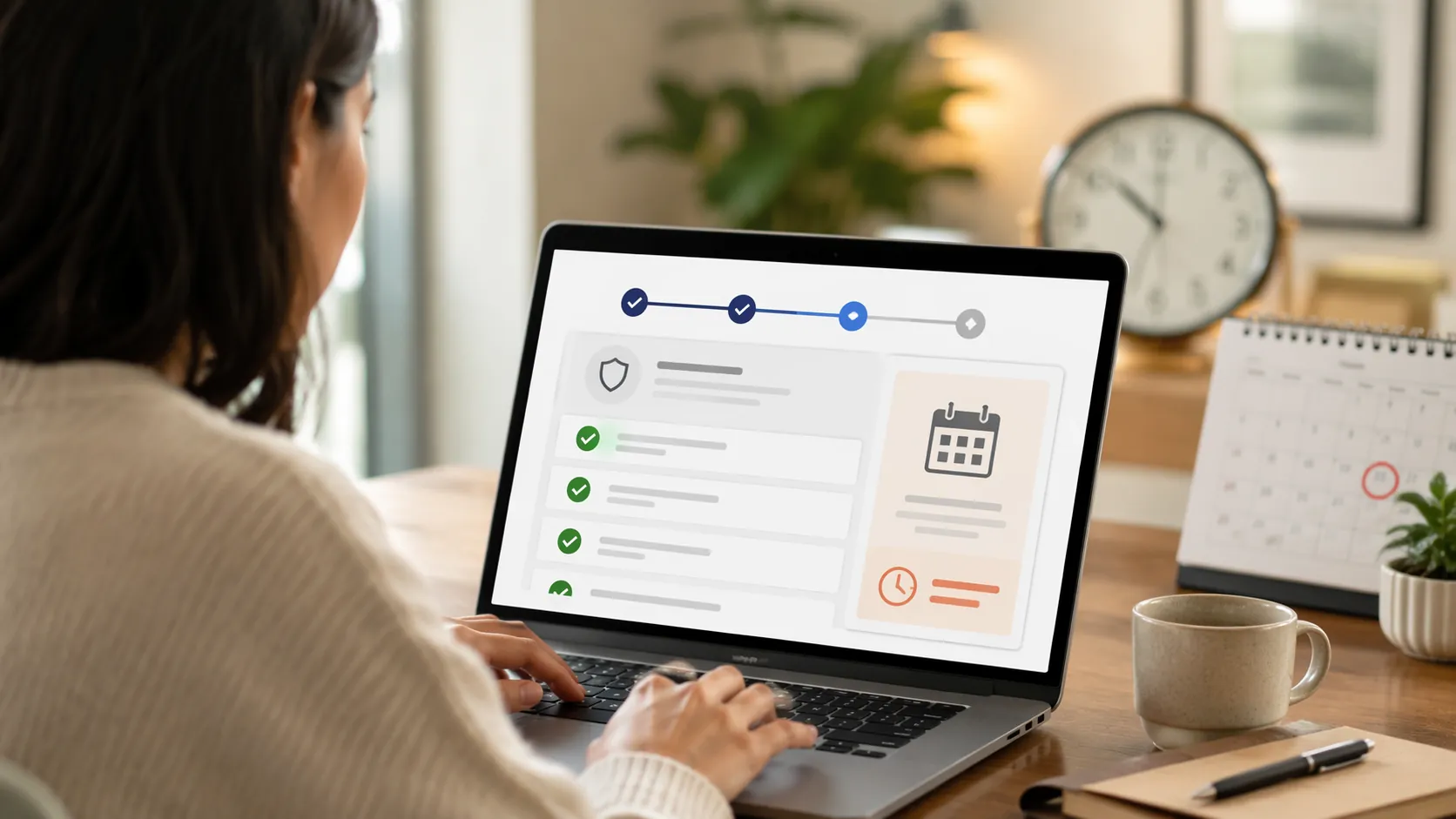
If you are trying to run an Amazon Prime settlement eligibility check online on July 26, 2026, start with the official route: use subscriptionmembershipsettlement.com, preferably reached from the FTC’s Amazon Refunds page, and file before the July 27, 2026 deadline if all eligibility conditions apply. The FTC identifies that portal as the place to submit a claim, and its refund page says claim forms must be submitted by July 27, 2026.[1]
Do not use a third-party “eligibility checker,” do not pay a fee, and do not follow a text, email, or phone message that says it can speed up the refund. The FTC has warned consumers that it will never contact them about this refund, which makes unsolicited messages about identity verification or payment release especially dangerous.[2]
Use the FTC-Linked Portal First
The safe path is short: go to the FTC’s Amazon Refunds page, confirm that it points to subscriptionmembershipsettlement.com, then follow the claim instructions there. The FTC’s page describes the claim ID and PIN process and identifies the official settlement administrator workflow.[1]
That source order matters because settlement-fraud pages often copy the words that make a site sound legitimate. A real-looking domain, a countdown timer, or an “Amazon Prime refund” banner is not enough. The authoritative question is whether the FTC page sends you there.
The portal itself may require claim-specific information, so workflow details should be treated as coming from FTC materials and consumer reporting that has described the filing process, not from an open public page that can be fully inspected without credentials. That distinction is not a technical footnote. It is how a rushed consumer avoids letting a search result outrank the regulator.
The Three Eligibility Conditions Must All Be True
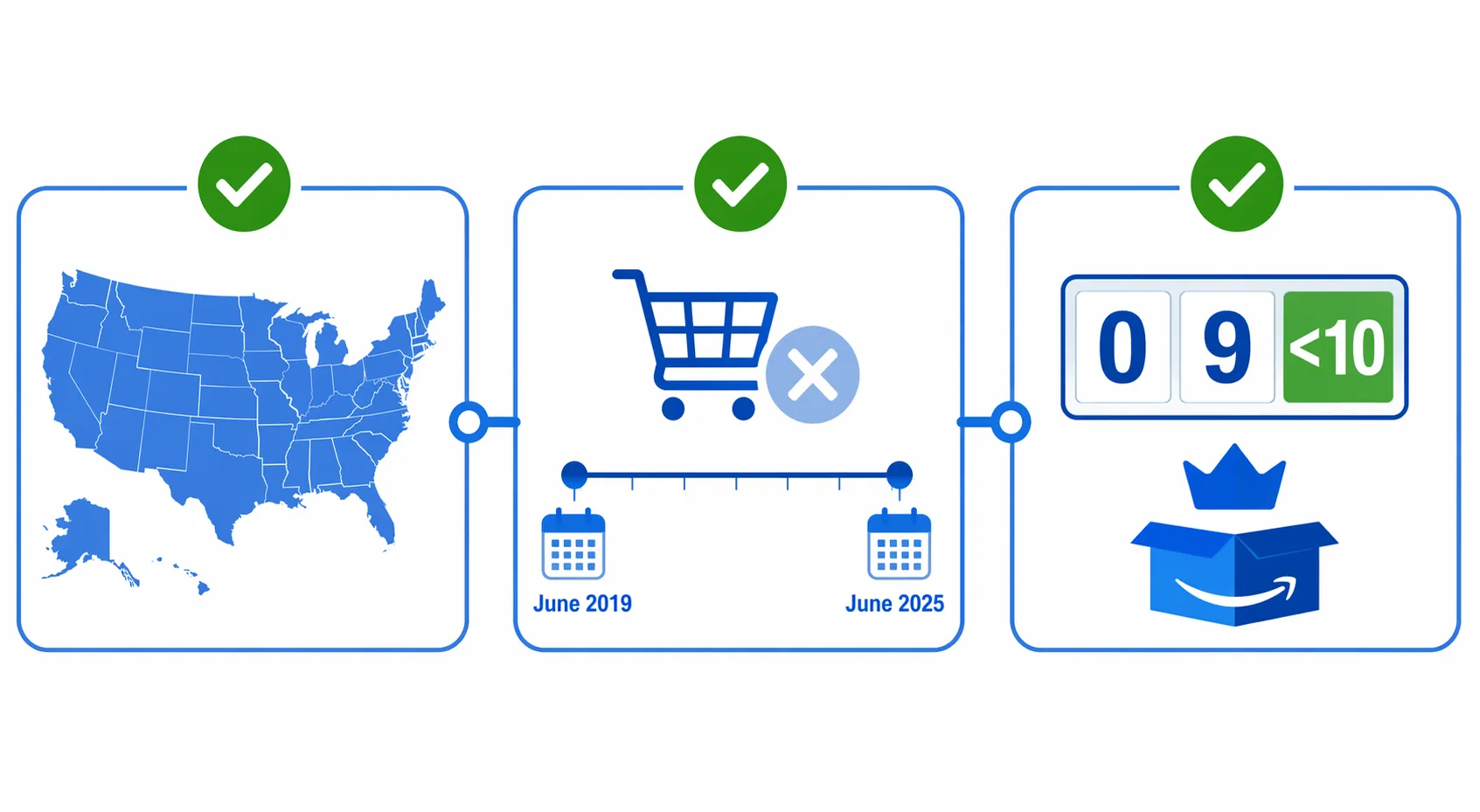
The Amazon Prime settlement eligibility test is cumulative. Meeting one condition does not make a person eligible by itself. The FTC’s consumer alert describes three requirements: U.S. residency, a qualifying enrollment or cancellation experience during the covered period, and fewer than 10 Prime benefits used in any 12-month period.[3]
| Eligibility point | What to check |
|---|---|
| Residency | You must be a U.S. resident. |
| Prime enrollment or cancellation experience | You must have enrolled through one of the challenged Prime flows or unsuccessfully tried to cancel Prime between June 23, 2019 and June 23, 2025. |
| Prime benefit usage | You must have used fewer than 10 Prime benefits in any 12-month period. |
1. You must be a U.S. resident
The FTC’s eligibility alert limits the refund program to U.S. residents.[3] If the claim form asks for address or identity-related information, that is part of the official channel’s screening process. It is not a reason to give the same information to someone who contacted you first.
2. Your Prime experience must fall within the covered period and flow
The covered period runs from June 23, 2019 through June 23, 2025. During that window, the FTC says eligible consumers must either have enrolled through one of four challenged Prime flows or have unsuccessfully tried to cancel Prime.[3]
- Universal Prime Decision Page
- Shipping Option Select Page
- Prime Video enrollment flow
- Single Page Checkout
A consumer does not need to remember those internal page names perfectly to begin the official check. The practical question is whether the portal can match the person’s Amazon account, claim ID, or submitted information to the FTC-defined criteria. What matters for decision-making is that a vague memory of having Prime is not enough; the settlement is tied to specified enrollment and cancellation experiences in a specified time window.
3. You must have used fewer than 10 Prime benefits in any 12-month period
The fewer-than-10-benefits condition is the part many quick summaries underplay. The FTC’s alert says eligibility requires that the consumer used fewer than 10 Prime benefits in any 12-month period.[3] That is not the same as rarely using Amazon, regretting a membership, or canceling later. It is a usage threshold connected to the refund program.
If you have a claim ID or PIN, use it in the official portal. If you do not, the portal process may still allow a filing route based on consumer information, but the safest way to determine that is through the FTC-linked portal itself rather than through a search ad or private “help” page.[1]
What the Settlement Amount Means — and What It Does Not
The FTC announced a $2.5 billion settlement with Amazon, including $1.5 billion for consumer refunds and a $1 billion civil penalty. The agency described it as the largest civil penalty in a case involving an FTC rule violation.[4]
For an individual claimant, the headline number is less important than the cap and the deadline. The maximum reported payout is $51, and filing a claim does not mean every person who remembers a confusing Prime interaction will receive payment. The administrator still has to review the claim against the eligibility rules.
The challenged conduct involved Prime enrollment and cancellation design, but this is not the moment to turn the claim process into a broad design-policy debate. A consumer at the deadline needs to know whether the official portal recognizes a covered account history, whether the usage threshold applies, and whether the submission was made on time.
After You File
The FTC’s Amazon Refunds page says claims will be reviewed within 30 days and that payments are expected by September 2026.[1] That is an administrator-stated timeline, not a guaranteed mailing date for every claimant.
Once a claim is submitted, save confirmation information from the official process. Do not treat a later message asking you to “confirm” banking details, pay taxes, or unlock a faster payment as part of the normal process simply because it mentions Amazon, Prime, the FTC, or the $51 cap.
The Scam Rule Is Simple: The FTC Will Not Contact You About This Refund
The FTC has been unusually direct about this refund: it says it will never contact consumers about the Amazon Prime settlement refund.[2] That warning should settle most edge cases. A call, text, email, direct message, or pop-up that says the FTC, Amazon, or a refund agent needs a fee or identity verification should be treated as fraudulent.
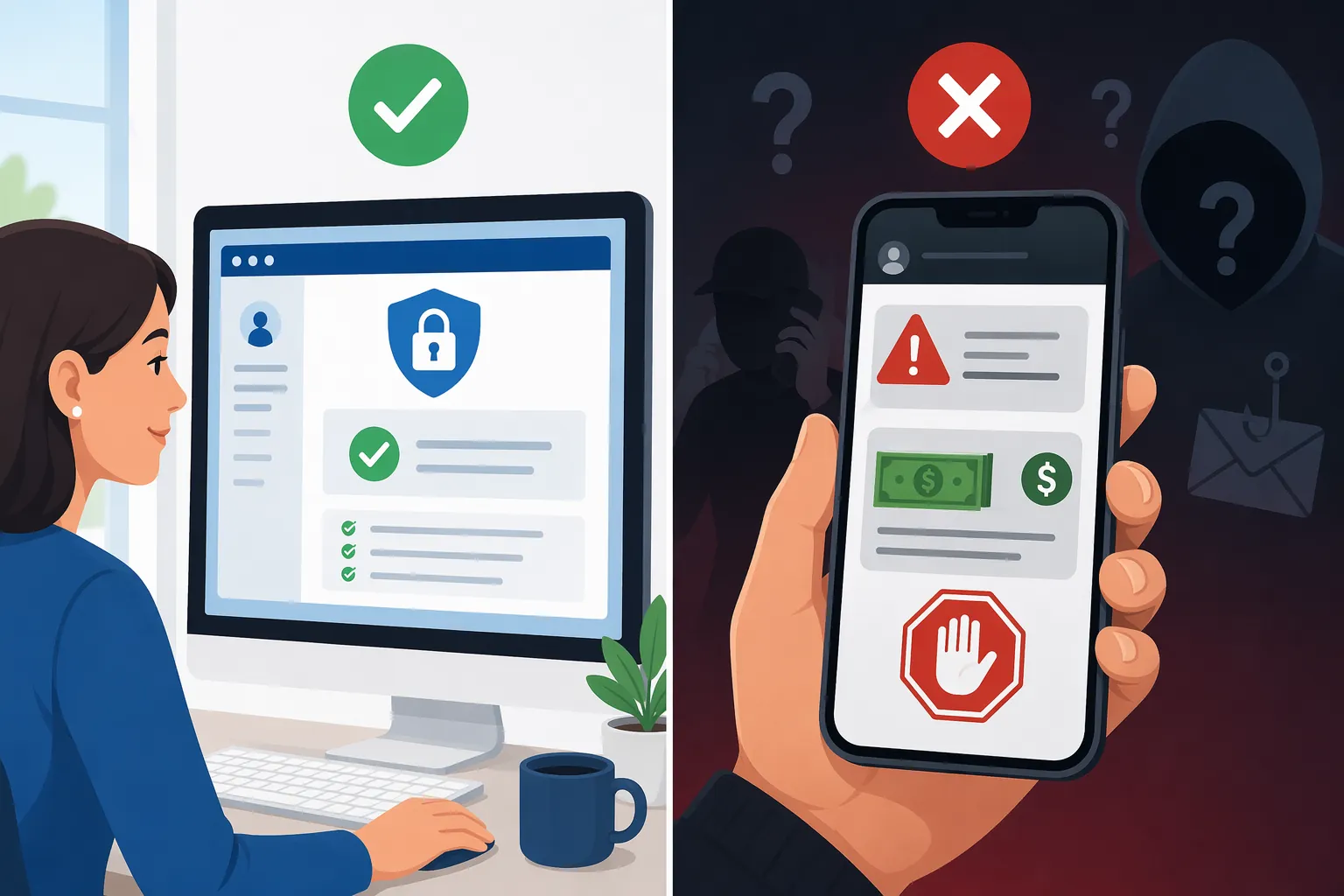
- Do not pay a processing fee, release fee, tax prepayment, or verification charge.
- Do not enter a Social Security number, bank login, payment-app login, or one-time code through a link sent to you.
- Do not trust a promise of faster payment or higher payout.
- Do not assume a message is real because it uses your name, Amazon branding, or settlement language.
- Do return to the FTC Amazon Refunds page and the official portal if you need to check status or instructions.
Settlement fraud is not theoretical. A Jones Day white paper reported that one claims administrator received 80 million fraudulent claims in 2023, a 19,000% increase from 2021, in a discussion of rising fraudulent claims and digital payment systems.[5] That is one administrator’s report, not a proven industry-wide total, but it explains why a last-day refund search is an attractive target.
The practical refusal rule is stronger than trying to inspect every message for clues: if the contact came to you and asks for money, credentials, or identity verification to get this refund, do not continue. Use FTC sources, the official portal, and the FTC’s fraud-reporting channels if something looks wrong.
References
- Amazon Refunds, FTC, ftc.gov/enforcement/refunds/amazon-refunds
- Questions about your Amazon Prime settlement refund? Read on, FTC, January 2026, consumer.ftc.gov/consumer-alerts/2026/01/questions-about-your-amazon-prime-settlement-refund-read
- Who’s eligible for a refund from Amazon?, FTC, September 2025, consumer.ftc.gov/consumer-alerts/2025/09/whos-eligible-refund-amazon
- FTC Secures Historic $2.5 Billion Settlement Against Amazon, FTC, September 25, 2025, ftc.gov/news-events/news/press-releases/2025/09/ftc-secures-historic-25-billion-settlement-against-amazon
- Rising Fraudulent Claims Submitted to Class Action Settlement Funds, Jones Day, June 2024, jonesday.com/en/insights/2024/06/rising-fraudulent-claims-submitted-to-class-action-settlement-funds
Related records
Tool profile
Browse tool evaluations →Governing regulation
Browse the obligations tracker →Preventive workflow
Browse verification workflows →
Report a correction or tip
Spotted an outdated figure, a misstated fact, or a ruling this case record should reflect? Public comments are disabled for this content given the professional cost of a misreported case outcome, penalty amount, or rule text — use the structured correction channel instead.
Report a correction or tip for this record →