
Why the Kash Patel Lawsuit Was Dismissed for Lack of Jurisdiction
The court dismissed Kash Patel's defamation lawsuit against a California blogger because posting about national politics does not create personal jurisdiction in Nevada. This record details the procedural ruling and why it does not address the truth of the statements.
- Jurisdiction
- US - Nevada
- Court
- U.S. District Court for the District of Nevada
- Judge
- Andrew P. Gordon
- AI tool named
- None
- Ruling date
- Jul 25, 2026
- Source document
- View primary court order ↗
- Last verified
- Aug 1, 2026
Lex Machina Review is an independent risk-tracking and reference resource. Nothing on this site is legal advice, and using it does not create an attorney-client relationship. Every record is reviewed against primary sources but may not reflect the most current status of a matter — always verify directly against the cited court order, rule text, or a licensed attorney before relying on it.
Companion explanation — secondary to the source document above
The legal reason the Kash Patel lawsuit was dismissed was personal jurisdiction. In Patel v. Stewartson, Chief Judge Andrew P. Gordon of the District of Nevada dismissed the defamation action on July 25, 2026 under Rule 12(b)(2), holding that the California defendant’s online posts did not create minimum contacts with Nevada. The same order vacated the earlier default judgment under Rule 60(b)(4), because a judgment entered without personal jurisdiction is void. The court did not decide whether the challenged statements were true, false, defamatory, or protected opinion. [1]
That distinction is the useful part of the record. A dismissal after default can look, from a distance, like a merits reversal or a judicial endorsement of one side’s account. This was neither. The court’s ruling was about Nevada’s power to bind an out-of-state online speaker on the record before it.

How the case got back to personal jurisdiction
Patel filed the Nevada action in June 2023. The docket then moved through the kind of service and default sequence that can obscure the threshold question if no one stops to ask whether the forum had authority over the defendant in the first place: unexecuted summons returns, a Rule 4(m) notice, a summons returned executed on October 7, 2023, clerk’s default, and eventually an August 2025 default judgment for $250,000. Later motion practice brought the case back to the beginning, with Stewartson seeking dismissal and relief from the default judgment. [2]
The service story should be handled carefully. The docket reflects a summons returned executed in October 2023. Stewartson’s reported account was that he did not learn of the default judgment until later, from media coverage. The July 2026 order did not require a mini-trial over every service-side factual dispute to resolve the dispositive issue. The court instead addressed whether Nevada had personal jurisdiction over him at all. [1][2]
Once that question was answered no, the procedural posture mattered less than it first appeared. Default does not manufacture jurisdiction. A defendant’s failure to appear may admit well-pleaded allegations for some purposes, but it does not give a federal court power over a person whom the forum cannot constitutionally reach.
The missing Nevada contact
The jurisdictional analysis turned on the familiar path for intentional-tort claims involving speech: the Calder effects test as applied through Ninth Circuit minimum-contacts doctrine. The relevant question was not simply whether Patel lived in Nevada, whether he felt reputational harm there, or whether the posts could be read there. The court asked whether Stewartson purposefully directed conduct at Nevada. [1]
Judge Gordon treated the posts as national-political commentary rather than Nevada-directed conduct. The order described the alleged statements as aimed at “the American body politic writ large,” not at Nevada as a forum. That phrasing does real work. Speech about a national political figure, controversy, or audience may foreseeably be read in every state, but foreseeability of nationwide readership is not the same thing as purposeful availment of, or purposeful direction toward, one state. [1]
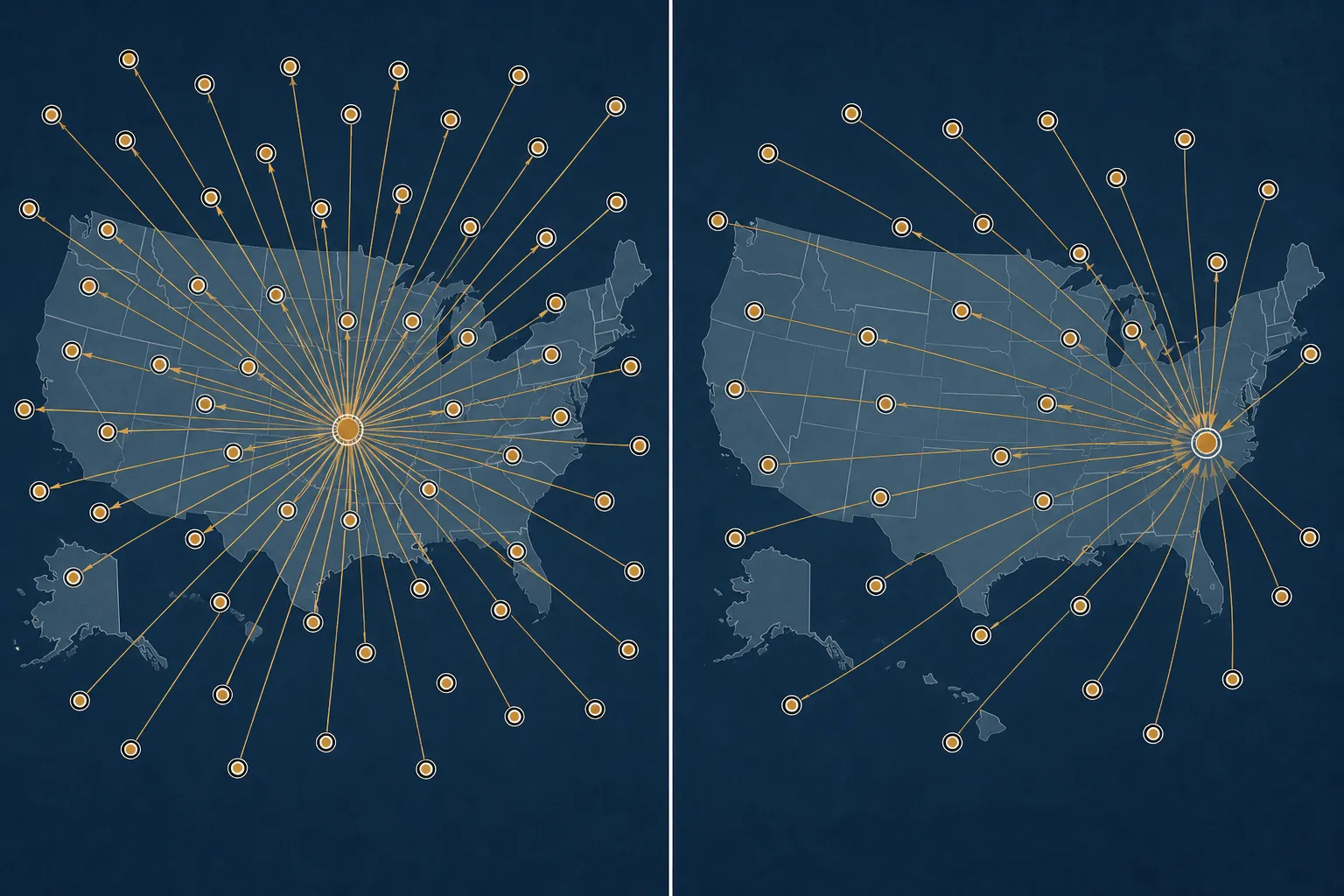
The order also rejected the idea that tagging a Nevada resident in posts about national politics, standing alone, supplied the missing contact. A tag may make a post more visible to a person, and it may make harm more foreseeable where that person lives. But the court did not treat the tag as conduct expressly aimed at Nevada itself. On this record, the forum contact still ran through the plaintiff’s residence, not through defendant-side activity connecting Stewartson to Nevada. [1]
That is the point most likely to matter outside this case. In online-speech litigation, plaintiffs often have a real injury in their home forum. But personal jurisdiction is not a general injury-location rule. The constitutional inquiry is defendant-centered: what did the defendant do that connects him to the forum state, not merely to a person who happens to reside there.
The same distinction appears in other speech and reputation cases where Rule 12(b)(2) does more than tidy up venue. For a related procedural comparison, see this analysis of the UnitedHealth defamation dismissal, which likewise separates jurisdictional reach from the merits of the alleged defamation.
Why the default judgment could not survive
The jurisdictional ruling also explains why the August 2025 default judgment disappeared. The court vacated it under Rule 60(b)(4), which addresses void judgments. This was not ordinary discretionary relief from default, where a court weighs neglect, prejudice, defenses, and timing. If the court lacked personal jurisdiction from the start, the judgment was void ab initio. [1]

That consequence can feel severe after a long default path. The docket had already produced a clerk’s default and a six-figure judgment. But a void judgment is not merely defective in a way a court may overlook. It is a legal nullity. Once Judge Gordon concluded Nevada lacked personal jurisdiction, there was no residual equitable power to preserve the default judgment because the case had consumed time or because the defendant had litigated late. [1][2]
The fee issue followed the same line. The order criticized Stewartson, stating that he “wasted the plaintiffs’ and the court’s time.” That criticism did not change the jurisdictional result. Because the court lacked personal jurisdiction, it also lacked authority to award fees against him in the case. The court’s annoyance with the litigation history therefore could not become a monetary sanction preserved inside a void jurisdictional frame. [1]
For lawyers, this is the practical warning in the order. Default may give a plaintiff momentum, but it does not cure a forum problem. If personal jurisdiction is weak at filing, every later docket event sits on that same footing.
What the order did not decide
The challenged language in the case included highly charged political accusations and insults, including phrases such as “Kremlin asset,” “guilty of sedition,” and “blatantly incompetent chud.” The court’s dismissal did not adjudicate those phrases. It did not hold them true. It did not hold them false. It did not decide whether they were actionable factual assertions, rhetorical hyperbole, protected opinion, or defamatory statements made with the required fault. [1]
That is why the answer to “why was the Kash Patel lawsuit dismissed?” should not be shortened to “because the statements were protected” or “because Patel could not prove defamation.” The court never reached those questions. It stopped at the forum’s power to hear the dispute against this defendant on this record.
Nor did the dismissal decide whether Patel could attempt a claim somewhere else. As of the July 25, 2026 order, the ruling established that Nevada lacked personal jurisdiction over Stewartson in this action. It did not impose a merits bar preventing a suit in a forum that could exercise jurisdiction, subject of course to whatever substantive defenses and limitations would apply there. [1]
Related Patel-linked litigation and commentary may involve different questions, including actual malice or anti-SLAPP defenses. Those questions belong to their own records. The Nevada dismissal in Patel v. Stewartson is narrower and cleaner: national political speech plus a tag of a Nevada resident did not create Nevada minimum contacts, so the federal court lacked personal jurisdiction, and the default judgment had to be vacated as void.
References
- Order, Patel v. Stewartson, ECF No. 58 — CourtListener — July 25, 2026
- Patel v. Stewartson, Docket No. 67480208 — CourtListener
Related records
Tool profile
Browse tool evaluations →Governing regulation
Browse the obligations tracker →Preventive workflow
Browse verification workflows →
Report a correction or tip
Spotted an outdated figure, a misstated fact, or a ruling this case record should reflect? Public comments are disabled for this content given the professional cost of a misreported case outcome, penalty amount, or rule text — use the structured correction channel instead.
Report a correction or tip for this record →