
What Did the Netflix Kohberger Documentary Miss About the Case?
The Netflix documentary 'The Idaho Murders: College Nightmare' presents the state's evidence in unprecedented detail, but the Bryan Kohberger case has already entered a new procedural phase—a post-conviction plea withdrawal—that the filmmakers could not address. This article separates the documentary's revelations from the current legal status and explains what the latest filing means.
- Jurisdiction
- US-Idaho
- Court
- Latah County District Court
- AI tool named
- Cellebrite
- Ruling date
- Jul 23, 2025
- Source document
- View primary court order ↗
- Last verified
- Jul 30, 2026
Lex Machina Review is an independent risk-tracking and reference resource. Nothing on this site is legal advice, and using it does not create an attorney-client relationship. Every record is reviewed against primary sources but may not reflect the most current status of a matter — always verify directly against the cited court order, rule text, or a licensed attorney before relying on it.
Companion explanation — secondary to the source document above
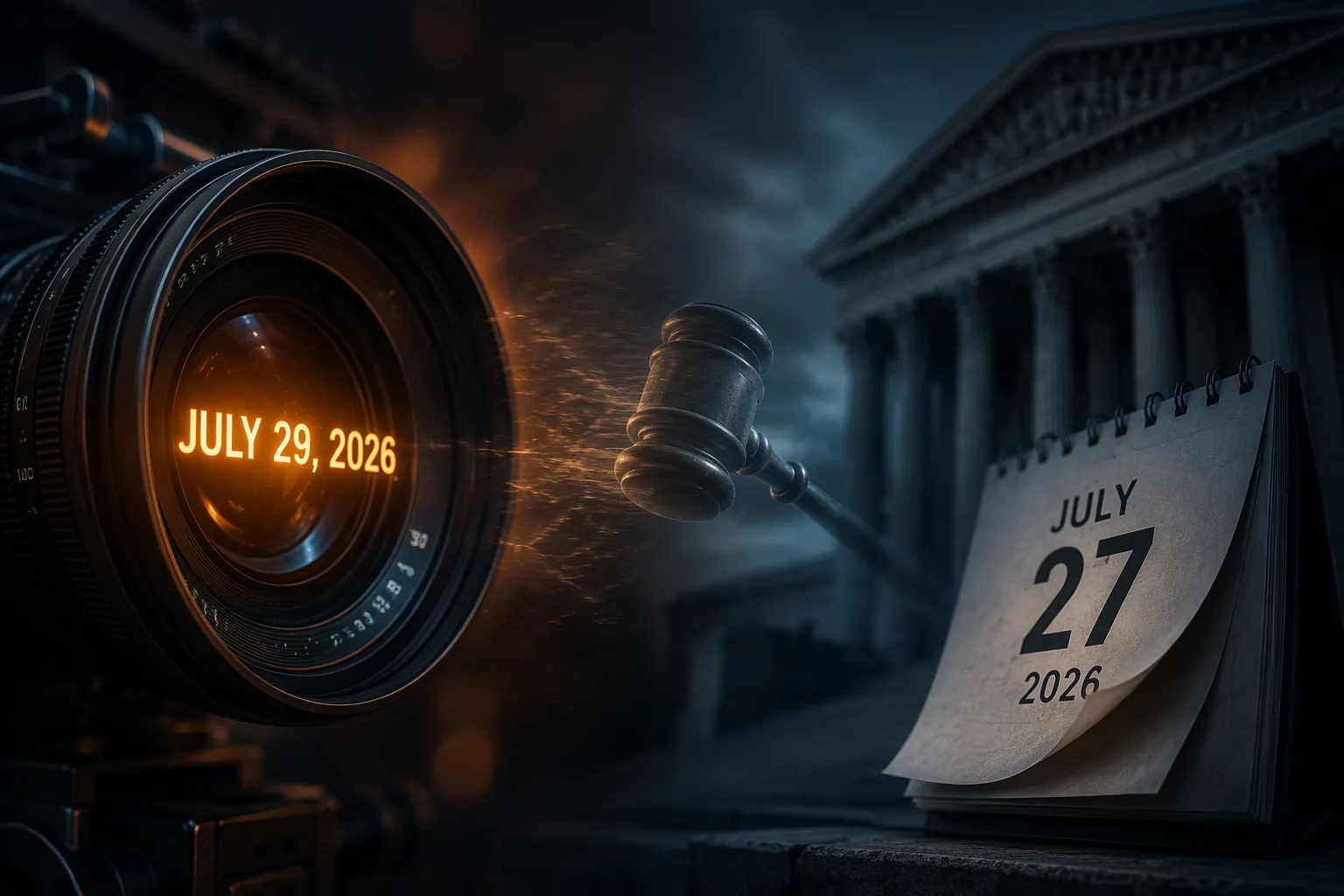
Netflix’s The Idaho Murders: College Nightmare premiered on July 29, 2026. Two days earlier, Bryan Kohberger had already filed a post-conviction petition seeking to withdraw the guilty plea that ended the criminal case against him in 2025.[1][2] That two-day gap is easy to miss: the film belongs to the evidence record as presented for viewers, while the court file has moved into a separate procedural fight.
The distinction matters because the documentary is not stale in the ordinary sense. It arrived with unusual access: police bodycam footage, interviews with victims’ family members, and forensic-device material presented through Cellebrite analysis, all packaged by filmmakers who said they wanted to center the four victims rather than make Kohberger the dramatic core.[1] But a documentary released after judgment is not a docket update. It can show what the prosecution had assembled; it cannot decide what a court now does with a plea-withdrawal petition filed after conviction.
The filing the documentary could not cover
Kohberger’s July 27, 2026 petition is not an ordinary pretrial maneuver. By the time he filed it, he had already accepted a plea deal, formally pleaded guilty, and been sentenced. CNN reported that the petition claims ineffective assistance of counsel, alleged false promises about prison conditions, and coercion; the same report said Kohberger is now representing himself.[2]
| Date | Event | Why it matters now |
|---|---|---|
| June 30, 2025 | A plea deal was reported.[3] | The case moved away from trial toward a negotiated resolution. |
| July 2, 2025 | Kohberger formally pleaded guilty.[4] | The plea created a sworn record that now complicates any later attempt to undo it. |
| July 23, 2025 | He was sentenced to four consecutive life terms without parole, plus burglary-related punishment and fines.[4] | The criminal case had reached judgment. |
| July 27, 2026 | He filed a post-conviction petition seeking to withdraw the plea.[2] | The case entered a new procedural phase. |
| July 29, 2026 | Netflix premiered The Idaho Murders: College Nightmare.[1] | The documentary arrived after the new filing, so it could not address the current posture. |
That chronology is the cleanest way to read the latest filing. Before sentencing, plea withdrawal is already a serious request. After sentencing, the burden becomes heavier. CNN’s July 28 expert analysis identified Idaho Rule 33(c) as the governing framework and described the standard as “manifest injustice.” University of Idaho law professor Samuel Newton assessed Kohberger’s chances as “slim to none” under that standard.[5]
The ineffective-assistance claim has its own hurdle. CNN legal analyst Joey Jackson described the standard in terms of an “egregious error,” not ordinary dissatisfaction with lawyers after the consequences of a plea become real.[5] That is especially important here because a guilty plea is not merely a private agreement between defense counsel and prosecutors. It is usually tested in open court through a colloquy, where the judge asks whether the defendant understands the plea, the rights being surrendered, and the factual basis for guilt.
CNN’s expert piece emphasized the practical obstacle created by Kohberger’s sworn plea colloquy, including his “Yes, I am guilty” response.[5] A later petition can allege coercion or false promises, but it must contend with that record. The court will not be deciding whether the documentary was persuasive. It will be deciding whether the plea record should be disturbed under a high post-conviction standard.
The plea also left one question unanswered because it did not have to answer it: motive. No motive was established, and the plea deal did not require Kohberger to explain why the killings occurred.[3] That absence is frustrating for viewers, but a film cannot legitimately supply a legal finding that the plea did not contain.
What Netflix did put on screen
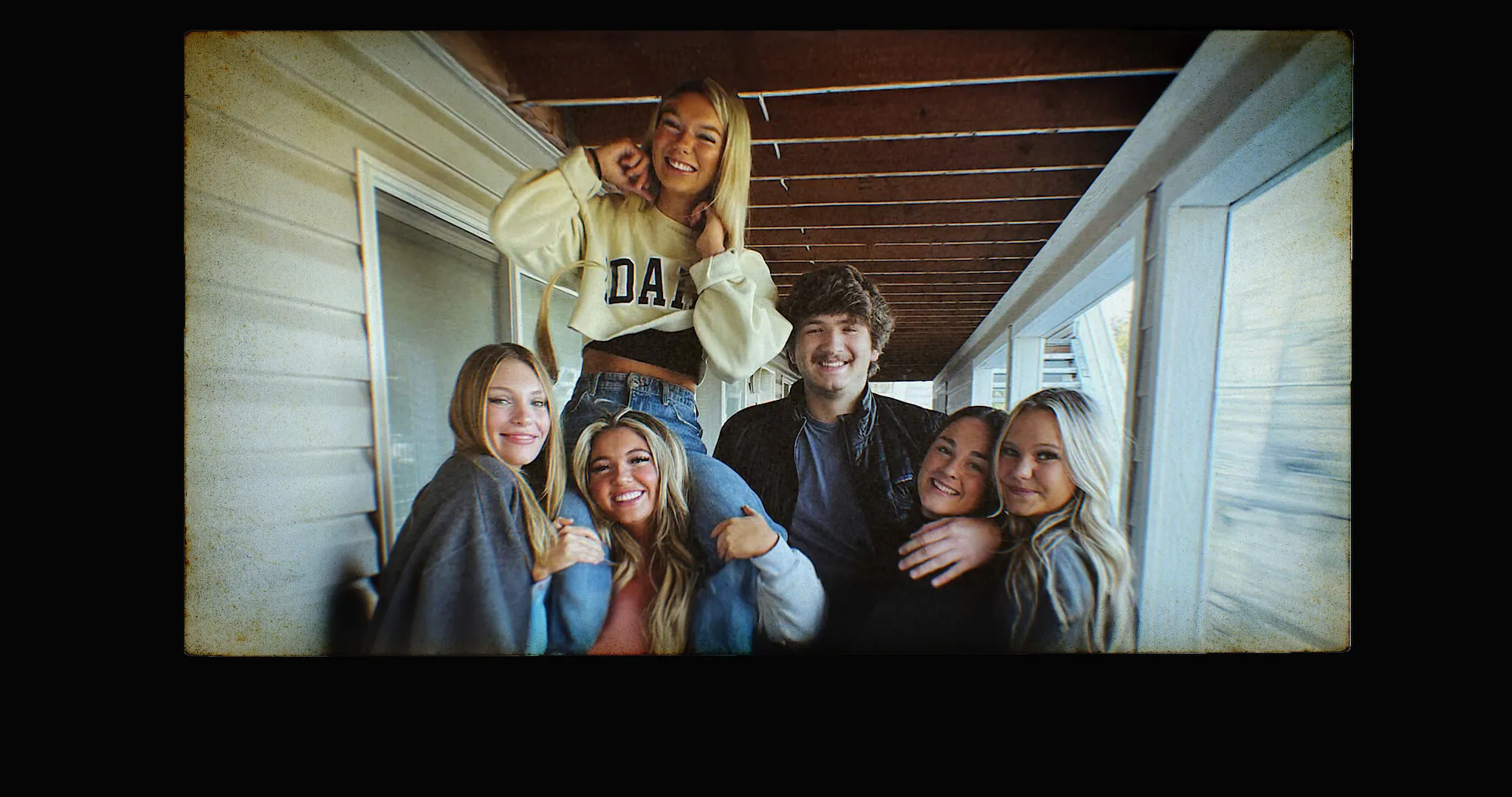
The Netflix series is still significant because it gathers, in visual form, a large amount of the state’s case theory and supporting material. Netflix’s own Tudum article framed the project as one that deliberately foregrounded the four victims, and it described access to police bodycam footage, victim-family interviews, and Cellebrite forensic data.[1] That is why the series can fairly be treated as the fullest visual presentation of the evidence currently available to general viewers.
It should also be separated from other streaming projects that now sit near it in search results. Peacock’s The Idaho Student Murders and Amazon Prime’s One Night in Idaho are different productions; this article is concerned with Netflix’s July 2026 series and the legal posture that changed just before its release.
The phone and search material, as reported from the film
E! Online’s account of the documentary reported several device-related claims attributed to the film’s presentation of Cellebrite analysis: Kohberger allegedly had only 18 phone contacts, made incognito searches for terms including “serial killer,” “psychopaths paranoia,” and “wiretapping,” and used a VPN.[6] Those are documentary claims as reported by a secondary outlet, not findings this article can independently test from the underlying forensic extraction.
That caveat is not a dismissal. Forensic-device evidence can be powerful, but its force depends on collection, extraction, interpretation, and context. A low contact count may look unusual to a viewer; whether it is legally meaningful depends on what the state can prove about the device, the user, the time period, and comparison points. Incognito searches may sound incriminating; their evidentiary role depends on attribution and timing. The documentary can display these claims in a compelling sequence, but the available sources do not allow a reader to audit the Cellebrite methodology.
Movement evidence and the white Hyundai Elantra
E! Online also reported that the documentary described cell-tower pings showing 23 late-night visits to the King Road area beginning in July 2022; a phone-off window from 2:54 a.m. to 4:48 a.m. on the night of the murders; and surveillance video of a white Hyundai Elantra entering Moscow at 2:54 a.m. and fleeing at 4:20 a.m.[6] These details are part of why the film functions as a visual evidence record rather than merely a retrospective true-crime narrative.
The timing evidence matters because it shows how the state’s theory could be built from overlapping strands: cellular location information, a period when the phone was allegedly off, and vehicle surveillance. It also explains why the documentary spends so much time on chronology and movement rather than personality speculation.
The autopsy figures should be handled carefully
Biography.com, citing unsealed records, reported that Xana Kernodle suffered 67 stab wounds and that the four victims suffered more than 150 combined wounds.[7] Those figures are part of the documented brutality of the case. They also mark the place where precision can become voyeurism if it is detached from the legal record and the victims’ identities.
Where the documentary and the docket now separate
The Netflix series can be the most complete visual account of the state’s evidence and still miss the case’s current legal posture. That is not a contradiction. It is a consequence of release timing. The documentary appears to have frozen the evidence record just before a new filing changed the question from what the prosecution had assembled to whether a completed guilty plea can be withdrawn after conviction.
That new question is narrower than many viewers may expect. A plea-withdrawal petition does not reopen every factual dispute by default. It asks a court to look at the plea process, the alleged conduct of counsel, the alleged promises or coercion, and the sworn record already made in court. Under the manifest-injustice standard described in CNN’s expert analysis, the path is steep.[5]
So the useful update is limited but important: The Idaho Murders: College Nightmare may be the strongest visual presentation of the evidence against Kohberger, but it is not the last procedural word. The last procedural word, for now, is the July 27, 2026 petition, and any attempt to withdraw the plea now faces a high legal bar.
References
- The Idaho Murders: College Nightmare — Netflix Tudum.
- Idaho Kohberger plea — CNN, July 27, 2026.
- Bryan Kohberger update plea deal — CNN, June 30, 2025.
- Bryan Kohberger sentence Idaho murders — CBS News.
- Experts Bryan Kohberger plea deal reversal — CNN, July 28, 2026.
- The Idaho Murders: College Nightmare documentary revelations — E! Online.
- Autopsy findings in the Idaho murders case — Biography.com.
Related records
Tool profile
Browse tool evaluations →Governing regulation
Browse the obligations tracker →Preventive workflow
Browse verification workflows →
Report a correction or tip
Spotted an outdated figure, a misstated fact, or a ruling this case record should reflect? Public comments are disabled for this content given the professional cost of a misreported case outcome, penalty amount, or rule text — use the structured correction channel instead.
Report a correction or tip for this record →