
Signs of a NeeDoh Microwave Burn and the Safety Warning
NeeDoh microwave burns are a documented injury: the toy's exterior can feel cool while the heated contents injure a child's thinner skin, and the clinging gel keeps burning after contact, so a mild-looking surface may hide a deeper burn. Parents can learn to recognize the burn at each severity level, understand what the official safety warning says, and apply the critical first response — prompt gel removal and 10–20 minutes of running water — along with the home remedies to avoid and ER red flags.
Lex Machina Review is an independent risk-tracking and reference resource. Nothing on this site is legal advice, and using it does not create an attorney-client relationship. Every record is reviewed against primary sources but may not reflect the most current status of a matter — always verify directly against the cited court order, rule text, or a licensed attorney before relying on it.
Companion explanation — secondary to the source document above
The hard part about recognizing a NeeDoh microwave burn injury is that the danger does not always announce itself from the outside. A squishy gel toy may feel merely warm, or even cool enough to touch, while heated gel inside is still hot enough to injure a child’s thinner skin. If the shell breaks or leaks, the gel can cling to skin and keep transferring heat after the first contact.
That is the household trap: an adult can check the toy’s surface, make a reasonable judgment, and still miss the heat held inside. Burn surgeon Dr. Justin Savetamal warned in coverage of these injuries that children’s thinner skin changes the timeline: “it doesn’t take that long for something that is 140 degrees to cause a deep burn.” [1]
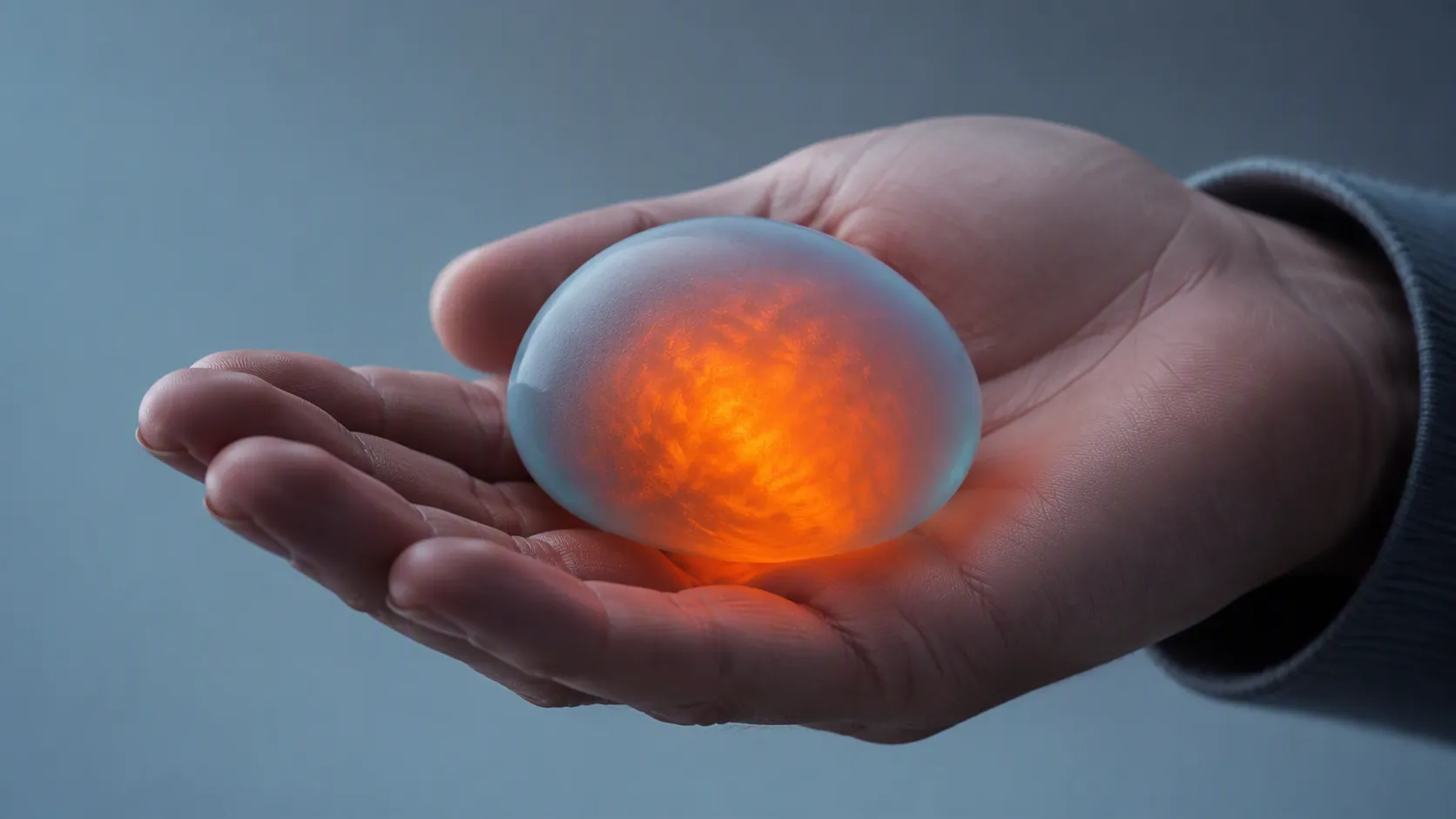
The safety warning is about the heat you cannot feel
The practical safety warning is simple: do not microwave or otherwise heat a NeeDoh-type gel toy, and do not hand a heated one back to a child because the exterior seems tolerable. The outside of the toy is not a reliable temperature test for the contents.
This does not require deciding whether every reported injury proves a product defect. For the parent standing at the sink with a crying child, the more urgent fact is narrower and more useful: when a gel-filled toy has been heated and gel contacts skin, the injury can be worse than the first red patch suggests.
A cool-feeling shell can encourage a delay. Sticky gel can make that delay matter. The response should begin as soon as there is contact with heated contents, not after the burn “declares itself” with a large blister or dramatic color change.
What the burn may look like at first
The first signs may look modest: a pink or red area, stinging, warmth, tenderness, or a child pulling the hand away and refusing to use it normally. With a gel burn, pay close attention to where the gel touched or stuck. A small-looking patch can still be the contact point for heat that remained against the skin.
A mild surface burn usually stays superficial: redness, discomfort, and sensitivity that begins to settle after proper cooling. The reason to stay alert is that a heated-gel injury may not behave like a quick brush against a hot pan. If gel clung to the skin, heat exposure may have lasted longer than the child or caregiver realized.
| What you see or hear | Why it matters |
|---|---|
| Redness, warmth, stinging, tenderness | May be a superficial burn, but watch whether pain and color improve after cooling. |
| Blistering, swelling, shiny or wet-looking skin | Suggests a deeper injury than simple surface irritation and should lower the threshold for medical advice. |
| Pain that worsens after cooling, or a child who cannot comfortably move fingers or the hand | The burn may be deeper or located where swelling and function matter. |
| White, waxy, leathery, dark, or numb skin | Treat as urgent; surface appearance may understate tissue injury. |
Blisters deserve particular caution. They can appear after the first minutes, and they are not a sign to start peeling skin or “draining” the area at home. A blister is part of the injury pattern, and popping it can create a new problem while doing nothing to reverse the burn.
First response: remove the gel and cool the skin
The first minute should be boring and exact. Get the toy away from the child. Remove any clinging gel promptly and gently. Then cool the burned area under running water for 10 to 20 minutes. The cooling step is not a quick rinse; it is the main intervention that can limit continuing heat injury.
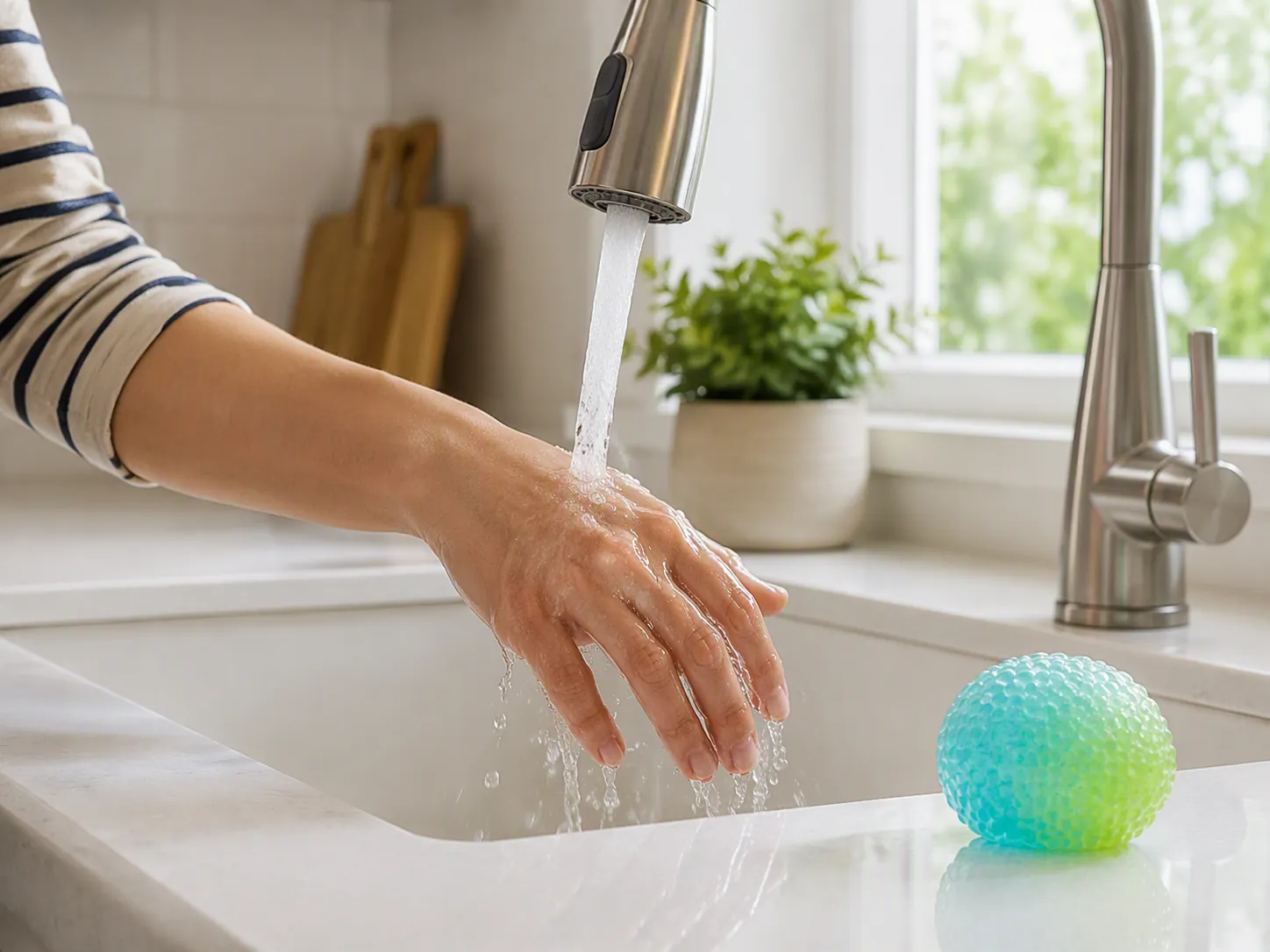
- Move the child away from the toy and any spilled gel.
- If gel is on the skin, remove it gently. If running water helps loosen it, use the water rather than scraping hard.
- Place the burned area under cool running water for 10 to 20 minutes.
- Remove nearby rings, bracelets, tight sleeves, or anything that could become tight if swelling develops.
- After cooling, cover the area loosely with a clean, nonstick dressing or clean cloth if you are seeking care or the skin is irritated.
- Recheck the burn after cooling: color, swelling, pain level, blisters, sensation, and whether the child can move the affected part normally.
Cool running water is the point. Ice is not a stronger version of the same treatment; it can injure skin further and distract from sustained cooling. The same goes for butter, oil, toothpaste, ointments, and other kitchen or bathroom remedies. They may make an adult feel as if something active is being done, but they can trap heat, irritate skin, or complicate later examination.
If clothing or gel is stuck
Do not tear at skin to prove the area is clean. If gel loosens with running water, remove it. If something appears stuck to injured skin and gentle rinsing does not release it, keep cooling the area and get medical help. The goal is to stop heat transfer without creating a second injury by force.
What not to do while deciding whether it is serious
The waiting period after a burn is where bad remedies tend to enter. A child is upset, the skin is changing, and the adult wants to soothe quickly. Keep the response narrow.
- Do not use ice or ice water.
- Do not apply butter, cooking oil, essential oils, toothpaste, or ointments as first aid.
- Do not pop blisters.
- Do not rely on the toy’s outside temperature to judge whether the gel was safe.
- Do not wait for dramatic skin changes if pain, blistering, numbness, or function problems are already present.
For a small red area that improves after sustained cooling, careful observation may be reasonable. But “small” and “mild-looking” are not the same thing when the contact involved heated gel. If the child’s pain, movement, or skin changes do not match what you would expect from a minor surface burn, treat that mismatch as useful information.
When to seek urgent care or go to the ER
A child should be evaluated urgently if the burn is blistering, worsening, very painful, numb, pale, waxy, leathery, dark, or located where function matters, such as the hand, fingers, wrist, or over a joint. Gel exposure near the eyes, mouth, genitals, or a large area also deserves urgent medical attention.
Do not let a calm-looking surface override the history of what happened. If a NeeDoh-type toy was microwaved or heated, ruptured or leaked, and gel touched a child’s skin, the mechanism itself raises concern. The safer decision is fast gel removal, 10 to 20 minutes of running-water cooling, and a low threshold for urgent care when blisters, worsening pain, numbness, abnormal color, or movement problems appear.
References
- NBC Connecticut coverage of NeeDoh microwave burn injuries, NBC Connecticut
Related records
Tool profile
Browse tool evaluations →Governing regulation
Browse the obligations tracker →Preventive workflow
Browse verification workflows →
Report a correction or tip
Spotted an outdated figure, a misstated fact, or a ruling this case record should reflect? Public comments are disabled for this content given the professional cost of a misreported case outcome, penalty amount, or rule text — use the structured correction channel instead.
Report a correction or tip for this record →