
Has the SEC Opened a Trump Media Truth Social Investigation?
Congress has asked the SEC to investigate Trump Media's Truth API, but as of August 2, 2026, no public source confirms the SEC has opened a formal investigation. This record separates the confirmed asks—three dated congressional letters and a House Judiciary investigation—from what remains requested or reported, so counsel can classify the matter correctly before subscribing to or relying on the feed.
- Jurisdiction
- US Federal
- Court
- U.S. Securities and Exchange Commission
- AI tool named
- Truth API
- Ruling date
- Jul 31, 2026
- Source document
- View primary court order ↗
- Last verified
- Aug 2, 2026
Lex Machina Review is an independent risk-tracking and reference resource. Nothing on this site is legal advice, and using it does not create an attorney-client relationship. Every record is reviewed against primary sources but may not reflect the most current status of a matter — always verify directly against the cited court order, rule text, or a licensed attorney before relying on it.
Companion explanation — secondary to the source document above
Status as of August 2, 2026 UTC
Classification: inquiry requested, not confirmed. Last verified: August 2, 2026 UTC. Legal-background reviewer: Mara Ellison. This record is legal-information material, not legal advice.
For the “SEC investigation Trump Media Truth Social” question, the confirmed record is narrower than many headlines suggest. Confirmed: Rep. Ritchie Torres sent a July 21 letter asking the SEC to evaluate Truth API-related securities-law issues; Sen. Elizabeth Warren and Sen. Adam Schiff sent a July 28 letter asking the SEC to “immediately open an investigation”; Ranking Member Jamie Raskin announced a House Judiciary investigation through a July 30 letter and July 31 release; and the SEC confirmed receipt of the Warren-Schiff letter while declining comment. Not confirmed: that the SEC has formally opened an investigation into Trump Media, Truth Social, or Truth API as of this timestamp.[1][2][3][4]
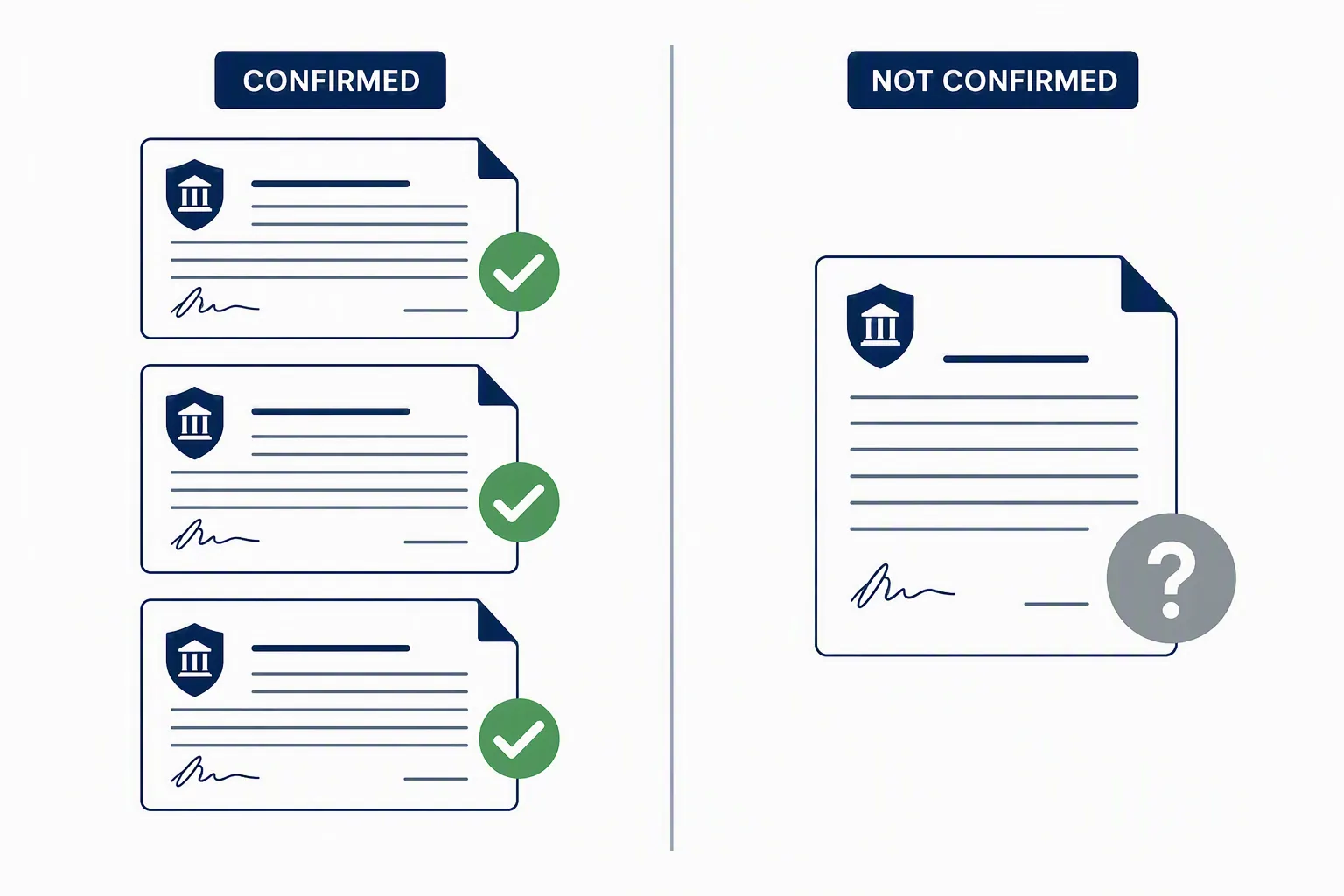
The status ledger
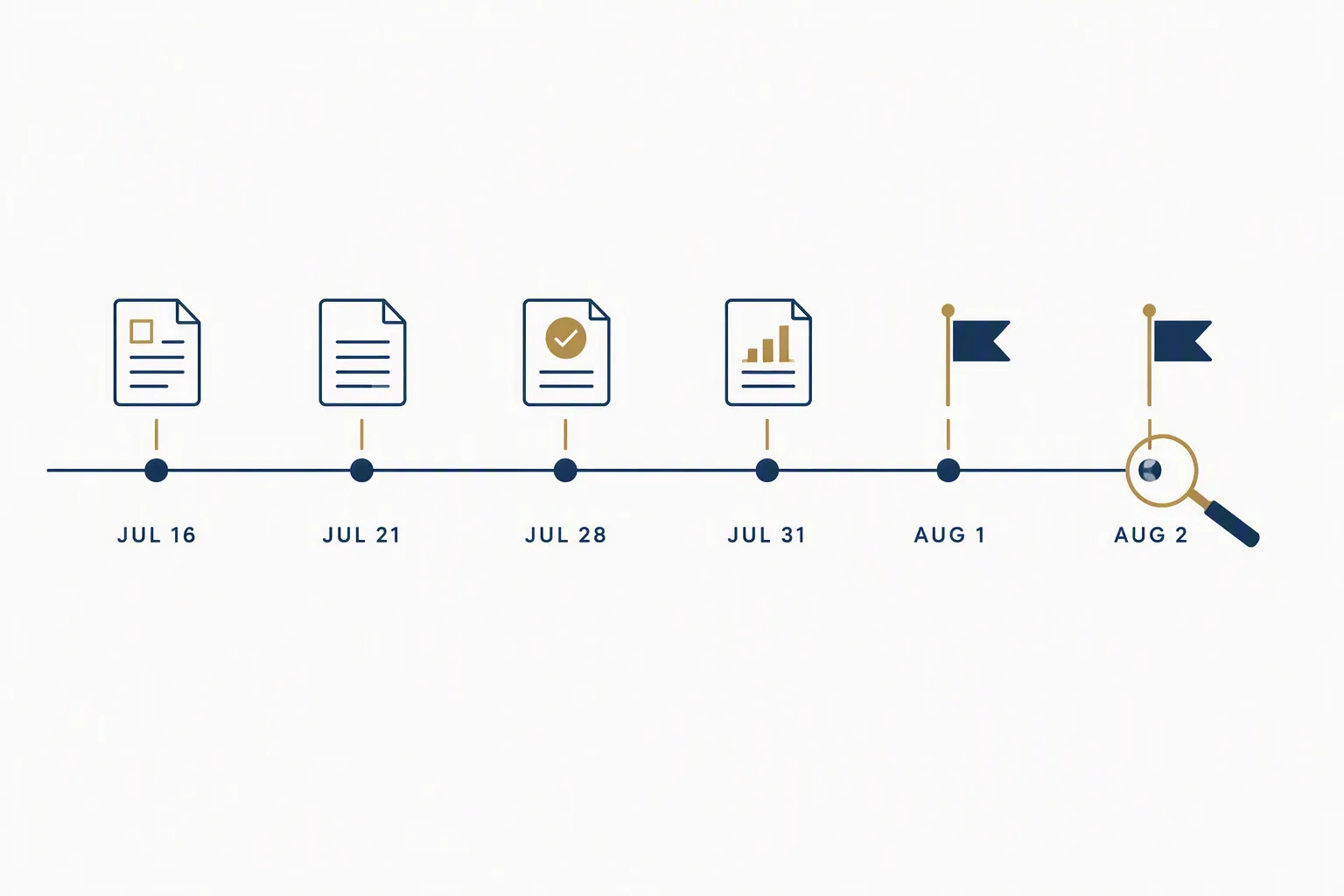
| Date | Source character | Confirmed action | Status effect |
|---|---|---|---|
| July 16, 2026 | Company launch report / business press coverage | CNBC reported Trump Media’s plan for a paid Truth Social data service aimed at Wall Street traders, with an August 1 launch date.[5] | Launch context; not a regulator action. |
| July 21, 2026 | Congressional letter from Rep. Ritchie Torres | Torres asked SEC Chair Paul Atkins to evaluate whether Truth API’s structure, marketing, operation, or use implicated federal securities laws, market-manipulation protections, and broker-dealer obligations, and raised coordination with the CFTC and OGE.[1] | SEC scrutiny requested; no opened SEC proceeding confirmed. |
| July 28, 2026 | Congressional letter from Sens. Warren and Schiff | Warren and Schiff asked the SEC to “immediately open an investigation” and complete an insider-trading and market-manipulation analysis before the August 1 launch.[2] | A direct request to open an SEC investigation; still not proof that the SEC opened one. |
| July 30 / July 31, 2026 | House Judiciary investigation letter and public announcement | Raskin demanded records concerning development, pricing, marketing, subscriber identities, and safeguards against abuse.[3] | House Judiciary investigation confirmed; SEC investigation still not confirmed. |
| August 1, 2026 | Launch-date context in public reporting | NPR reported on early access to Trump’s Truth Social posts and stated that the SEC confirmed receipt of the Warren-Schiff letter but declined comment.[4] | SEC receipt confirmed; no public confirmation of an opened SEC investigation. |
| August 2, 2026 | Record verification date | No cited public source in this record confirms that the SEC has opened a formal investigation. | Use “investigation requested” or “inquiry requested,” not “SEC is investigating.” |
What Congress actually asked the SEC to do
The first documented ask in this record is the Torres letter. It did not announce an SEC action. It asked Chair Atkins to evaluate whether Truth API’s structure, marketing, operation, or use could implicate federal securities laws, including market-manipulation protections and broker-dealer obligations, and it also raised potential coordination with the CFTC and the Office of Government Ethics.[1]
That distinction matters because a congressional request can be serious without being self-executing. A committee, procurement group, or risk database can cite the Torres letter as a documented request for SEC evaluation. It should not convert that letter into a live SEC enforcement docket unless a public SEC action, subpoena report, court filing, issuer disclosure, or other reliable confirmation supports that stronger label.
The Warren-Schiff letter is the clearest request for SEC action. It asked the SEC to “immediately open an investigation” into Trump Media’s plan to give Wall Street firms faster access to Truth Social posts and asked the agency to complete a legal analysis before the August 1 launch.[2] The verb is important: the senators asked the SEC to open an investigation; they did not state that the SEC had opened one.
NPR later reported that the SEC confirmed receipt of the Warren-Schiff letter and declined comment.[4] Receipt is a status event. It confirms that the agency got the letter. It does not, by itself, show that enforcement staff opened a matter, issued process, or made any finding about Truth API.
The House Judiciary investigation is confirmed, but it is not an SEC investigation
Raskin’s July 30 letter, announced July 31, sits in a different column. It is a confirmed House Judiciary investigation. The records demanded concern development, pricing, marketing, subscriber identities, and safeguards against potential abuse.[3] That is a concrete congressional oversight step, not merely a press comment.
It still does not answer the SEC-status question. A House Judiciary investigation can increase regulatory risk, preserve a record, pressure agencies, and generate follow-on disclosures. It does not establish that the SEC has opened its own investigation. For diligence memos, the clean classification is: House inquiry confirmed; SEC investigation requested; SEC opening not publicly confirmed.
Why “requested” and “opened” are different risk labels
The difference is not pedantry. In a subscription review, “SEC investigation opened” may trigger escalation, board reporting, vendor-questionnaire updates, enhanced contractual protections, or a pause while outside counsel checks for enforcement exposure. “SEC investigation requested” still belongs in the risk file, but it describes a different procedural posture.
A careful internal alert can say that members of Congress have asked the SEC to investigate Truth API, that the SEC confirmed receipt of at least one letter, and that a House Judiciary investigation has been announced. It should avoid the shorthand “the SEC is investigating Trump Media’s Truth Social API” unless the record changes.
The same status discipline applies to legal knowledge-management systems. If the matter is tagged as an SEC enforcement proceeding now, someone will later have to unwind that tag or explain why the file overcalled the source. A better flag is “regulatory inquiry requested / congressional investigation confirmed / SEC action unconfirmed.”
Pricing and subscriber-side exposure
The reported pricing is relevant because prospective subscribers are not passive observers. The Warren-Schiff letter described Truth API pricing as $60,000 to $100,000 per month.[2] NPR described access as costing up to $100,000.[4] Those figures should remain separately attributed; this record does not reconcile them into a single price.
Al Jazeera, citing Reuters reporting, stated that Trump Media had signed customers before launch but had not identified them.[6] For a bank, hedge fund, broker, market-data vendor, or analytics provider, that detail affects diligence. The unanswered questions are practical: who receives the feed, what timing advantage is offered, what contractual restrictions apply, what surveillance exists, and whether use of the data could create trading, disclosure, or reputational exposure.
Company-side statements belong in the file too, but not as a substitute for regulator status. NPR quoted Trump Media spokeswoman Shannon Devine defending the service and rejecting the premise that it created improper insider access.[4] That is the company’s position. It does not resolve whether Congress’s concerns are legally sound, and it does not convert SEC receipt of a letter into an opened proceeding.
Expert commentary is risk context, not a finding
The expert commentary is useful once it is kept in its lane. Fortune and NPR reported concerns and analysis from experts including Jones, Gellasch, Spatt, and Canter on the market-structure, insider-access, and securities-law implications of the feed.[7][4] Those comments can help counsel frame questions for a vendor review or trading-policy review. They are not agency findings.
Al Jazeera also framed the request against a Reuters-sourced description of the Atkins SEC as taking a softer stance on enforcement.[6] That may be relevant political and enforcement-context reporting. It is not an SEC statement about Truth API, and it does not supply the missing procedural fact.
The same care applies to market data around Trump Media’s stock. CNBC reported different decline figures in separate July reports: about 84% in its July 16 launch story and about 80% in its July 29 Warren-Schiff coverage.[5][8] Those figures may describe market context, but they do not establish regulator action. If included in a memo, each should be tied to the source that reported it.
Where the securities-law debate belongs
This record does not re-decide whether Truth API violates insider-trading law, Rule 10b-5, the STOCK Act, or market-manipulation doctrine. Those are separate questions from whether the SEC has opened an investigation.
For the doctrinal analysis, use the companion records on Truth Social API securities-law risk, whether Truth API violates insider-trading laws, and Truth Social API legal risks for Wall Street. For a comparable status-flag format, see the complaint-stage tracker on New York’s Kalshi prediction-market suit.
Working classification for counsel
For diligence, the strongest supportable classification is: active risk signal; SEC investigation requested; SEC receipt of the Warren-Schiff request confirmed; House Judiciary investigation confirmed; formal SEC investigation not publicly confirmed as of August 2, 2026 UTC.
That classification still warrants follow-up. A subscriber considering Truth API should ask for the contract, latency specifications, customer categories, use restrictions, audit rights, abuse controls, termination rights, and any regulator correspondence the vendor is willing or required to disclose. The file should also be updated if the SEC, Trump Media, a court filing, or a reliable issuer disclosure confirms a different procedural status.
Until then, the accurate label is not “SEC investigation opened.” It is “inquiry requested, not confirmed,” with a confirmed House Judiciary investigation alongside it.
References
- Rep. Torres Presses SEC on Trump Media's New Insider Trading API — Office of Rep. Ritchie Torres, July 21, 2026.
- Warren, Schiff Call on SEC to Investigate Trump Media's Plan to Give Wall Street Firms Faster Access to Truth Social Posts — U.S. Senate Committee on Banking, Housing, and Urban Affairs minority newsroom, July 28, 2026.
- Ranking Member Raskin Launches Investigation into Trump Scheme to Sell Insider Access to His Own Truth Social Posts — House Judiciary Committee Democrats, July 31, 2026.
- For sale: early access to Trump's Truth Social posts — NPR, August 1, 2026.
- Trump Media launches paid data service... — CNBC, July 16, 2026.
- Democrat senators ask US SEC to probe Trump Media's fast feed sale — Al Jazeera, July 29, 2026.
- How Trump's Truth API, and less frequent SEC filings, could create a two-tiered market — Fortune, July 20, 2026.
- Warren, Schiff urge SEC to probe Trump Media API service — CNBC, July 29, 2026.
Related records
Tool profile
Browse tool evaluations →Governing regulation
Browse the obligations tracker →Preventive workflow
Browse verification workflows →
Report a correction or tip
Spotted an outdated figure, a misstated fact, or a ruling this case record should reflect? Public comments are disabled for this content given the professional cost of a misreported case outcome, penalty amount, or rule text — use the structured correction channel instead.
Report a correction or tip for this record →