
Senate Opposition and Procedural Hurdles for Permanent DST
An analysis of why the Sunshine Protection Act faces certain Senate defeat despite bipartisan House passage, detailing the 13-senator opposition coalition, the geographic north-south divide, and why all three procedural pathways — unanimous consent, cloture, and committee referral — are effectively blocked.
- Hallucination rate
- Not measured / undisclosed
The permanent daylight saving time bill has the sort of House vote that usually makes a measure look inevitable from a distance. On July 14, 2026, the House passed the Sunshine Protection Act with reported bipartisan support of 308–117, sending to the Senate a bill that would end the twice-yearly clock change by making daylight saving time permanent nationwide. [1][2]
That vote is politically meaningful. It is not, by itself, a legislative path. The Senate problem is not that nobody likes the proposal, or that permanent daylight saving time has become a conventional party-line casualty. The problem is more specific and more damaging: the bill’s opponents are organized at the procedural points where a Senate bill can be stopped.
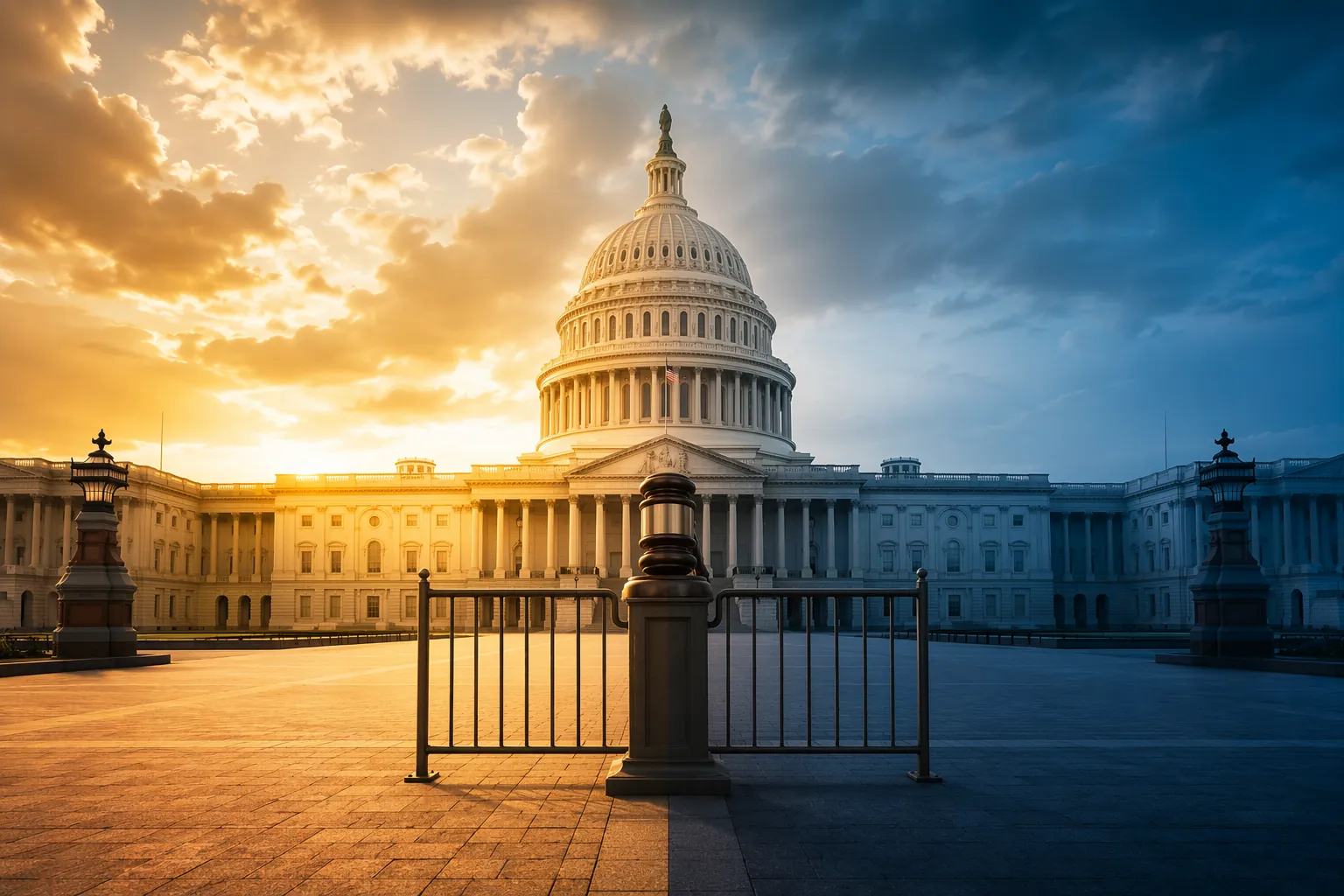
As of July 23, 2026, the three obvious Senate routes are all blocked. Unanimous consent is unavailable because Sen. Tom Cotton formally objected in October 2025 and asked Majority Leader John Thune not to put the bill on the floor. A 60-vote cloture strategy looks implausible against a named opposition bloc. Regular order runs into the Senate Commerce Committee, where reported opponents sit at the gate. [3][4]
The Senate Opposition Is Named, Not Atmospheric
The central fact is the reported group of 13 senators on the Senate Commerce Committee who had previously voted against or voiced opposition to permanent daylight saving time. Yahoo News, citing Semafor, identified the bloc as including Cotton and Thune, with opposition rooted largely in concerns about dark winter mornings and school travel. [3]
That count should be handled carefully. It comes through Yahoo News citing Semafor, and the committee configuration described may reflect an earlier Commerce Committee lineup rather than a fresh roll call taken after House passage. But even with that caveat, it is a stronger procedural indicator than national polling or a House margin. Senate procedure rewards organized minorities when they are positioned correctly.
The House tally also deserves a lawyer’s caution. Reuters and The Hill reported the vote as 308–117, while Time reportedly used 308–171. The 308–117 figure is the one supported by the supplied Reuters and Hill accounts, but any publication relying on the exact margin should check the official Clerk roll call before treating it as settled. [1][2]
| Senate route | What would be needed | Current obstacle |
|---|---|---|
| Unanimous consent | No senator objects when the bill is called up | Cotton formally objected in October 2025 |
| Cloture | A supermajority large enough to overcome a filibuster | Reported organized opposition makes 60 votes appear out of reach |
| Regular order | Committee movement before floor action | Opponents reportedly sit on the Commerce Committee gate |
The table is not a prediction model. It is the present procedural posture. The Sunshine Protection Act can still move if senators change positions, leadership spends floor time on it, or the committee pathway changes. But none of those things follows automatically from a large House vote.
Why Geography Does More Work Than Party Labels
The opposition is easier to understand if the map is drawn north to south rather than red to blue. Fox News described the Senate resistance as tied to winter sunrise times in northern states, where permanent daylight saving time would push sunrise past 8:30 a.m. or even toward 9:00 a.m. in some places, raising concerns about children waiting for buses or walking to school in darkness. [5]
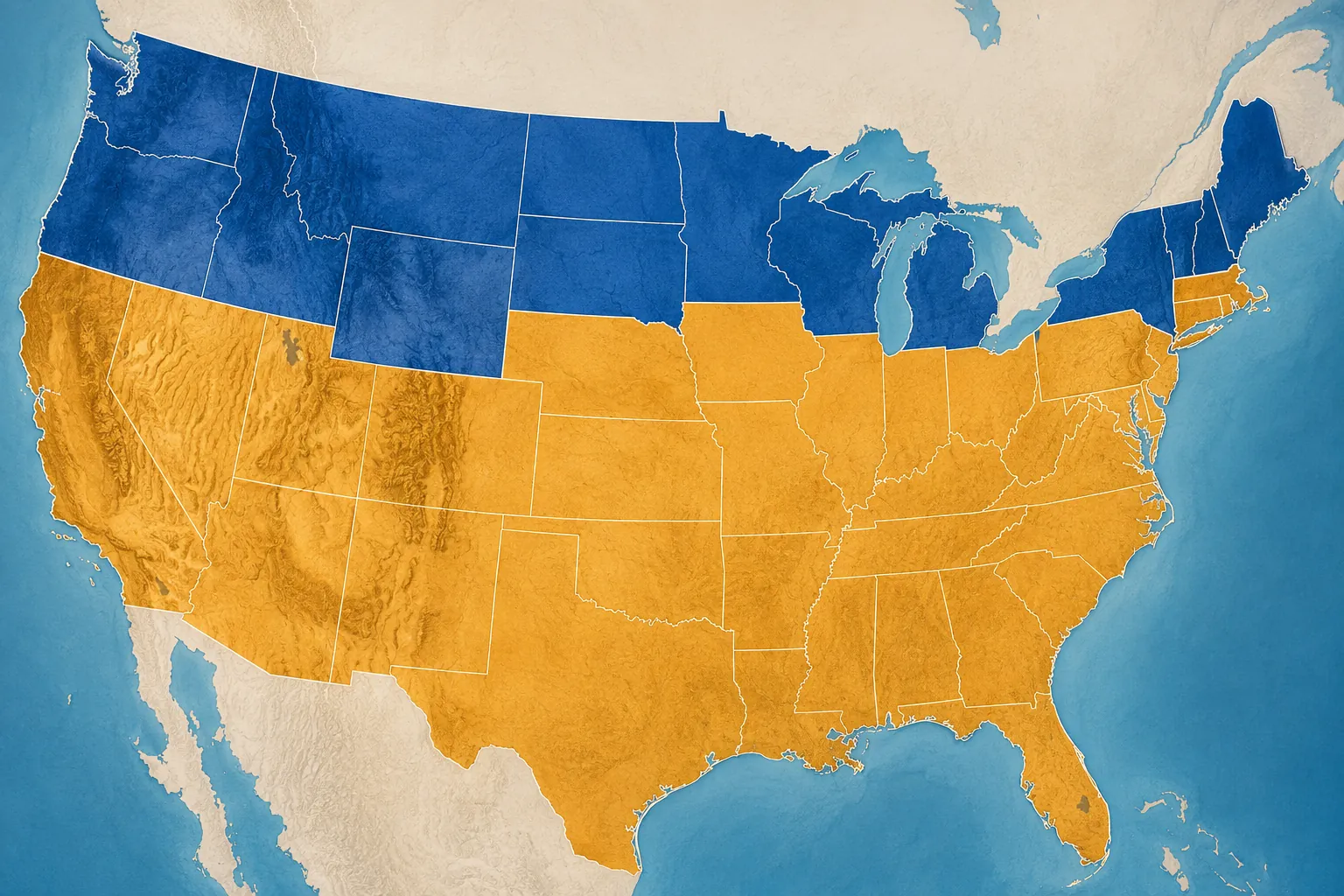
That does not prove every opponent is motivated by school-bus safety, and it would be too neat to pretend that procedural convenience never borrows moral language. Still, the concern is not random. A senator from a northern or western-edge state has to defend the winter morning consequences in a way a senator from a sunnier southern state may not.
Cotton’s role is especially important because he has converted policy skepticism into a procedural act. NBC News and Reuters reported that he objected to unanimous consent in October 2025 and asked Thune not to schedule the bill. Thune, who controls the floor as majority leader, has also expressed reservations and invoked the failed 1970s experiment with year-round daylight saving time. [3][4]
The 1974 precedent matters here as a political memory, not as a complete answer to the 2026 bill. During the 1970s energy crisis, the United States tried year-round daylight saving time, and the experiment became unpopular amid complaints about dark mornings before Congress reversed course. [6] For senators already worried about winter sunrise, that history supplies a ready cautionary argument.
Unanimous Consent Is Already Gone
The cleanest way for the Senate to pass a popular, low-salience bill is unanimous consent. That route depends on the absence of a senator willing to object. The Sunshine Protection Act no longer has that condition.
Cotton’s October 2025 objection is not just another quote in the debate. It is a procedural fact. A senator who has already objected has shown that the bill cannot be slipped through on the theory that nobody is watching. Reuters reported that Cotton said he had asked Thune not to bring up the measure, and NBC News likewise described his objection to unanimous consent. [3][4]
That matters because unanimous consent is unforgiving. It does not ask whether the House vote was large, whether the bill polls well, or whether a president likes the idea. It asks whether every senator present is willing to let the chamber act without the usual procedural steps. Cotton has already answered no.
Cloture Has a Math Problem
If unanimous consent fails, supporters can try to proceed the hard way: floor time, debate, and cloture. That is where the 13-senator bloc becomes more than a list of skeptics. A bill that needs a supermajority cannot afford a coherent cluster of senators opposed or unwilling, especially when the issue is not a must-pass item and leadership has competing demands. [3]
Available reporting does not establish an exact Senate whip count after House passage. It does establish named resistance, a prior formal objection, and skepticism from the majority leader. That is enough to narrow the conclusion: cloture is not merely unproven; it appears unavailable under the current opposition count unless positions materially change. [3][4]
The partisan frame obscures that problem. If the fight were simply “Republicans versus Democrats,” supporters could look for cross-party defectors and count from there. But a north-south split cuts across the usual vote-counting shorthand. Senators from states facing very late winter sunrise have a constituent-defense rationale that does not disappear because the House produced a bipartisan roll call. [5]
Regular Order Runs Into the Commerce Committee
The third path is the one that sounds most ordinary: let the bill go through committee. But the Senate Commerce Committee is not a neutral hallway. It is the jurisdictional gate for this legislation, and Yahoo News’s reporting on the 13-senator opposition bloc places the bill’s skeptics inside that gate. [3]
Committee placement changes the practical legal analysis. Opponents do not need to win a national message war to slow or stop a bill in committee. They can withhold support, demand hearings, insist on amendments, or simply make clear to leadership that the floor fight is not worth scarce time. A bill can have hundreds of House votes and still fail to generate the Senate committee action needed for enactment.
This is also where Thune’s position matters beyond his personal view of daylight saving time. A skeptical majority leader does not have to kill the bill with a dramatic floor speech. He can decline to prioritize it, particularly when a Commerce Committee path is already contested and unanimous consent is unavailable. [3][4]
The Legal Backdrop Is Simple; the Senate Bottleneck Is Not
The reason federal procedure is decisive is that states do not have equal freedom on both sides of the clock question. Under the existing federal time framework, states may choose permanent standard time, but permanent daylight saving time requires federal authorization. The Sunshine Protection Act is therefore not merely a symbolic preference vote; it is the vehicle needed to change the legal default nationwide.
That legal backdrop explains why the Senate chokepoints matter more than the breadth of the House coalition. A state frustrated with clock changes can avoid daylight saving time by choosing standard time year-round, but it cannot unilaterally put itself on permanent daylight saving time. Supporters need Congress, and in Congress they need the Senate.
The 2022 Senate Passage Is the Wrong Analogy
The tempting counterexample is 2022, when the Senate passed the Sunshine Protection Act by unanimous consent. That episode has often been remembered as proof that the Senate is capable of moving the bill quickly. The more useful lesson is narrower: it passed then because unanimous consent was not blocked at that moment. [7]
Accounts of that passage describe it as a surprise unanimous-consent event, with many senators unaware the bill was being called up. That is not a repeatable strategy once named opponents are alert, organized, and willing to object. [7]
A prior procedural accident should not be mistaken for latent Senate support. In 2026, the relevant facts are the formal objection, the reported Commerce Committee opposition bloc, the majority leader’s reservations, and the geographic safety argument that gives senators a durable reason to resist. [3][4][5]
Where the Bill Stands on July 23, 2026
The House vote gives permanent daylight saving time a real political credential. It shows that members in both parties are willing to vote for ending the clock change, and it keeps the issue alive as a popular, easily understood reform. [1][2]
But enactment now depends on the Senate, and the Senate facts point the other way. Unanimous consent has been blocked. Cloture appears out of reach against organized opposition. Regular order is constrained by the Commerce Committee. The opposition is not a vague mood; it is named, geographically coherent, and procedurally well placed. [3][4][5]
Unless senators change positions or leadership decides to spend significant procedural capital, the Sunshine Protection Act remains politically notable but legally insufficient. A large House majority can send a bill across the Capitol. It cannot make the Senate consent, invoke cloture, or move a committee gate on its own.
References
- US House passes bill to make daylight saving time permanent, Reuters.
- House passes bill to make daylight saving time permanent, The Hill.
- These senators might kill permanent daylight saving time. Here's why., Yahoo News.
- House passes bill that would make daylight saving time permanent, NBC News.
- Sunshine Protection Act faces Senate wall over school bus concerns, Fox News.
- When the U.S. Tried Permanent Daylight Saving Time in 1974, History.com.
- Sunshine Protection Act, Wikipedia.
Chronological incident history
No sanction cases have named this tool in the tracked record set to date. This does not imply the tool is safe — see Risk Digest for ongoing monitoring.
← Compare peer toolsReport a correction or tip
Spotted an outdated figure, a misstated fact, or a ruling this tool profile should reflect? Public comments are disabled for this content given the professional cost of a misreported case outcome, penalty amount, or rule text — use the structured correction channel instead.
Report a correction or tip for this record →