
Why permanent daylight saving time legislation keeps failing in Congress
An examination of the procedural, political, and historical factors that have repeatedly blocked permanent daylight saving time legislation, from the 1974 experiment through the July 2026 House vote, and why the current reform effort may face the same fate.
- Hallucination rate
- Not measured / undisclosed
The House passed the Sunshine Protection Act 308-117 in July 2026 [1]. That is real news, but it is not the interesting question. The better one is why permanent daylight saving time keeps failing even when it looks close: the answer sits in the gap between public support and a bill that still has to choose a permanent time, survive Senate procedure, and outrun the institutional memory of the last time Congress tried to freeze the clock.
The 1974 scar
The modern fear did not come out of nowhere. In 1974, the United States tried year-round daylight saving time, and public approval that had reached 79% later fell to 42% within months as darker winter mornings became impossible to ignore [2]. Period reporting also tied the experiment to eight Florida schoolchild fatalities in dark-morning commutes, a figure that should be treated cautiously as a historical signal rather than a clean epidemiological finding [2].
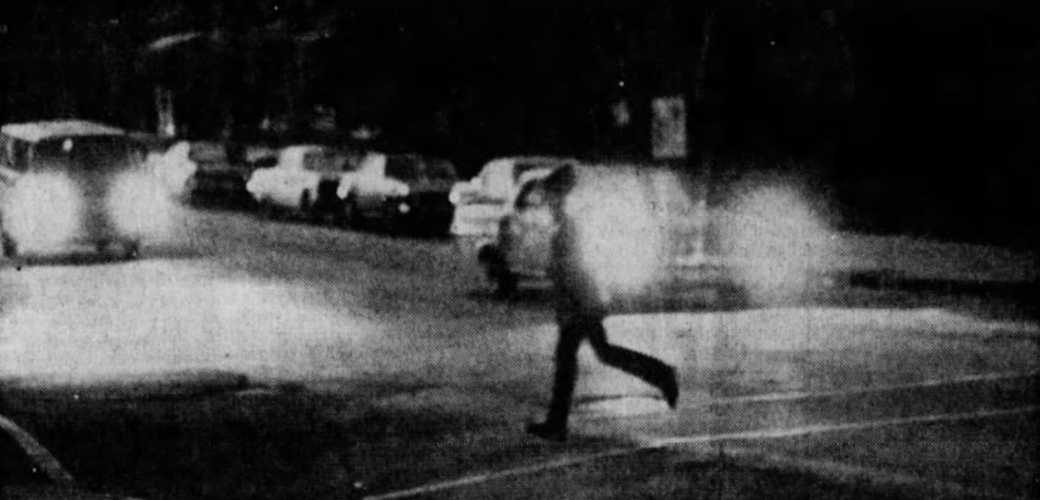
That episode still matters because it gave lawmakers a durable memory of who pays first when the sunrise moves later: school districts, morning commuters, and parents who have to send children into darkness. It turned permanent daylight saving time into a policy that is never judged abstractly; it is judged against a remembered winter morning.
The coalition cannot agree on the destination
The Sunshine Protection Act has been introduced in six consecutive Congresses [3]. That sounds like persistence until the more important fact comes into view: the reform coalition does not agree on which permanent time should win. Some lawmakers want permanent standard time, others want permanent daylight saving time, and that disagreement is not a side note. It is the choice that has to be written into the bill before anyone can count votes.
Procedure has also exposed how fragile the support really is. FactCheck documented the 2022 unanimous-consent episode around Sen. Tom Cotton, where a fast-track Senate move collapsed when a single objection stopped the bill [4]. That was the useful lesson hidden inside the embarrassment: a reform can look nearly ready until it reaches the chamber rules that actually decide whether the bill moves.
States hit the wall
State lawmakers have not stopped looking for a workaround, but the legal structure does not leave them much room. NCSL's tracking shows continuing state-level activity around daylight saving time, yet the federal framework is the barrier that matters: under the Uniform Time Act, states can opt out of daylight saving time and stay on standard time, but a permanent switch to daylight saving time needs congressional approval, so the state route stops at preemption [5].
That is why the July 2026 House vote is news without being resolution [1]. It restarts the argument, but it does not settle the destination, and it does not erase the old political memory that makes darker mornings radioactive. Until Congress resolves the split over which time should become permanent and finds a way through the Senate's procedural choke points, the next reform effort is likely to run into the same seam as the last one.
References
- Why permanent daylight saving time has failed in the US before - The Hill, July 2026
- The U.S. tried permanent daylight saving time in the 1970s, then quickly rejected it - NPR, March 19, 2022
- Sunshine Protection Act - Wikipedia
- Trump’s push to make daylight saving time permanent - FactCheck.org, June 2026
- Daylight Saving Time State Legislation - NCSL
Chronological incident history
No sanction cases have named this tool in the tracked record set to date. This does not imply the tool is safe — see Risk Digest for ongoing monitoring.
← Compare peer toolsReport a correction or tip
Spotted an outdated figure, a misstated fact, or a ruling this tool profile should reflect? Public comments are disabled for this content given the professional cost of a misreported case outcome, penalty amount, or rule text — use the structured correction channel instead.
Report a correction or tip for this record →