
Clayton Echard–Laura Owens Lawsuit Is Not an AI-Risk Case
An exclusion record for the Risk Digest: the Clayton Echard–Laura Owens matter is a paternity and fraud dispute, not an AI-risk incident, and ended with Laura Owens's Aug 28, 2026 guilty plea to four felony counts. The confirmed-non-AI label is an inference from claim scope — the Maricopa County docket remains unverified and no ruling on the available record tested an AI or synthetic-media standard.
- Jurisdiction
- US-Arizona
- Court
- Maricopa County Superior Court
- AI tool named
- No AI tool named
- Ruling date
- Aug 28, 2026
- Source document
- View primary court order ↗
- Last verified
- Aug 31, 2026
Lex Machina Review is an independent risk-tracking and reference resource. Nothing on this site is legal advice, and using it does not create an attorney-client relationship. Every record is reviewed against primary sources but may not reflect the most current status of a matter — always verify directly against the cited court order, rule text, or a licensed attorney before relying on it.
Companion explanation — secondary to the source document above
Risk Digest classification: confirmed-non-AI exclusion. The Clayton Echard–Laura Owens lawsuit is a paternity and fraud matter on the available record, not an identified AI-risk incident. The primary Maricopa County docket has not been verified here, and no supplied ruling tests AI generation, deepfake evidence, fabricated filings, synthetic media, or an AI-provenance standard.
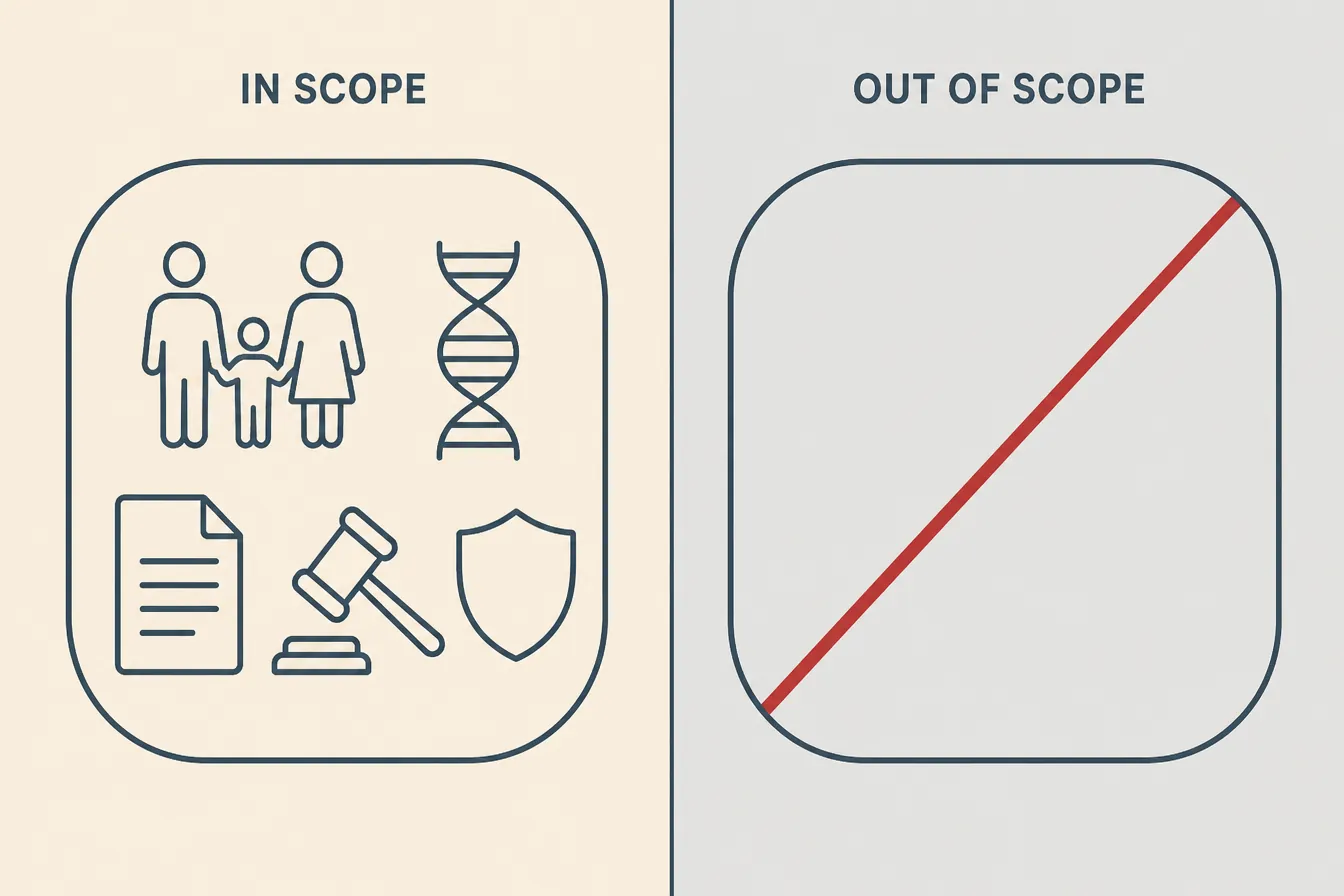
What the Aug. 28 disposition establishes
On Aug. 28, 2026, Laura Owens pleaded guilty to four felony counts: two counts of fraudulent schemes and artifices, one count of identity theft, and one count of perjury. The disposition was reported in connection with allegations that she used a fake-twins pregnancy scheme involving Clayton Echard. The guilty plea and the count descriptions were reported by Matt Thibodeau and cross-corroborated by Page Six, 12News, and the San Francisco Chronicle.[1][2][3][4]
Those reports clarify the subject of the matter: alleged fraud, identity-related conduct, perjury, and the surrounding paternity dispute. They do not describe an AI tool, an AI-generated communication, manipulated synthetic media, or a court's evaluation of whether evidence was produced by artificial intelligence. No sentencing amount or restitution figure is documented in the supplied materials.
The underlying case record is bounded, not independently verified
The available chronology identifies the paternity matter as Owens v. Echard, Maricopa County Superior Court case FC2023-052114, with an appeal identified as 2 CA-CV-0315. It also refers to separate harassment-injunction and protective-order proceedings. These details come from the Victims of Laura Owens timeline, an advocacy-site account rather than a retrieved primary docket.[5]
That timeline describes an October 2023 continued IAH hearing before Judge Gialketsis and an order-of-protection hearing before Judge Doo. It places the case in inactive status in early December 2023, reports a Dec. 28, 2023 motion to dismiss asserting that Owens was “not now pregnant,” and identifies a Feb. 16, 2024 denial of Owens's motion to quash a deposition.[5] These are useful orientation points, but they should not be presented as independently verified docket facts until the primary Maricopa County record is obtained.
The same limitation applies to the broader narrative. The supplied materials describe paternity, alleged fraud, harassment, protective-order proceedings, DNA testing, and disputes over communications. They do not establish that the directors' proposed defamation or privacy theory was adopted by a court, and they do not document court-imposed sanctions, fee awards, or filing-conduct findings.
The text dispute does not cross the AI threshold
The point most likely to mislead a hurried researcher is the authenticity dispute. In a May 3, 2024 affidavit, Owens called text messages “obviously fake.” That is a challenge to whether particular messages are authentic or reliable. Nothing in the supplied account turns it into an allegation that an AI system generated the messages, that the messages were synthetically altered, or that a court conducted an AI-provenance analysis.[5]
The DNA and YouTube details stay in the same category. The materials refer to a second DNA test showing “little to no fetal DNA” and to a YouTube takedown that was reinstated after a finding of no policy violation.[5] Those facts may matter to the underlying factual and reputational dispute. They do not, by themselves, supply a deepfake claim, an AI-evidence ruling, or a fabricated-filing issue.
Evidence audit for filing and research
| Question | Available answer |
|---|---|
| What claims are described? | Paternity, alleged fraud, harassment, and protective-order claims |
| What evidence disputes are described? | DNA testing and the authenticity of text messages |
| Is AI generation alleged? | Not in the supplied materials |
| Is synthetic media or a deepfake identified? | Not in the supplied materials |
| Was an AI-provenance standard tested? | No ruling on the available record does so |
| Is the primary Maricopa County docket verified? | No |
The distinction matters because “not shown to be AI-related” and “a court ruled that AI was not involved” are different propositions. The first is supportable here as a classification based on the claims and materials supplied. The second is not. The unresolved docket status also limits how confidently a researcher should characterize individual hearing events, motions, or later orders.
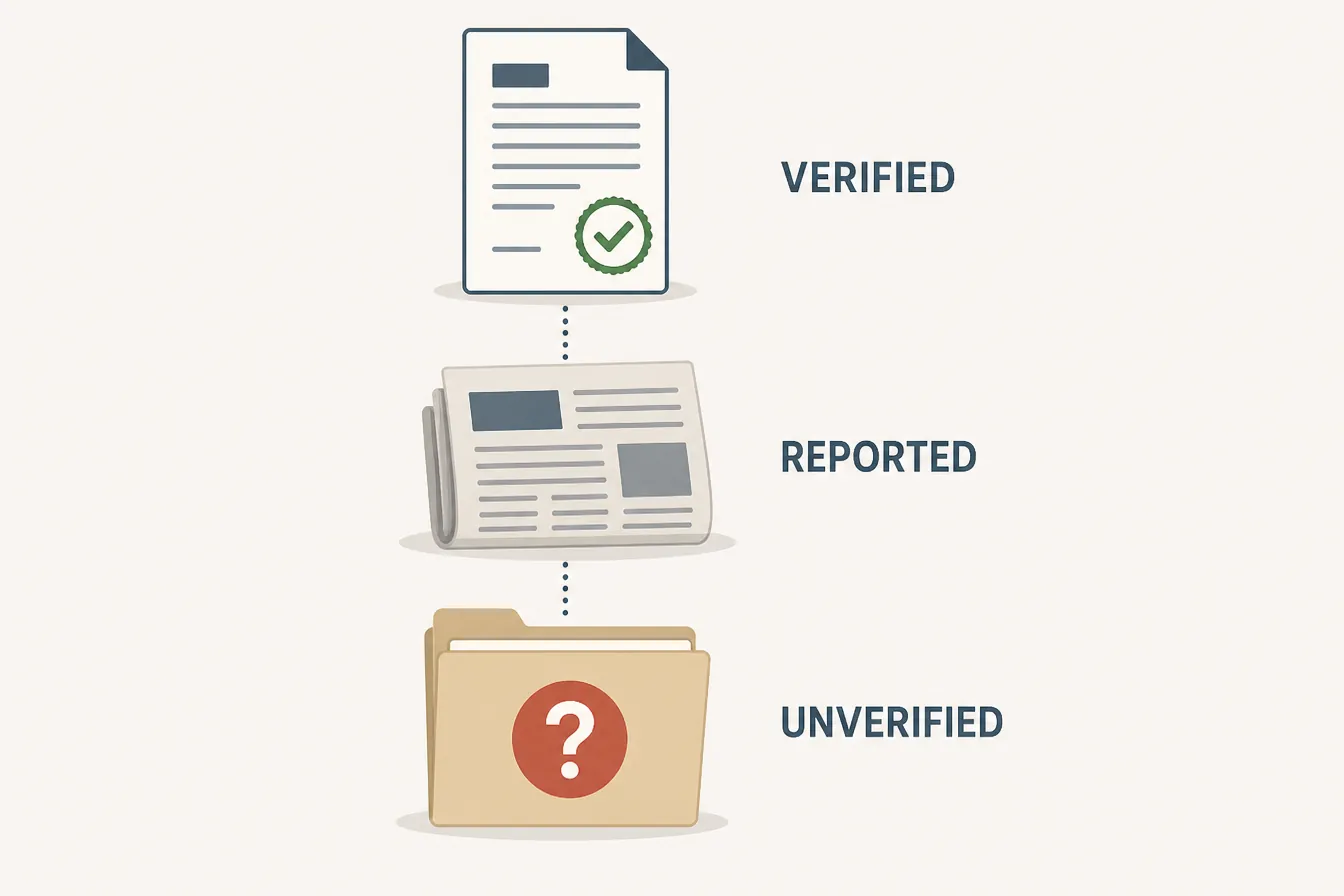
For comparison, the Risk Digest uses separate labels when a record is confirmed, reported, or awaiting primary-order verification, as illustrated by the Gülistan Doku exclusion record and the Joe Felz labeling record. The China drone-footage entry provides a different sourcing boundary rather than evidence that this lawsuit is AI-related.
The defensible classification
Before filing or relying on the case, verify the primary Maricopa County docket rather than treating the advocacy timeline as a substitute for it. Until that verification changes the record, this matter should not be cited as an AI-risk precedent—and the exclusion label itself should not be treated as stronger than its stated verification status.
References
- Matt Thibodeau - Laura Owens has pleaded guilty to four...
- Bachelor Clayton Echard’s accuser pleads guilty to fraud after fake-twins pregnancy scheme — Page Six
- Laura Owens pleads guilty in fraud case involving former Bachelor star — 12News
- Laura Owens guilty plea and Bachelor-related fraud case — San Francisco Chronicle
- Victims of Laura Owens - Clayton Echard — Victims of Laura Owens
Related records
Tool profile
How Meta's AI Spending Reshapes Law Firm ProfitabilityGoverning regulation
Browse the obligations tracker →Preventive workflow
Browse verification workflows →
Report a correction or tip
Spotted an outdated figure, a misstated fact, or a ruling this case record should reflect? Public comments are disabled for this content given the professional cost of a misreported case outcome, penalty amount, or rule text — use the structured correction channel instead.
Report a correction or tip for this record →