
How Operator Status Determines Alcatraz Boat Accident Liability
This article compares the May 2026 Alcatraz City Cruises ferry crash and the July 2026 Volare charter capsize, showing how operator status, ticket contracts, and maritime law create fundamentally different liability frameworks and procedural deadlines for injured parties.
- Hallucination rate
- Not measured / undisclosed
Two boat incidents near Alcatraz in 2026 invite a bad shortcut: same bay, same landmark, same liability analysis. That shortcut is where legal claims over Alcatraz boat accident liability can start going wrong. Both events occurred on navigable San Francisco Bay waters, but location is not the controlling fact. The first sorting question is who was operating the vessel, who the passengers were to that operator, and what legal clock began to run when the incident happened.
| Incident | Key reported facts | Initial liability frame |
|---|---|---|
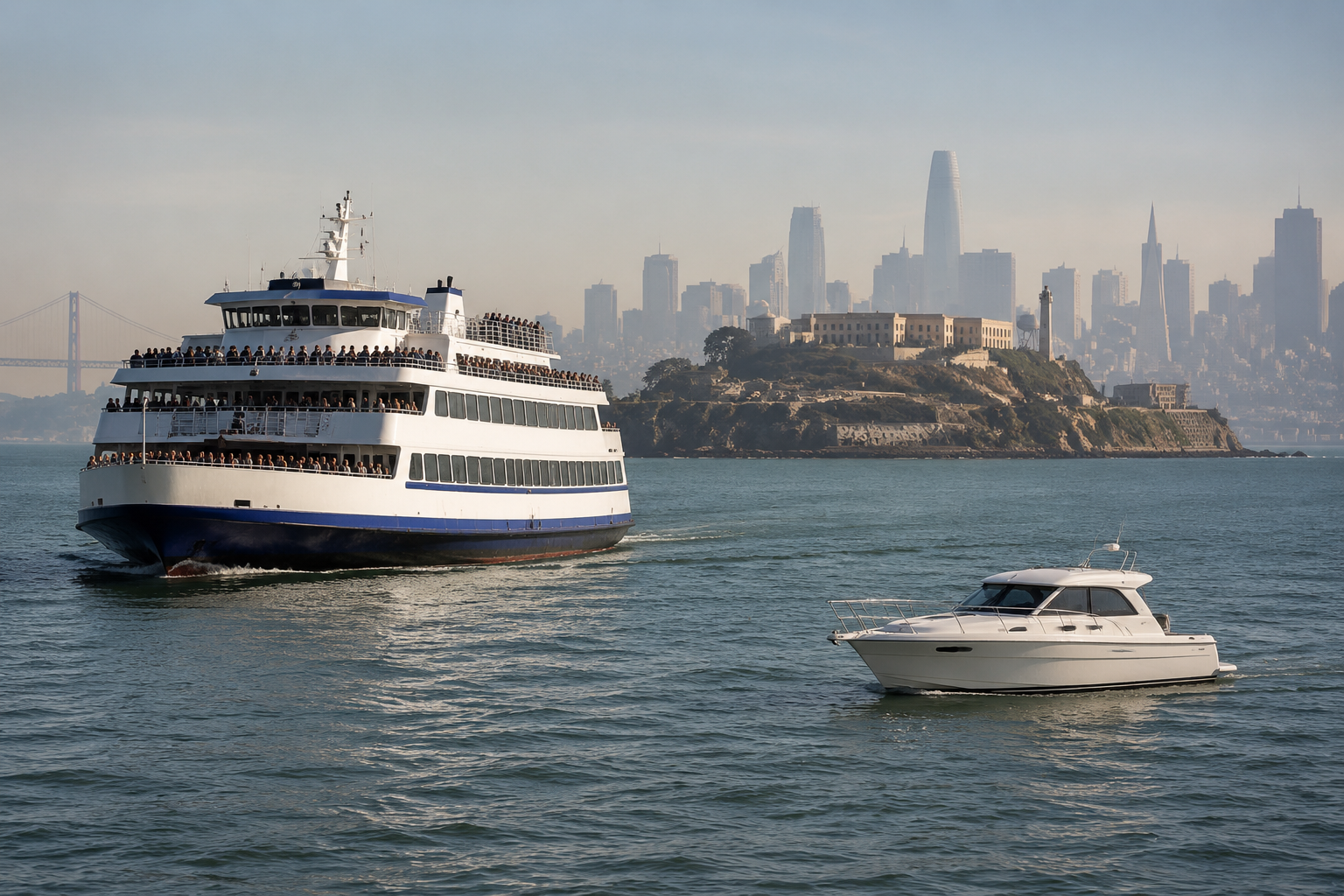
| May 25, 2026 ferry docking crash at Pier 31 | Alcatraz Flyer, an 800-passenger ferry; reported impacts during docking; shattered windows; no immediate injury reports; investigation ongoing. | Common-carrier ferry operation under passenger ticket terms, with contractual notice and suit deadlines requiring immediate review. |
| July 14, 2026 Volare capsize off Alcatraz | 49-foot three-deck cabin cruiser; 20 aboard; 16 rescued; 1 confirmed dead; 3 missing; vessel reported around 130 feet down after search operations. | Private charter or recreational-vessel analysis under general maritime negligence and possible unseaworthiness theories, with proof preservation becoming urgent. |
WorkBoat identified the ferry involved in the May incident as the Alcatraz Flyer, an 800-passenger vessel, and reported that the investigation was ongoing. [1] J&Y Law’s incident summary described three impacts, shattered windows, a passenger staircase fall, a delay before disembarkation, and no immediate injury reports. [2] ABC7/KGO coverage added passenger descriptions of panic, a crying child, and shattered glass. [3] The July Volare reporting is materially different: AP described a 49-foot three-deck cabin cruiser with 20 people aboard, 16 rescued, 1 confirmed dead, and 3 missing, while CNN reported a Coast Guard search covering 950 square nautical miles using 11 surface assets and 4 aircraft before active search efforts were suspended after roughly 23 hours. [4][5]
Those facts do not yet prove fault in either matter. They do, however, tell a lawyer where to look first. The ferry case starts with a ticket contract and common-carrier duties. The Volare case starts with general maritime law, vessel condition, operator conduct, missing-passenger proof, and the physical problem of a wreck resting deep enough that evidence may not be easily inspected.
The ferry claim starts with the ticket, not the window glass
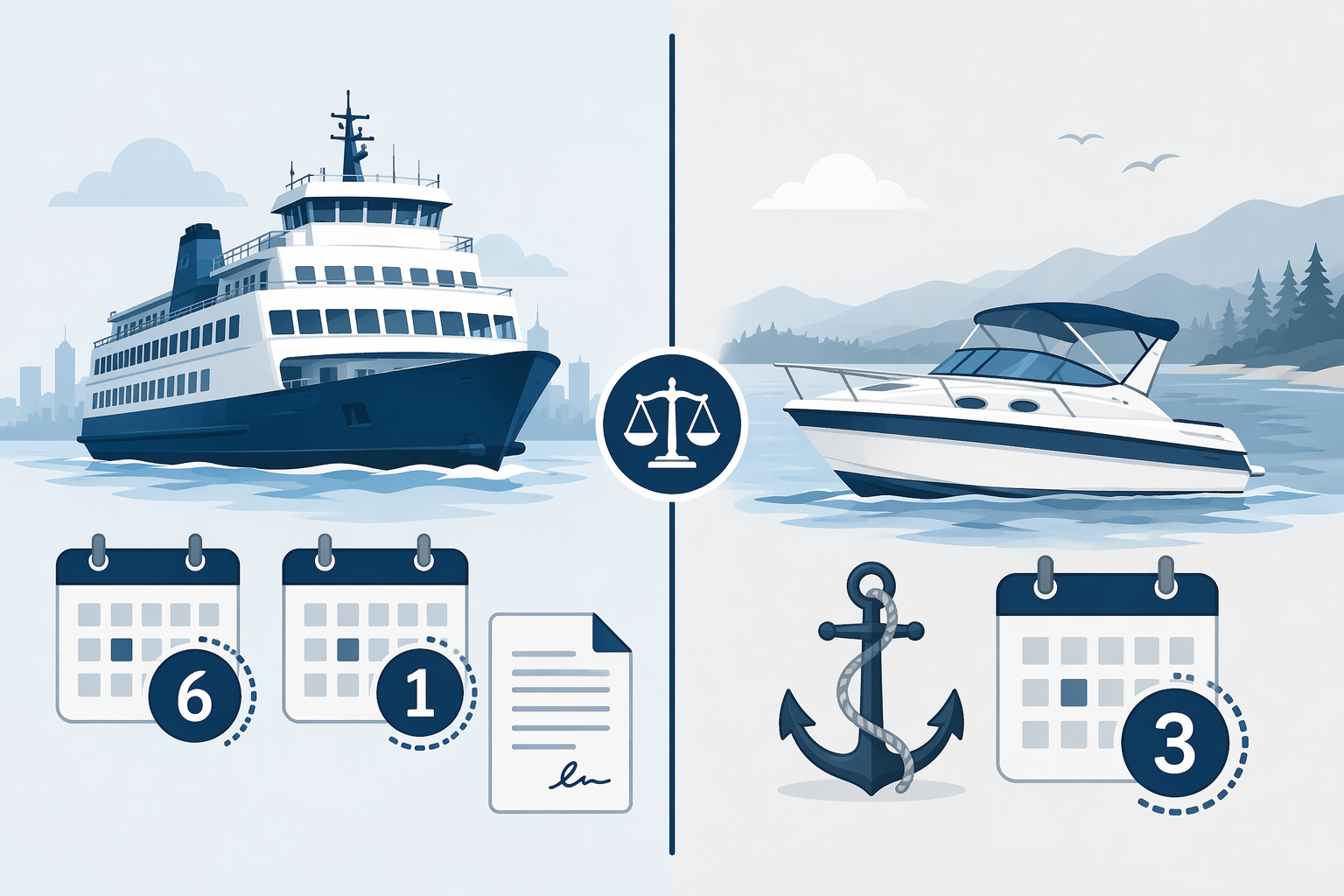
The shattered glass matters as evidence. So do the reported impacts and the disembarkation delay. But for a plaintiff-side lawyer receiving a call two weeks later, the first document to locate is the City Experiences ticket contract. The Alcatraz City Cruises terms state that a claimant must give written notice of a personal injury claim within six months and must file suit within one year; they also include binding arbitration in San Francisco and reference the Limitation of Liability Act. [6]
That deadline structure changes the file from the first intake call. “No immediate injury reports” is not a safe stopping point. Soft-tissue complaints, concussion symptoms, anxiety-related symptoms, or aggravation of prior conditions may not be sorted out at the dock. The more important procedural point is that the contractual clock can begin on the incident date, before a passenger knows whether symptoms will persist and before the operator’s investigative file is available.
A ferry passenger also occupies a different legal relationship from a guest on a private recreational boat. FindLaw’s ferry-liability overview frames ferry operators as common carriers whose negligence analysis turns on duties owed to passengers in transportation. [7] That does not make every hard docking compensable. It does mean the analysis begins with carrier operations, passenger safety, crew response, docking procedures, maintenance, training, and the relationship created by the ticketed passage.
The contractual terms are not the whole law. A carrier cannot simply print away liability for its own negligence in a passenger ticket. Federal maritime law, including 46 U.S.C. § 30509, is the counterweight practitioners should put next to broad exculpatory wording. The practical distinction is between provisions that may govern procedure—notice, forum, arbitration, time to sue—and provisions that attempt to eliminate substantive negligence liability. A serious claim review has to separate those categories instead of treating the ticket as either fully dispositive or irrelevant.
The six-month notice trap
The six-month written notice term deserves more attention than the eyewitness color. Notice provisions can reduce leverage before any merits discovery occurs. If a passenger waits for a final investigative report, waits for symptoms to stabilize, or assumes an informal complaint to customer service is enough, the contract issue may mature before the negligence issue is even pleaded.
- Preserve the ticket purchase path, email confirmations, screenshots, receipts, QR codes, and any terms displayed during booking.
- Send written notice in a form that can later be proved, rather than relying on calls, social media messages, or informal operator communications.
- Calendar both the contractual six-month notice date and the one-year suit date while separately analyzing any statutory limitations period.
- Treat arbitration and forum language as immediate pleading and strategy issues, not as cleanup matters after liability is investigated.
The defense will not need to prove that the passenger read every clause with care to raise ticket-contract arguments. The plaintiff will need a record showing what terms were available, how assent was obtained, whether the term is enforceable, and whether the claimant complied or has a legal basis to avoid the provision. That is a different file plan from a standard roadway passenger injury case.
Volare is a proof problem before it is a damages problem
The Volare capsize carries a different kind of urgency. There is no ticket-contract deadline in the research materials comparable to the City Experiences provisions. General maritime-law passenger claims are commonly analyzed under negligence principles, with maritime injury claims subject to a three-year limitations period under the framework described by Naylor Law. [8] A longer filing window, however, is not the same as a safer evidentiary position.
The preliminary facts point toward evidence that may be difficult, expensive, or time-sensitive to secure: a vessel reported at about 130 feet, possible fuel leakage, strong currents, missing passengers, and no final Coast Guard causal report. CNN reported the vessel’s depth, and AP described fuel leakage in connection with the incident. [4][5] Those facts do not prove why the vessel capsized. They explain why waiting for the record to assemble itself is a poor litigation posture.
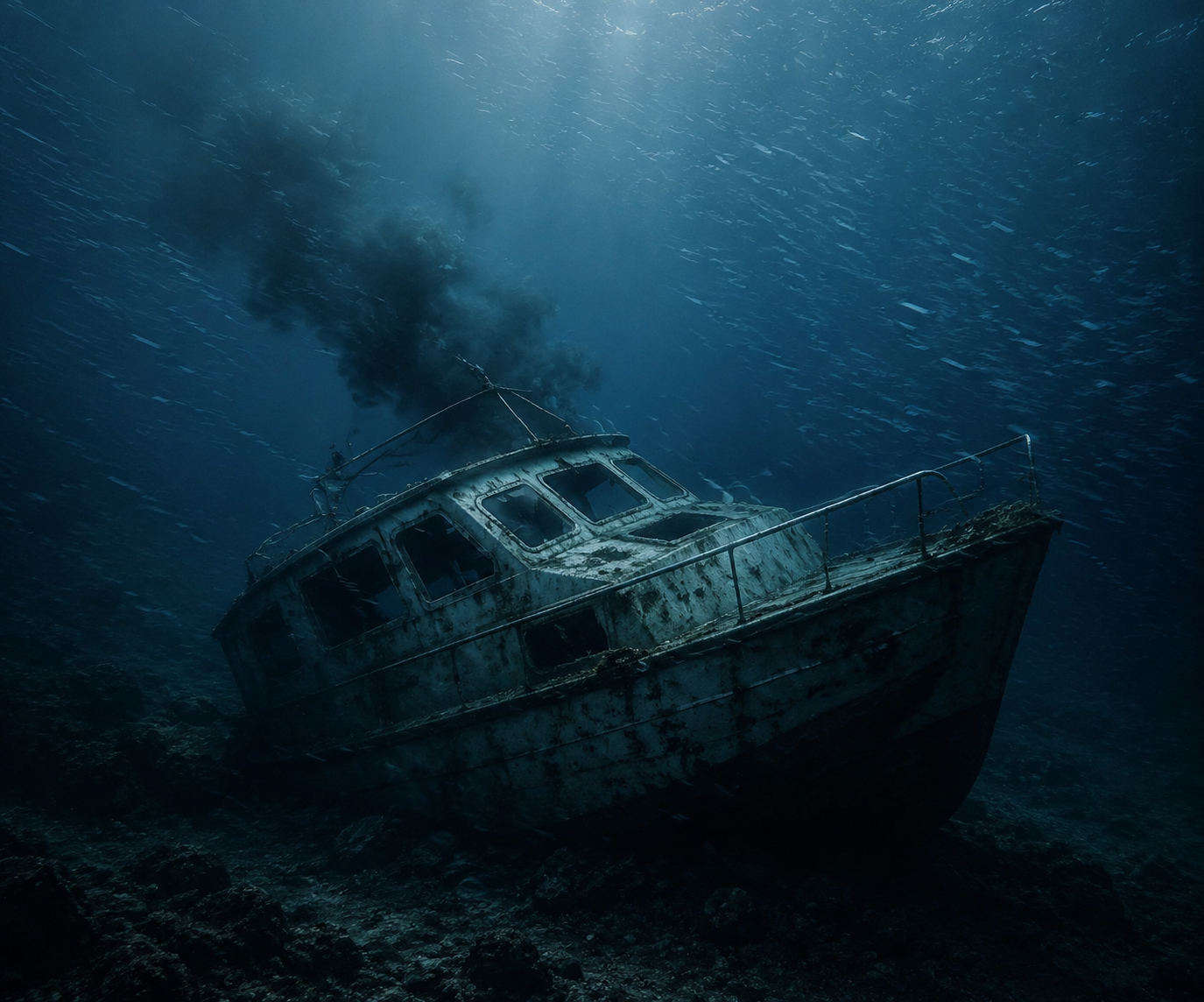
Unseaworthiness and negligent operation theories would require careful factual development. The research materials note an investigator’s observation about possible absence of watertight bulkheads on the recreational vessel, but that observation is not a Coast Guard final finding and should not be written as the cause of the capsize. The legally useful formulation is narrower: if the vessel lacked features or conditions reasonably necessary for the voyage, that fact may become relevant to seaworthiness, causation, and comparative-fault analysis once confirmed through inspection, records, or expert review.
The missing-passenger component also changes the work. Search status, last-known positions, rescue timelines, communications, passenger manifests, weather and current data, and recovery decisions may all bear on causation and damages. The reported count itself shifted in early coverage, with the missing figure updated to three before the Coast Guard suspended active search after roughly 23 hours. [5] That kind of fluidity is normal in breaking maritime casualties, but it is exactly why pleadings should avoid hard causal claims that the evidence has not yet earned.
What should be preserved in the Volare matter
- Vessel ownership, charter, rental, or guest arrangements, including who selected the operator and who controlled the voyage.
- Maintenance, inspection, repair, fuel-system, bilge, pump, stability, and safety-equipment records.
- Passenger lists, witness statements, phone videos, photographs, emergency calls, radio traffic, AIS or GPS data if available, and rescue-agency communications.
- Weather, visibility, tide, current, route, loading, alcohol-service, and operator-training evidence.
- Any inspection, dive, salvage, pollution-response, or recovery records documenting the vessel before conditions change.
A three-year statute can create false comfort. The harder problem may be whether the hull can be inspected, whether fuel leakage or salvage activity alters the scene, whether electronics remain recoverable, and whether passenger witnesses can give reliable accounts after trauma, media coverage, and time. The earlier procedural question is not “what is the case worth?” but “what will still be provable when the complaint is filed?”
Limitation proceedings may appear in either file, but not in the same posture
The City Experiences terms expressly refer to the Limitation of Liability Act. [6] That reference should put counsel on alert, but it should not be confused with a completed limitation adjudication. Vessel owners may seek to limit exposure in maritime casualty litigation, and claimants then have to contest privity, knowledge, valuation, and the adequacy of the limitation fund. Whether such a proceeding is filed, and how it affects either incident, depends on litigation choices not yet shown in the research materials.
The ferry and Volare files would also present different defendant maps. In the ferry matter, counsel would look to the carrier, vessel owner, operator, crew, maintenance contractors, docking procedures, and ticketing entities. In the Volare matter, the first-pass map may include the owner, operator, charter organizer, maintenance providers, equipment suppliers, and any party that exercised control over loading, routing, or passenger safety. Those are investigative categories, not allegations.
Settlement numbers are poor substitutes for routing the claim correctly
Published maritime case results can help lawyers orient a client to the fact that maritime injury and death cases may involve substantial exposure. BoatLaw lists, among other matters, an approximately $2.7 million Catalina ferry passenger settlement, an $8 million wrongful-death result, and a $10 million harbor-worker judgment. [9] Those figures are firm-published examples, not a representative dataset, and they should not be imported into either Alcatraz incident as valuation anchors.
The better use of benchmark numbers is modest. They show that maritime procedural details can matter enough to affect serious claims. They do not answer whether a ferry passenger has a timely notice record, whether a Volare claimant can prove causation, whether comparative fault will be litigated, or whether any limitation action will reshape the case.
The two practical checklists are different
| Issue | Ferry docking crash | Volare capsize |
|---|---|---|
| First document to locate | Passenger ticket terms, booking flow, confirmations, operator terms. | Ownership, charter, guest, or voyage-control documents. |
| Main early deadline pressure | Six-month written notice and one-year suit deadline in ticket terms. | Three-year maritime limitations period, but urgent evidence preservation. |
| Core liability frame | Common-carrier passenger negligence analysis, constrained by enforceable procedural contract terms. | General maritime negligence and potential seaworthiness issues under preliminary facts. |
| Main early evidence risk | Loss of ticketing proof, notice proof, passenger videos, injury documentation, and crew-response evidence. | Submerged vessel condition, fuel leakage, current effects, missing-passenger evidence, and delayed inspection. |
| What not to assume | That no immediate injury report eliminates claims. | That a longer statute means the case can wait. |
Death on the High Seas Act analysis is not a useful shortcut on the current record. The precise location and nautical-mile boundary would matter, and the research materials place the Volare incident off Alcatraz in San Francisco Bay rather than establishing a location outside territorial waters. If that issue becomes relevant, it should be checked against coordinates, not inferred from the word “offshore.”
The cleanest conclusion is also the least dramatic: these are not one bucket of “Alcatraz boat accident claims.” The May ferry crash is dominated at the outset by operator status, common-carrier duties, passenger ticket terms, written notice, suit deadlines, arbitration, and enforceability limits on negligence waivers. The July Volare capsize is dominated by developing maritime facts, vessel condition, possible seaworthiness issues, missing and deceased passengers, and preservation of evidence from a difficult physical scene.
Both files require updating as official investigations and any litigation filings develop. This article is news analysis for legal professionals, not legal advice, and it does not create an attorney-client relationship.
References
- Alcatraz ferry strikes San Francisco pier during docking incident, WorkBoat
- Alcatraz Ferry Crashes Into Pier 31, Passengers Shaken, J&Y Law
- Alcatraz City Cruises ferry slams into San Francisco's Pier 31, shattering passenger windows, ABC7/KGO
- Boat fire near San Francisco's Alcatraz Island, AP News
- San Francisco boat capsizes near Alcatraz, CNN, July 14, 2026
- Terms & Conditions City Experiences, City Experiences
- Ferry Boat Accidents and Liability, FindLaw
- How to Sue for Maritime Injury in California, Naylor Law
- Notable Cases, BoatLaw
Chronological incident history
No sanction cases have named this tool in the tracked record set to date. This does not imply the tool is safe — see Risk Digest for ongoing monitoring.
← Compare peer toolsReport a correction or tip
Spotted an outdated figure, a misstated fact, or a ruling this tool profile should reflect? Public comments are disabled for this content given the professional cost of a misreported case outcome, penalty amount, or rule text — use the structured correction channel instead.
Report a correction or tip for this record →