
The Chaplik case gives Arizona's new election-AI rules a concrete test: a 19-second dark-money PAC video, undisclosed AI-generated images of Joseph Chaplik, more than 420,000 Google views, and a complaint filed July 9, 2026, in Maricopa County Superior Court.
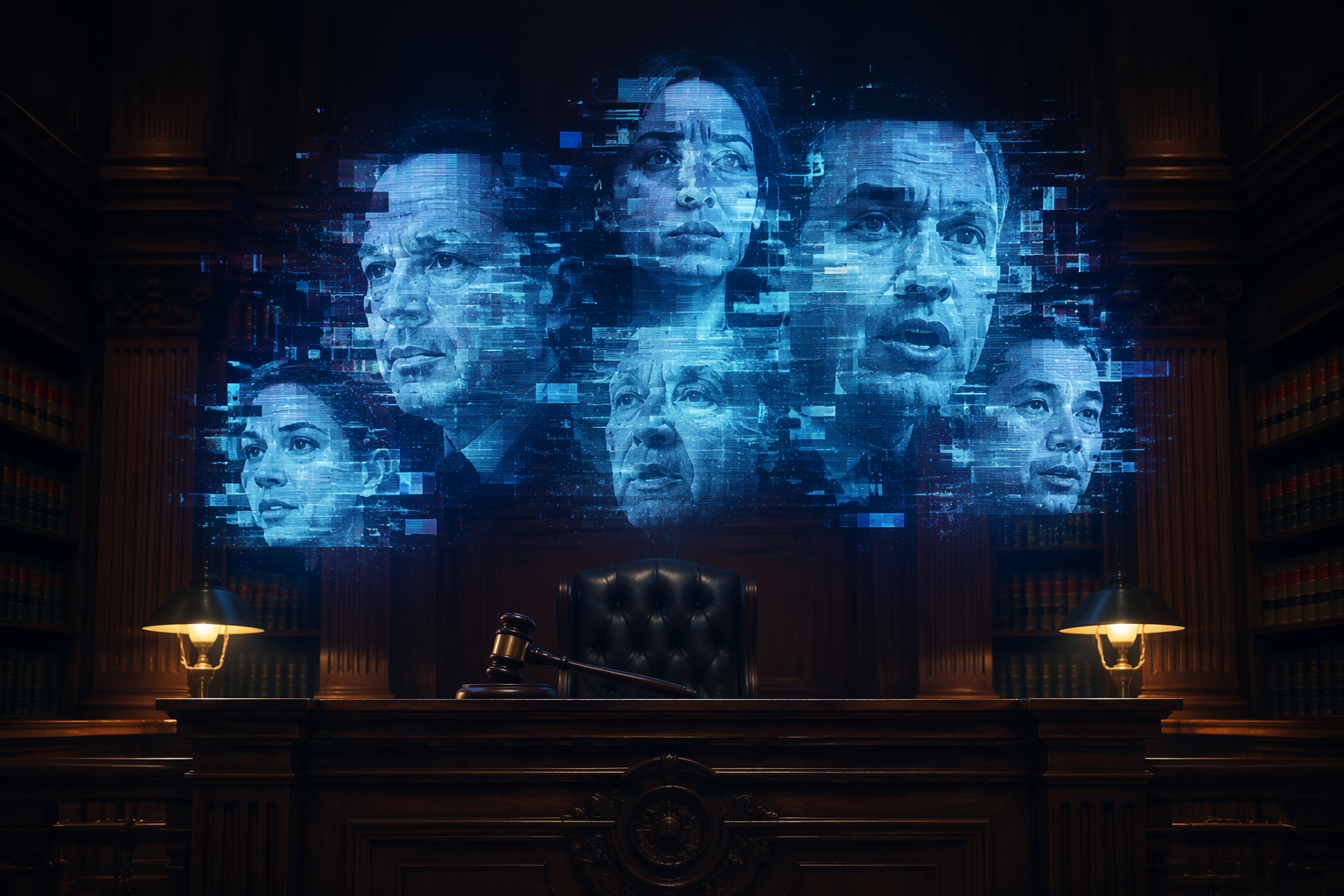
What the ad puts on the record
That filing matters because Arizona did not just revive a defamation claim with an AI label. ARS 16-1023 gives candidates a right to sue over digital impersonations, and ARS 16-1024 bans undisclosed fraudulent deepfakes within 90 days of an election.
| Provision | What it reaches | Why it matters in Chaplik |
|---|---|---|
| ARS 16-1023 | Digital impersonations | A cleaner fit when the ad appears to impersonate the candidate rather than merely say something false. |
| ARS 16-1024 | Undisclosed fraudulent deepfakes in the 90 days before an election | The provision most exposed to First Amendment attack because it regulates political speech close to Election Day. |
That is the practical difference from defamation. Public-figure defamation still carries the actual-malice hurdle, while Arizona's statutes create separate causes of action aimed at impersonation and disclosure failures. The harder question is not whether the ad was offensive or misleading, but whether the legislature created a remedy a court can enforce quickly without turning the case into a full political-speech fight.
The injunction fight
The injunction issue is the real pressure point. A preliminary injunction for political speech requires a showing of likelihood of success on the merits, and no hearing had been scheduled, so the plaintiff's burden is procedural as much as substantive: the record has to be assembled while the ad is still live and the election clock is still moving.
The 90-day ban is where the constitutional risk looks most obvious. Arizona Capitol Times reported that similar laws in California and Hawaii have already been struck down on First Amendment grounds, which is the kind of history that makes courts hesitate before treating an election-season deepfake ban as if it can enforce itself.
Arizona is not alone in trying to police AI campaign content. Public Citizen tracks 31 states with AI disclosure or campaign laws, and 2026 has already produced disputes ranging from Jay Feely's $600,000 pro-AI super PAC to the Thomas Massie primary fight in Kentucky and a Michigan "Hulk" video defended as parody.
Why the PAC matters
If Chaplik can force a dark-money PAC to answer for undisclosed AI content under state law, that will matter more to campaign lawyers than a general warning about deepfakes. It would show that the statute can reach the spending entity, not just the synthetic image on the screen.
No hearing has been scheduled yet, so the case remains a pending test of whether Arizona's disclosure and impersonation rules can reach the spending entity before the election is over.
References
- Joseph Chaplik sues for defamation over dark-money PAC's attack ads — Phoenix New Times
- State AI deepfake laws face first big test in 2026 midterm elections — Arizona Capitol Times, July 21, 2026
- Arizona Revised Statutes: ARS 16-1023 and ARS 16-1024 — Arizona Legislature
Comments
Join the discussion with an anonymous comment.