
Last updated: July 22, 2026. Category: news-and-analysis. This article provides informational coverage of a legal-political process and is not legal advice.
The Todd Blanche confirmation hold is not, at this point, a story about two Republican senators enjoying a little distance from a Republican White House. It is a story about leverage created by arithmetic. After Sen. Lindsey Graham’s death, Republicans on the Senate Judiciary Committee have no spare vote for Blanche’s attorney general nomination: one GOP defection can stop the nomination in committee unless something else changes procedurally or politically. Committee leaders are targeting a July 30 vote, with a possible floor vote in early August if Blanche gets out of committee.[1]
That is why Sens. John Cornyn of Texas and Thom Tillis of North Carolina matter more than ordinary “undecided” members usually do. Cornyn is demanding written changes to an IRS settlement agreement. Tillis has pressed the administration over Epstein survivor engagement and DOJ independence. Both are outgoing senators — Cornyn lost his May 2026 primary, and Tillis is retiring — but their immediate power comes from the committee count, not from biography or cable-news posture.[2]
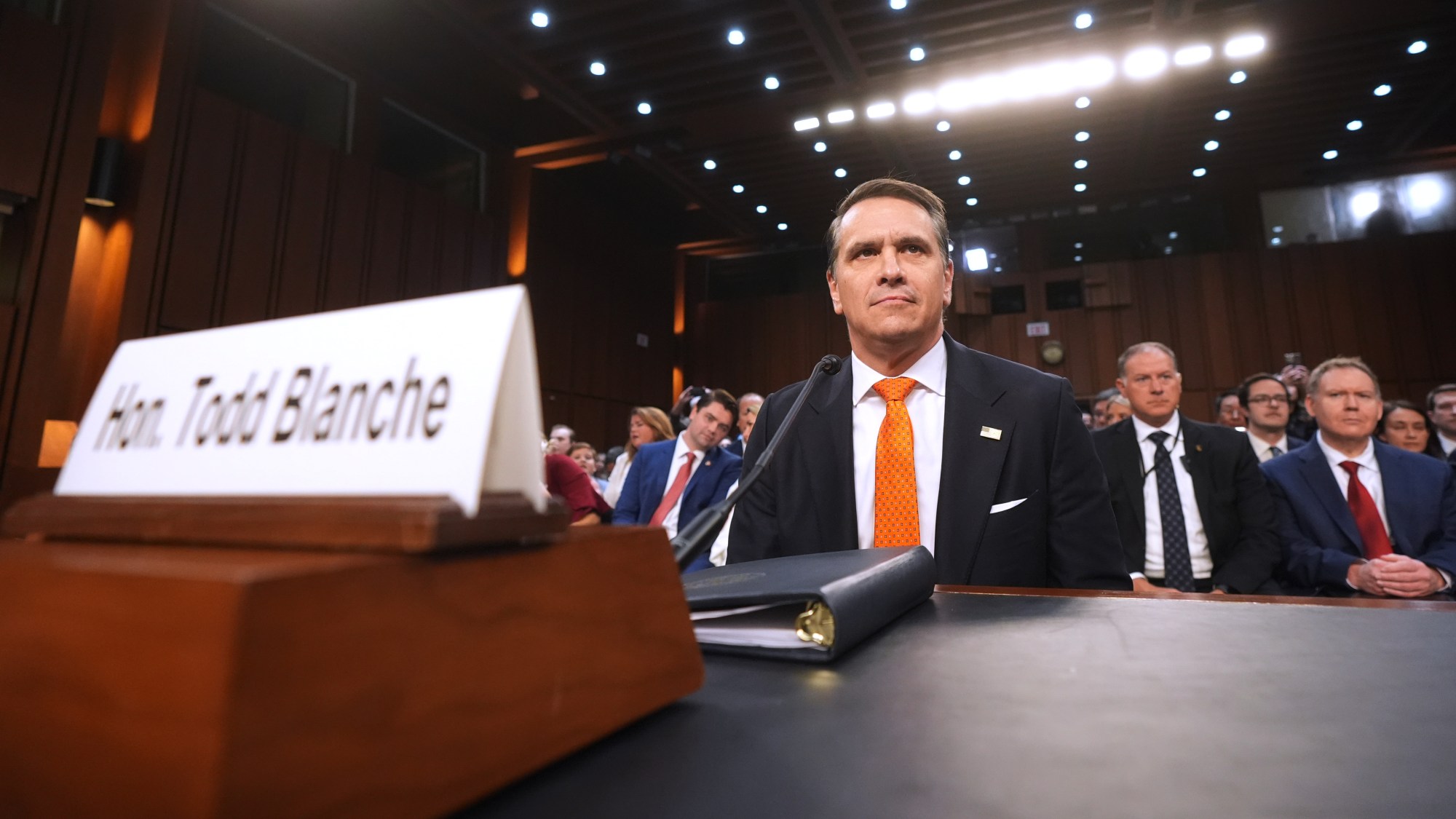
The Hold That Can Actually Bite
There is a useful distinction in confirmation coverage between a senator who is irritated, a senator who is bargaining, and a senator who can change the outcome. Cornyn and Tillis are in the third category because the Judiciary Committee’s current alignment gives a single Republican “no” vote practical blocking power. That does not mean either man will ultimately vote no. It means the White House cannot treat their objections as ordinary noise before a foreordained party-line report.
The committee timetable also compresses the bargaining. A July 30 target does not leave much room for vague commitments to ripen into formal paper, especially where Cornyn is asking for a settlement modification rather than a press statement. If Blanche is reported out, the administration expects the fight to move quickly toward an early August floor vote.[1]
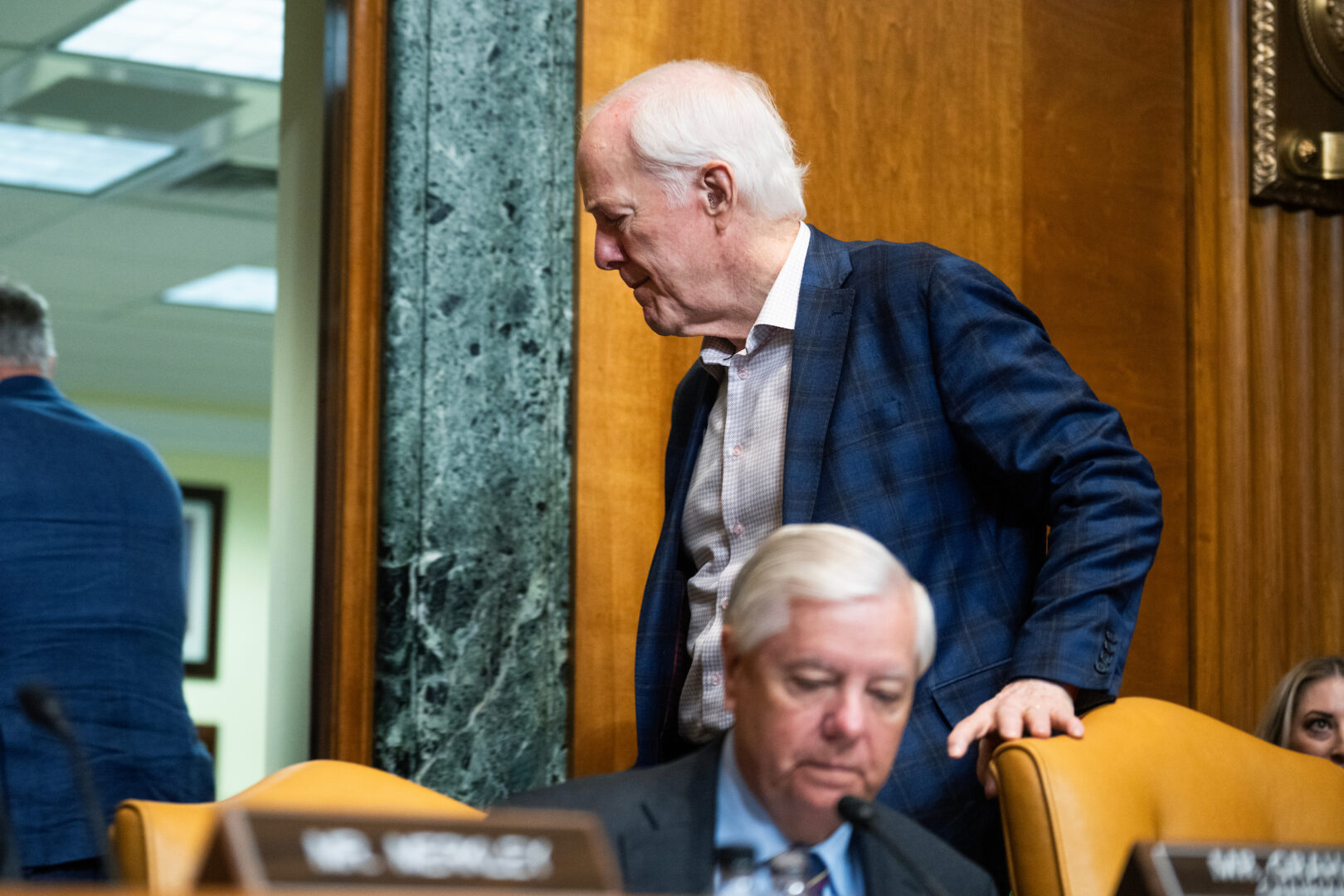
Cornyn’s Objection Is the Harder One
Cornyn’s demand is concrete in the way lawyers recognize immediately: he wants the IRS settlement agreement changed in writing. The dispute centers on a $1.776 billion anti-weaponization fund created by the settlement and a clause providing immunity to members of the Trump family. Cornyn is seeking a written modification that would permanently eliminate the fund and remove the Trump family immunity provision, rather than relying on verbal assurances from Blanche or the Justice Department.[2][3]
That written-versus-verbal distinction is not cosmetic. A senator can ask a nominee at a hearing whether DOJ will do something, receive a careful answer, and still be left with very little enforceable protection once the vote is over. Cornyn’s position appears to be that if the settlement document remains intact, a later DOJ could point back to the paper — not to a confirmation exchange — if the administration wants to revive the fund or preserve the immunity clause.
Blanche’s written responses did not close that gap. CNN reported that Blanche submitted more than 400 pages of written answers and used some version of “inappropriate for me to comment” more than 160 times. On the central point for Cornyn, Blanche declined to rule out reviving the anti-weaponization fund if President Trump directed him to do so.[2]
Nominees dodge. Attorneys general nominees especially dodge when asked about future matters that could come before the department. The problem for Blanche is not that he gave cautious answers in the abstract. It is that those answers sit beside a live settlement provision, a large dollar figure, a disputed immunity clause, and a senator demanding a documentary fix before the committee vote.
The Hill separately reported that Cornyn remained noncommittal as the fight over the anti-weaponization fund continued, underscoring that his hold has not been reduced to a symbolic request for reassurance.[4]
Tillis Looks Closer to Yes, but Not Irrelevant
Tillis’s concerns have run through a different channel. He has focused on Epstein survivor engagement and broader DOJ independence commitments, rather than on the IRS settlement language that is driving Cornyn’s harder demand. That distinction matters because survivor engagement can be addressed through meetings, process commitments, and oversight follow-up; Cornyn is asking for a legal instrument to change.
The Epstein piece should not be flattened into procedure. Survivors and their lawyers have been asked, again, to assess whether officials who say they are listening are actually prepared to account for the department’s choices. Tillis’s pressure helped force that issue into the confirmation process. Related site coverage has examined the survivor meeting with Blanche and why participants left dissatisfied; the point here is narrower, because the nomination math turns on whether Tillis remains a no or can be brought back into the Republican column.
On that question, Tillis appears less dangerous to Blanche than Cornyn does. Politico reported, as cited by CNN and Newsmax, that committee sources believed “Tillis, we think, is squared away,” while Cornyn remained genuinely unresolved.[2][5] That is not a recorded vote. It is still a meaningful signal about where the administration’s immediate risk is concentrated.
Tillis’s leverage also comes with a different institutional flavor. He is not asking only whether Blanche will say respectful things about survivors or general things about independence. He is pressing a nominee who would supervise DOJ’s public-facing posture on politically charged matters, including Epstein-related files, while also serving a president with unusually direct stakes in department decision-making. NPR and PBS both reported on Blanche’s confirmation-hearing answers concerning DOJ independence and Trump-related matters, including Epstein-file questions.[6][7]
What Blanche Has Not Conceded
The open question is not whether Blanche can offer the committee more words. He already has. The open question is whether those words bind anyone after confirmation.
For Cornyn, the missing concession is a written settlement modification that permanently kills the anti-weaponization fund and removes the Trump family immunity clause. Anything less leaves the document in place and asks senators to trust future executive-branch restraint. That may be enough for some members. It is not the thing Cornyn has demanded.
For Tillis, the missing concession is harder to measure. DOJ independence commitments often arrive in the familiar language of norms, appropriate channels, and case-by-case obligations. Those statements can matter, but they are rarely self-executing. Their value depends on what the nominee is willing to say when a specific presidential instruction collides with DOJ’s legal responsibilities.
That is why Blanche’s refusal to rule out reviving the fund if Trump directed it is so important. It is not merely another non-answer in a long written record. It is the non-answer that lands on the same square as Cornyn’s demand for a written fix.[2]
The Near-Term Vote Path
As of July 22, the expected sequence is straightforward but fragile: negotiate with Cornyn and Tillis, attempt a Judiciary Committee vote around July 30, and, if Blanche is reported favorably or otherwise reaches the floor, push toward an early August confirmation vote.[1] The fragility lies in the first step. If Cornyn does not accept the administration’s response, the committee vote can fail before the broader Senate ever gets to test its appetite for Blanche.
| Actor | Current Pressure Point | Why It Matters |
|---|---|---|
| John Cornyn | Written modification to IRS settlement | One GOP no can block Blanche in committee; verbal assurances may not bind DOJ later |
| Thom Tillis | Epstein survivor engagement and DOJ independence commitments | Reportedly closer to resolution, but still relevant because the committee margin is unforgiving |
| Todd Blanche | Written answers and hearing commitments | Has not ruled out reviving the anti-weaponization fund if Trump directed it |
| White House | Keeping the nomination moving | Must satisfy senators with leverage before the July 30 target |
The White House can still solve this. It can negotiate language, secure public commitments, or persuade senators that the political and institutional costs of a no vote are too high. But the record available now supports a narrower conclusion: Tillis appears closer to resolution, while Cornyn’s written-modification demand remains the harder obstacle.
A stalled confirmation would not necessarily remove Blanche from DOJ leadership. The current materials indicate that if the Senate does not confirm him on the expected timeline, Blanche can continue serving as acting attorney general under the Federal Vacancies Reform Act.[2] That fallback changes the pressure calculation. It means a failed or delayed vote would be a serious institutional rebuke, not an automatic ejection from the department.
So the live legal-procedural posture is this: Cornyn and Tillis are exploiting a rare point of leverage created by the Judiciary Committee’s narrowed Republican margin; Cornyn’s hold is the more substantive barrier because it asks for a written change to the IRS settlement; Tillis appears closer to yes but still controls a vote Blanche cannot casually lose; and the nomination can stall even while Blanche remains in acting command at DOJ.
References
- Blanche timeline, Punchbowl News
- Todd Blanche confirmation Cornyn Tillis, CNN
- Blanche AG confirmation Cornyn anti-weaponization, The Hill
- Blanche AG confirmation battle, The Hill
- Cornyn Tillis Blanche confirmation undecided, Politico; Todd Blanche confirmation Thom Tillis, Newsmax
- Todd Blanche Senate confirmation attorney general takeaways, NPR
- What Blanche said about Trump, Epstein files during confirmation hearing, PBS
Comments
Join the discussion with an anonymous comment.