
The first question is not whether AI was involved on a dating app, but whose AI it was and whose conduct the complaint really targets. If the deception came from a user, a bot account, or an automated script, Section 230 is usually the first and strongest defense. In Doe v. Grindr, the Ninth Circuit rejected Section 230 liability for a claim that Grindr matched a user with a stalker, and it also refused to turn vague promises of "safety" in the terms of service into a separate damages theory. [1] That is the current defense posture: if the pleading is really about third-party content, the platform starts behind the immunity line.
That baseline is not new. Herrick v. Grindr treated the harm as flowing from third-party user conduct, not from Grindr's own speech, and Section 230 barred the claim. [2] Most "chatfishing" complaints still fit that pattern: a chatbot writes the messages, a fake profile carries the story, or an automated script keeps the conversation alive. Those cases are hard to turn into platform liability unless the plaintiff can separate the app's conduct from the user's deception.
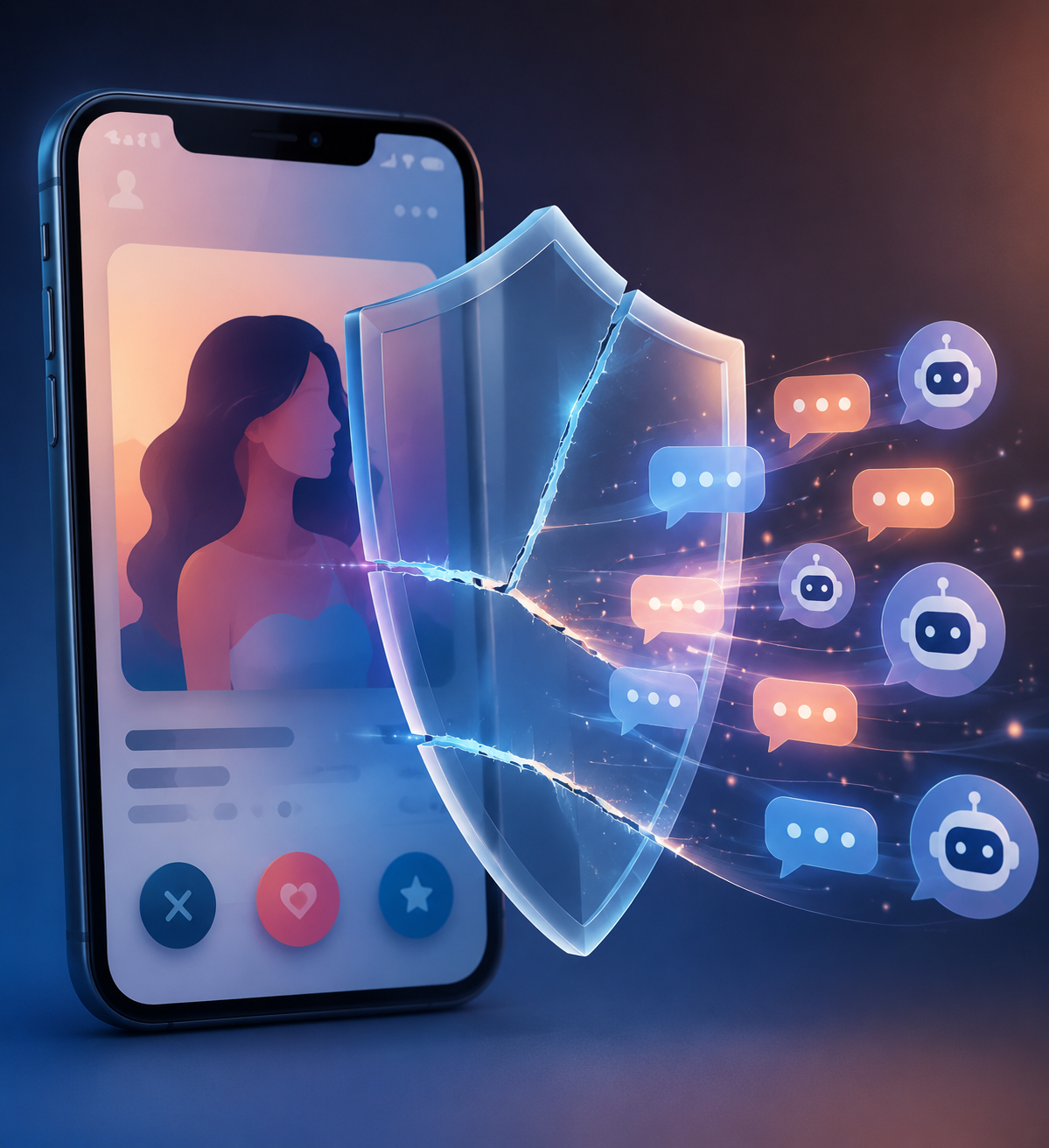
Where the complaint can survive
The cleanest crack is platform-generated AI. If the app itself writes the opening line, suggests the response, selects the photo, or otherwise speaks in its own voice, the platform starts to look less like a passive host and more like an information content provider. That is the most direct way around Section 230 because the claim is no longer about third-party content; it is about the platform's own output. The line is narrow, but it is real, and it is the one plaintiffs should plead with the most care.
The harder but often more promising theory is recommendation liability. Anderson v. TikTok matters even though it was not a dating-app case, because the Third Circuit treated algorithmic content recommendations as a possible step outside Section 230. [3] A matching system that actively pairs users with accounts the platform knows, or should know, are scammers or bot operators can be framed less as neutral hosting and more as an affirmative design choice. That is not the same thing as saying every matching algorithm is liable; it is saying the complaint gets farther if it attacks how the system sorts, amplifies, or routes users rather than the content of the scam message itself.

The design-liability analogy comes from Lemmon v. Snap. The Ninth Circuit allowed a product-liability claim to proceed where the challenge was to a feature design rather than to third-party content. [4] That distinction matters in dating-app cases because a negligent-design pleading can focus on the app's own architecture: frictionless messaging, weak identity checks, automated suggestions, or interface choices that make deception easier to scale. The claim stays viable only if it remains on the design side of the line; once it turns back into "the app should have removed the bad message," Section 230 starts doing the work again.
The surrounding statutes do not change the center of gravity much. FOSTA matters only in sex-trafficking cases, and newer transparency or notice laws may shape compliance conversations, but they do not supply a broad private damages theory for ordinary chatfishing. The label itself is still recent and unsettled, so the litigation has to ride on older doctrines: publisher liability, co-development, recommendation logic, and feature design.
The workable bottom line is narrower than the headlines suggest. Dating apps can usually invoke Section 230 against user-deployed AI deception, especially when the complaint really targets messages written by someone else. But a plaintiff who pleads around the user-content problem and focuses on the platform's own AI output, its recommendation logic, or a feature design that materially shapes the deception has a real chance of surviving a motion to dismiss. The closer the complaint tracks the circuit law and the less it overclaims about vague safety promises, the better the odds.
Comments
Join the discussion with an anonymous comment.