
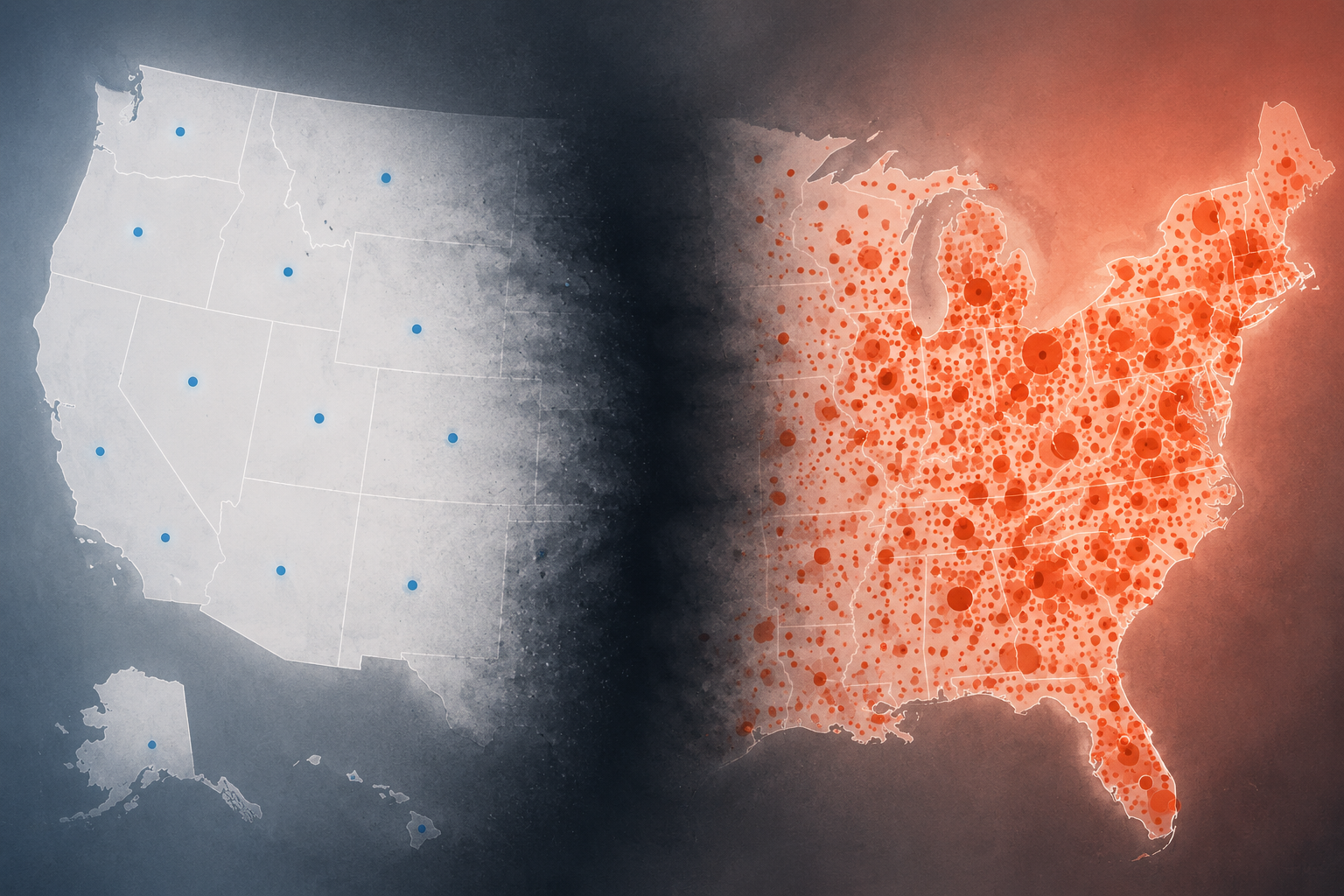
As of July 19, 2026, the Cyclospora outbreak is already a counting problem before it is a lawsuit problem: the CDC has 1,645 confirmed cases across 34 states as of July 13-14, while state-level reporting is closer to 9,000 illnesses, and those are not apples-to-apples figures because they come from different surveillance methods and are still moving [1].
Why the count stays split
The gap is not just a reporting lag. CDC removed Cyclospora from FoodNet in 2025, which cut one of the federal systems that was designed to catch outbreaks early. On top of that, routine ova-and-parasite stool testing can miss Cyclospora unless a clinician specifically requests it, and the parasite cannot be cultured in the lab for whole-genome sequencing, which means investigators lose the kind of strain-level evidence that can tighten traceback work [2].
CIDRAP also reported that experts viewed the CDC branch handling the outbreak as inexperienced in this kind of investigation, and Michigan's chief medical executive described the state-level process as hampered by antiquated data systems that need modernization. Put together, those limits explain why the system can know enough to warn, yet still not know enough to count cleanly or quickly [2].
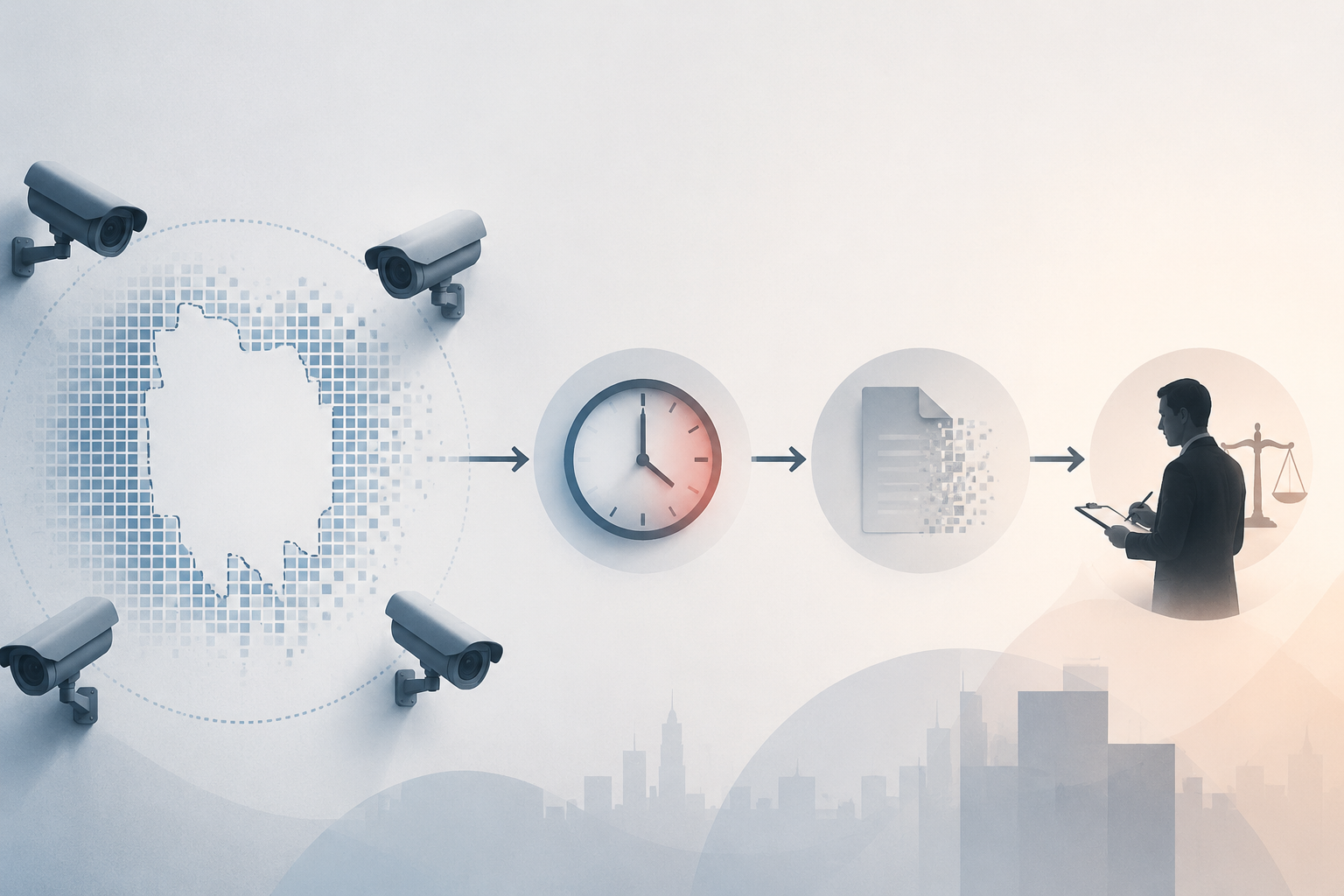
That is why the number gap matters more than the outbreak headline. When the public-health clock runs slowly, advisories arrive after receipts, menu histories, shopper records, and sometimes stool samples have already aged out or disappeared. The result is a narrower plaintiff pool, because not every illness gets identified in time to be tied to a source, and not every exposed consumer can be assembled into a usable case file.
What the gap changes in court
In this lawsuit update, the practical issue is tempo. A firm like Marler Clark is not just filing against Taco Bell and a supplier and waiting for the agencies to finish the work; it has to help reconstruct the exposure while evidence is still fragile. That means interviewing patients sooner, preserving purchase and travel records sooner, and treating each delayed advisory as a loss of investigative leverage.
The public-health shortfall also changes how the litigation story gets built. If the case count is underinclusive, the pool of potential clients is underinclusive too, which makes civil discovery look less like confirmation of a known event and more like an attempt to map the event in real time. That is a materially different posture for plaintiffs' firms, and it is exactly what a weak surveillance system pushes onto private lawyers.
Consumer advocates are pointing to the same structural fix from another angle: restored CDC funding, more FDA lab capacity, and a food traceability system that can move from source to retailer faster than a press cycle can. Those are not litigation strategies; they are the conditions that would make litigation less necessary as a substitute for epidemiology [3].
The clearest reading of the Cyclospora record is therefore narrow and practical. This is a federal-state counting gap that slows advisories, obscures the plaintiff pool, and forces private firms to carry part of the investigation load because public systems cannot count, sequence, and warn fast enough to stay ahead of the evidence [1][2].
References
- CDC Health Alert Network (HAN) Advisory CDCHAN-00531, July 13-14, 2026, CDC HAN Advisory CDCHAN-00531
- “What We Truly Know About the Huge US Cyclospora Outbreak — and What We Don't,” CIDRAP, CIDRAP
- “Cyclospora Outbreak 2026: What Consumers Need to Know and What Must Change,” Consumer Reports, Consumer Reports
Comments
Join the discussion with an anonymous comment.