
The November 2, 2026 trial date is still on the board, but it is not settled enough to treat as fixed. Since the January 2026 summary judgment ruling, Cornell, Georgetown, MIT, Notre Dame, and Penn have kept pushing appellate paths while Judge Matthew F. Kennelly has continued to move the case toward trial in the Northern District of Illinois [1][6].
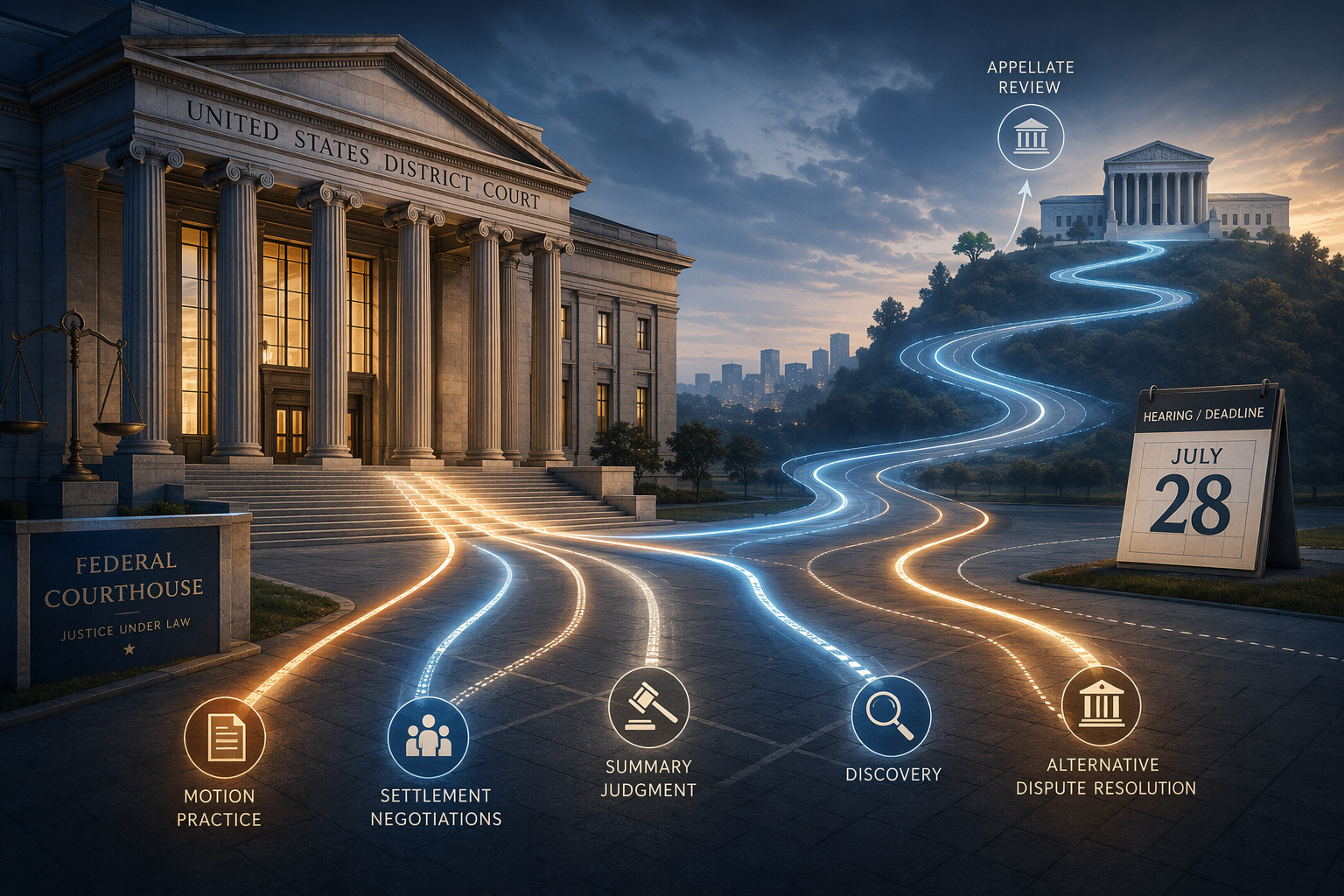
The January record
The January ruling was a real loss for the universities, not a routine setback. The court said internal university documents showed a "Consensus Approach" and held that a jury could reasonably find illegal price fixing [1].
That is why the universities moved quickly for interlocutory review in January, then faced student opposition in February arguing that the case should keep moving in the district court before any appeal [2]. The filing sequence matters because it shows the fight was never limited to one clean appeal; the defendants were trying to find whatever route might slow the case down before trial.
June changed the scale
The case took on a much larger shape on June 2, when the court certified a class of tens of thousands of former students [3]. That changed the practical stakes. This was no longer just a liability dispute over a few named plaintiffs; it became a class action with a far broader damages base and much more settlement leverage on both sides.

Plaintiffs' expert Dr. Hal Singer calculated $685 million in single damages, which would rise to more than $2 billion once the Sherman Act's trebling rule applies [5]. The number is useful mainly as a pressure point: it explains why the appellate fight is worth so much effort.
The June 17 petition is the hinge
The load-bearing event came on June 17, when the universities filed a Seventh Circuit petition asking the appeals court to bar the class action entirely [4]. That is a separate appellate gamble from the earlier interlocutory appeal request, and it matters because it reaches for a different choke point in the case. Calling it "narrow" would miss the point; if the petition succeeds, it could alter the trial calendar directly.
The current procedural status of that petition - whether it has been docketed, briefed, argued, or decided - remains unconfirmed in the available sources. Until that changes, the only safe reading is that the November 2 date remains live but conditional on what the Seventh Circuit does next [4][6].
Readers who need the settlement track should keep it separate from this appeal posture. The payment side for the settling schools is covered in College Financial Aid Antitrust Settlement Payments, while this case keeps turning on the five non-settling defendants and the unresolved Seventh Circuit petition.
References
- Schools Want To Appeal Financial Aid-Fixing Antitrust Case — Law360 — January 2026 — law360.com/articles/2435119
- Schools Must Face Financial Aid Suit Before Appeal: Students — Law360 — February 2026 — law360.com/articles/2440443
- Federal Court Certifies Class of Tens of Thousands of Alumni in Elite University Financial Aid Price Fixing Case — Berger Montague — June 2, 2026 — bergermontague.com
- June 17, 2026 Seventh Circuit petition update — Berger Montague — June 17, 2026 — bergermontague.com
- Temple Law 10-Q analysis of Dr. Hal Singer's damages calculation — Temple Law — law.temple.edu/10q
- Penn to face trial in $2 billion lawsuit — The Daily Pennsylvanian — thedp.com
Comments
Join the discussion with an anonymous comment.