
The hard record is already ugly: the captain and first engineer are in custody after positive cannabis tests, and the prime minister said he was confident 179 people were aboard even though the manifest listed 133.[1] For years, passengers had complained that ticket clerks were taking cash and leaving seats off the manifest, which makes the headcount gap look less like an accounting error and more like a system.[2] The ferry management team has also been suspended, so the case is no longer about a single bad watch on a single night.[3]
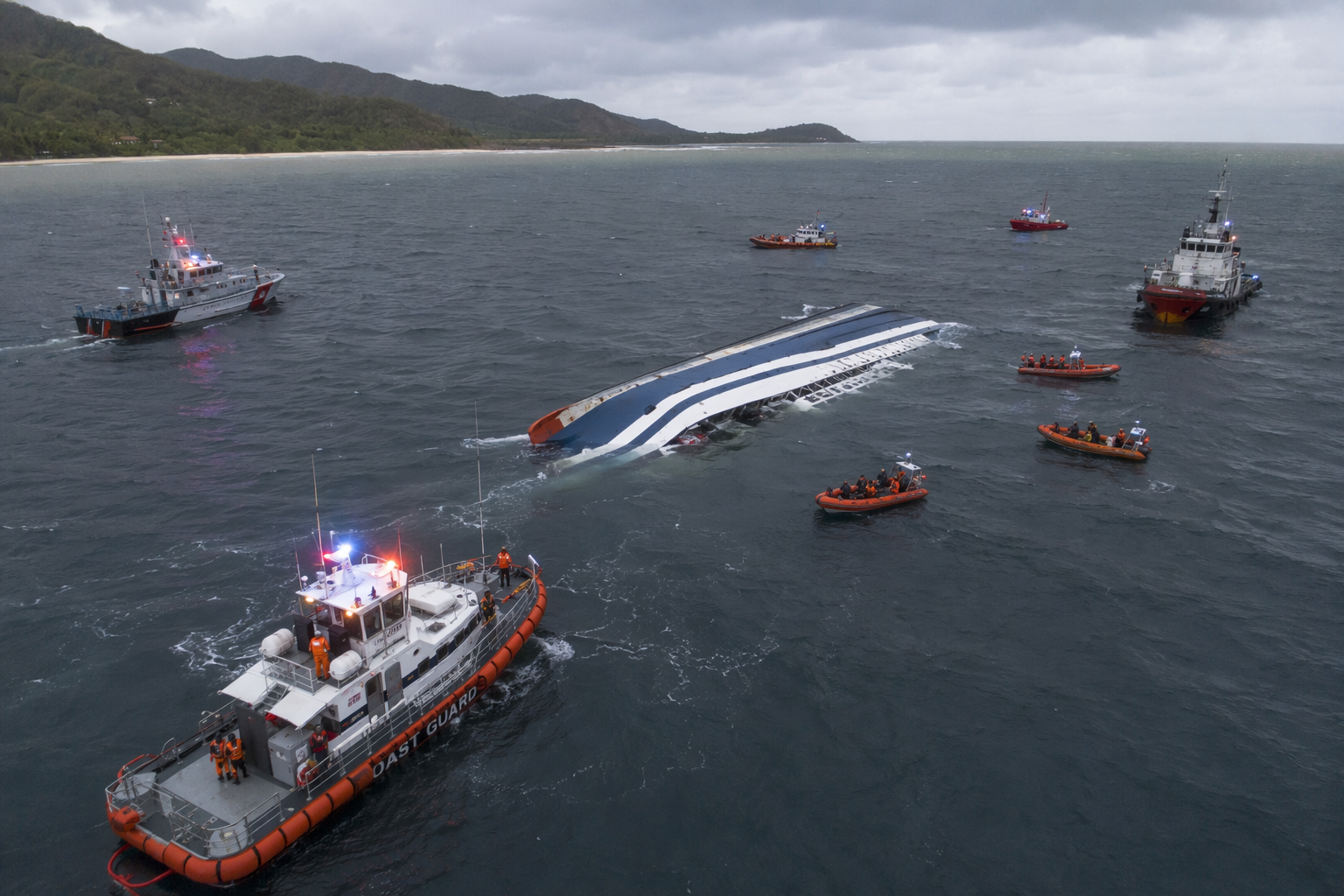
MARAD is not a bystander here. Its public mandate covers vessel surveys, crew certification, accident prevention, and cargo investigations, which is the part of the file where oversight failures can hide inside ordinary paperwork.[4]
Who answers for what
The first criminal question sits with the captain and first engineer. Their detention and positive cannabis tests create obvious exposure for impairment-related offenses, and if investigators can tie that impairment to the capsize or the deaths, the case can move into much more serious territory.[1] That still has to be proven. Toxicology alone does not answer who made the critical navigation or engine-room decisions, so the real evidence will be bridge logs, engine orders, radio traffic, watch schedules, and witness accounts.
The civil case is wider and, for claimants, more important. The likely defendants are the ferry operator and the Government of Guyana as the entity actually running the service, because liability will follow operational control, not just a name on the side of the vessel. Guyana's Shipping Act Part VIII appears to provide a limitation regime for shipowner liability, which means the first damages fight may be over whether exposure is capped at all.[5] That is where the captain's drug use matters beyond misconduct: if claimant counsel can connect it to negligent hiring, weak supervision, tolerated manifest fraud, or some other managerial failure, the owner-side limitation defense starts to look much less comfortable.[5] The unresolved 133-versus-179 passenger count is not housekeeping; it changes reserve sizing, notice, and settlement pressure because every unmanifested passenger is another reminder that the boarding record cannot be trusted.[1][2] The vessel's age matters less than that paper trail, though a 1939 build and a May 2024 dry-dock with another docking scheduled for October 2026 show that maintenance was not a one-day issue.[2]
- Crew impairment case: toxicology, custody records, bridge orders, engine logs, and witness statements.
- Operator case: ticketing records, manifest reconciliation, cash-sale receipts, loading procedures, and training files.
- Limitation fight: ownership, control, and supervision documents that show who had actual fault or privity.
- Regulatory case: MARAD surveys, certifications, defect notices, and accident-prevention records.
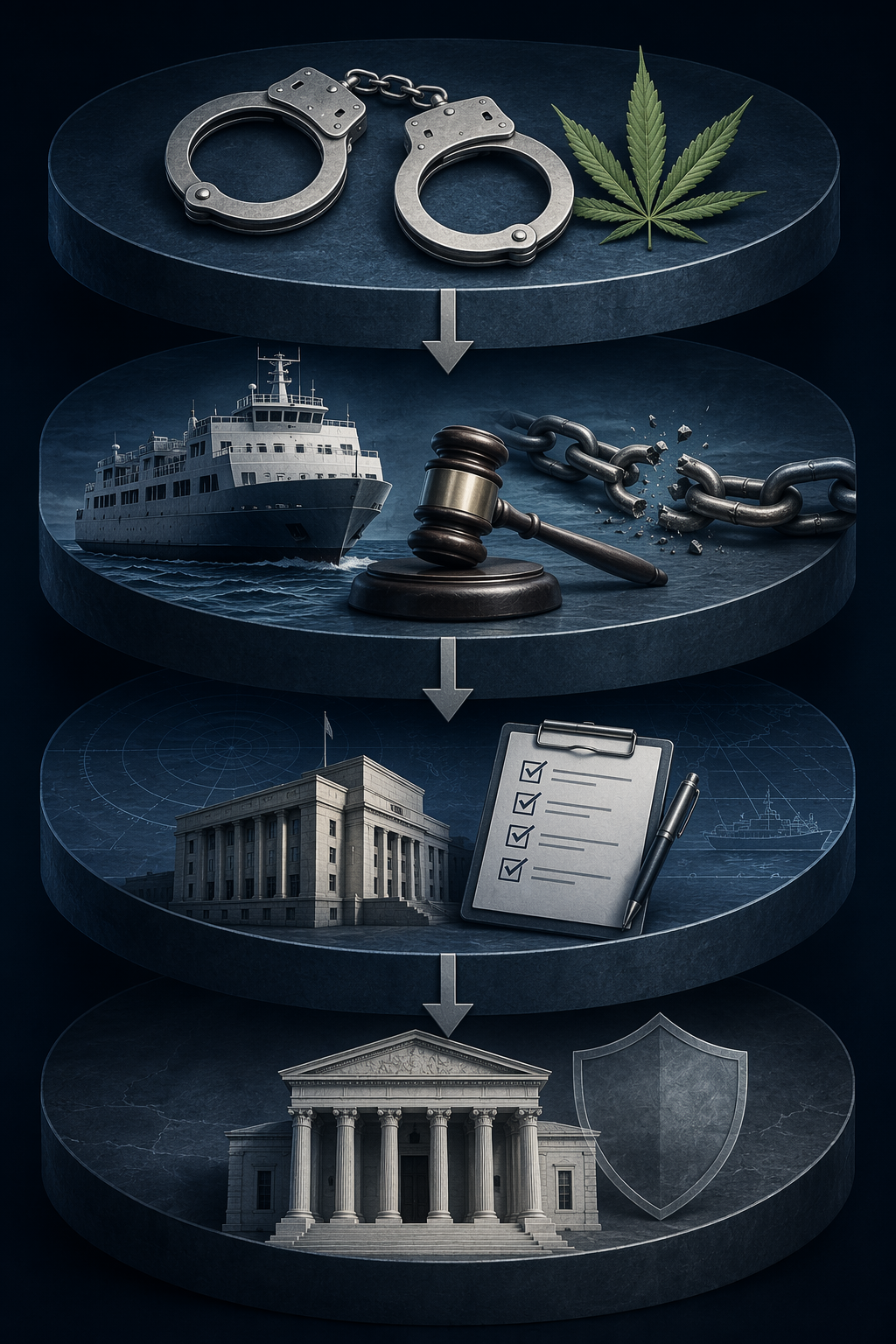
MARAD and the regulatory file
That regulatory layer should be treated separately from the crew case. A survey and certification system can fail even when the bridge team also failed, and the point of that distinction is practical: document requests, preservation letters, and oversight inquiries change depending on whether the target is the operator, MARAD, or both. MARAD's own mandate page gives claimants and investigators a clear map: vessel surveys, crew certification, accident prevention, and cargo investigations are all inside its lane.[4] If those functions were not carried out, or were carried out on stale assumptions, the problem is not just an unlucky voyage; it is a regulatory record that may not survive close inspection.
Sovereign immunity, briefly
A sovereign-immunity defense looks weaker when the state is not just regulating but directly operating the ferry service. That does not eliminate every public-law defense, and it does not make damages automatic, but it does narrow the room for the government to say this was somebody else's problem. For a claimant, the practical move is to keep the tracks separate: one against the crew, one against the operator and owner, one against MARAD's record, and one against any immunity argument that tries to collapse those distinct failures into a single unfortunate event.
This analysis is informational and for risk-assessment purposes only, not legal advice. Formal charges, civil filings, and official findings may still change the allocation of fault, but the useful point right now is that the MV Barima casualty is not one case but four overlapping ones, each with its own standard, defense, and evidentiary burden.
References
- Guyana ferry capsizing investigation - AP News
- Guyana’s ferry system on trial after MV Barima sinks - Guyana Graphic
- Guyana ferry capsizing aftermath report - BBC News
- Maritime Administration Department - MARAD
- Shipping Act, Cap. 49:01 - FAOLEX
Comments
Join the discussion with an anonymous comment.