
The NFL Personal Conduct Policy says the league can discipline conduct even when it does not produce a criminal conviction. That rule controls the Michael Wilhoite arrest-and-rehire question for the Broncos. The charges being dismissed changed the courtroom posture, but they did not end the league’s independent authority to fine or suspend him if it finds conduct covered by the policy.[1]
The policy language that still controls
The most useful way to read the policy is narrowly. The publicly available version most often cited is the 2014 revision, and it reaches coaches as well as other team employees. It also makes the league’s baseline view of assault and battery clear: discipline can follow even without a criminal conviction, and the policy contemplates a six-game suspension as the starting point for that category of conduct.[1]
That matters because Wilhoite’s criminal case was narrowed by procedure, not by a league determination. A dismissal tells you what happened in court. It does not tell you whether the league will treat the underlying conduct as conduct detrimental to the shield.
What is still open in Wilhoite’s file
| Date | Procedural marker |
|---|---|
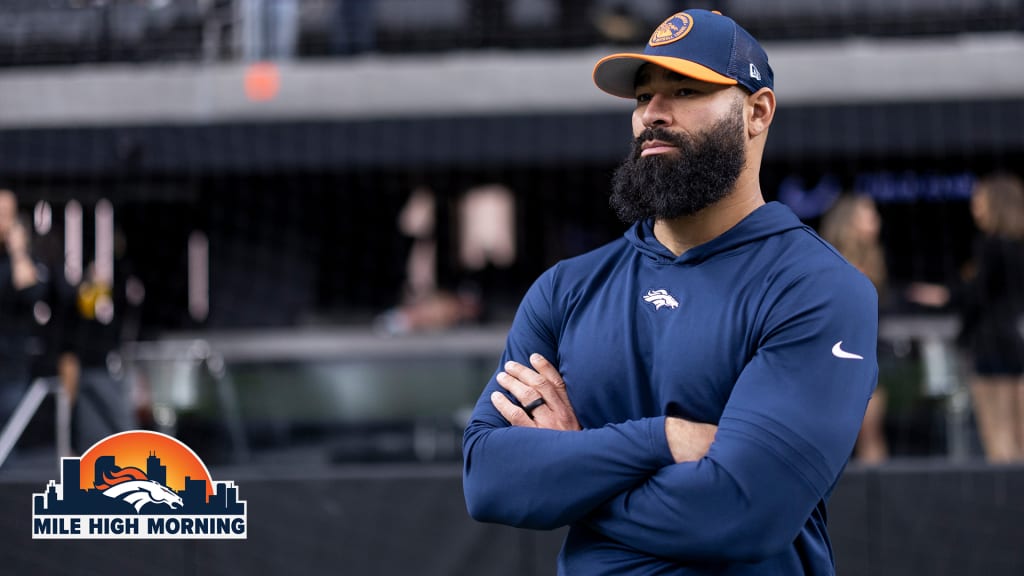
| March 2025 | The Broncos fired Wilhoite the day after his arrest on suspicion of assaulting a police officer.[2] |
| September 2025 | The felony assault charge was dismissed, which was an intermediate step before diversion became available.[4] |
| June 2026 | The remaining criminal charges were dismissed and sealed, and the civil suit stayed alive in parallel.[5] |
| Late 2026 / early 2027 | The civil case carried a December 22, 2026 mediation deadline and a March 2027 trial date.[5] |
The dismissal and sealing date matter less than the shape of what remained. According to the June 2026 reporting, officer Jesus Galvan Chavez still had a civil suit pending for assault, emotional distress, medical expenses, and lost earnings, and Wilhoite’s lawyer said the diversion arrangement remained part of the case posture.[5] That is enough to keep the matter live even after the criminal docket stopped moving.
The earlier diversion history also explains why the file never really became clean. In March 2025, diversion was initially denied while the felony charge was still pending because the complaining officer would not agree.[3] When the felony charge later fell away, the path to a conditional diversion posture opened, but the public record does not disclose the individual terms.[4][5]
Why the Merritt example is useful, but not controlling
The closest recent benchmark is Dave Merritt. In May 2026, reporting said the Chiefs defensive backs coach had been arrested for domestic battery, that the charges were dismissed, that the NFL investigated, and that the league declined to discipline him.[6] That is the right comparison point because it shows the policy being exercised in real time rather than imagined on paper.
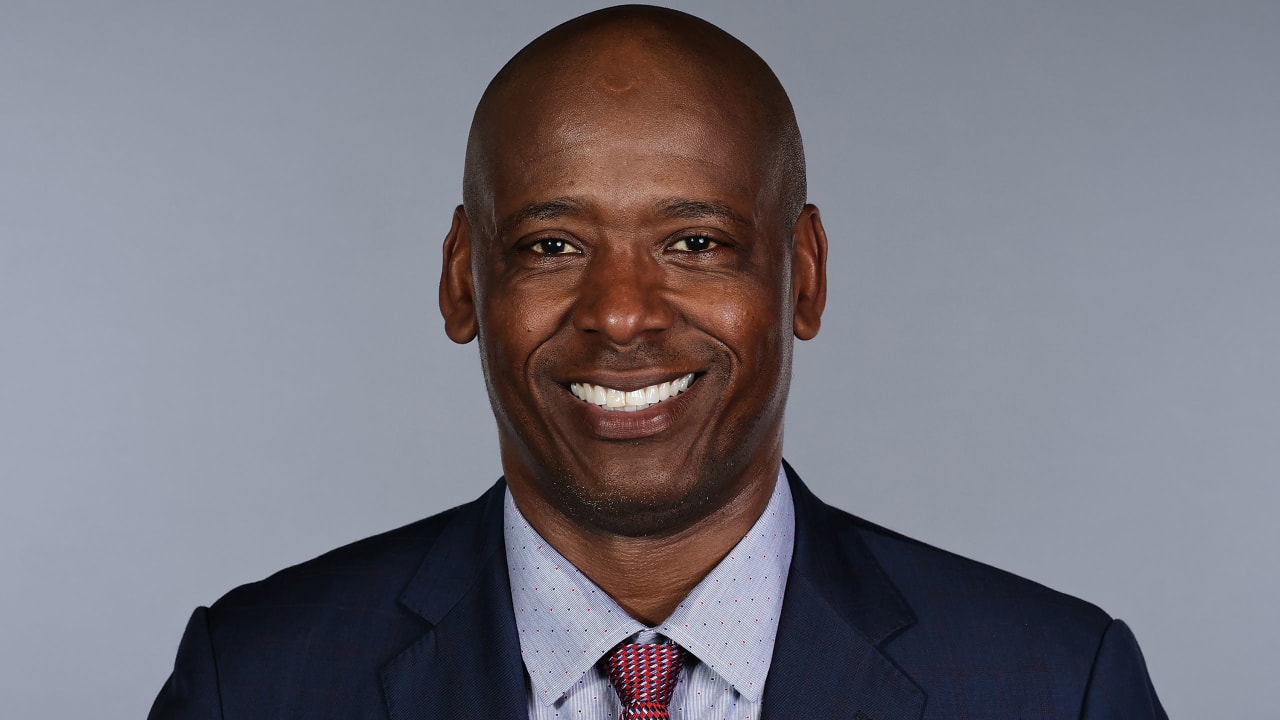
But it is only a benchmark. Merritt involved domestic battery; Wilhoite involved an alleged assault on a police officer. The jurisdictions, records, and factual settings differ enough that a clean analogy would be careless. The useful lesson is narrower: dismissal of criminal charges does not force the league’s hand in either direction. It leaves the league with discretion.
What silence means here
As of July 2026, there has been no public NFL announcement that the league has opened or closed a Wilhoite investigation. That absence is not a meaningful exoneration signal. The Personal Conduct Policy process is confidential enough that silence can mean nothing more than the league is still working the file, or that it has chosen not to speak yet.
For the Broncos, that is the practical legal problem. Re-hiring him after the criminal dismissal may be operationally possible, but the employment decision sits alongside a separate league-discipline risk, a still-pending civil case, and a diversion posture that may still matter if its conditions are not fully satisfied. The Broncos have a re-hire that is operationally possible, but the legal picture is still unfinished.
References
- “NFL owners endorse new personal conduct policy” NFL.com.
- “Broncos fire OLB coach Michael Wilhoite following arrest on suspicion of assault on police officer” NFL.com, March 2025.
- “Michael Wilhoite denied diversion deal in police assault case” Denver Post, March 13, 2025.
- “Ex-Broncos coach Michael Wilhoite's felony assault case dropped” Denver Post, September 18, 2025.
- “Charges against former Broncos OLB coach Michael Wilhoite dropped, civil suit ongoing” Denver Post, June 8, 2026.
- “NFL reportedly will not punish Chiefs DB coach Dave Merritt after offseason arrest for domestic battery” Yahoo Sports, May 2026.
Comments
Join the discussion with an anonymous comment.