
The report is the rationale, not the headline
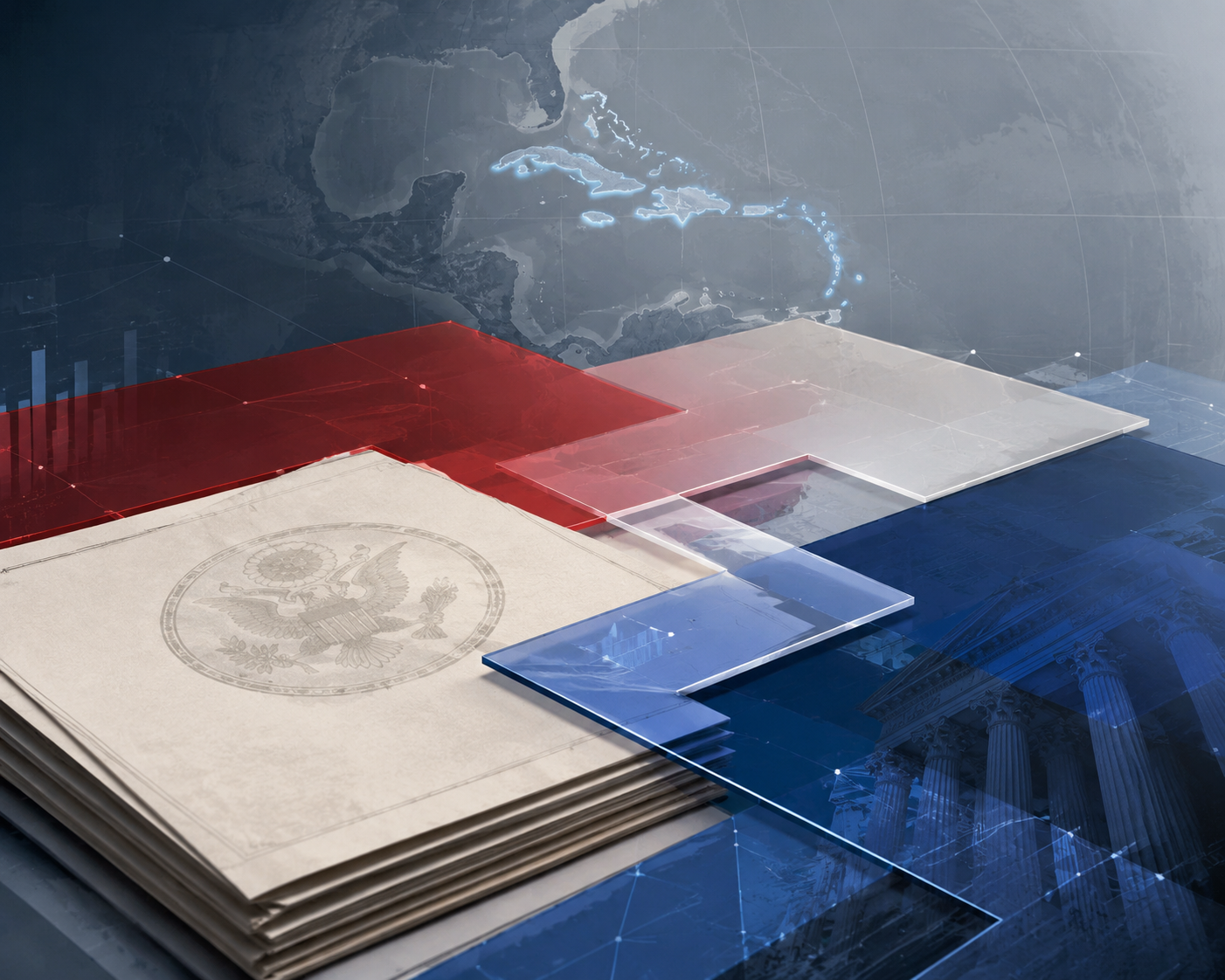
The July 2026 State Department Cuba extremism report, as described in July reporting, matters because it is not the legal change; it is the rationale. In practice, it sits behind EO 14380, which declared a national emergency over Cuba and opened tariff leverage against countries supplying oil to Cuba, and behind EO 14404, which created a separate IEEPA-based blocking sanctions program with secondary sanctions authority. The June 11 CUPET designation then showed how quickly that architecture can be aimed at state-linked energy counterparties, while the Cuba Restricted List remained the baseline due diligence layer for military, intelligence, and security-linked entities.[1][2][3][4][5][6]
What EO 14404 changes
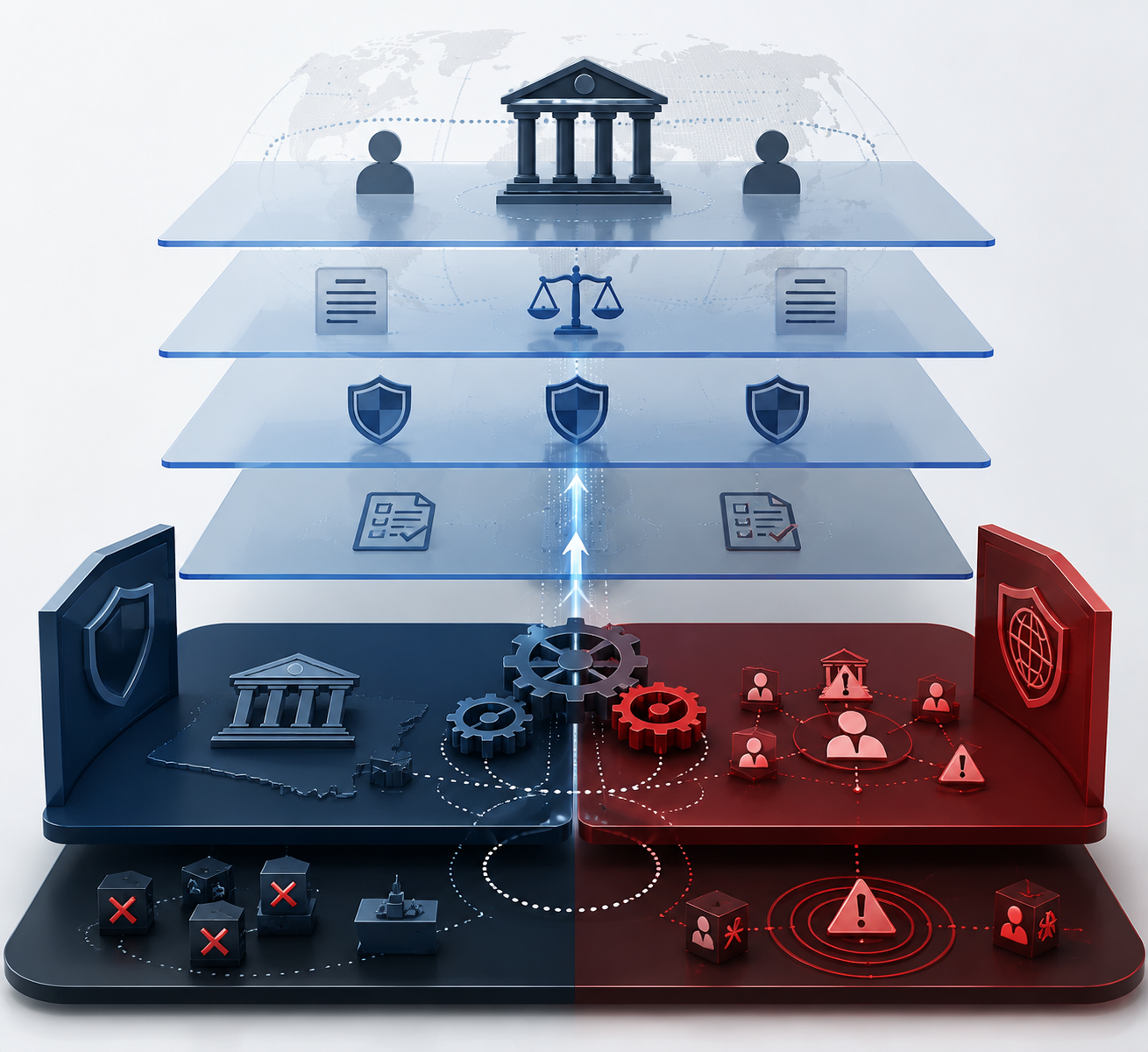
The key structural shift is that EO 14404 sits beside the CACR rather than inside them. That creates a dual-regime review: a transaction may fit within the CACR and still be blocked under EO 14404, so general-license analysis can no longer stop at the Cuba Regulations alone. OFAC's General License 1 is narrow for that reason, authorizing only conduct that is already permitted under the CACR.[3][5]
Where the compliance pressure lands
For foreign financial institutions, the most consequential feature is secondary sanctions exposure. EO 14404 reaches significant transactions for blocked persons even without a U.S. nexus, which raises the cost of correspondent banking and makes payment-chain review more important than a simple counterparty-country screen.[3][5][6]
The CUPET designation has a different effect: it pushes the risk into fuel, shipping, and state-linked procurement, because the state oil monopoly is not a peripheral actor in Cuba's energy chain. Once that counterpart is in the blocked universe, the old assumption that a private intermediary could safely route around state infrastructure becomes much weaker.[4][6]
The Cuba Restricted List and the June 2026 sector-by-sector designations of GAESA, MININT, and MINFAR make the due diligence burden broader still.[4][5][6] Compliance teams now need active list monitoring, ownership and control review, and escalation rules that catch state-adjacent counterparties before they reach payments, logistics, or trade finance teams. This is the point where automated sanctions screening stops being a back-office utility and becomes part of the legal control set.
That means the report did not rewrite Cuba sanctions law, but it did sharpen the enforcement posture behind an already layered system. The operational task is to translate that into controls — screening, counterparty review, transaction-structuring discipline, and escalation thresholds — rather than to argue with the rhetoric. For the underlying architecture, the companion piece on the four-layer Cuba oil blockade is the better structural reference.
References
- Cuba Report (described in July 2026 reporting) — State Department — July 2026
- Addressing Threats to the United States by the Government of Cuba — White House — Jan. 29, 2026
- Imposing Sanctions on Those Responsible for Repression in Cuba — White House — May 1, 2026
- Cuba's Designation as a State Sponsor of Terrorism and the Cuba Restricted List — Baker McKenzie
- New Cuba Sanctions Expansion: Broader Targets, Secondary Risk, and Compliance Implications — Volkov Law — May 2026
- The US is Changing Cuba Sanctions Architecture — Norton Rose Fulbright
Comments
Join the discussion with an anonymous comment.