
The newest TWA Flight 800 legal event is not an anniversary speech or a memorial filing. It is a records release. On July 18, 2026, Judicial Watch reported that the FBI had released 415 pages of records under a separate FOIA request, including a July 19, 1996 FBI teletype stating that the Bureau had received faxes from Cairo claiming responsibility for the explosion of TWA Flight 800.[1]
That date matters. The release came one day after the 30th anniversary of the crash, and while other litigation over the same historical record is still moving. The legal significance of the FBI records is not that a fax from Cairo proves who destroyed the aircraft. It does not. The significance is that a terrorism-investigation record from the first days after the crash is still emerging through compelled public-records channels three decades later, while separate litigants are pressing the CIA, defense contractors, and the federal government over related records and theories.

For lawyers and records specialists, the useful question is narrower than the public one that has followed the crash since 1996. It is not whether the National Transportation Safety Board reached the correct technical conclusion about the initiating event. It is why courts, FOIA requesters, and agencies are still fighting over the terrorism-investigation record, CIA explanatory materials, search adequacy, and liability theories long after the official accident investigation closed.
The FBI Release Is a Record Event, Not a Verdict
The 415-page FBI production described by Judicial Watch has obvious evidentiary appeal because of the July 19, 1996 teletype. According to the published description, the teletype recorded that the FBI had received faxes from Cairo claiming credit for the TWA Flight 800 explosion.[1] A claim of responsibility, however, is a category of investigative information, not a finding of responsibility. Anyone who has read enough terrorism files knows the difference: early claims may be false, opportunistic, misattributed, or still relevant because they influenced investigative decisions at the time.
That is why the teletype should be read first as a custodial and procedural fact. The FBI had the communication. It was recorded in Bureau channels two days after the crash. It appeared publicly, at least in the cited reporting, only after a FOIA process many years later.[1] Each of those points has a different legal use. The first may bear on investigative scope. The second may matter to chronology. The third matters to transparency, agency search obligations, and the ability of later litigants to test what was available to government actors when they made public and litigation positions.
There is a temptation, especially with documents released this late, to treat lateness as confirmation. That is a bad habit in records work. Late disclosure can reflect backlog, exemption disputes, poor indexing, agency resistance, requester persistence, or simple archival disorder. It can also expose material that should have been disclosed earlier. The legal point is not that the FBI release establishes a terrorism cause. It is that the original terrorism investigation continues to produce records that have present-day litigation value.
The CIA FOIA Suit Targets a Different Part of the Record
The pending CIA dispute is not a duplicate of the FBI production. Judicial Watch filed a FOIA lawsuit against the CIA on May 27, 2026, seeking records concerning the agency's role in the 1996 crash matter and, specifically, the CIA's "witness perception" animation.[2] The suit asks a different legal question from the FBI release: not what the Bureau had in its terrorism files, but what the intelligence agency created, retained, or withheld about a domestic aviation-disaster explanation presented to the public.
That distinction matters because FOIA litigation is often won or lost on agency-specific duties. A requester does not prove a crash theory merely by filing against the CIA. The agency, in turn, does not answer the public controversy merely by invoking the existence of a prior official investigation. In a FOIA case, the court looks to whether the agency conducted an adequate search, justified any withholdings, and complied with the statute. The legal pressure point is process, but process can reveal whether an agency's public-facing account rested on records that were complete, partial, or contested.
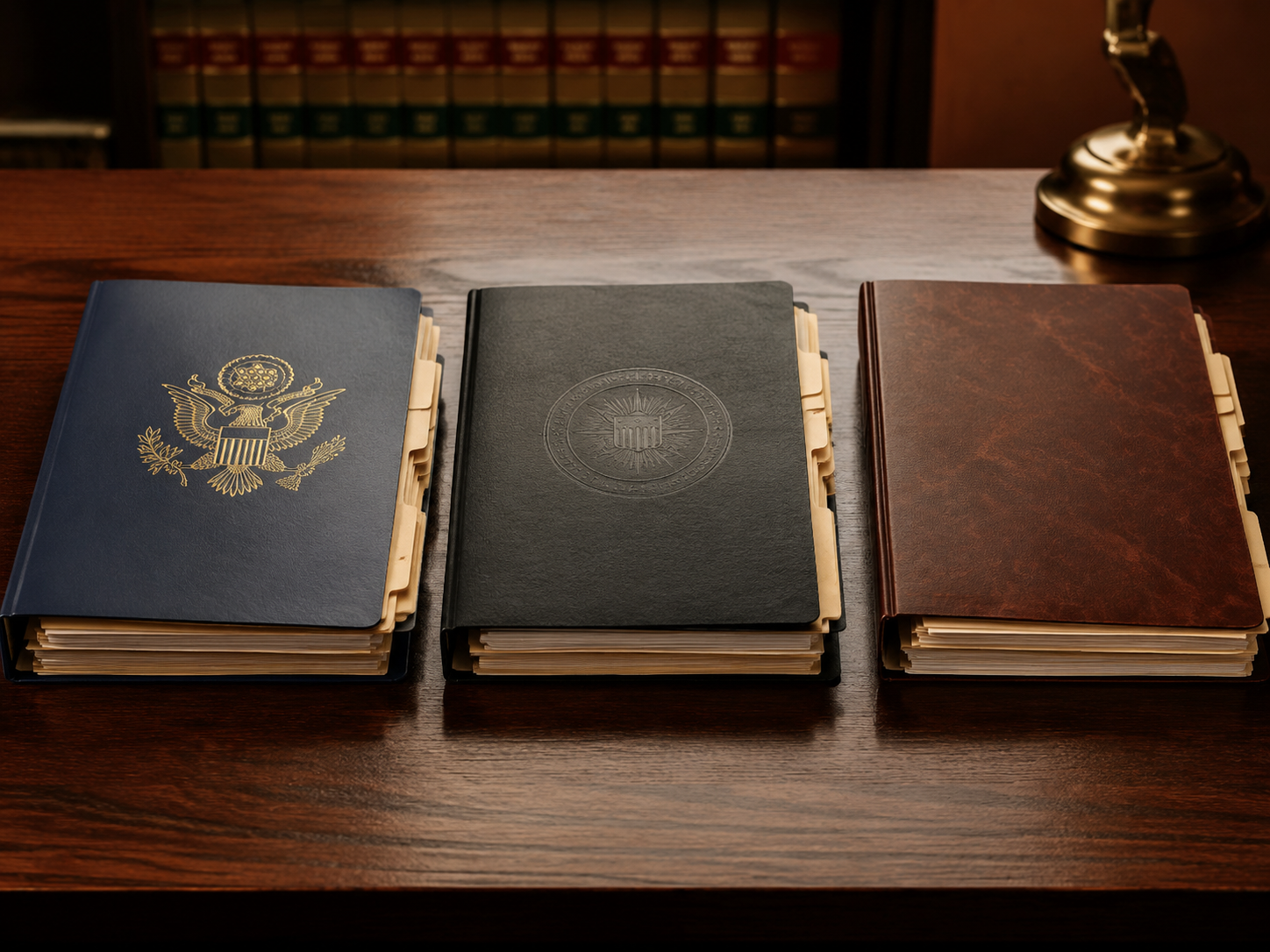
The CIA animation has a particular litigation history because it sat at the boundary between technical reconstruction, witness interpretation, and public persuasion. The current CIA suit therefore belongs in the same 2026 cluster as the FBI release, but it should not be collapsed into it. The FBI records concern investigative intake and Bureau files. The CIA FOIA case concerns the materials behind an explanatory product attributed to an intelligence agency. The legal theories overlap only at the level of disclosure and institutional accountability.
Krick Moves the Dispute From Transparency to Liability
The Krick litigation is the most consequential live proceeding because it is not merely asking an agency to search boxes or justify redactions. The wrongful death action, filed in federal court in Massachusetts in September 2022, names Raytheon, Lockheed Martin, and the federal government and alleges that TWA Flight 800 was destroyed by an errant missile connected to Aegis Weapons System issues and later concealment.[3][4]
Those allegations are serious, but seriousness is not the same as proof. A complaint can keep a theory alive procedurally without establishing it factually. The reported procedural posture is nevertheless important: the case survived a motion to dismiss in October 2023, and secondary sources describe it as still in litigation as of April 30, 2026.[3][5] Survival past dismissal means the claims were not terminated at that threshold stage. It does not mean a court found that an errant missile caused the crash.
For aviation and government-contractor lawyers, Krick raises issues that FOIA cases cannot resolve. It puts defendants, causation, limitations, sovereign immunity, contractor defenses, discovery, and admissibility into a liability frame. A FOIA plaintiff can expose an agency's inadequate search and still never prove a tort. A wrongful death plaintiff must eventually do more than show that records exist or were withheld. The burden shifts from disclosure to proof.
| 2026 front | Legal posture | What it can establish | What it cannot establish by itself |
|---|---|---|---|
| FBI records release | Released records under a separate FOIA request | That the FBI possessed and processed terrorism-investigation materials, including the reported Cairo fax teletype | That the Cairo claim was true or that terrorism caused the crash |
| CIA FOIA lawsuit | Pending FOIA action filed May 27, 2026 | Whether the CIA must search for or disclose records concerning the witness-perception animation and related involvement | That the animation was false, unlawful, or evidence of causation |
| Krick wrongful death suit | Civil liability action reported as surviving dismissal and remaining active | Whether plaintiffs can pursue claims against contractors and the government beyond the pleading threshold | That the missile theory has been adjudicated as true |
That division is why Krick deserves attention even from readers who are skeptical of the underlying theory. A live civil case can compel sharper treatment of records than public debate does. It can force parties to identify which documents matter, which witnesses can testify, which expert opinions survive challenge, and which government privileges or defenses apply. If the case remains active, its legal importance lies in those mechanisms as much as in the allegations themselves.
The Older FOIA Cases Explain Why 2026 Is Not an Isolated Flare-Up
The current disputes sit on top of an older FOIA lineage. Stalcup v. Department of Defense ran for roughly eight years, involved multiple First Circuit appeals, and ultimately closed in March 2022 after the Department of Defense's third summary judgment motion.[6] The case forced searches involving, among other components, the Missile Defense Agency and the Office of the Secretary of Defense.[6]
Stalcup is useful not because it proves an alternative crash cause, but because it shows the persistence of disputes over search location and agency custody. In FOIA litigation, where an agency searched can matter as much as what it found. A requester challenging a defense-related theory will often argue that the obvious record systems are not enough. The agency will answer with declarations describing the offices searched and the logic of those searches. Courts generally do not conduct their own archive hunts; they evaluate adequacy through the record before them.
Ray Lahr's earlier litigation over NTSB and CIA records forms another part of that lineage. In the TWA Flight 800 conspiracy-theories record summarized in secondary sources, a federal court was reported to have found evidence "sufficient to suggest the government acted improperly" in connection with the CIA animation methodology.[5] That language has often been pulled into broader arguments. Its careful use is narrower: it reflects judicial concern about aspects of the record and methodology, not a judicial finding that a missile brought down the aircraft.
Together, Stalcup and Lahr explain why the 2026 FBI and CIA matters should not be dismissed as ceremonial anniversary releases. They are later entries in a long procedural pattern: requesters ask agencies to search old crash-related files; agencies defend their searches and withholdings; courts decide adequacy and procedure; and the public record changes in increments too small to resolve the causation debate but too material to ignore in any account of the litigation history.
The NTSB-FBI Boundary Still Matters
The institutional fault line underneath these disputes is the division between accident investigation and criminal investigation. The TWA Flight 800 crash contributed to statutory and interagency attention to that boundary, including 49 U.S.C. § 1131(a)(2)(B) and a 2005 memorandum of understanding addressing FBI leadership when criminal intent is suspected.[7]
That framework is more than background. It affects who controls the scene, who has access to evidence, who speaks publicly, and whose files later become the subject of FOIA requests. If a crash is treated as potentially criminal in its early phase, the FBI's records may contain leads, claims, interviews, and threat information that do not belong neatly inside the NTSB's technical accident file. If the matter later returns to accident-investigation finality, those criminal-investigation records may remain legally important even when they do not change the Board's probable-cause determination.
That is the legal knot in the TWA Flight 800 records fight: terrorism-investigation materials can survive as records with independent procedural significance even after an accident investigation reaches its conclusion. Their existence may bear on FOIA search adequacy, interagency coordination, public explanation, civil discovery, and the credibility of official chronology. It does not automatically bear the heavier weight of causation.
What the Current Record Supports
The current record supports several cautious conclusions. First, the FBI release described by Judicial Watch adds a concrete, dated terrorism-investigation document to the public discussion: the July 19, 1996 teletype about faxes from Cairo claiming responsibility.[1] Second, the CIA is newly being sued under FOIA for records related to its witness-perception animation and role in the matter.[2] Third, Krick places alternative-causation allegations in a live wrongful death posture, subject to the demands of civil litigation rather than public speculation alone.[3][4][5]
The same record does not support stronger claims without more. It does not show that the Cairo faxes were authentic. It does not show that the CIA animation was unlawful. It does not show that the Krick plaintiffs will survive later dispositive motions, prove causation, or overcome all government and contractor defenses. It does not establish that a court has adopted the missile theory.
The distinction is not pedantry. It is the difference between an article that can be used by lawyers and one that simply repackages suspicion. Records have legal lives. Some become exhibits. Some become Vaughn-index entries. Some become impeachment material. Some prove only that an agency should have looked harder. Some are historically important and legally inadmissible. The newly described FBI materials belong somewhere in that map, but their exact place depends on the full production, the surrounding files, and how litigants use them.
The Procedural Posture Is the Story
Three decades after the crash, TWA Flight 800 remains legally unsettled in a specific and limited sense. The unsettled issue is not that an alternative cause has been judicially established. It is that the record of the original terrorism investigation continues to generate live disputes over agency authority, search adequacy, disclosure, and liability.
The July 2026 FBI release, the May 2026 CIA FOIA suit, and the Krick wrongful death action should therefore be read together, but not as if they are the same kind of proceeding. One is a production of Bureau records. One is a pending transparency suit against an intelligence agency. One is a liability action against contractors and the government. Their common feature is not a proven answer to the crash. Their common feature is that the legal system is still being asked to account for what the government held, what it disclosed, what it said publicly, and what consequences may follow.
A final caution is necessary. The full 415-page FBI PDF was not independently reviewed for this briefing; the discussion relies on Judicial Watch's published description and excerpted characterization. The Krick docket posture should be verified directly through PACER before any litigation filing relies on it. This article is a source-cited legal briefing, not legal advice and not an adjudication of the cause of the crash.
References
- FBI Received Faxes 'Claiming Credit' for TWA Flight 800, Judicial Watch, July 18, 2026
- Sues CIA for Records on 1996 Crash of TWA Flight 800, Judicial Watch, May 27, 2026
- Citing New Evidence, Surviving Family Members Sue Feds, Raytheon and Lockheed Martin Over 1996 TWA Crash, Law Street Media
- Families file suit against government claiming TWA Flight 800 was destroyed by an errant United States missile, Williamsport Sun-Gazette, July 2022
- TWA Flight 800 conspiracy theories, Wikipedia
- Stalcup v. Department of Defense, FOIA Project
- Report and Recommendations Regarding TWA Flight 800 Crash, New York City Bar Association
Comments
Join the discussion with an anonymous comment.