
Northampton's Faculty Housing Delay Is a Spot-Zoning Problem
- Authority
- Northampton County, Virginia
- Rule type
- regulation
- Jurisdiction scope
- US state (Virginia)
- Source text
- Read primary rule text ↗
Multifamily faculty housing must be an authorized use in the applicable zoning district; a parcel-only rezoning must be defensible against a Virginia spot-zoning challenge.
The July 28 posture: public land, Agricultural zoning, no listed path
The faculty housing zoning delay in Northampton is a Northampton County, Virginia land-use record, not a Northampton, Massachusetts campus-housing story. At the July 28, 2026 Board of Supervisors update, the operative problem was concrete: the “Nook” faculty-housing concept had been tied to a roughly 10-acre county-owned parcel behind the School Board office and former middle school, but that parcel and adjacent public parcels were zoned Agricultural, and the proposed multifamily use did not fit the Agricultural-district path described in the county’s zoning framework.[1][2]
That is the whole delay in its most defensible form. It is not, on the present record, a court order. It is not a sanction. It is not a final judicial ruling that the Nook project is unlawful. It is a local entitlement problem discovered before the county tried to turn a politically attractive site into an approved housing site.
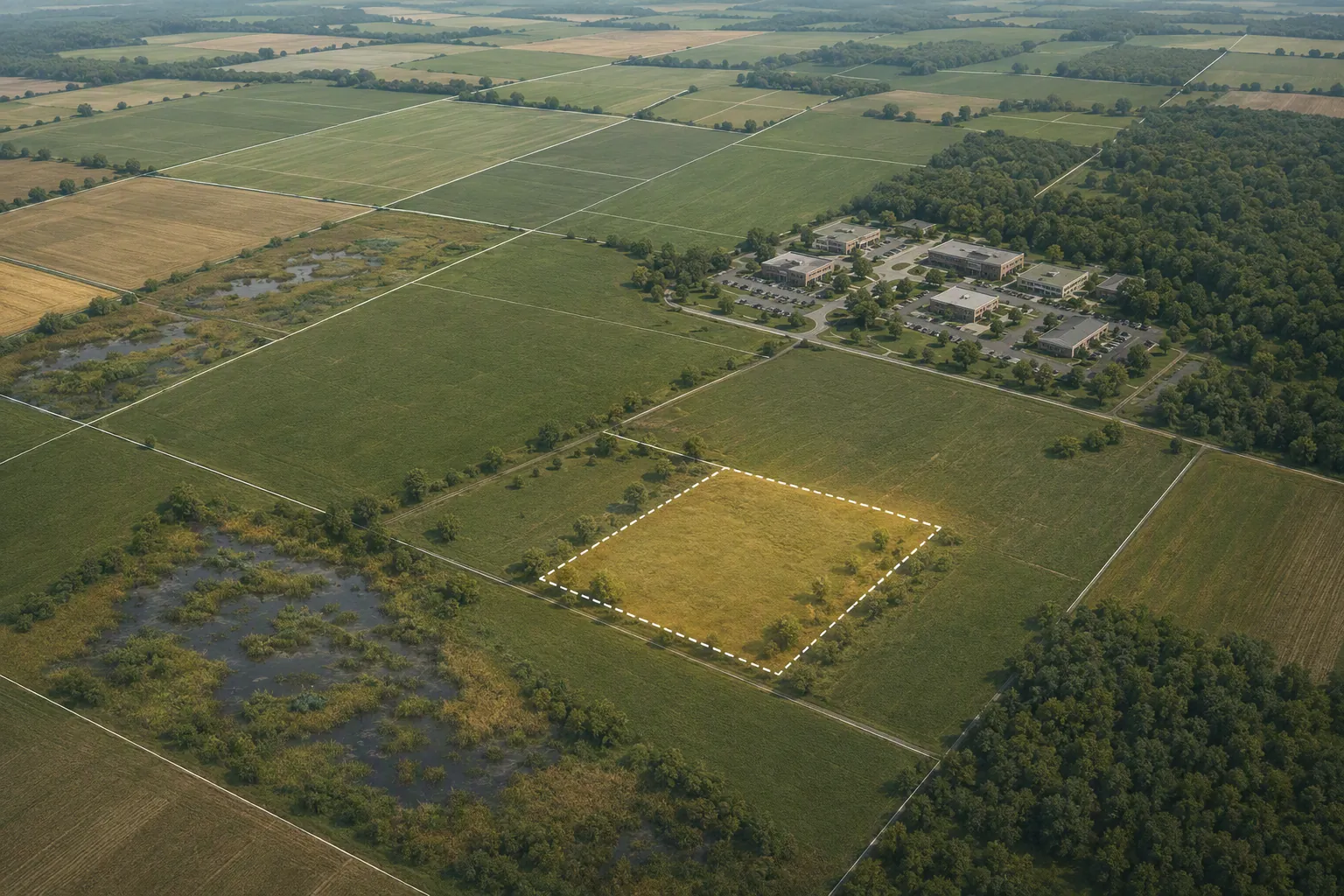
County Administrator Matt Spuck’s reported explanation is the sentence that matters for lawyers who may later have to defend the file. He said the county would use the same process that any private developer would use, and he identified a spot-zoning concern if only the county’s parcel were rezoned. He also rejected the idea of rezoning surrounding public property simply to make the map look cleaner, saying that “didn’t feel right.”[1]
There is plenty of room for impatience around faculty housing. Counties and school systems are trying to recruit and retain employees in markets where public salaries do not always meet local housing costs. Northampton’s record also includes site constraints: extensive wetlands reportedly eliminated several alternative locations, and the local report described the project as “a long way from dead.”[1] But urgency does not place a multifamily project into a zoning district that has not listed it.
The ordinance problem comes before the policy debate
The temptation is to start with whether Northampton County should be in the housing business. That is not where the entitlement record starts. The first question is whether the selected parcel can lawfully host the selected use under the county’s zoning ordinance.
On the July 2026 record, the mismatch is between three things: county ownership, Agricultural zoning, and a proposed multifamily faculty-housing use. County ownership may explain why the site looked administratively convenient. It does not supply a missing use category. If the zoning district does not provide a by-right, special-use, or other ordinance-based route for the proposed residential form, the county is in the same place as any other landowner whose preferred project does not match the use table.
That distinction matters because “faculty housing” is a purpose, not automatically a zoning classification. A project may be socially useful and still require the same entitlement work as ordinary multifamily housing. If a county treats the label as enough, the record begins to look less like planning and more like exception-making.
Northampton’s Chapter 154.2 includes affordable-housing and workforce-housing tools, including § 154.2.108, but those tools do not erase the need to identify the correct zoning posture for the site and use.[2] A density incentive or affordability standard is not the same thing as a district-level authorization to build multifamily units on a parcel where that use otherwise lacks a path.
Why “just rezone the county parcel” is not a clean fix
A rezoning is the obvious political answer because it appears to move the obstacle from the use table to a vote. For a public landowner, that answer is exactly where the file gets delicate. The county would not merely be deciding whether someone else’s land should move into a district that allows the proposed use. It would be changing the zoning status of its own parcel to enable its own project.
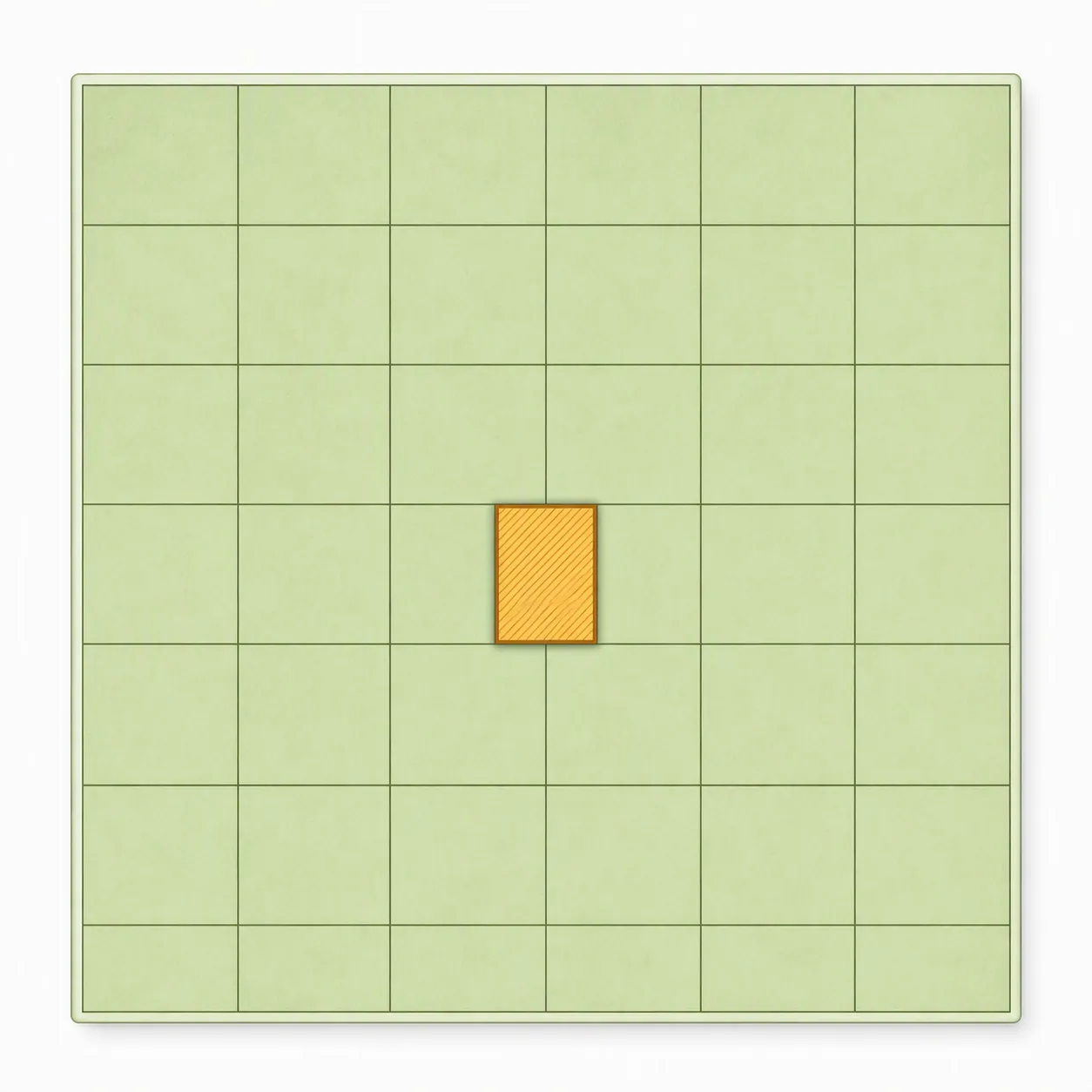
Virginia spot-zoning doctrine is not a freestanding statutory checklist. It is a case-law inquiry. In Wilhelm v. Morgan, the Supreme Court of Virginia addressed spot zoning through a benefit-to-owner lens; in Fairfax County v. Snell Corp., the court addressed the judicial-review posture for rezoning decisions and made comprehensive-plan conformity relevant to the analysis.[3][4] Virginia’s general zoning statute separately frames zoning as an exercise of local power for public health, safety, morals, comfort, prosperity, and general welfare, with regulations made in accordance with a comprehensive plan.[5]
None of that means an isolated public-parcel rezoning would automatically fail. The safer statement is narrower: rezoning only the county-owned Nook parcel would carry recognizable spot-zoning exposure, especially where the surrounding public parcels remain Agricultural and the rezoning’s immediate function is to rescue a preselected county project.
The uncomfortable part is not that the landowner is public. Public ownership can support legitimate public purposes. The uncomfortable part is the sequence. First, a county-owned site is selected for a favored public-employee housing concept. Then the ordinance mismatch appears. Then the quick fix would be to reclassify only that county parcel. In a later challenge, counsel would have to explain why that was comprehensive planning rather than a project-specific map change for the owner’s benefit.
Rezoning adjacent public parcels to dilute the isolated appearance may sound neater on a map, but Spuck’s reported reaction points to the problem. If the surrounding parcels are not being rezoned because planning policy independently supports that classification, but because the county needs to make one project’s rezoning look less isolated, the record does not necessarily improve. It may simply show that the county understood the spot-zoning problem and tried to dress around it.[1]
That is why process parity is not a nicety here. When the government is both regulator and landowner, the file needs more discipline, not less. The county’s commitment to use the same process as a private developer keeps the entitlement question where it belongs: in the ordinance, the comprehensive plan, the public record, and the ordinary sequence of land-use approvals.
The county still has routes, but they are not interchangeable
The delay does not end the Nook concept. It does force the county to choose a legal posture rather than treating all public-purpose housing tools as substitutes for one another. The remaining routes have different consequences for the record.
| Route | What it changes | Why it is a different legal posture |
|---|---|---|
| Find a by-right site | The site, not the ordinance | The county avoids asking the board to change zoning for a parcel it owns and instead places the project where the use is already allowed. |
| Pursue legislative rezoning | The zoning classification | The county must build a legislative record tied to planning criteria, comprehensive-plan consistency, and district logic rather than a one-parcel rescue. |
| Use a special use permit, if the ordinance provides one | The permission for a listed conditional use | This works only if the use is already available through the ordinance’s special-use structure; it cannot create a use the district does not recognize.[2] |
| Use county workforce-housing provisions | Affordability and density treatment | Section 154.2.108 may matter for affordability-linked housing design, but it still operates inside the zoning ordinance rather than outside it.[2] |
| Use HB1130 surplus-property lease authority where applicable | The public-property transaction model | The 2026 legislation concerns leasing certain surplus property for housing for qualifying county or school-division employees at up to 80% of area median income; it is not a zoning approval device.[6] |
The by-right route is the cleanest if a suitable site exists. It may be harder as a real-estate matter, especially where wetlands have already narrowed the county’s options, but it avoids the self-benefiting-rezoning problem. A compliant site lets the project fight ordinary development issues instead of beginning with a threshold use-table defect.
A legislative rezoning is not forbidden. It is simply the route that requires the county to say, in public and on the record, why the new classification belongs there. That means more than describing the project’s benefits. It means explaining district boundaries, surrounding uses, comprehensive-plan fit, infrastructure, and why the same treatment would or would not apply to similarly situated land. For a county-owned parcel, those explanations are not paperwork. They are the defense.
A special use permit is available only if the ordinance has already made the proposed use conditionally available in the district. That is a smaller legal move than rezoning because the legislative body has already decided the use can belong in the district under conditions. If multifamily faculty housing is not in the special-use structure for the Agricultural district, a permit process cannot supply what the use table withholds.
Northampton’s affordable-housing provisions are relevant but easy to overstate. Section 154.2.108 is a local ordinance tool for affordable-housing incentives and standards; it does not, by itself, convert any county-owned parcel into a multifamily site.[2] A housing applicant still needs to pair that tool with a district, permit, or rezoning path that allows the underlying residential form.
HB1130 is similarly useful but limited. The enrolled 2026 bill text addresses surplus-property lease authority for housing for qualifying county or school-division employees, including an income ceiling tied to 80% of area median income.[6] That may help a locality structure a transaction. It does not amend Northampton’s zoning map, add multifamily housing to the Agricultural district, or immunize a parcel-specific rezoning from spot-zoning review.
The political argument is secondary to the record
Local criticism of the Nook concept has included the broader question whether county government should be developing or facilitating employee housing. Cape Charles Mirror published that policy critique on August 2, 2026, and its alternatives should be read as the author’s recommendations, not as county policy or binding land-use authority.[7]
That debate may matter at the ballot box or in the supervisors’ public-comment period. It does not decide the zoning issue. A county can have a strong public-purpose argument and still lack the entitlement route for a chosen parcel. Conversely, opponents can have strong policy objections and still need to confront the actual legal posture rather than treating “spot zoning” as a loose synonym for “a project I dislike.”
For lawyers tracking zoning disputes, this distinction is familiar from other land-use records: the challenge theory only matters after the ordinance path is identified. The same discipline appears in controversies over energy and infrastructure siting, including state-by-state land-use treatment of agrivoltaics and zoning theories around data centers. The project label may drive public attention, but the use table and review standard drive the file.
What the July 2026 record does not show
The current record does not show that a court has invalidated the Nook project. It does not show that Northampton County has no lawful way to support faculty housing. It does not show that HB1130 gives the county a shortcut around local zoning. And it does not show that any single alternative site has already solved the wetlands, zoning, and public-property questions.
It shows something narrower and more useful: a county-selected parcel was not entitlement-ready for the proposed use, and the quick parcel-only rezoning fix carried enough spot-zoning concern that the administrator publicly stepped away from it. As of an August 3, 2026 check, the careful treatment is to read the Nook delay as a live land-use process, not a finished legal judgment.
For public entities, the practical lesson is not anti-housing. It is sequencing. Choose the entitlement route before committing public land to the attractive site. Otherwise, the public lawyer arrives at the meeting after the policy promise has already been made, holding an Agricultural use table, a spot-zoning doctrine problem, and a file that now has to explain why the government deserves the same process as everyone else.
References
- Zoning Issue Delays Northampton 'Nook' Faculty Housing Project, Alternative Sites Being Sought — Shore Daily News, July 30, 2026
- Northampton County Zoning Ordinance Ch. 154.2, § 154.2.108 Affordable Housing Incentives and Standards — Northampton County Code
- Wilhelm v. Morgan — Supreme Court of Virginia, 1967
- Fairfax County v. Snell Corp. — Supreme Court of Virginia, 1974
- § 15.2-2280. Zoning ordinances generally — Code of Virginia
- HB1130ER — Virginia Legislative Information System, 2026
- Northampton's Housing Gamble: Is This Really the County's Job? — Cape Charles Mirror, August 2, 2026
Operationalizing workflow
No workflow has been explicitly linked to this obligation yet. See Workflows generally.
Illustrative cases
No illustrative case is currently tracked for this obligation. See Risk Digest for documented incidents generally.
← Back to RegulationReport a correction or tip
Spotted an outdated figure, a misstated fact, or a ruling this regulation entry should reflect? Public comments are disabled for this content given the professional cost of a misreported case outcome, penalty amount, or rule text — use the structured correction channel instead.
Report a correction or tip for this record →