
Costco Email Lawsuit Payout in Washington: File by August 24
Washington residents who received promotional emails from Costco may be eligible for a pro-rata share of a $14 million settlement. The claim deadline is August 24, 2026, and no proof of purchase is required.
- Jurisdiction
- Washington State
- Court
- King County Superior Court
- Judge
- Janet Helson
- AI tool named
- No AI tool
- Ruling date
- Oct 2, 2026
- Source document
- View primary court order ↗
- Last verified
- Jul 25, 2026
Lex Machina Review is an independent risk-tracking and reference resource. Nothing on this site is legal advice, and using it does not create an attorney-client relationship. Every record is reviewed against primary sources but may not reflect the most current status of a matter — always verify directly against the cited court order, rule text, or a licensed attorney before relying on it.
Companion explanation — secondary to the source document above
If you are a Washington resident who received Costco promotional emails during the class period, the claim deadline is August 24, 2026. The settlement materials described by the administrator and class-action notice publishers say eligible class members do not need proof of purchase or proof of damages to file; they need to submit a valid claim by the deadline and choose a payment method if they want money from the settlement fund.[1][2]
The case is Aaland v. Costco Wholesale Corp., No. 25-2-16392-0 SEA, in King County Superior Court in Washington. The settlement is described as a $14 million fund resolving claims over Costco promotional emails with allegedly misleading subject lines. The final approval hearing is scheduled for October 2, 2026, at 3:30 PM in Courtroom W728 before Judge Janet Helson.[1][2]
One source limitation belongs up front: the official settlement website, WashingtonCommercialEmailSettlement.com, and preliminary approval PDFs could not be directly crawled for this article. The claim mechanics below rely on secondary sources that report from the court-approved long-form notice, administrator materials, and legal analysis. That is enough to identify the deadline, class period, and payout structure, but not enough to estimate an individual payment.

The Fast Eligibility Check
The reported class definition is narrow in the way that matters for an inbox search: Washington residents who received commercial emails from Costco between June 2, 2021, and July 7, 2026.[1][2] It is not framed as a purchase-based settlement. A person may be in the class because of the emails, not because they bought a particular product.
| Question | What the settlement materials indicate |
|---|---|
| Who may qualify? | Washington residents who received Costco commercial emails during the class period |
| What is the class period? | June 2, 2021 through July 7, 2026 |
| What is the claim deadline? | August 24, 2026 |
| Is proof of purchase required? | No proof of purchase is reported as required |
| How can payment be delivered? | PayPal, Venmo, Zelle, or check |
| Is the payout amount known now? | No. It depends on valid claims and court-approved deductions |
The deadline is doing real work here. A class member who does nothing should not expect a payment merely because Costco or the administrator may have an email address. Settlement payment systems generally require a submitted claim when the notice says a claim must be filed, and the reported deadline for this one is August 24, 2026.[1][2]
The same date also matters for people who want out or want to object. The reported notice materials identify August 24, 2026, as the deadline for claim submission, exclusion requests, and objections.[2] Those are different choices with different consequences, so a recipient should not treat an objection as a claim or an opt-out as a way to preserve a settlement payment.
No Proof of Purchase Does Not Mean No Form
The most useful detail for ordinary recipients is the no-proof point. The reported claim process does not require a receipt, membership purchase record, or proof that the email caused financial damage.[1][2] That makes sense for an email-subject-line settlement: the claimed injury is tied to receiving covered commercial emails, not proving a later shopping trip.
That does not make the claim automatic. A claimant still has to provide the information requested by the settlement administrator, submit by the deadline, and select or supply payment information. Reported payment options include PayPal, Venmo, Zelle, or a paper check.[2]
- Search inboxes for Costco promotional emails received while living in Washington during the June 2, 2021 to July 7, 2026 window.
- Use the official settlement site or notice instructions rather than a random claim link forwarded by someone else.
- File by August 24, 2026 if choosing to participate.
- Do not assume the payment will equal $500 per email or any other fixed amount.
The promotional-email detail is easy to miss because many consumers delete or filter retail emails as noise. In this settlement, that same category of email appears to be the eligibility anchor. A receipt drawer may not help; an old inbox may.
Why There Is No Reliable Payout Estimate Yet
The headline number is $14 million, but that is the settlement fund, not a per-person award.[1][3] The reported structure sends the net remainder to participating class members on a pro-rata basis after court-approved deductions and administration of valid claims.[2][3]
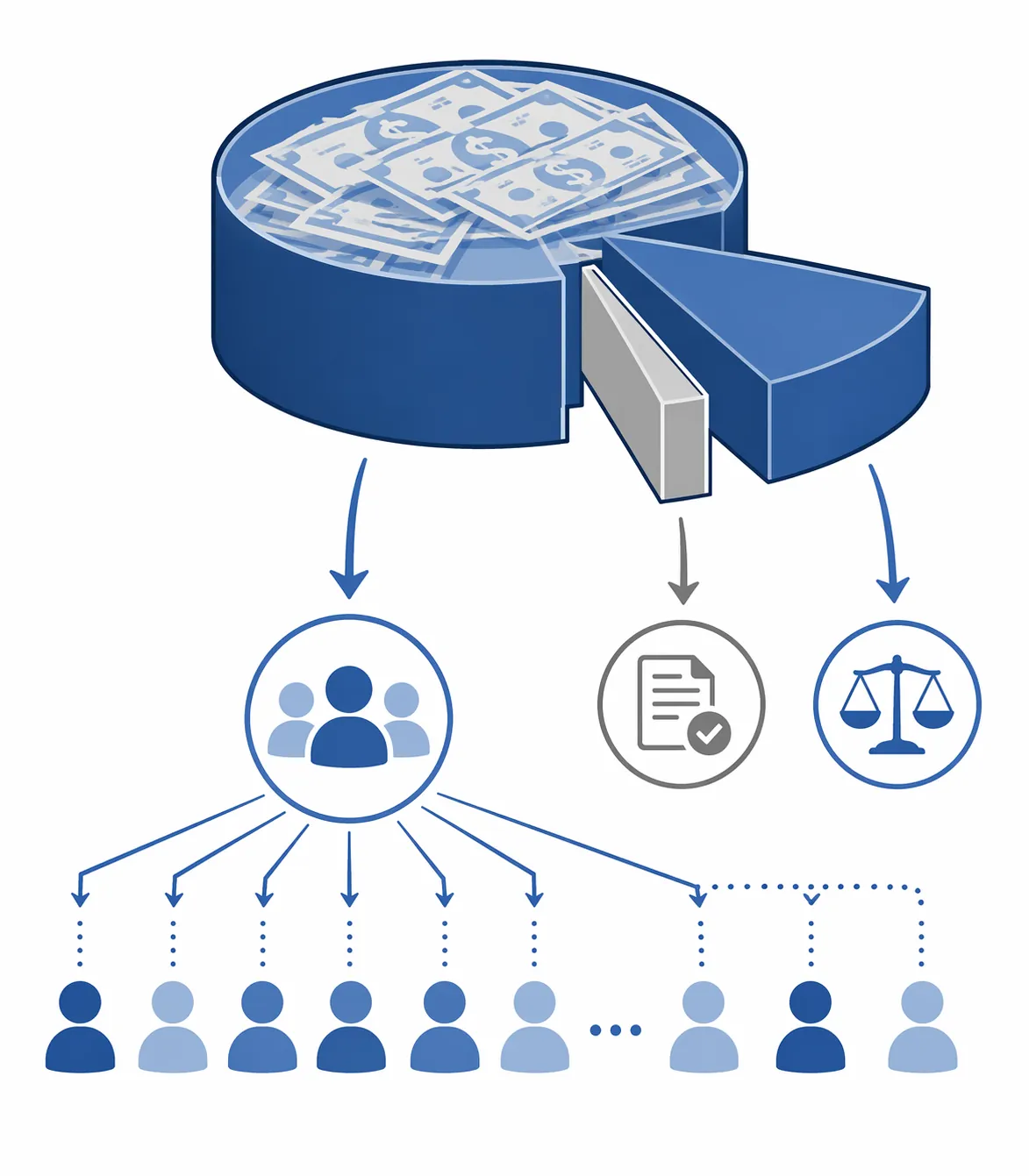
Pro-rata is not a decorative legal phrase. It means the payment depends on how much money remains after approved deductions and how many valid claims are filed. A smaller claims pool generally leaves more money per approved claimant; a larger claims pool generally reduces each claimant's share. No cited source reviewed here gives a reliable per-claimant range.
The reported requested deductions are substantial enough to mention but not final enough to treat as already awarded: up to $4.62 million in attorneys' fees, $16,500 in costs, and a $2,500 service award to the named plaintiff, all subject to court approval.[2][3] The court may approve, reduce, or otherwise address those requests at final approval.
The $500 figure circulating around this type of case is legal context, not a settlement payment promise. Washington's Commercial Electronic Mail Act provides for statutory damages of $500 per violation under RCW 19.190.020(1)(b), which helps explain the litigation exposure behind the case.[3] The settlement, however, is structured as a fund with pro-rata payments, not as a guaranteed $500-per-email distribution.
What the Lawsuit Was About
The complaint challenged Costco promotional email subject lines as allegedly misleading under Washington's Commercial Electronic Mail Act, often shortened to CEMA.[1][3] The settlement resolves the claims without requiring a trial finding that Costco violated the law, and settlement descriptions should not be read as an admission of liability unless the actual agreement says so.
For consumers, the practical question is whether their email history fits the class definition. For companies and counsel, the more durable signal is that a Washington email-subject-line theory produced a reported $14 million settlement fund before final approval.[1][3] That does not establish how every CEMA case will resolve, but it is enough to keep promotional email review on the risk calendar.
The final approval hearing is the next formal checkpoint. It is scheduled for October 2, 2026, at 3:30 PM in Courtroom W728 before Judge Janet Helson.[2] Until the court grants final approval and resolves fee, cost, service-award, objection, and administration issues, the payout mechanics remain contingent.
What to Watch Before and After August 24
Before August 24, the decision is immediate: file a claim if eligible and seeking payment, opt out if preserving separate rights, object if challenging settlement terms, or do nothing. Doing nothing is still a choice, but it is usually the least satisfying one for someone who later realizes they may have been included.
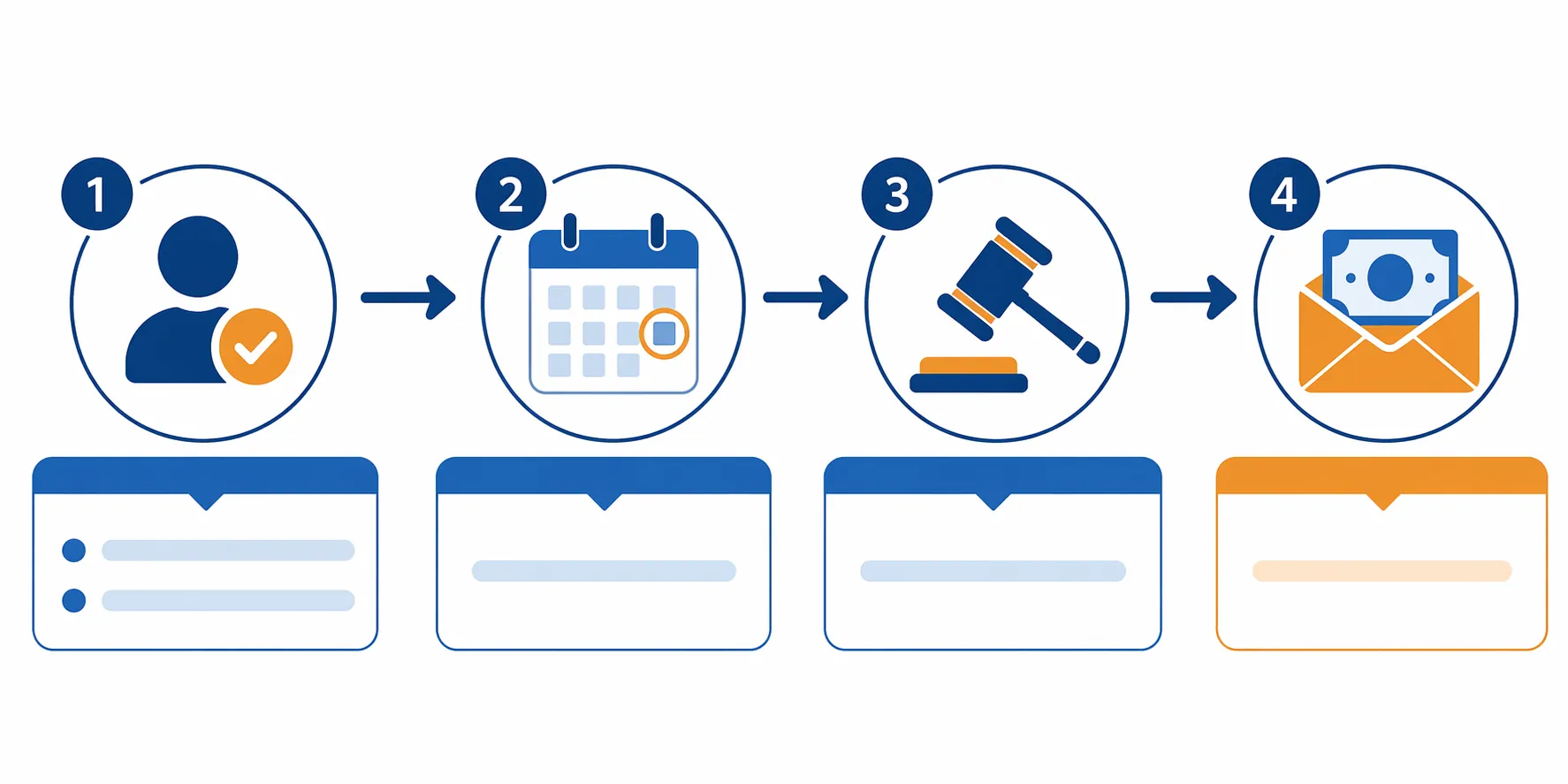
After August 24, the focus shifts from individual claim submission to court approval and administration. The October 2 hearing matters because the court still has to decide whether to grant final approval and whether to approve the requested fees, costs, and service award.[2] Payment timing and final payment amounts cannot be pinned down from the available materials before those steps play out.
The cleanest way to read the Costco email settlement is also the least sensational: Washington residents who received covered Costco commercial emails can seek a share of a $14 million fund without proving a purchase or damages, but they must file by August 24, 2026, and the individual payout will not be known until valid claims and court-approved deductions are accounted for.
References
Related records
Tool profile
How Meta's AI Spending Reshapes Law Firm ProfitabilityGoverning regulation
Browse the obligations tracker →Preventive workflow
Browse verification workflows →
Report a correction or tip
Spotted an outdated figure, a misstated fact, or a ruling this case record should reflect? Public comments are disabled for this content given the professional cost of a misreported case outcome, penalty amount, or rule text — use the structured correction channel instead.
Report a correction or tip for this record →