
Legal Implications of the Minnesota Water Cyberattack
After the July 2026 Minnesota cyberattack, utilities, municipalities, and their counsel face four possible liability fronts — EPA Safe Drinking Water Act enforcement, customer claims, cyber-insurance coverage disputes, and vendor liability. The conditions under which each front becomes actionable turn on two material facts: whether attribution to Iran is formally confirmed and whether any water contamination is ultimately found.
- Jurisdiction
- US (Minnesota)
- Court
- No court proceeding
- AI tool named
- No AI tool implicated
- Ruling date
- Jul 28, 2026
- Source document
- View primary court order ↗
- Last verified
- Aug 3, 2026
Lex Machina Review is an independent risk-tracking and reference resource. Nothing on this site is legal advice, and using it does not create an attorney-client relationship. Every record is reviewed against primary sources but may not reflect the most current status of a matter — always verify directly against the cited court order, rule text, or a licensed attorney before relying on it.
Companion explanation — secondary to the source document above
The legal answer begins with two missing findings. As of Aug. 3, 2026, the public record supports a reported July 26-27 intrusion affecting more than 30 Minnesota local water systems, but it does not yet supply either formal federal attribution to Iran or a confirmed Minnesota contamination finding.[1][2][3] For the reported Minnesota water-system cyberattacks, the legal implications therefore start as a conditional risk map, not as a finished liability conclusion.
That distinction matters. A city attorney does not need a treaty-law essay on Monday morning. She needs to know which facts must be preserved, which regulator may call first, whether the utility should notify its carrier, what can be said publicly without overclaiming, and whether an integrator’s remote-access practice has just become evidence.
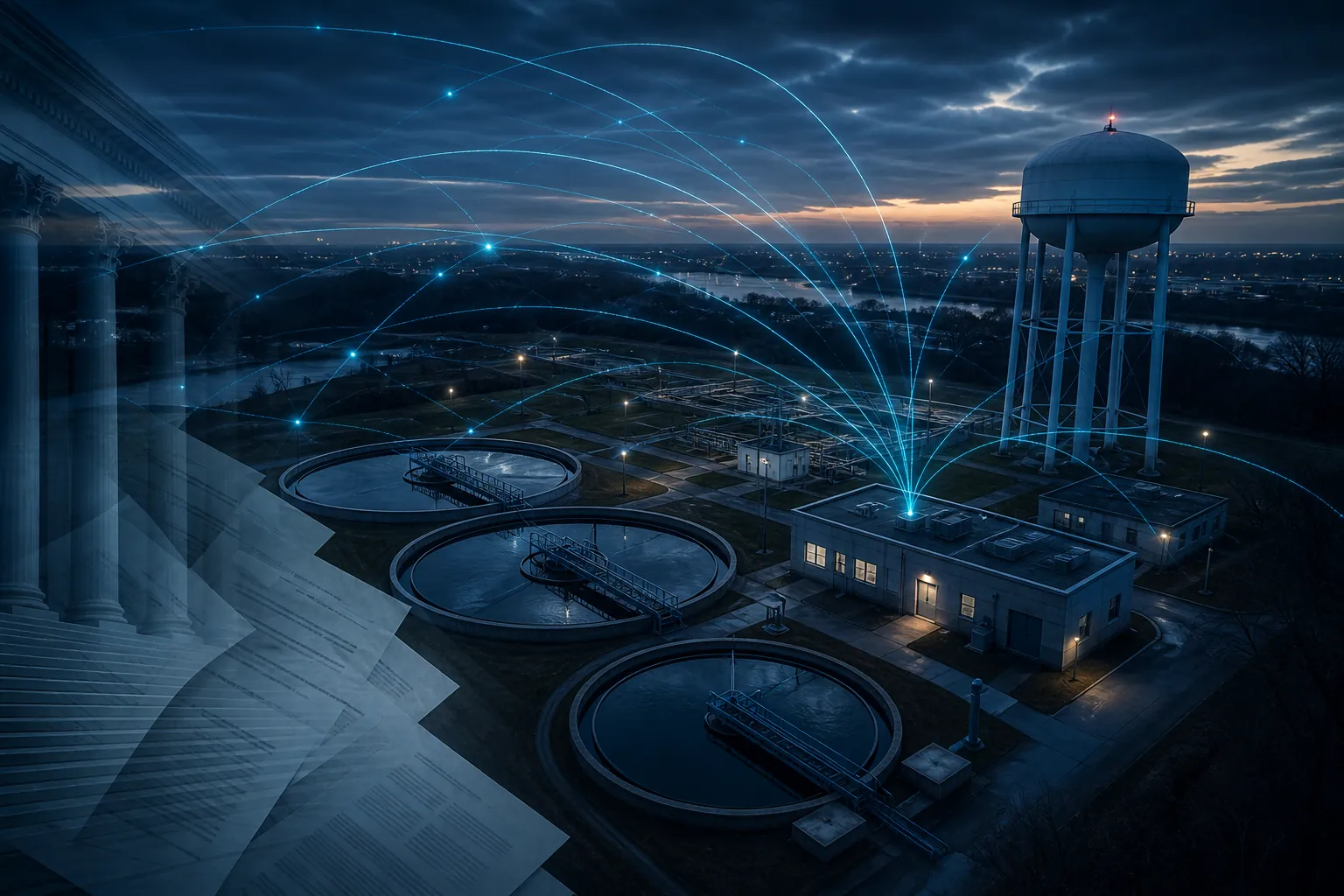
Working incident record as of Aug. 3, 2026
| Issue | Current public record | Why it matters legally |
|---|---|---|
| Incident timing | Reported activity centered on July 26-27, 2026, with Minnesota officials disclosing a coordinated cyberattack on more than 30 local water systems.[1] | Fixes the first preservation window for PLC logic, logs, water-quality readings, operator notes, vendor access, insurer notice, and public statements. |
| Affected Minnesota systems | The public figure is reported as more than 30 systems; some reporting has referred to roughly three dozen systems. The named-system list remains a moving target.[1][2] | Counsel should separate confirmed clients, reported targets, attempted access, and actual operational impact before making admissions or coverage representations. |
| Broader campaign | Municipal water systems in at least seven states were reportedly targeted during the same week.[4] | The broader pattern may help explain attacker method, but it cannot be imported wholesale into each Minnesota fact record. |
| PLC type and method | Agency warnings describe internet-facing Rockwell Automation Allen-Bradley MicroLogix 1100 and 1400 PLCs, password and IP-address changes, and manipulation of project files or Add-On Instructions affecting shutdown and alarm logic.[5][6] | This moves the issue from data security into process safety: a compromised controller can affect whether operators are warned, stopped, or misled. |
| Attribution | No formal federal attribution to Iran has been made public as of Aug. 3, 2026. A leaked WaterISAC memo reportedly tied the activity to an Iran-affiliated PLC campaign through the Minnesota Fusion Center; officials have not ruled out a false flag.[3] | Attribution is material to insurance exclusions, public messaging, sanctions-sensitive vendor work, and the practical availability of criminal remedies. |
| Contamination | No Minnesota water contamination has been confirmed in the public record used here. CISA’s boil-water language belongs to the broader campaign record and should not be treated as a confirmed Minnesota outcome unless separately verified.[1][6] | This is the hinge between plausible regulatory and operational-risk exposure and much weaker mass-injury, public-nuisance, or contamination-damages theories. |
| Last verified | Aug. 3, 2026, UTC. | Every coverage letter, preservation notice, and board update should be date-stamped because the two dispositive facts—attribution and contamination—may move quickly. |
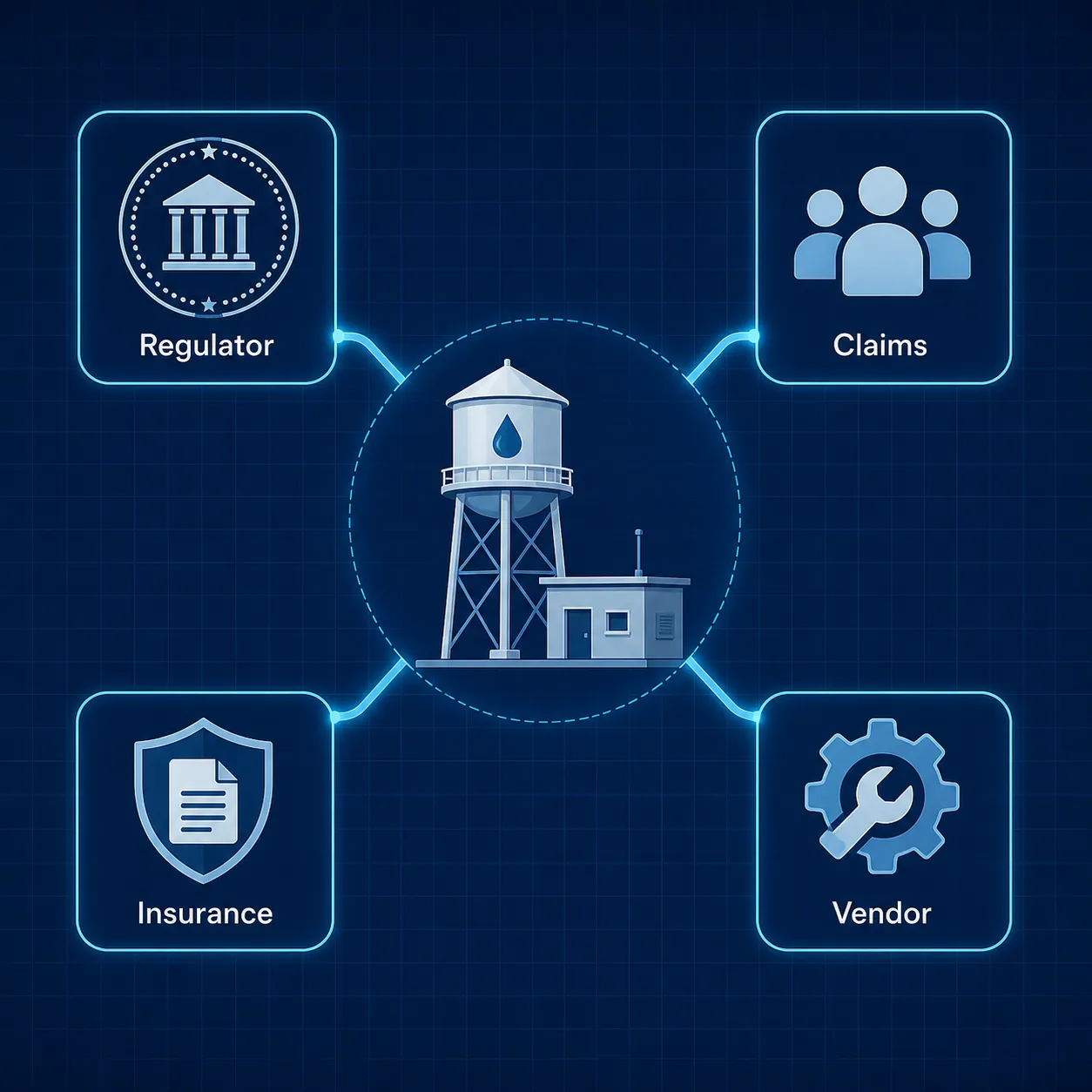
Criminal prosecution of the attackers is not the useful organizing frame for the affected municipalities. If the actors are overseas, state-linked, or operating through infrastructure designed to defeat attribution, a federal criminal case may exist on paper long before it gives a city, utility, or customer any practical remedy. The more immediate exposure sits in four civil and regulatory fronts: EPA Safe Drinking Water Act enforcement, customer claims, cyber-insurance coverage, and vendor or integrator disputes.
EPA enforcement: powerful pressure, constrained authority
The first institutional front is regulatory. The likely moving parties are EPA and, where applicable, state drinking-water primacy agencies. The target is not “Iran.” It is the public water system or municipal owner responsible for delivering safe drinking water, maintaining operational control, and responding to known vulnerabilities.
EPA has already put water systems on notice that cybersecurity can be a drinking-water compliance issue. In a May 2024 enforcement alert, the agency said more than 70% of inspected water systems had violated Safe Drinking Water Act requirements since September 2023, described more than 100 enforcement actions since 2020, and warned that criminal enforcement may be available where a cyber condition creates an imminent and substantial danger.[7]
The strongest EPA theory would not be that a utility was the victim of a foreign cyber operation. Victim status does not end the inquiry. The stronger theory would be that documented, known, internet-facing PLC exposure, weak credential controls, or ignored OT warnings created an unreasonable risk to treatment, monitoring, pressure, chemical dosing, or alarm response. The reported manipulation of shutdown and alarm logic is the hard fact in that analysis. A water system can recover data from a billing server and still have a serious process-safety problem if the controller logic that tells operators something is wrong was altered.
The current record also weakens the most aggressive version of the enforcement story. No Minnesota contamination has been confirmed. That does not make the event legally harmless, but it does affect proportionality, remedy, and public messaging. A vulnerability that exposed a system to loss of alarm function is a serious compliance and emergency-response issue; a confirmed failure to provide safe drinking water is a different case.
EPA authority over water-system cybersecurity should also be stated carefully. EPA’s March 2023 memorandum asserting authority to require cybersecurity evaluations through sanitary surveys was withdrawn roughly seven months later after a state-attorney-general challenge, and GAO has continued to describe water-sector cybersecurity as an area where EPA needs a stronger strategy and clearer risk management.[8][9] That history does not strip EPA of all Safe Drinking Water Act leverage. It does mean counsel should resist any flat statement that every cybersecurity deficiency is automatically an SDWA violation through a settled sanitary-survey pathway.
For a municipality, the practical question is narrower: what did the utility know about its exposed controllers, when did it know it, what corrective steps were budgeted or rejected, and what happened to water quality and operator response during the intrusion window? If those answers are documented, the system can engage the regulator on facts. If they are reconstructed later through vendor emails and memory, the regulator will write the story first.
Customer claims: American Water is the pattern, not the answer
The customer-claim front is more conditional than the phrase “water cyberattack” suggests. The obvious plaintiff-side theories would be negligence, breach of implied duties, consumer-protection claims, public nuisance, or a putative class action. The defendants would be the utility, municipal operator, outside service providers, or some combination of them. But a complaint needs injury, causation, and a viable duty theory; public alarm alone is not a damages model.
The cleaner comparison is the American Water litigation. In October 2024, a putative class action filed in the District of New Jersey alleged that American Water Works negligently failed to protect customer personally identifiable information in connection with a cyberattack.[10] That is a familiar data-breach pattern: customers allege exposed PII, increased risk of identity theft, mitigation time, and related statutory or common-law harm.
The Minnesota record described here is different unless new facts emerge. The public record points to OT compromise affecting PLCs and operational disruption risk, not yet to exposed customer PII. It also does not confirm contamination. Without PII exposure, a Menichini-style data-breach class action lacks its central fact. Without contamination, illness, property damage, or a confirmed boil-water event tied to a particular system, mass-tort and public-nuisance theories are much harder to plead beyond fear, inconvenience, or loss of confidence.
That assessment can change. A billing-system compromise would move the case toward data-breach litigation. A confirmed water-quality failure would move it toward bodily injury, property damage, regulatory notice, and potentially public-nuisance theories. A prolonged service interruption with documented business losses could create a narrower damages record. For now, the absence of confirmed contamination and the absence of reported customer-data exposure keep customer claims from being the most immediate front.
Insurance coverage: attribution changes the fight
The cyber-insurance front is where the unresolved Iran attribution may matter most. The moving party may be the utility seeking first-party coverage, the insurer issuing a reservation of rights, or later a coverage court deciding whether the loss falls within a cyber, property, equipment-breakdown, pollution, or public-entity policy. The immediate costs may include forensic response, PLC restoration, outside counsel, notice analysis, overtime, emergency operations, communications support, and business-interruption or extra-expense claims.
Formal attribution to an Iranian state actor would not automatically defeat coverage. It would, however, invite exclusions and conditions that may otherwise stay in the background. Insurers may look to hostile-or-warlike-action language, state-action exclusions, terrorism endorsements, sanctions clauses, infrastructure exclusions, or exclusions tied to warlike operations. The wording matters. So does the burden of proof.
The NotPetya coverage fight remains the cautionary example, not a controlling rule. Mondelez sought coverage from Zurich for a reported $100 million NotPetya loss, and the parties reached a confidential settlement in 2022 after litigation over whether a warlike-action exclusion applied.[11] The settlement did not produce a clean judicial rule for municipal water utilities. It did show why insurers and policyholders care intensely about how cyber operations are classified once governments, intelligence assessments, and press reports begin using state-actor language.
The Yale Law Journal’s analysis of hostile-or-warlike-action exclusions emphasizes the classification problem and the insurer’s need to prove that an exclusion applies.[12] That is the right discipline here. A leaked memo, researcher pattern-matching, and official concern about Iran-affiliated activity may justify a reservation of rights. They are not the same thing as a formal federal attribution finding, and they do not by themselves answer whether a particular exclusion reaches a municipal PLC intrusion.
The contamination fact also changes the coverage shape. If the event remains a controller-access and restoration matter, the claim may stay largely in cyber response, extra expense, and operational interruption. If contamination is found, the carrier analysis may move into bodily injury, property damage, pollution, governmental orders, water-quality remediation, and exclusions or sublimits that may sit outside the cyber tower. A utility that gives notice too narrowly at the outset may later find that it has described only part of the loss.
The safer posture is not to argue attribution in a first notice of loss. It is to identify the incident, preserve rights under all potentially responsive policies, describe confirmed operational impacts, reserve on contamination and customer-data findings, and avoid adopting “Iranian attack” as a factual admission unless the source and evidentiary status are stated.
Vendor and integrator disputes: the configuration record will matter
Vendor and integrator exposure is concrete but should not be overstated before the contracts and device histories are reviewed. The possible claimants are the utility, municipality, insurer through subrogation, or another party that paid response costs. The possible targets are system integrators, managed service providers, remote-access vendors, maintenance contractors, OEMs, or consultants. The theory could be breach of contract, negligent configuration, failure to warn, professional negligence, indemnity, or, in a narrower case, product-related claims.
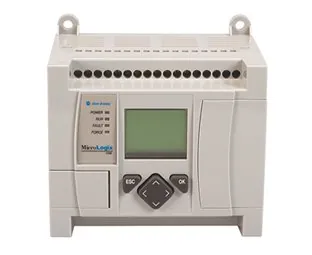
The technical facts already identified by agencies are exactly the kinds of facts that drive those disputes: exposed MicroLogix 1100 and 1400 controllers, password and IP-address changes, project-file or Add-On Instruction manipulation, disabled shutdown or alarm logic, and shared network-setup commonalities flagged in the campaign record.[5][6] Those details point counsel toward configuration, access management, and change-control evidence, not merely toward a generalized statement that “a hacker got in.”
A contract claim becomes stronger if the integrator agreed to secure remote access, segment OT systems, maintain credential controls, monitor for unauthorized changes, or update known-vulnerable equipment, and the record shows those obligations were missed. It becomes weaker if the contract was limited to installation, if the utility retained responsibility for cybersecurity, if budget refusals are documented, or if the relevant exposure arose after the vendor’s scope ended.
Product theories face their own limits. The advisory record points to legacy MicroLogix devices and includes the unpatchable CVE-2021-22681 issue.[6] That fact may support arguments about warnings, compensating controls, lifecycle planning, and migration advice. It does not, by itself, prove that the manufacturer is liable for every internet-exposed installation of an older PLC in a small public utility. The harder and more useful question is who chose the exposure, who knew the device could not be patched, who documented compensating controls, and who had authority to change the architecture.
Shared integrator practices deserve particular attention. Small utilities often inherit configurations from earlier projects, regional templates, or remote-support habits that solved staffing problems long before they became litigation exhibits. Sympathy for that reality does not make the evidence irrelevant. If multiple affected systems used the same remote-access pattern, credential convention, open PLC exposure, or copied logic structure, the dispute will quickly turn from a single compromise into a question about repeatable professional practice.
What counsel should preserve before positions harden
The first legal task is evidence discipline. The utility should preserve PLC project files, Add-On Instructions, ladder logic versions, change histories, historian data, SCADA alarms, firewall and VPN logs, remote-access records, operator notes, water-quality readings, maintenance tickets, integrator statements of work, prior cybersecurity assessments, board budget materials, incident-response communications, regulator contacts, and insurance notices. The preservation notice should reach employees, outside operators, vendors, integrators, managed service providers, and consultants who may hold relevant configuration or access records.
The second task is language control. Separate confirmed facts from reported facts. “Affected,” “targeted,” “accessed,” “manipulated,” “disrupted,” and “contaminated” are not interchangeable. Neither are “Iran-affiliated,” “Iranian state actor,” “federal attribution,” and “false flag not ruled out.” Those distinctions may decide whether a regulator sees candor, whether a carrier sees an exclusion argument, and whether a plaintiff can plead damages.
The third task is to keep the two unresolved facts at the center of every assessment. If federal attribution to Iran is formally made, coverage and sanctions-sensitive response issues become sharper. If contamination is confirmed, the case changes from cyber-operational risk to drinking-water harm. Until then, the most defensible legal assessment is provisional: EPA enforcement is the most immediate institutional risk, customer claims need additional injury facts, insurance disputes will turn on policy wording and attribution evidence, and vendor claims will turn on the configuration record.
References
- Minnesota IT officials disclose coordinated cyberattack on more than 30 local water systems — Reuters Legal, July 28, 2026
- U.S. investigating possible Iran cyberattack on Minnesota water systems — CBS News
- A Leaked Memo Ties Cyberattacks on Minnesota Water Utilities to Iran — WIRED
- Hackers targeted municipal water systems in 7 states this week, FBI says — NBC News
- Malicious Cyber Actors Targeting Water and Wastewater Sector Internet-Facing Programmable Logic Controllers Causing Operational Disruptions — FBI, July 30, 2026
- CISA Advisory AA26-097A — Cybersecurity and Infrastructure Security Agency, April 7, 2026; updated July 22, 2026
- Enforcement Alert: Drinking Water Systems to Address Cybersecurity Vulnerabilities — U.S. Environmental Protection Agency, May 2024
- Understanding the Cybersecurity Risks Flooding the Water and Wastewater Systems Sector — Morgan Lewis, Jan. 5, 2026
- Critical Infrastructure Protection: EPA Urgently Needs a Strategy to Address Cybersecurity Risks to Water and Wastewater Systems — U.S. Government Accountability Office
- American Water Data Breach Lawsuit Filed in New Jersey Over 2024 Cyberattack — ClassAction.org
- Mondelez and Zurich reach settlement in NotPetya cyberattack insurance suit — The Record
- Prove It: Judging the Hostile-or-Warlike-Action Exclusion in Cyber Insurance Policies — The Yale Law Journal
Related records
Tool profile
How Meta's AI Spending Reshapes Law Firm ProfitabilityGoverning regulation
Browse the obligations tracker →Preventive workflow
Browse verification workflows →
Report a correction or tip
Spotted an outdated figure, a misstated fact, or a ruling this case record should reflect? Public comments are disabled for this content given the professional cost of a misreported case outcome, penalty amount, or rule text — use the structured correction channel instead.
Report a correction or tip for this record →