
Risk data, not endorsement
Evaluations
Citation-accuracy and hallucination-rate benchmarks for named AI legal tools, framed explicitly as risk data rather than product endorsement. Each evaluation discloses its benchmark source, methodology, and test date, and aggregates independent studies rather than vendor-supplied figures where possible. Every tool profile cross-links to the specific Risk Digest cases in which that tool was implicated, turning benchmark scores into traceable risk signals. Serves the procurement and comparison task: is this specific tool safe enough to use. Excludes narrative case reporting (Risk Digest) and procedural steps (Workflows); comparisons must always disclose methodology to avoid misleading side-by-side figures across incompatible test conditions.
Source undisclosed
Figures from this source are not directly comparable to other benchmark sources without checking each study's methodology.
 UpdatedHallucination rateNot measured / undisclosed
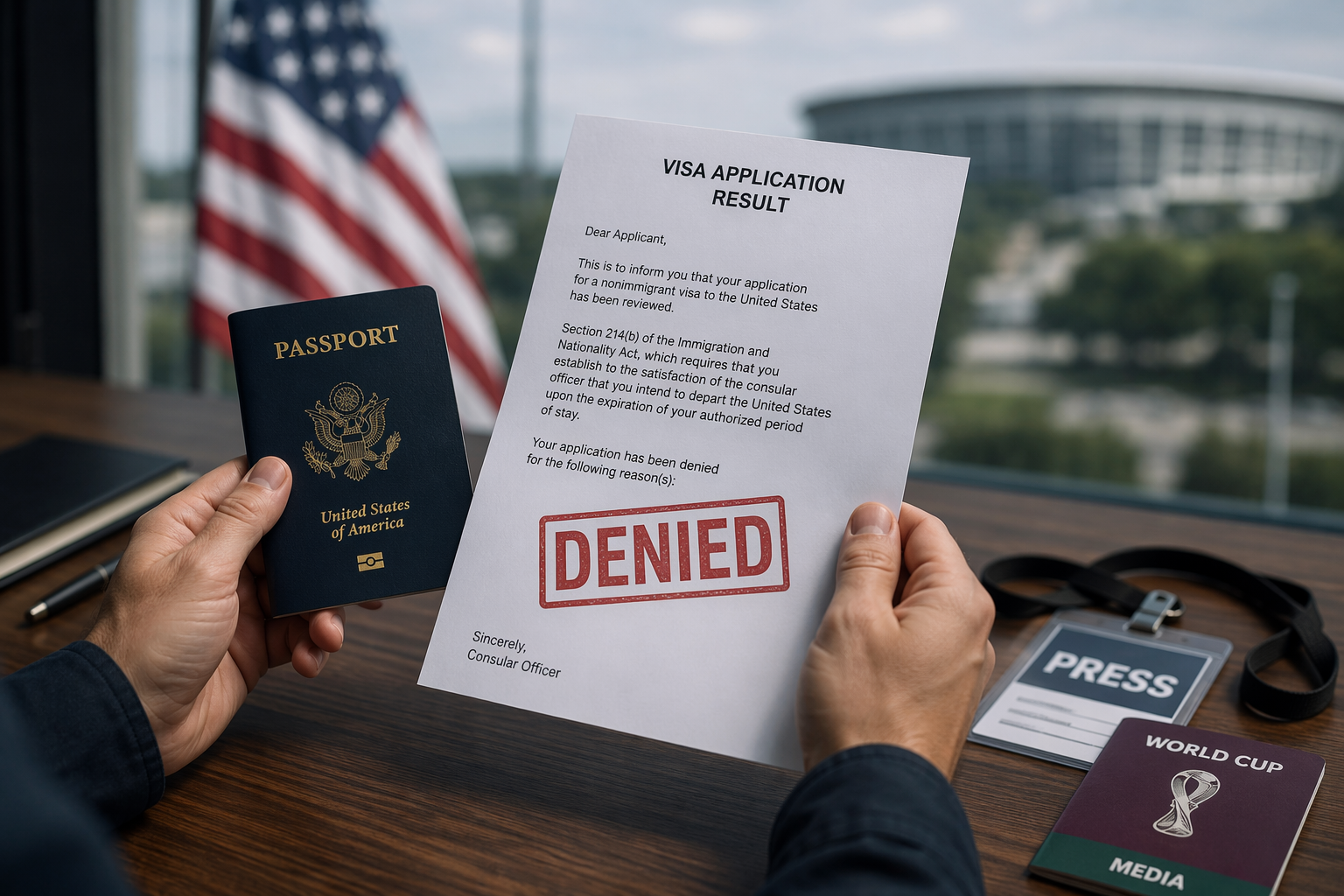
What journalists can do if a World Cup visa is denied
Foreign journalists whose US visa applications are denied for the 2026 World Cup have limited judicial recourse due to consular non-reviewability, but several administrative avenues remain — including reapplication, supervisorial review, advisory opinions, and national interest waivers. This article outlines each option and the organizations that can help.
 UpdatedHallucination rateNot measured / undisclosed
Acorns vs Fidelity Go: What AI Investing Actually Means for Each
This comparison guide helps legal professionals decide between Acorns and Fidelity Go by breaking down fee structures, automation features, and what each platform's AI investing claims actually deliver. It provides a fee break-even analysis and highlights which platform suits different account balances and investing styles.
 UpdatedHallucination rateNot measured / undisclosed
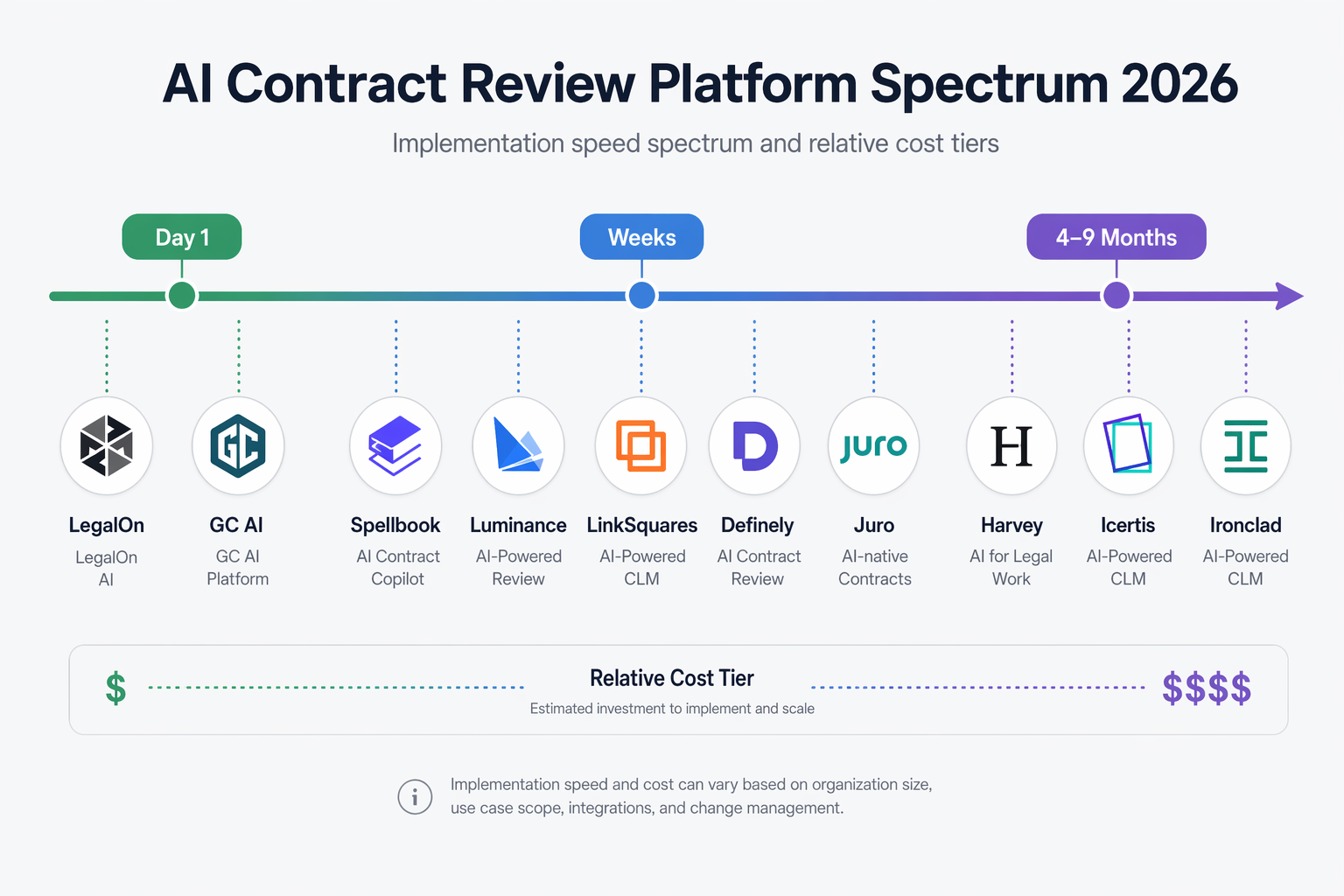
AI Contract Review Software in 2026: A Category-Based Comparison for Legal Teams
This guide organizes the AI contract review market into five distinct platform categories — legal productivity platforms, general legal AI platforms, CLM suites, purpose-built review tools, and Word-native drafting tools — and provides a decision framework to help in-house counsel and legal ops leaders choose the right tool based on contract volume, complexity, implementation timeline, and primary workflow bottleneck.
 UpdatedHallucination rateNot measured / undisclosed
Alphabet's $190B AI Spend: Good News and New Concerns for Legal
The narrative that Alphabet is cutting AI spending is wrong — Q1 2026 guidance raised to $190B. This article breaks down the real picture of rising capex, physical supply bottleneck risks, and what it means for legal AI tools reliant on Google Cloud.
 UpdatedHallucination rateNot measured / undisclosed
The Anthea Hartig Congressional Hearing and Its Legal Implications
The July 21 Hartig hearing exposes how the Smithsonian's unique trust instrumentality structure creates legal uncertainty when congressional oversight and executive pressure collide. This article examines the constitutional frameworks at play and what they mean for legal professionals tracking separation-of-powers disputes.
 UpdatedHallucination rateNot measured / undisclosed
August 2026 EB-1 India Priority Date Unchanged Amid Unavailability Warning
The August 2026 Visa Bulletin holds EB-1 India's Final Action Date at October 15, 2022, but the State Department escalated its warning language from 'coming months' to 'coming weeks,' signaling that the category may become unavailable before the fiscal year ends. This article breaks down the date, the risk, and what affected applicants should prepare for.
 UpdatedHallucination rateNot measured / undisclosed
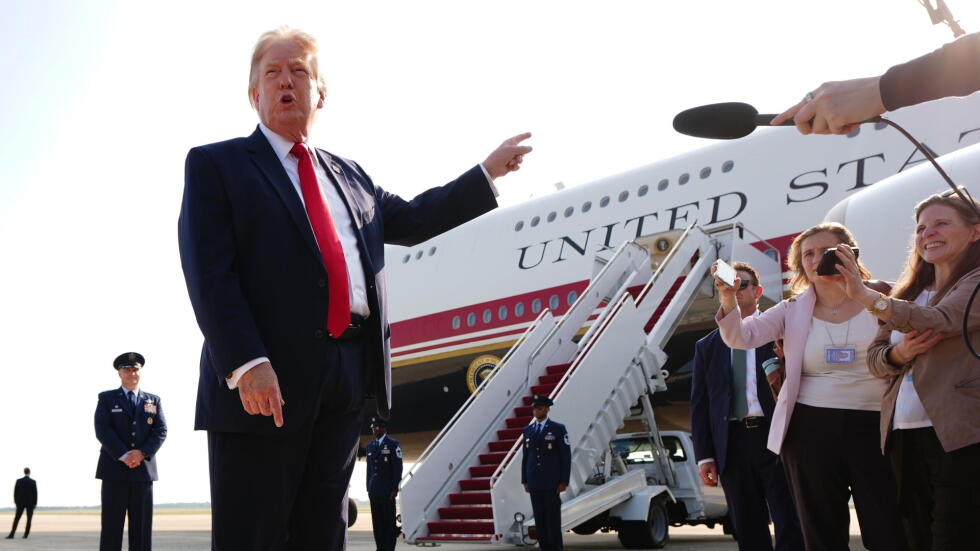
Can Boeing Sue Over the $2.8 Billion Air Force One Controversy?
As the Qatari-gifted bridge jet takes over Air Force One duties, Boeing faces formidable legal hurdles to recover its $2.8 billion in cost overruns on the VC-25B contract. This analysis examines the Tucker Act claim, termination-for-convenience clauses, and the doctrines that make a successful lawsuit uncertain.
 UpdatedHallucination rateNot measured / undisclosed
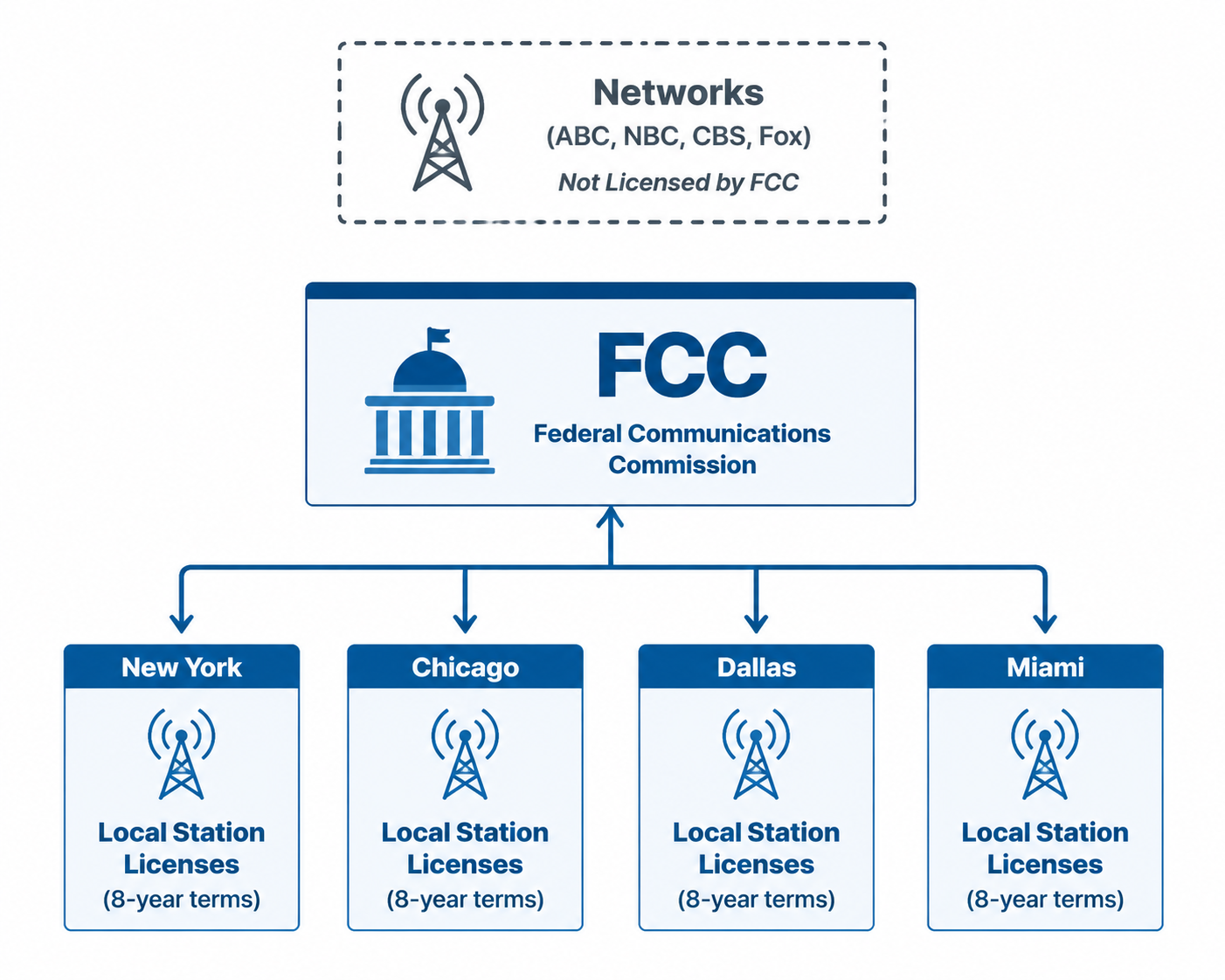
Trump's FCC cannot legally revoke broadcast licenses
This article examines the statutory and constitutional barriers that prevent the FCC from revoking broadcast licenses based on content or political viewpoint, drawing on the Communications Act, FCC guidance, and settled First Amendment law. It provides legal professionals with a source-cited analysis of why content-based license revocation remains legally untenable despite political pressure.
 UpdatedHallucination rateNot measured / undisclosed
Can Free Open Source Legal AI Replace Harvey and CoCounsel?
Evaluates whether free, self-hostable open source legal AI tools like Mike can replace paid enterprise platforms such as Harvey and CoCounsel for small and midsize law firms, focusing on the trade-offs between cost, privacy, and technical requirements.
 UpdatedHallucination rateNot measured / undisclosed
Congressional Dysfunction's Documented Harm to Federal Courts
The article examines documented consequences of congressional underfunding and the 2025 government shutdown, showing how sustained dysfunction has moved from political gridlock to a constitutional access-to-justice crisis affecting court operations, criminal defendants' rights, and civil litigants.
 UpdatedHallucination rateNot measured / undisclosed
Consumer Legal Rights for Cyclospora-Walmart Lettuce
Understand the legal remedies available to consumers affected by the Cyclospora-linked Walmart lettuce recall, including refunds, medical monitoring, and product liability claims, and learn about the key barriers that may prevent compensation.
 UpdatedHallucination rateNot measured / undisclosed
Hospitals Face Dual Liability Risks From Craneware Cyberattack
The Craneware cyberattack forces hospital counsel to navigate a dual-liability structure where both the vendor and covered entity face regulatory exposure. This analysis outlines the key legal obligations, uncertainties, and immediate steps for in-house legal teams.
 UpdatedHallucination rateNot measured / undisclosed
D4vd Handcuff Motion Tests 9th Circuit Shackling Standard
An analysis of the handcuff removal motion filed by D4vd's defense on July 20, 2026, examining the controlling 9th Circuit Sanchez-Gomez standard and the strategic implications for the pending preliminary hearing in the capital-eligible murder case.
 UpdatedHallucination rateNot measured / undisclosed
F-16 Flare Intercepts Trigger Legal Consequences for Pilots
Following the July 19, 2026 World Cup Final TFR breach where NORAD F-16s deployed flares, pilots now face FAA investigations, civil penalties starting at $2,828, 30-90 day certificate suspensions, and potential criminal charges under 49 U.S.C. § 46307 — with the 2026 DETER program excluding TFR violations from reduced settlements.
 UpdatedHallucination rateNot measured / undisclosed
Milei Falklands World Cup Row and International Law's Limits
The July 2026 World Cup semifinal banner controversy has reignited global attention on the Falklands sovereignty dispute. This analysis examines why international law's two competing principles—territorial integrity and self-determination—have failed to resolve one of the world's longest-standing territorial disagreements.
 UpdatedHallucination rateNot measured / undisclosed
How Proposed FRE 707 Changes Admissibility for AI Motion Analysis
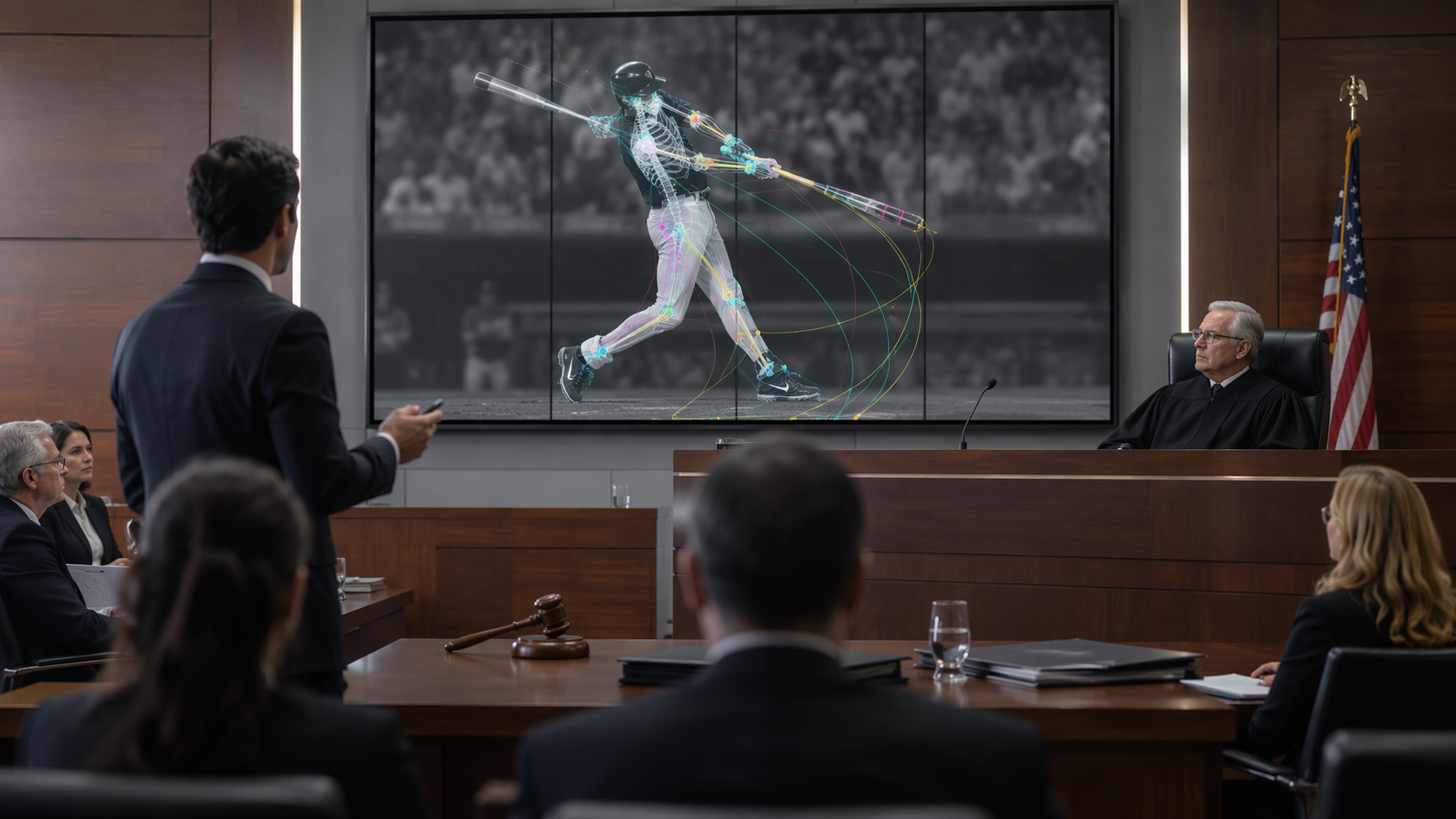
Proposed Federal Rule of Evidence 707 extends Daubert-style reliability review to machine-generated evidence, placing AI-powered motion analysis systems — including markerless motion capture for bat tracking — under a new admissibility standard. This article explains the rule's requirements, the validation record a system like Theia3D would need, and the open questions that remain before any court has ruled on the technology.
 UpdatedHallucination rateNot measured / undisclosed
How to verify LA28 Olympic ticket refund emails legally
Legal professionals can use a multi-criteria verification framework—including sender domain, refund amount, and official sources—to distinguish the genuine July 2026 LA28 ticket tax refund from active scams targeting ticket holders.
 UpdatedHallucination rateNot measured / undisclosed
IBM's Enterprise AI Strategy and Legal Industry Impact
IBM's 2026 AI strategy — centered on watsonx governance, Granite open models, and platform-powered legal applications — creates distinct downstream effects on law firm compliance obligations, vendor evaluation criteria, and AI deployment governance. This analysis examines three vectors that legal professionals should track beyond the usual legal-specific AI vendor narrative.
 UpdatedHallucination rateNot measured / undisclosed
Does the ICE body camera mandate change enforcement accountability?
This article examines Tom Homan's July 19, 2026 directive requiring body cameras during ICE vehicle stops, analyzing whether the mandate creates meaningful accountability or is limited by broad exceptions, funding gaps, and enforcement deficiencies that have historically constrained federal oversight reforms.
 UpdatedHallucination rateNot measured / undisclosed
Why the Iran-US ceasefire deal has no binding legal force
This article analyzes the legal status of the June 2026 US–Iran Islamabad Memorandum under international law and US domestic law. Readers will learn why the document is a non-binding political commitment rather than a treaty, how its novel UN Security Council enforcement mechanism works, and why the Trump administration likely violated the Iran Nuclear Agreement Review Act.