
Risk data, not endorsement
Evaluations
Citation-accuracy and hallucination-rate benchmarks for named AI legal tools, framed explicitly as risk data rather than product endorsement. Each evaluation discloses its benchmark source, methodology, and test date, and aggregates independent studies rather than vendor-supplied figures where possible. Every tool profile cross-links to the specific Risk Digest cases in which that tool was implicated, turning benchmark scores into traceable risk signals. Serves the procurement and comparison task: is this specific tool safe enough to use. Excludes narrative case reporting (Risk Digest) and procedural steps (Workflows); comparisons must always disclose methodology to avoid misleading side-by-side figures across incompatible test conditions.
Source undisclosed
Figures from this source are not directly comparable to other benchmark sources without checking each study's methodology.
 UpdatedHallucination rateNot measured / undisclosed
The 2026 Cuba oil blockade is four distinct sanctions layers
This article anatomizes the four distinct legal instruments that compose the 2026 US oil blockade of Cuba — the CACR under TWEA, the Helms-Burton Act, the now-struck tariff order, and the new IEEPA secondary sanctions regime — and explains how each layer's authority, jurisdictional reach, and enforcement mechanisms differ, giving compliance professionals a structural reference for risk assessment.
 UpdatedHallucination rateNot measured / undisclosed
Can Dollarama's Garlic Powder Recall Defeat a Class Action?
Analyzes whether Dollarama's prompt recall remedy can block class certification under Canadian law, examining recent case law and the unresolved questions around the $2 e-gift card and lack of injuries.
 UpdatedHallucination rateNot measured / undisclosed
How the Elkhorn zebra case unfolded legally
A detailed examination of the statutory and procedural steps in the July 2026 Nebraska Humane Society seizure of 79 animals from an Elkhorn property, showing how a zebra's missing permit gave authorities jurisdictional leverage. This case illustrates the full enforcement cycle from anonymous tip through warrant service, citation, and pending court proceedings.
 UpdatedHallucination rateNot measured / undisclosed
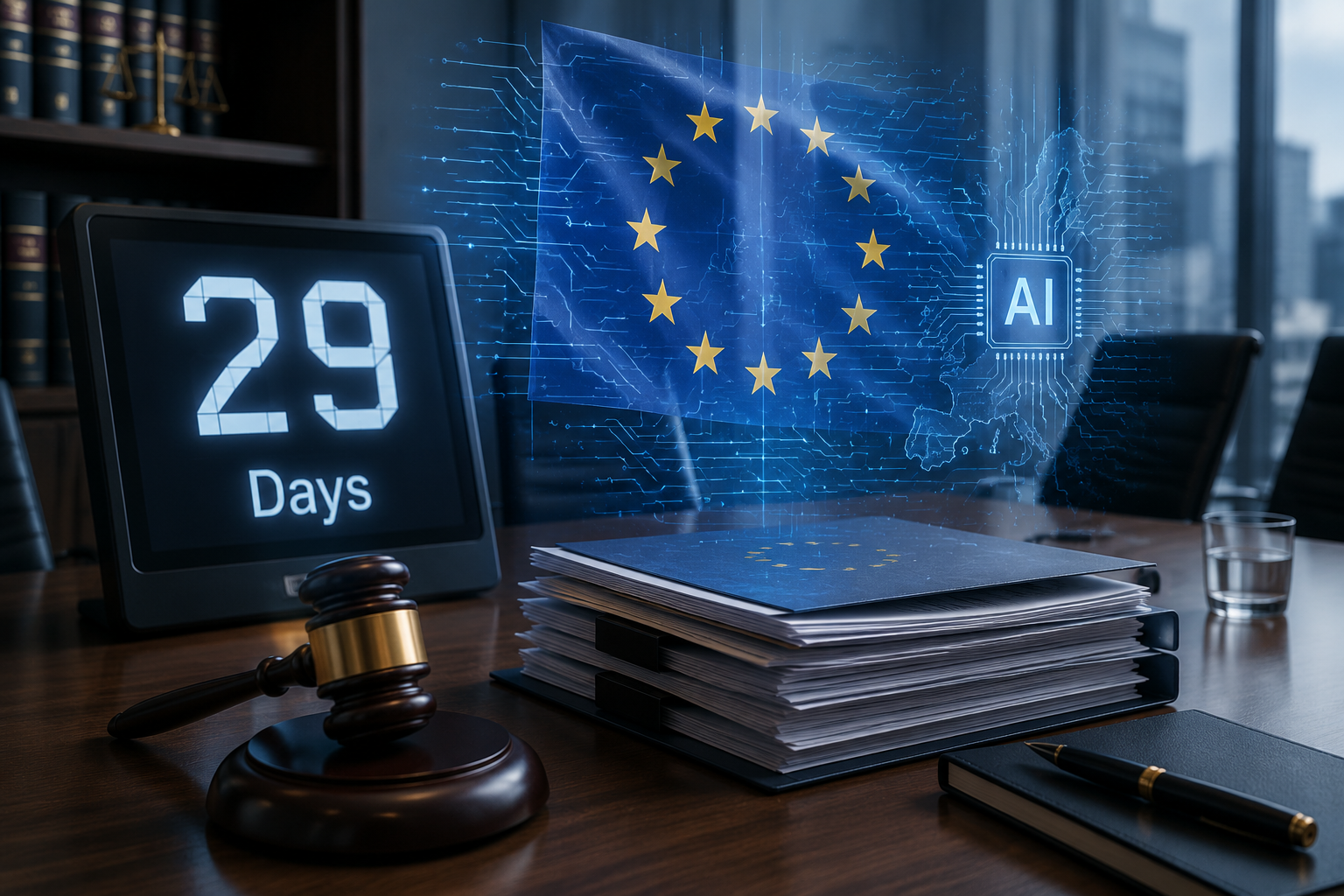
EU AI Act Compliance for Law Firms: An 8-Step Action Plan Before the August 2, 2026 Deadline
With 29 days until the August 2, 2026 high-risk deadline, this article provides law firms with a concrete 8-step compliance cascade covering AI system inventory, risk classification, technical documentation, human oversight, and AI literacy training to avoid penalties of up to €35 million or 7% of global turnover.
 UpdatedHallucination rateNot measured / undisclosed
Flock Safety's AI Surveillance Network Under Legal Siege
This article maps every active legal front against Flock Safety's AI-powered surveillance technology as of mid-2026, covering class-action waves, Fourth Amendment challenges, state regulations, municipal contract battles, and emerging liability risks. It provides legal professionals with a comprehensive reference to understand the scope of Flock's legal exposure.
 UpdatedHallucination rateNot measured / undisclosed
How Google Play Services Data Became Convertible Property
The Ninth Circuit's Taylor v. Google decision treats cellular data consumed by Google Play Services as convertible property, opening a novel litigation theory for privacy plaintiffs. This article examines the ruling, the $135M settlement, and the unresolved legal limits of this theory.
 UpdatedHallucination rateNot measured / undisclosed
Harvey AI Accuracy and Hallucinations: Benchmark Data vs. Real-World Reliability
This article examines the gap between Harvey AI's marketed 0.2% hallucination rate on BigLaw Bench and documented production failures, including a fabricated LexisNexis citation in April 2026. It provides attorneys, professional responsibility officers, and risk managers with a data-driven assessment of where Harvey's accuracy claims hold and where they break down.
- UpdatedHallucination rateNot measured / undisclosed
Harvey AI Legal Research Tool: Features, Capabilities, and Documented Limitations
A structured profile of Harvey AI covering its legal research and drafting capabilities, deployment model, data handling practices, and the limitations practitioners should weigh before adoption.
 UpdatedHallucination rateNot measured / undisclosed
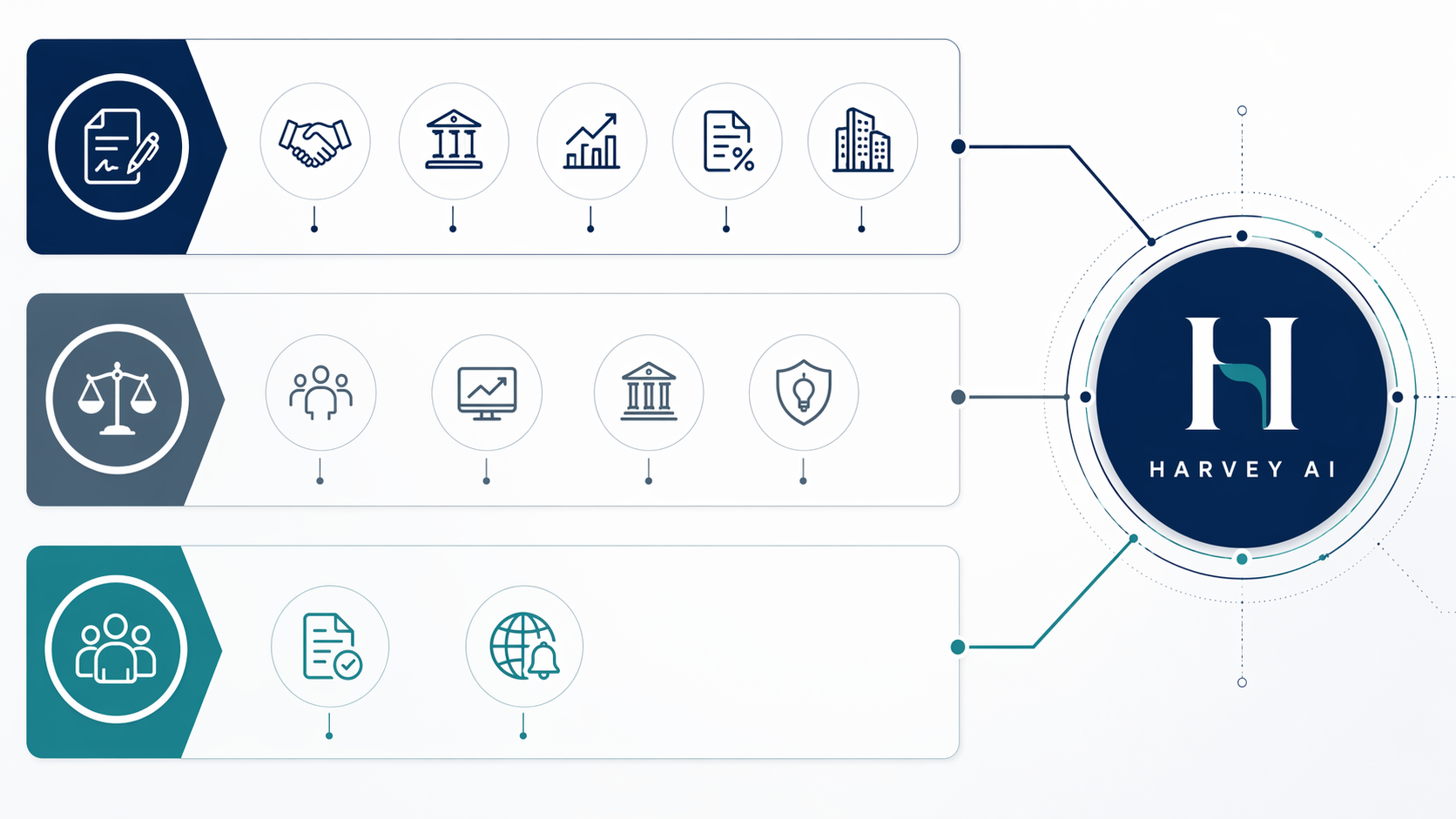
Harvey AI for Law Firms: A Structured Taxonomy of Practice-Group Use Cases
This article presents an evidence-based taxonomy of Harvey AI's use cases organized by workflow category—transactional, litigation, and in-house—drawing on Harvey's anonymized activity data from over 142,000 lawyers. It provides law firm leaders with a practice-group-level framework for prioritizing AI deployment, with documented adoption patterns and ROI evidence from named customers.
 UpdatedHallucination rateNot measured / undisclosed
Hawaii Truck Bed Age Law: Minimum Raised to 16 in 2026
This article details Hawaii's Act 095 (HB1692) which raised the minimum age for riding in a pickup truck bed from 12 to 16, effective June 5, 2026. It outlines the exceptions, exemptions, and penalty structure, and clarifies that no 2025 law exists despite common search references.
 UpdatedHallucination rateNot measured / undisclosed
How to Use Tubi on ChatGPT
Legal professionals can learn how to install and use the Tubi app within ChatGPT, gaining practical familiarity with the @mention invocation model that powers professional ChatGPT apps. This step-by-step guide covers setup across desktop and mobile, real-world performance from hands-on tests, and limitations that reveal how conversational AI layers over structured data.
 UpdatedHallucination rateNot measured / undisclosed
Indoor farming faces food safety rules written for fields
Indoor hydroponic lettuce operations are not covered by the FSMA Produce Safety Rule in the same way as field farms, creating a regulatory vacuum filled unevenly by private certifications. This analysis compares the legal exposure and enforcement landscape for both sectors.
 UpdatedHallucination rateNot measured / undisclosed
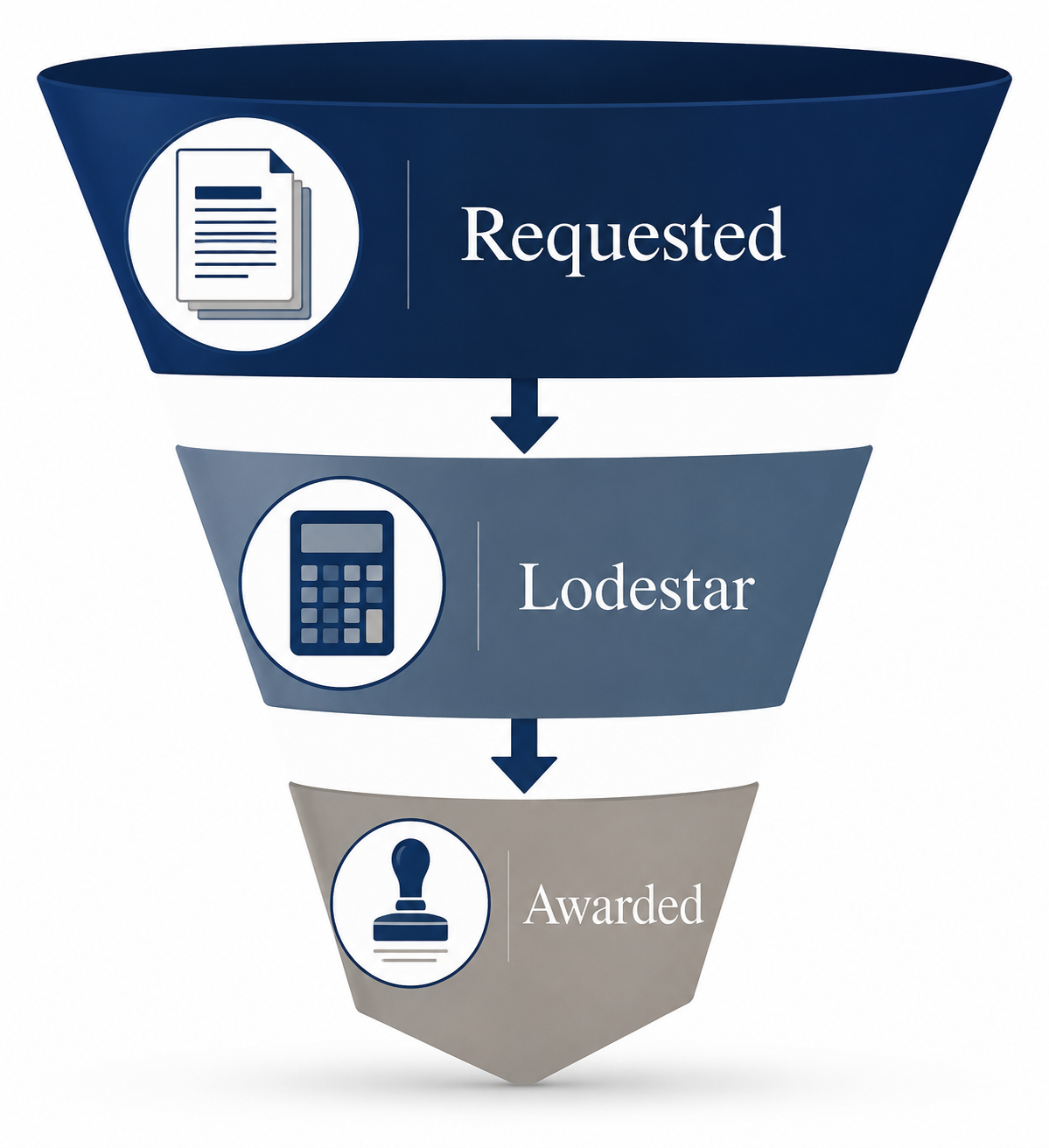
Inside Jada Pinkett Smith's Anti-SLAPP Fee Award
A California superior court awarded $32,836 in fees under CCP § 425.16(c) in the Jada Pinkett-Smith case. This article breaks down the court's lodestar analysis, the 15% partial-success reduction, and the procedural pitfalls that cost the defendant his inability-to-pay argument — a concrete example for litigators navigating anti-SLAPP fee contests.
 UpdatedHallucination rateNot measured / undisclosed
Combat Death in Jordan Triggers Title 10, Not SOFA Criminal Law
The July 2026 combat deaths of US service members in Jordan, including 1st Lt. Tyler Feehan, fall under combat casualty law and war powers — not the host-nation criminal jurisdiction that governed the 2016 King Faisal Air Base shooting. This article explains the differing legal regimes for benefits, accountability, and military authority.
 UpdatedHallucination rateNot measured / undisclosed
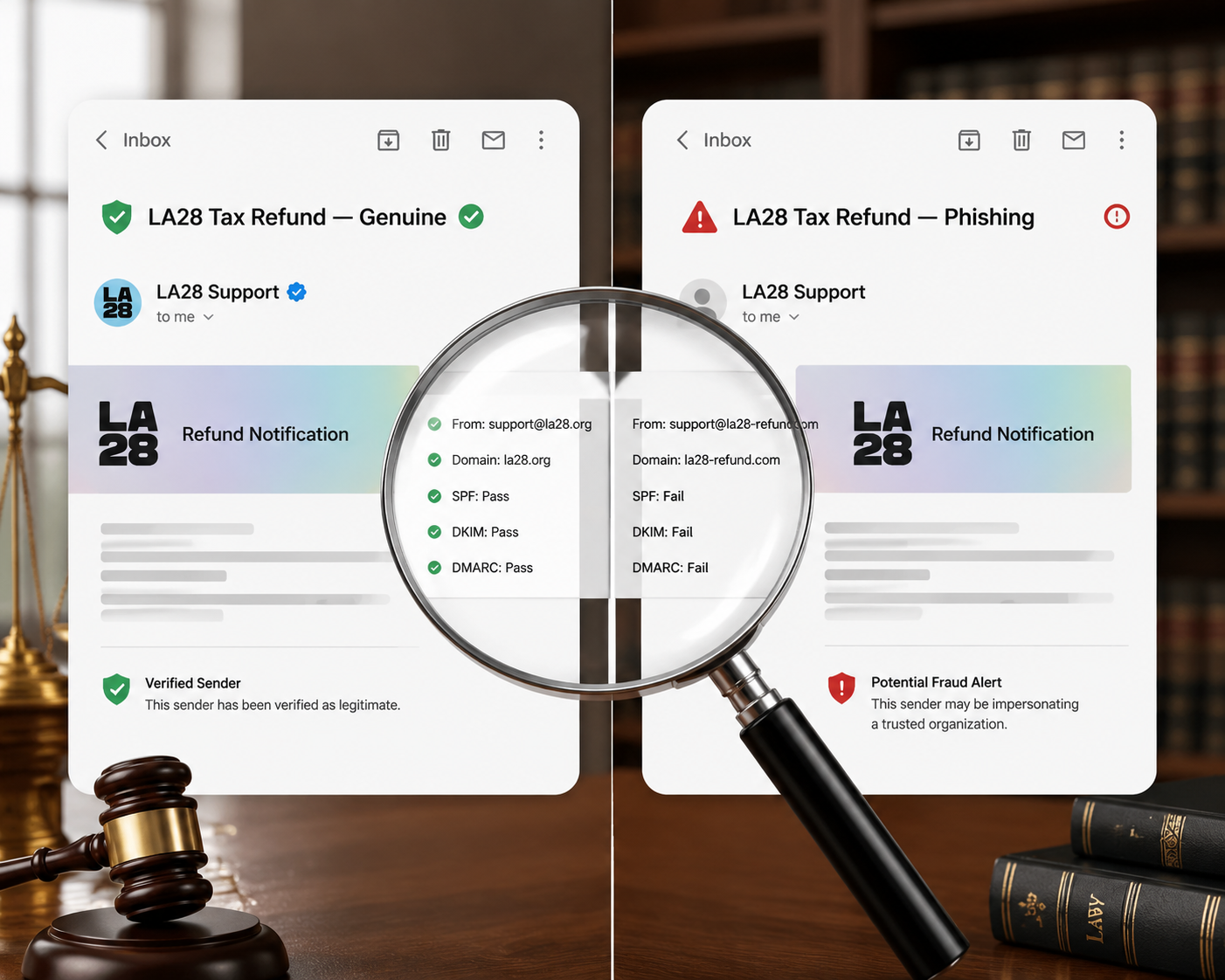
LA28 Ticket Refund Scam? Legal Advice for Attorneys
The LA28 tax refund emails sent July 17 are genuine but nearly indistinguishable from AI-powered phishing campaigns. This article provides attorneys with a verifiable checkpoint framework to distinguish real refunds from scams and maps the sequential reporting pathway for consumer fraud victims.
 UpdatedHallucination rateNot measured / undisclosed
Building a Law Firm AI Policy: 8 Essential Components Based on Bar Guidance and Policy Frameworks
This article synthesizes eight essential components of a law firm AI governance policy from independently developed bar-approved frameworks and model policies. It provides a practical reference for attorneys and practice managers drafting a policy that satisfies ABA ethical duties while enabling innovation within defined guardrails.
 UpdatedHallucination rateNot measured / undisclosed
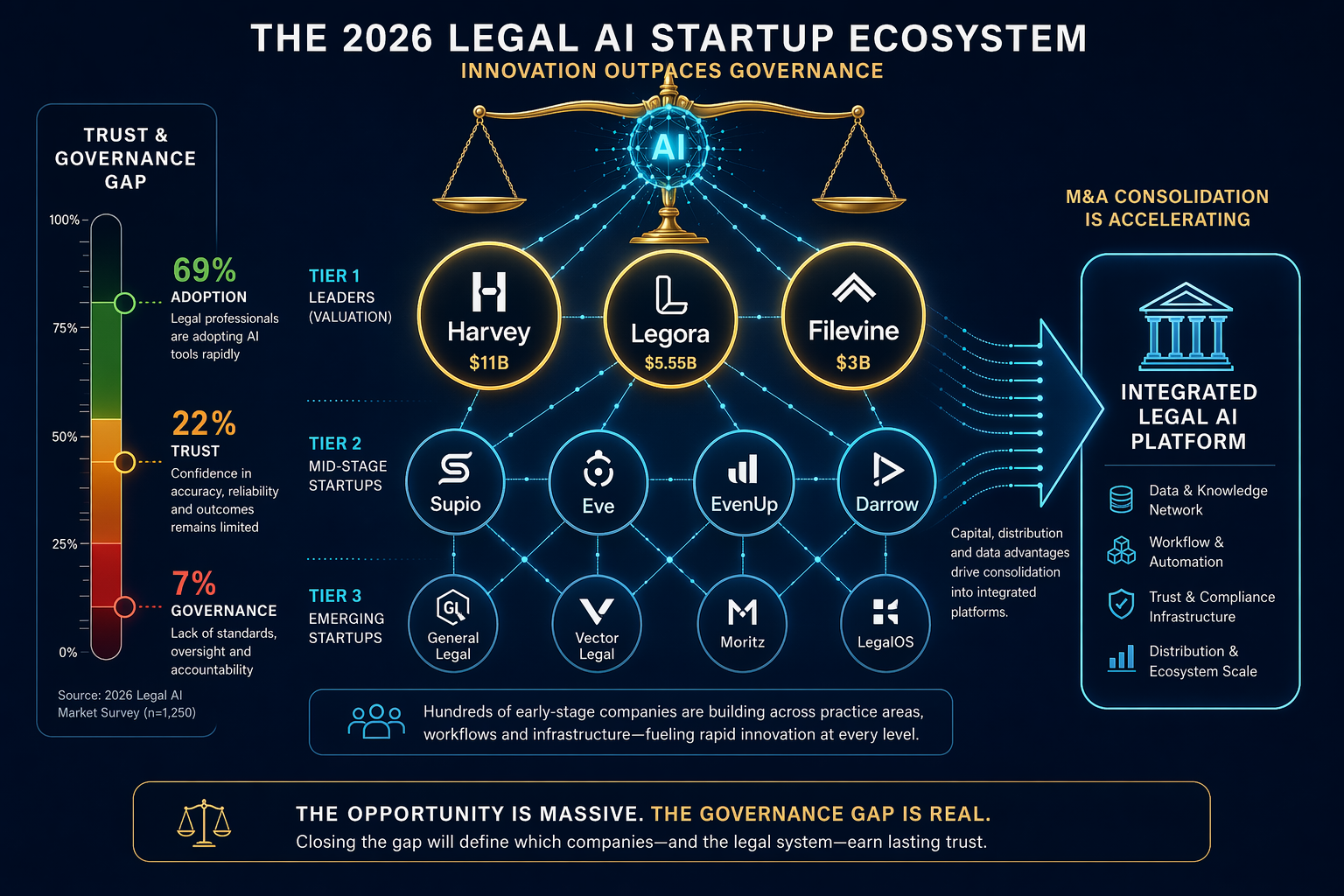
The Legal AI Trust and Governance Gap: Why Startups Are Flourishing While Institutional Readiness Lags
Legal AI startup funding and adoption are at all-time highs in 2026, but the institutional infrastructure for responsible AI use is dangerously underdeveloped. This article analyzes the governance gap for risk officers, managing partners, and in-house counsel, backed by multi-source survey data and the ABA ethical framework.
 UpdatedHallucination rateNot measured / undisclosed
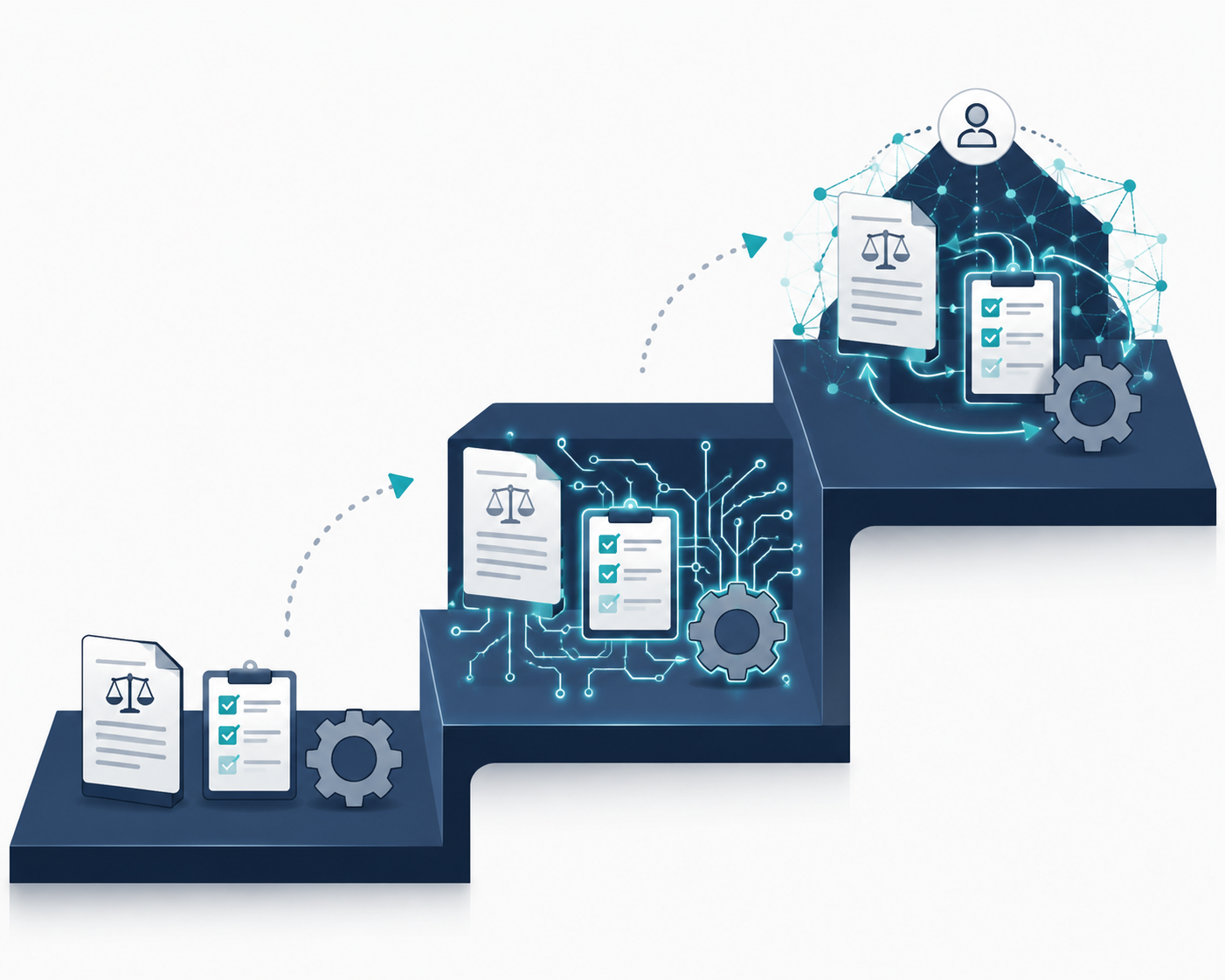
A Three-Stage Maturity Model for Legal Ops AI Workflow Automation
Drawing on industry benchmarks and implementation data, this article presents a three-stage maturity model for AI-powered workflow automation in legal operations, explaining why skipping foundational steps is the primary cause of failed AI projects and how to sequence adoption for measurable ROI.
- UpdatedHallucination rateNot measured / undisclosed
Levidow LeGendre AI Citation Hallucination: Court Sanctions Incident Record
A documented record of the Levidow LeGendre AI citation hallucination incident, in which a New York law firm submitted AI-generated case citations that did not exist, resulting in court sanctions and professional responsibility scrutiny.
 UpdatedHallucination rateNot measured / undisclosed
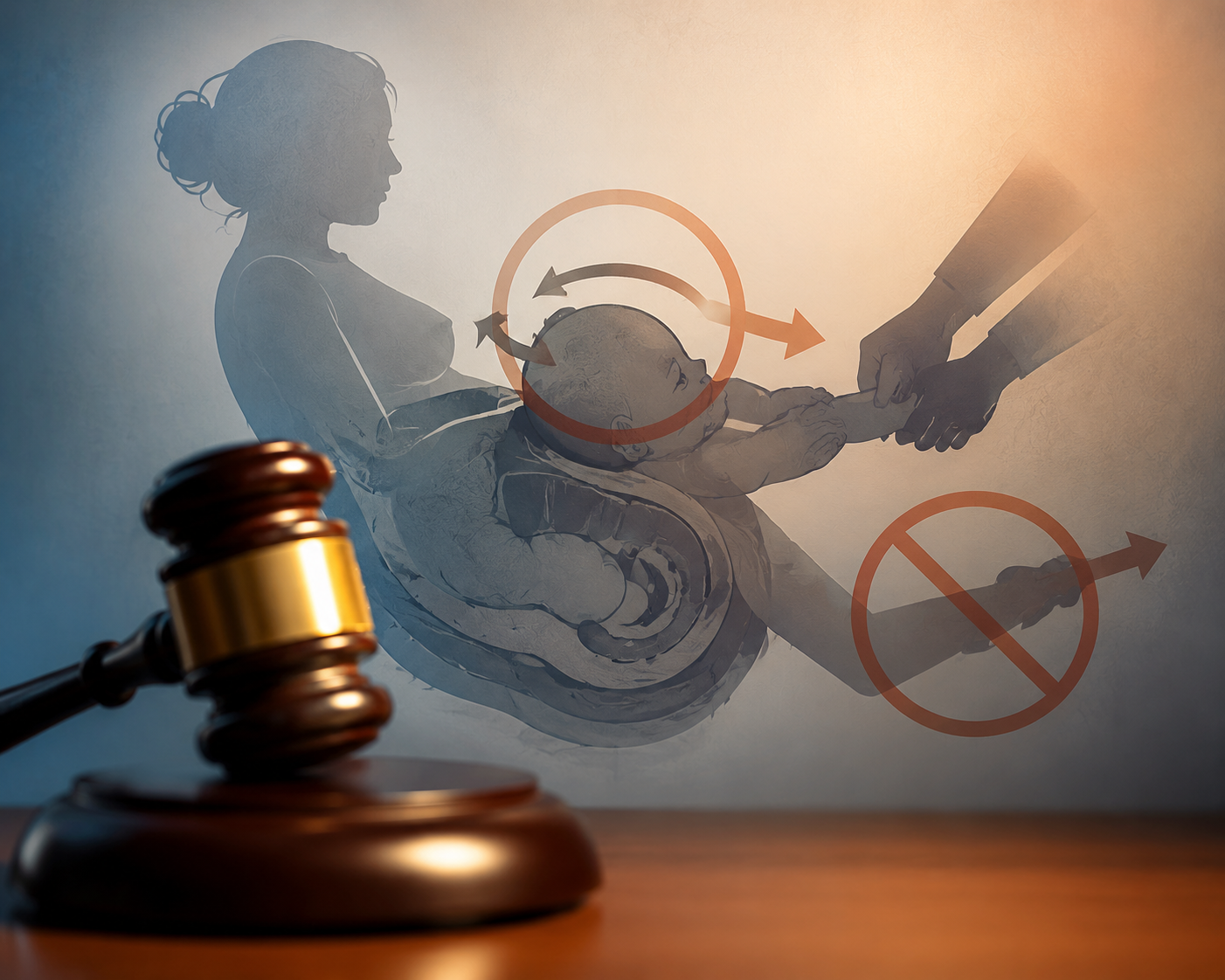
What Is a 'Never Maneuver' in Childbirth Malpractice Law?
A reference article explaining the legal definition of 'never maneuver' in childbirth malpractice litigation, the three recognized categories of prohibited obstetric maneuvers, the key case law including the July 2026 Lake v. WakeMed verdict, and how the term differs from the NQF never events framework.