
Tracking Michigan whitefish restoration legislation in 2026
- Authority
- Michigan Legislature
- Rule type
- statute
- Jurisdiction scope
- US state
- Effective date
- Jul 21, 2026
- Source text
- Read primary rule text ↗
One-time $350,000 state GF/GP appropriation to DNR for lake whitefish stock recovery.
Non-advice status record: this article tracks source-linked legal and funding status for Michigan whitefish restoration legislation in 2026. It is not legal advice and should be rechecked against current bill, budget, grant, and rule pages before use in a filing, client memo, or agency communication.
Last verified: August 3, 2026. The operative answer today is a split docket: Michigan has one enacted FY 2026-27 DNR appropriation for lake whitefish stock recovery; HB 5801 and HB 5802 remain pending; Mich. Admin. Code R. 299.801 is a standing closed-season rule; and the federal layer has separate introduced-bill, grant-deadline, and authorization-monitoring statuses.
This record follows the same obligation-tracker discipline used for the Georgia gas tax suspension record and the AI literacy schools legal requirements record: status first, source next, obligation only where the instrument actually creates one.
| Instrument | Status as of August 3, 2026 | Jurisdiction and source type | Operative obligation or effect | Affected actors | Amount or live date |
|---|---|---|---|---|---|
| FY 2026-27 Michigan DNR lake whitefish stock recovery appropriation | Enacted budget item; signed into law July 21, 2026 | Michigan state budget / DNR appropriation | Creates a one-time GF/GP funding line for lake whitefish stock recovery. Reporting describes this as the first dedicated whitefish line item; primary budget language should still be checked before treating any implementation detail as statutory text. [1][2][3] | Michigan DNR and any implementing partners or recipients selected through DNR administration | $350,000 one-time GF/GP; FY 2026-27 |
| HB 5801 and HB 5802 | Pending; introduced April 16, 2026; heard May 20, 2026; still in House Natural Resources and Tourism Committee as of the available status sources | Michigan House bills / commercial fishing and related package | No enacted obligation. The bills are tie-barred and contested; sponsor materials frame them as protecting a heritage fishing industry, while sporting-interest opposition describes them as harmful commercial-fishing expansion. [4][5][6][7] | Potentially commercial fishers, recreational and sporting interests, DNR, and regulated fisheries participants if enacted | No operative amount; recheck bill pages before publication or reliance |
| Mich. Admin. Code R. 299.801 | Standing administrative rule | Michigan administrative regulation | Establishes a closed season for whitefish in Lakes Huron, Michigan, and Superior from November 1 through November 30. [8] | Persons subject to Michigan fishing regulations in the covered waters | Annual closed season: November 1-30 |
| H.R. 6053, Save Great Lakes Fish Act | Introduced and in committee; not enacted | Federal legislation | Would authorize Great Lakes Fishery Commission-led invasive mussel control funding if enacted. It does not currently create a funding entitlement or compliance obligation. [9][10] | Federal agencies, Great Lakes Fishery Commission, and potential project participants if enacted and funded | Proposed $500 million authorization for FY 2026-2035 |
| Great Lakes Fish and Wildlife Restoration Act FY 2026 NOFO F26AS00062 | Active grant opportunity on the verification date | Federal grant notice / USFWS and Grants.gov | Creates application deadlines and eligibility conditions for applicants, not a Michigan statutory restoration mandate. [11][12] | Eligible applicants seeking GLFWRA FY 2026 restoration funding | Approximately $3.5 million; approximately 15 awards; pre-proposals due August 3, 2026 |
| Great Lakes Restoration Initiative authorization / H.R. 284 tracking | Authorization-monitoring item; reauthorization status must be checked | Federal authorization | Existing GLRI authorization is a monitoring date rather than a Michigan whitefish-specific law; the cited reauthorization bill is the vehicle to track. [13] | Federal program administrators, Great Lakes states, grant recipients, and policy staff tracking continuity | Authorization expiration date to monitor: September 30, 2026 unless reauthorized |
The enacted Michigan item is the DNR budget line
For 2026 tracking purposes, the enacted Michigan measure is the FY 2026-27 Department of Natural Resources appropriation line for lake whitefish stock recovery. Michigan Public reported a $350,000 one-time general fund/general purpose item for whitefish restoration, and MLive and the Senate Fiscal Agency budget materials also identify the funding in the DNR budget package. [1][2][3]
That matters because the legal status is different from the surrounding restoration conversation. A signed budget line gives DNR spending authority within the enacted appropriation. It does not, by itself, enact the pending commercial-fishing bill package, amend the standing closed-season rule, or convert agency recovery goals into enforceable statutory duties.
The budget path also deserves care. The available materials describe movement from a Senate placeholder to an enacted $350,000 line item at conference. That makes the enacted number important, but it also makes the primary-document check important: the cleanest statement for counsel is that the one-time appropriation exists and should be tied to the signed FY 2026-27 DNR budget documents, not to a generalized claim that Michigan enacted a complete whitefish restoration program.
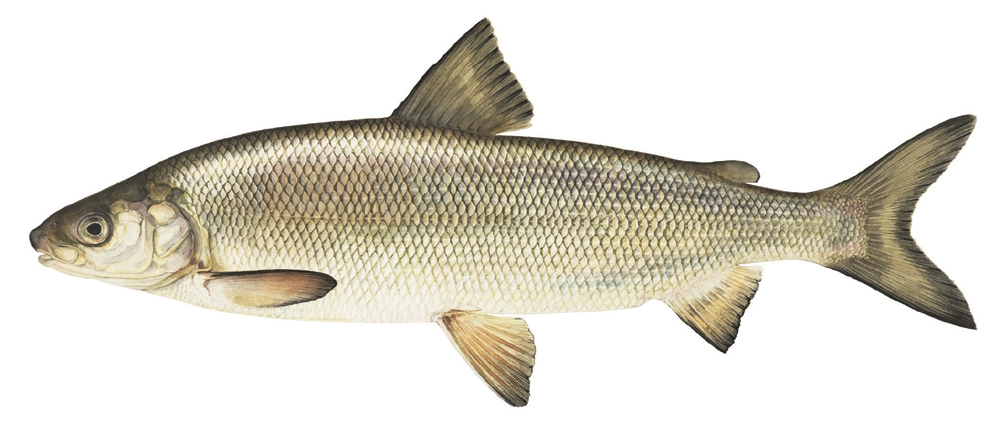
Reported DNR statements should stay attributed. Bridge Michigan reported DNR Fisheries Division chief Randy Claramunt describing 18 genetically distinct lake whitefish populations in Michigan waters, 14 of them imperiled, and estimating that restoration could cost $200,000 to $300,000 per population per year. [14] Michigan Public separately reported agency comments that the funding could help recover and monitor up to three lake whitefish stocks. [1] Those are useful implementation signals, not proof that the Legislature mandated recovery of three stocks.
HB 5801 and HB 5802 remain pending, not enacted
HB 5801 and HB 5802 are the easiest part of the docket to overstate. The bills were introduced April 16, 2026, are described as tie-barred, drew more than 60 House cosponsors in sponsor materials, and received a May 20, 2026 hearing in the House Natural Resources and Tourism Committee. The available bill-status sources still place the package in committee, not on the governor's desk and not in enacted law. [4][5][6]
Sponsor materials from Reps. Prestin and Morgan frame the package as a plan to protect Michigan's heritage fishing industry. [6] The Congressional Sportsmen's Foundation opposed the bills after the hearing, describing them as harmful bills that would expand commercial fishing. [7] The opposition does not decide legal status, but it does make the committee posture more important: this is pending, contested legislation, and any compliance memo should recheck the Legislature's bill page before saying anything stronger.
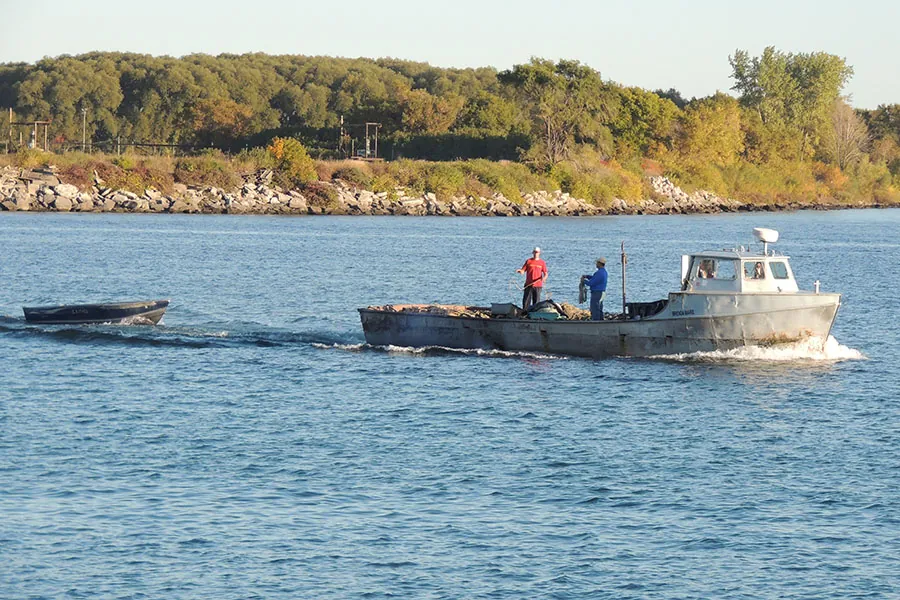
The practical consequence is narrow but important. HB 5801 and HB 5802 may be relevant for bill tracking, stakeholder monitoring, hearing files, and position development. They should not be listed as current Michigan whitefish restoration law, and they should not be merged into the enacted $350,000 DNR appropriation as though the same legal instrument created both.
The closed-season rule is already operative
Mich. Admin. Code R. 299.801 is not a 2026 appropriation and not a pending bill. It is a standing administrative rule. The rule provides that the closed season on whitefish in Lakes Huron, Michigan, and Superior is November 1 through November 30. [8]
For tracking purposes, that puts the rule in a different column from restoration funding. The DNR budget line authorizes one-time spending for stock recovery; the administrative rule restricts taking whitefish during a specified annual window in named Great Lakes waters. A reader advising fishers, buyers, trade groups, or agency staff needs both entries visible, but the entries do different legal work.
Federal instruments carry their own dates
The federal layer does not collapse into Michigan's 2026 DNR appropriation. H.R. 6053, the Save Great Lakes Fish Act, is an introduced-and-in-committee federal bill, not enacted law. BillTrack50 describes the measure as authorizing $500 million for fiscal years 2026 through 2035 for Great Lakes Fishery Commission-led invasive mussel control, and Rep. Debbie Dingell's release frames the bill around Great Lakes fishery protection. [9][10]
The grant deadline is more immediate. The FY 2026 Great Lakes Fish and Wildlife Restoration Act notice, F26AS00062, lists approximately $3.5 million, approximately 15 awards, and an August 3, 2026 pre-proposal due date. [11][12] On the verification date of this record, that is a live applicant deadline. It is not an enacted Michigan statute, but for eligible applicants it may be the most urgent date in the file.
GLRI is a separate authorization-monitoring item. The cited H.R. 284 page is the federal reauthorization vehicle to watch, and the cited materials identify September 30, 2026 as the authorization expiration date unless reauthorized. [13] That date belongs on a tracker, but it should not be described as a Michigan whitefish-specific compliance deadline.
Ecological context explains the docket; it does not change status
The whitefish record exists because the resource problem is real enough to draw budget, bill, agency, and grant attention. EGLE's 2026 coverage described DNR and tribal recovery work around lake whitefish eggs and population resilience. [15] UW-Milwaukee's School of Freshwater Sciences describes the decline of Lake Michigan whitefish and links it to pressures including invasive mussels and food-web change. [16]
Those sources are background for why lawmakers and agencies are acting. They are not substitutes for enacted text. A population-decline account can justify monitoring the docket; it cannot make HB 5801 law, increase the $350,000 appropriation, or impose a grant deadline on a party that is not applying.
Verification notes for August 3, 2026
- Budget status: treat the $350,000 one-time GF/GP DNR line as the enacted Michigan measure, but verify implementation language against primary FY 2026-27 budget documents before quoting statutory or boilerplate text.
- Bill status: recheck HB 5801 and HB 5802 on the Michigan Legislature bill pages before publication, filing, or client use; the available record supports only pending committee status.
- Rule status: keep Mich. Admin. Code R. 299.801 separate from 2026 restoration funding; it is a standing annual closed-season rule.
- Federal status: separate H.R. 6053's introduced-bill posture from the GLFWRA FY 2026 NOFO deadline and the GLRI September 30, 2026 authorization-monitoring date.
As of August 3, 2026, the record stops at that split: one enacted Michigan appropriation, no enacted HB 5801 or HB 5802, one standing Michigan closed-season rule, and federal instruments with their own statuses and dates.
References
- Michigan fisheries get one-time funding for whitefish restoration, Michigan Public, July 20, 2026
- Michigan budget spends $25 million to keep iconic trout rivers cold, MLive, July 2026
- Department of Natural Resources FY 2026-27 Budget Highlights, Michigan Senate Fiscal Agency
- House Bill 5801, Michigan Legislature
- MI HB5801 | 2025-2026 | 103rd Legislature, LegiScan
- Reps. Prestin, Morgan introduce plan to protect Michigan's heritage fishing industry, Michigan House Republicans
- Harmful Bills That Would Expand Commercial Fishing Receive Hearing in Michigan, Congressional Sportsmen's Foundation, June 8, 2026
- Mich. Admin. Code R. 299.801 - Closed seasons on whitefish, Cornell Legal Information Institute
- H.R. 6053 Save Great Lakes Fish Act, BillTrack50
- Dingell Introduces Save Great Lakes Fish Act, Office of Rep. Debbie Dingell
- Great Lakes Fish and Wildlife Restoration Act FY 2026 Notice of Funding Opportunity F26AS00062, Grants.gov
- Great Lakes Fish and Wildlife Restoration Act Grant Program, U.S. Fish and Wildlife Service
- H.R.284 - Great Lakes Restoration Initiative Act, Congress.gov
- Michigan Senate to consider funding whitefish recovery efforts, Bridge Michigan
- Don't put all your fish eggs in one basket, Michigan EGLE, March 18, 2026
- The decline of Lake Michigan whitefish, University of Wisconsin-Milwaukee School of Freshwater Sciences
Operationalizing workflow
No workflow has been explicitly linked to this obligation yet. See Workflows generally.
Illustrative cases
No illustrative case is currently tracked for this obligation. See Risk Digest for documented incidents generally.
← Back to RegulationReport a correction or tip
Spotted an outdated figure, a misstated fact, or a ruling this regulation entry should reflect? Public comments are disabled for this content given the professional cost of a misreported case outcome, penalty amount, or rule text — use the structured correction channel instead.
Report a correction or tip for this record →