
The securities-law layers that govern CEO insider sales
- Authority
- U.S. Securities and Exchange Commission (SEC)
- Rule type
- regulation
- Jurisdiction scope
- US federal
- Effective date
- Feb 27, 2023
- Source text
- Read primary rule text ↗
CEO stock sales must independently satisfy Rule 10b5-1 conditions, Section 16 reporting and short-swing rules, issuer policy, and SEC disclosure duties.
Record note: This obligations tracker is for US securities-law research only; it is not legal advice and does not clear any transaction. Legal-background reviewer: site securities-regulation editor. Last verified: Aug. 3, 2026 UTC against the SEC materials cited below.
The useful first question on a pending CEO sale is not whether someone can point to a Rule 10b5-1 plan. It is whether four separate gates have each cleared. The SEC adopted the current Rule 10b5-1 amendments on Dec. 14, 2022, with an effective date of Feb. 27, 2023; those amendments changed the affirmative-defense conditions and related disclosure machinery, but they did not make Rule 10b5-1 a universal approval stamp for executive sales.[1][2]
| Gate | What must be checked | Failure mode if it does not clear |
|---|---|---|
| Rule 10b5-1 affirmative-defense gate | Plan adoption date, modification history, cooling-off period, director/officer certification, good-faith operation, overlapping plans, and single-trade-plan limits.[1][2] | The trade may lose the Rule 10b5-1(c)(1) affirmative defense even if the sale was mechanically scheduled. |
| Section 16 gate | Form 4/Form 5 coding and plan-adoption-date disclosure for 10b5-1 trades; separate six-month short-swing matching under Section 16(b).[2] | A reporting defect is separate from strict-liability disgorgement exposure; a 10b5-1 plan does not cure a short-swing match. |
| Issuer-policy gate | Company pre-clearance, blackout windows, trading-policy conditions, and internal approval procedures.[3] | The trade may violate company policy even where a federal-law defense is potentially available. |
| Public-disclosure gate | Item 408(a) plan disclosures, Item 408(b) insider-trading policy disclosure and Exhibit 19 filing, and Item 402(x) option-award timing disclosure.[1][2] | The sale may be cleared for execution while still creating downstream periodic-report disclosure work. |

Those gates should be treated as operationally independent. A clean 10b5-1 record does not answer the blackout question. A timely Form 4 does not answer Section 16(b). A company-policy approval does not decide whether Item 408 or Item 402(x) disclosures will later be needed. The clearance file should show which gate was tested, what facts were used, and who owns any follow-up.
The 10b5-1 plan gate: defense conditions, not transaction approval
Rule 10b5-1 matters because it can supply an affirmative defense to insider-trading allegations when its conditions are met. For a CEO, the amended rule makes the clearance file more date-dependent than it used to be. The first documents to pull are the executed plan, the adoption date, any modification records, and any currently open trading arrangements for the same insider.
For directors and officers, the amended rule requires a cooling-off period that ends on the later of 90 days after adoption or two business days after disclosure of the issuer’s financial results for the fiscal quarter in which the plan was adopted, subject to a 120-day maximum. For non-director, non-officer traders, the cooling-off period is 30 days.[1][2]
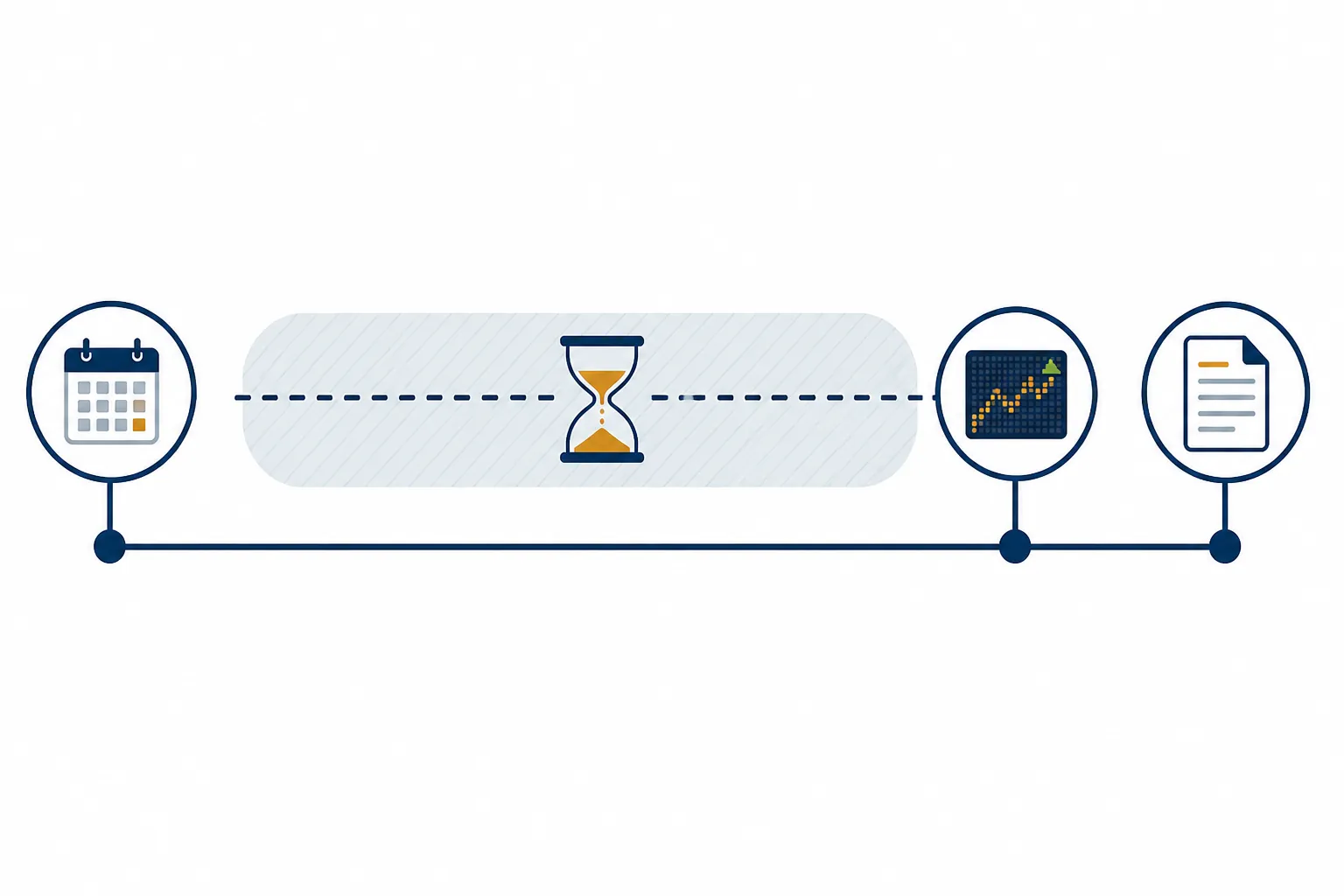
A proposed CEO sale therefore needs a calendar reconstruction, not just a copy of the plan. If the plan was adopted inside a blackout window, modified after adoption, or tied to a quarter whose results were not yet disclosed when the plan was signed, the cooling-off calculation may not be the date someone remembers from the first approval email. The modification point is particularly easy to under-document, because a change that looks administrative to the business team can matter if it changes the amount, price, or timing of trades.
The amended rule also requires directors and officers to certify in the plan that they are not aware of material nonpublic information and are adopting the plan in good faith. The good-faith condition is not only an adoption-date statement; the amended framework requires the person to have acted in good faith with respect to the plan during its duration.[1][2]
That is where the clearance review should slow down. A certification sitting in the plan file is necessary, but it does not answer whether later conduct under the plan creates a good-faith problem. The review should ask whether the CEO or anyone acting for the CEO tried to influence execution, cancel trades selectively, modify the plan after learning new information, or maintain another arrangement that makes the plan less independent than it appears.
Overlapping plans and single-trade plans are also no longer background details. The amended rule restricts multiple overlapping open-market trading plans, subject to limited exceptions, and limits non-issuer traders to one single-trade plan during any 12-month period.[1][2]
- Ask for all open plans, not only the plan that will execute the pending sale.
- Identify any modification, cancellation, or replacement plan, and date it.
- Confirm whether the trade is under a single-trade arrangement and whether another single-trade plan was used within the restricted period.
- Keep the certification with the final plan version, not with an earlier draft.
This is also the point to separate ordinary liquidity planning from materiality analysis. A sale that is planned months in advance can still become sensitive if the executive has information the market does not have. For a nearby example of how executive sales can intersect with undisclosed business events, see the site’s record on CFO stock sales before FDA meetings. The point here is narrower: the 10b5-1 file must stand on its own amended-rule conditions before anyone treats it as a defense.
The Section 16 gate: reporting and short-swing matching are separate checks
Once the sale passes, or appears to pass, the 10b5-1 conditions, the next mistake is to treat Section 16 as a filing chore. Section 16 has two different jobs in the clearance file. Section 16(a) is the reporting track. Section 16(b) is the short-swing profit track. They use some of the same transaction data, but they do not ask the same question.
On the reporting side, the SEC amendments added a Form 4/Form 5 checkbox for transactions made under a plan intended to satisfy Rule 10b5-1(c), along with disclosure of the plan adoption date. The amendments also moved bona fide gifts by Section 16 reporting persons from Form 5 to Form 4, with compliance beginning April 1, 2023.[1][2]
That means the reporting team needs the plan date before the Form 4 is being finalized, not after. If the clearance memo says only “10b5-1 plan on file,” the filer may still be missing the date the amended form asks for. Gifts now belong in the same practical reporting workflow rather than being left for a later annual clean-up.
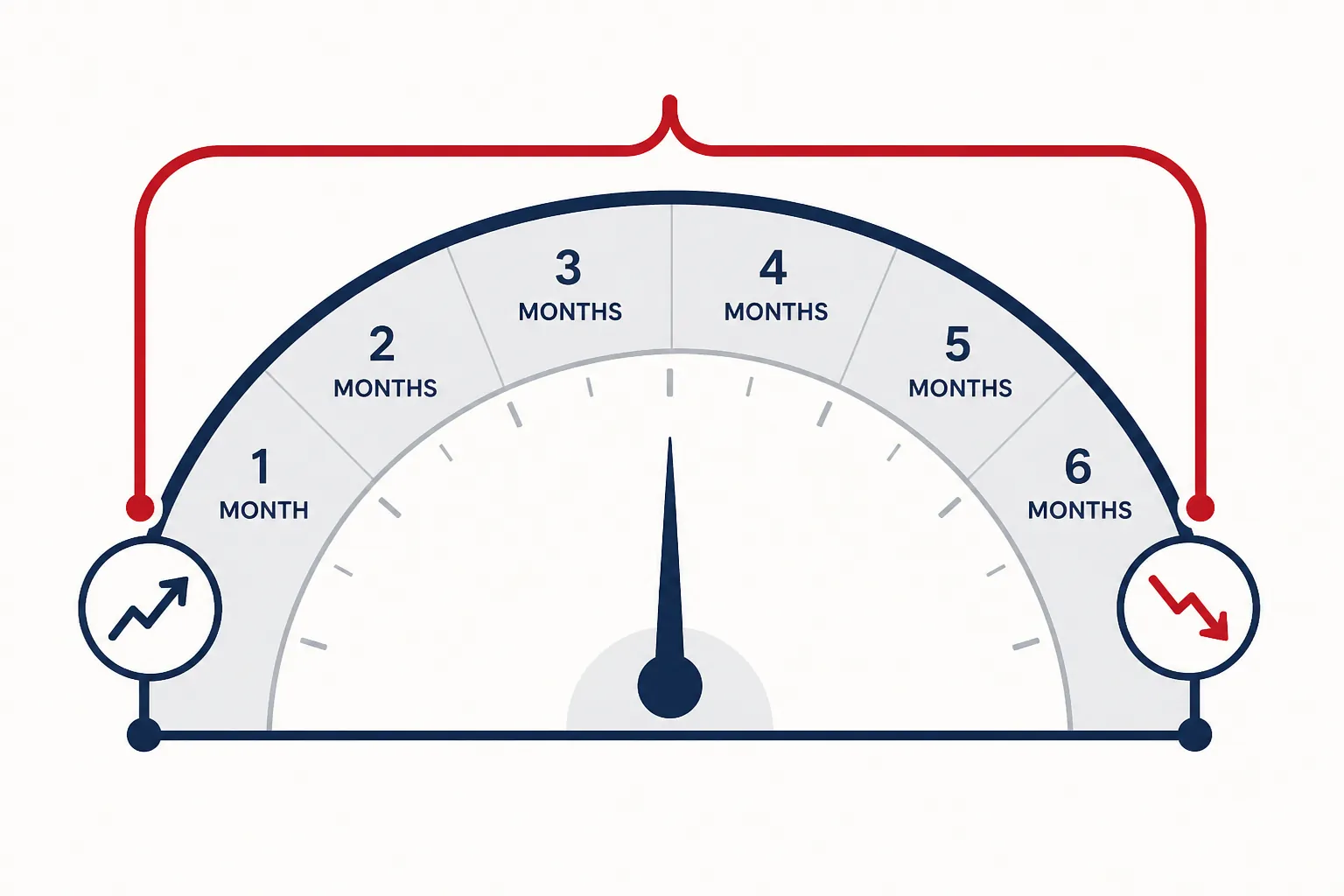
The short-swing analysis is less forgiving. Section 16(b) is described in practitioner materials as a strict-liability disgorgement regime for matched purchase-and-sale transactions within six months. It does not depend on intent, possession of material nonpublic information, or proof of insider-trading misuse, and a Rule 10b5-1 defense does not eliminate the matching analysis.[4]
That is the cleanest example of why the layers cannot be collapsed. The 10b5-1 review asks whether the CEO can claim an affirmative defense for a scheduled sale. The Section 16(b) review asks whether the CEO has an opposite-way transaction within the matching window that produces recoverable short-swing profit. A sale may be planned, reported, and still matched.
| Question | Belongs to | Why it cannot be substituted |
|---|---|---|
| Was the sale under a qualifying plan adopted before the CEO had material nonpublic information? | Rule 10b5-1 | This supports an affirmative-defense analysis; it does not run a six-month match. |
| Was the Form 4 coded correctly, including the 10b5-1 checkbox and plan adoption date? | Section 16(a) | This is a reporting question; a correct report does not eliminate disgorgement exposure. |
| Did the CEO buy and sell, or sell and buy, within six months in a matchable way? | Section 16(b) | This is a strict-liability matching question; lack of bad intent is not the answer. |
In practice, the Section 16 check should be run from the transaction ledger, not from the 10b5-1 plan file. The ledger should include prior purchases, option exercises if relevant to the matching analysis, prior sales, derivative transactions, gifts or transfers that affect reporting, and any transactions by entities or accounts that counsel treats as potentially attributable. If the ledger is incomplete, the clearance answer is incomplete.
The issuer-policy gate: blackouts and pre-clearance still matter
Company policy is not the SEC rule, and it should not be cited as if it were. It is still a real gate. Public-company insider-trading policies commonly use pre-clearance procedures, blackout periods, and trading restrictions for directors, officers, and other covered persons; practitioner surveys describe these terms as central components of policy design.[3]
The policy review should answer a narrower set of questions: is the CEO covered, is the company in a regular or special blackout, who has authority to approve, what information must be supplied, and whether the policy restricts adoption, modification, termination, or execution of a 10b5-1 plan during particular periods. If the policy requires pre-clearance of both plan adoption and actual trades, both approvals need to be in the file.
This is often where a plausible sale becomes administratively fragile. The Rule 10b5-1 plan may have been signed outside a blackout, while the proposed execution falls near earnings, a transaction announcement, a cybersecurity event, or another internal development that triggers a special blackout. Or the broker may be ready to execute, while the corporate secretary is still waiting for a certification, a trade ledger, or confirmation that no other plan is open.
The clearance memo should keep the source of authority straight. If the company blocks the sale under its own policy, say that. If the sale fails a federal-law condition, say that separately. The distinction matters later when the disclosure team, auditors, directors, or outside counsel ask why a trade was delayed or denied.
The disclosure gate: the trade may be over before the public-company work is done
The amended SEC framework also created issuer disclosure work that can outlive the sale itself. Item 408(a) requires issuer disclosure about adoption and termination of Rule 10b5-1 trading arrangements and certain non-Rule 10b5-1 trading arrangements by directors and officers. Item 408(b) requires disclosure about insider-trading policies and procedures, and the amendments added an Exhibit 19 filing requirement for those policies. Item 402(x) addresses disclosure about option-award timing around the release of material nonpublic information.[1][2]
Those duties do not decide whether the CEO may sell at 10:00 a.m. on a particular trading day. They decide what the issuer must later say in its periodic reports and exhibits. The people clearing the trade should still flag the facts for the disclosure calendar: plan adoption or termination, identity and title of the insider, plan duration, aggregate shares, and whether the arrangement falls inside the disclosure item being tracked. The SEC source should be checked for the current item text before the issuer relies on any disclosure template.
Item 402(x) is different from the sale mechanics, but it belongs in the same governance conversation when option awards and material disclosures are close together. A CEO sale review can reveal timing facts that the compensation and disclosure teams need, even if the sale itself is not the option award being disclosed.
For companies that maintain SEC-duty trackers across different subject areas, this disclosure layer is the same kind of downstream obligation mapped in the site’s Fidelity bitcoin ETF SEC-duties record: the transaction event is only one input into a later public-company reporting system.
A clearance sequence that keeps the layers separate
A practical CEO-sale review can be short, but it should not be single-track. The file should show that the reviewer did not stop at the first favorable answer.
- Identify the proposed sale: insider, account, security, amount, order type, planned execution window, and broker instructions.
- Test Rule 10b5-1: adoption date, cooling-off period, certification, good-faith record, modifications, overlapping plans, and single-trade-plan limits.
- Test Section 16(a): whether the Form 4/Form 5 workflow has the right transaction data, checkbox treatment, and plan adoption date.
- Test Section 16(b): run the six-month matching analysis independently from the 10b5-1 plan review.
- Test issuer policy: blackout status, special blackout triggers, pre-clearance authority, and any policy-specific restrictions on plan adoption, amendment, termination, or execution.
- Flag disclosure follow-up: Item 408(a), Item 408(b), Exhibit 19, and Item 402(x) issues for the periodic-report owners.
- Confirm current rule text before reliance, especially if the company is using a form memo or broker-provided checklist.
The final clearance answer should therefore be layered: the CEO sale is compliant only if the amended Rule 10b5-1 defense conditions, Section 16 reporting and short-swing analysis, issuer policy constraints, and public-company disclosure obligations each clear on their own terms. A 10b5-1 plan may be an important part of that answer. It is not the whole answer.
References
- SEC Adopts Amendments to Modernize Rule 10b5-1 Insider Trading Plans and Related Disclosures, SEC, Dec. 14, 2022
- Insider Trading Arrangements and Related Disclosures, SEC Small Entity Compliance Guide, Feb. 24, 2023
- Insider Trading Policy Key Terms and Trends, Orrick, June 25, 2024
- SEC Section 16(b) Short-Swing Profit Rules: A 2026 Practitioner’s Guide, Finrep Blog, June 17, 2026
Operationalizing workflow
No workflow has been explicitly linked to this obligation yet. See Workflows generally.
Illustrative cases
No illustrative case is currently tracked for this obligation. See Risk Digest for documented incidents generally.
← Back to RegulationReport a correction or tip
Spotted an outdated figure, a misstated fact, or a ruling this regulation entry should reflect? Public comments are disabled for this content given the professional cost of a misreported case outcome, penalty amount, or rule text — use the structured correction channel instead.
Report a correction or tip for this record →