
No AI tool is implicated in the Ariana Grande hacker lawsuit
A verified risk check on the Ariana Grande hacker lawsuit: as of Aug 1, 2026, the L.A. Superior Court filing is a complaint-stage monitoring record, not a sanction—no court order exists and no AI tool has been implicated. The entry logs the alleged hacking campaign as reported and flags the details still requiring confirmation against the docket.
- Jurisdiction
- US - California
- Court
- Superior Court of California, County of Los Angeles
- AI tool named
- No AI tool implicated
- Ruling date
- Jul 27, 2026
- Source document
- View primary court order ↗
- Last verified
- Aug 1, 2026
Lex Machina Review is an independent risk-tracking and reference resource. Nothing on this site is legal advice, and using it does not create an attorney-client relationship. Every record is reviewed against primary sources but may not reflect the most current status of a matter — always verify directly against the cited court order, rule text, or a licensed attorney before relying on it.
Companion explanation — secondary to the source document above
Status flag: monitoring — no AI tool implicated
Status as of Aug. 1, 2026: the Ariana Grande hacker lawsuit is a Risk Digest monitoring record, not an AI-sanction record. No court order has been identified for this docket, no AI tool is named in the reported allegations, and no verified AI-sanction tracker entry has been located for this matter.
The case is reported as Grande v. John Does 1-100, filed in the Superior Court of California, County of Los Angeles, on Monday, July 27, 2026. The complaint concerns an alleged multi-year hacking and leak campaign involving unreleased music, photographs, videos, and related material [1][2].
This entry is a legal-risk monitoring note, not legal advice, not a merits assessment, and not a substitute for the L.A. Superior Court docket. The underlying complaint has not yet been reviewed directly for this record; the case facts below are therefore treated as reported facts pending docket-level confirmation.
| Field | Current record value |
|---|---|
| Category | risk-digest |
| Record type | Complaint-stage monitoring record |
| Court | Superior Court of California, County of Los Angeles, as reported |
| Filing date | Monday, July 27, 2026, as reported [1] |
| Caption / defendant posture | Grande v. John Does 1-100; defendant-count wording varies across secondary reports and should be checked against the complaint [1] |
| Court order | None identified as of Aug. 1, 2026 |
| Sanction status | Not classified as a sanction matter |
| AI tool implicated | None identified as of Aug. 1, 2026 |
| AI-sanction tracker status | No verified entry located in the AI hallucination / sanctions trackers checked for this update [3][4] |
| Primary-source status | Complaint not directly reviewed for this record; docket confirmation still required |
Two external AI-sanction references were checked because celebrity litigation is especially prone to being compressed into bad database labels. Damien Charlotin’s AI Hallucination Cases Database listed 1,811 cases, including 1,252 from U.S. courts, and was last updated July 29, 2026; no verified entry for this Grande docket is reflected in the record reviewed for this update [3]. Vaquill’s AI Hallucination Sanctions Tracker listed 19 verified U.S. matters; it likewise does not supply a verified sanctions entry for this docket in the record reviewed for this update [4].
Those checks do not prove that nothing will ever occur in the case. They do set the current classification boundary: a reported hacking complaint is not the same thing as an AI filing-integrity incident. If a later filing cites fabricated authority, a judge issues an order involving AI use, or counsel discloses a tool-related error, that would be a new dated event. It is not present in the record as of Aug. 1, 2026.
What the lawsuit is reported to allege
The reported complaint describes a campaign aimed at acquiring and distributing Grande’s private and unreleased material. ABC News reported that the alleged conduct included a 2019 breach of a photographer’s Dropbox account, a later hack involving a producer’s mobile device, the theft and leak of 45 unreleased songs in 2023, phishing incidents in January and February 2024, and alleged sales of material on the dark web through third-party payment services including PayPal and Cash App [1]. The New York Times similarly described the suit as alleging that dozens of unreleased songs were leaked after a hacking campaign [2].
The producer-device date is a field to verify against the complaint, not a field to normalize from memory. Several secondary accounts reviewed for this entry place that episode in 2020 [1][2][5]. Because secondary reporting is not a docket extract, the safer record value is “reported as 2020; confirm against complaint” until the pleading is reviewed directly.
The alleged harm should not be flattened just because this entry is classificatory. The reports describe private creative files, photographs, videos, unreleased masters, demos, and related material being obtained and circulated without authorization [1][2]. For a legal-risk record, however, the operational point is narrower: these are hacking, privacy, property, and access allegations at the complaint stage. They are not, on the present record, allegations about an AI product, AI-generated evidence, AI-drafted filings, hallucinated citations, or sanctions.
Claims and requested relief, with pleading language still to be checked
The reported claims include invasion of privacy, conversion, and a California data-access / fraud statute claim [1][5]. One secondary account uses the phrase “Comprehensive Data Access and Fraud Act” [1]. That wording should not be silently converted into a statutory citation field until the complaint is checked, because California computer-access pleading labels are easy to misquote and the exact pleaded language matters.
The reported relief includes a jury trial demand, return of materials, injunctive relief, identification of the unnamed defendants, and discovery or subpoenas aimed at unmasking them [1][5]. Those requests fit the John Doe posture: the plaintiff is not yet proceeding against a fully identified set of defendants, so later docket events may matter more than they would in an ordinary named-defendant complaint.
The defendant count also needs disciplined treatment. ABC News reports “John Doe 1 and John Does 2 through 100” [1]. People describes the case in terms of “two John Does” [6]. For database purposes, the more specific ABC formulation can be used provisionally, but the durable value should come from the caption and party fields in the L.A. Superior Court record, not from reconciling headlines.
Why the John Doe posture matters for risk tracking
A John Doe complaint is not unusual where the plaintiff alleges online misconduct but does not yet know the defendants’ legal names. Practitioner commentary on this suit has framed the John Doe device as a way to start the case and then use discovery tools to identify the alleged actors behind accounts, payment flows, or distribution channels [7].
That procedural posture is exactly why the record should remain open. The first complaint may not tell the whole story. Subpoena returns, amended complaints, service disputes, motions to quash, platform responses, or payment-service records could change the defendant map. None of those later possibilities changes the current AI classification.
The filing-integrity line: what is absent
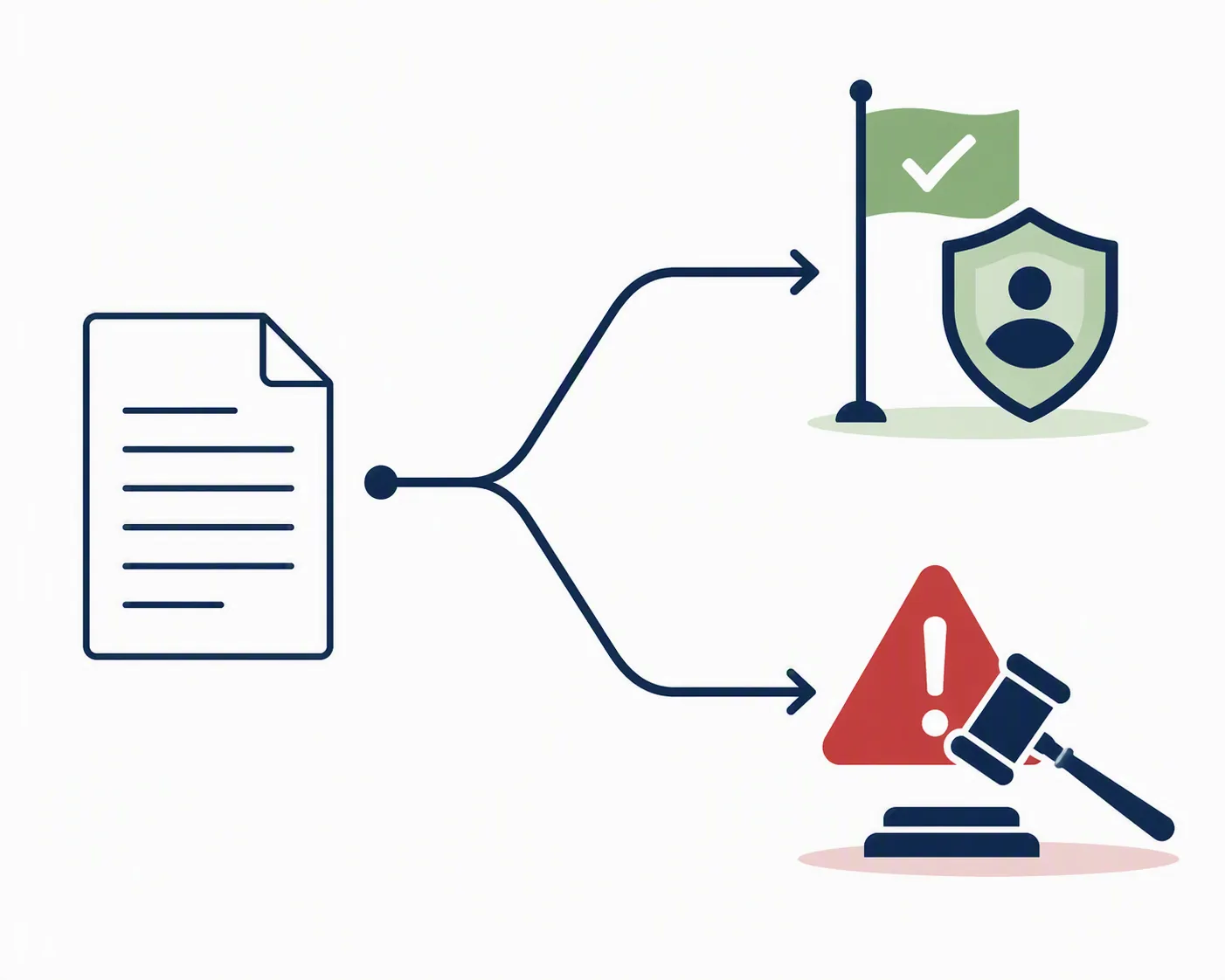
The risk check separates three things that are often conflated in fast-moving legal coverage: a complaint alleging hacking, a court order finding misconduct, and an AI-related filing-integrity incident. The current materials support only the first. They do not support the second or third.
- No court order has been identified for this docket as of Aug. 1, 2026.
- No sanction has been identified for this docket as of Aug. 1, 2026.
- No AI tool is named in the reported allegations.
- No verified AI hallucination or AI-sanction tracker entry has been located for this docket in the sources checked [3][4].
- No reported filing-integrity issue involving fabricated citations, AI-generated authorities, or AI-drafted submissions is part of the current record.
That negative finding is the useful part of the entry. A partner, in-house lawyer, journalist, or KM analyst searching the case name should not have to infer from silence whether this is an AI matter. The answer is no, subject to the date and source boundary stated here.
For broader context on why dated verification matters in legal AI work, see Which Legal Tasks Can ChatGPT Handle Safely. For a separate Risk Digest example of keeping reported context distinct from official findings, see How British Airways near crash case affects AI liability.
Source status and next verification points
The next clean update should come from the primary docket: case number, caption, party fields, complaint text, exact causes of action, exact statutory wording, prayer for relief, and any application for early discovery. Until that happens, press reports are useful for orientation but not final database authority.
The fields most likely to create bad downstream records are also the small ones: defendant count, producer-device year, statute name, and whether the case is tagged as a sanction. The first three are pending complaint confirmation. The fourth is clear on the present record: it should not be tagged as a sanction.
As of Aug. 1, 2026, this docket is being monitored as a complaint-stage hacking and privacy matter. It is not counted as an AI-sanction matter. Any later AI-citation, filing-integrity, court-order, or tool-implication development would require a new dated update against the primary docket.
References
- Ariana Grande sues alleged hackers over unreleased music leaks, ABC News.
- Ariana Grande Sues Over Hacking Campaign That Leaked Dozens of Songs, The New York Times.
- AI Hallucination Cases Database, Damien Charlotin, last updated July 29, 2026.
- AI Hallucination Sanctions Tracker, Vaquill.
- Ariana Grande Sues Unnamed Hackers Over Years of Leaked Unreleased Music and Footage, Law Commentary.
- Ariana Grande Sues Alleged Hackers for 'Malicious' Invasion of Privacy, People.
- Seth Berman Explains Ariana Grande's John Doe Lawsuit, Abrams Fensterman.
Related records
Tool profile
How Meta's AI Spending Reshapes Law Firm ProfitabilityGoverning regulation
Browse the obligations tracker →Preventive workflow
Browse verification workflows →
Report a correction or tip
Spotted an outdated figure, a misstated fact, or a ruling this case record should reflect? Public comments are disabled for this content given the professional cost of a misreported case outcome, penalty amount, or rule text — use the structured correction channel instead.
Report a correction or tip for this record →