
Presidio border wall flooding case details from the docket
A verified case record of Presidio Municipal Development District v. DHS (No. 1:26-cv-02146, D.D.C.) covering the parties and counsel, claims, the July 2, 2026 waiver amendment, Judge Walton's August 2, 2026 emergency-stay ruling, and the open deadlines. The record shows no court has found the wall caused flooding; the case is a prospective-risk administrative challenge whose merits remain undecided.
- Jurisdiction
- US Federal
- Court
- U.S. District Court for the District of Columbia
- Judge
- Reggie B. Walton
- AI tool named
- None
- Ruling date
- Aug 2, 2026
- Source document
- View primary court order ↗
- Last verified
- Aug 4, 2026
Lex Machina Review is an independent risk-tracking and reference resource. Nothing on this site is legal advice, and using it does not create an attorney-client relationship. Every record is reviewed against primary sources but may not reflect the most current status of a matter — always verify directly against the cited court order, rule text, or a licensed attorney before relying on it.
Companion explanation — secondary to the source document above
Last verified: August 4, 2026, UTC. Category: risk-digest. This is a docket record and legal-risk summary, not legal advice. The clean read of the Presidio border wall flooding lawsuit is this: Presidio Municipal Development District v. U.S. Department of Homeland Security, No. 1:26-cv-02146, is a live APA administrative-law challenge in the U.S. District Court for the District of Columbia, filed June 17, 2026, before Judge Reggie B. Walton; it is not a flood-damages judgment, and no court has found that the wall caused flooding. [1]
| Field | Verified record |
|---|---|
| Case | Presidio Municipal Development District v. Department of Homeland Security, No. 1:26-cv-02146, U.S. District Court for the District of Columbia [1] |
| Filed | June 17, 2026 [1] |
| Judge | Judge Reggie B. Walton [1] |
| Nature of suit | 05:0706, Administrative Procedure Act review [1] |
| Plaintiff | Presidio Municipal Development District, a local public district in Presidio, Texas [2] |
| Defendants | U.S. Department of Homeland Security; U.S. Customs and Border Protection; DHS Secretary Markwayne Mullin; CBP Commissioner Rodney Scott [2] |
| Plaintiff counsel | Democracy Forward lawyers Laura Bakst, Brian Netter, Louis Katz, Skye Perryman, and Ayesha Khan [2] |
| Government counsel | Alexander Yun, DOJ Federal Programs Branch [2] |
| Core posture | APA and ultra vires challenge to border-wall construction activity near the Presidio levee system; emergency relief denied on August 2, 2026; merits remain live [1] |
| Emergency motion | Same-day request for stay or injunction under 5 U.S.C. § 705, docketed with declarations and expert reports [3] |
| Next docket dates | PMDD to file the April 1, 2026 “Rizzuti Email” by August 7, 2026; government answer due August 21, 2026 [1] |
This record is deliberately closer to a live federal case record than to a border-wall politics explainer. For readers comparing docket-driven treatments, the same-site records on the Trump family Capital One lawsuit and the USDA inspection lawsuit are better analogues than a general immigration-law backgrounder.
What PMDD actually put before the court
PMDD’s case is about prospective risk to a levee system from federal construction choices near the Rio Grande. The complaint and emergency papers challenged DHS and CBP action under the Administrative Procedure Act and asked the court to halt or stay work while the legality of the project was litigated. The same-day emergency filing was brought under 5 U.S.C. § 705 and attached a Kennedy declaration plus Johnson and Tompkins expert reports. [3]
That distinction matters because the word “flooding” can do too much work in a headline. The record supports this narrower formulation: PMDD alleges that the federal project creates flood and levee-safety risk; it has not obtained a ruling that wall construction caused flooding or physically damaged the levee.
Democracy Forward’s announcement of the lawsuit framed the Big Bend construction as unlawful and described PMDD’s concern that the project could compromise the levee that protects the Presidio area. That is plaintiff-side framing, not a judicial finding. [4]
The docket-and-waiver chronology
| Date | Event | Why it matters |
|---|---|---|
| February 17, 2026 | DHS published an IIRIRA § 102(c) waiver determination connected to border-wall construction, signed by then-Secretary Kristi Noem. [5] | This supplied the original waiver backdrop before PMDD sued. |
| June 17, 2026 | PMDD filed the D.D.C. complaint and same-day emergency motion under 5 U.S.C. § 705. [1][3] | The case entered as an APA challenge seeking emergency relief before construction proceeded. |
| July 2, 2026 | DHS amended the waiver at 91 Fed. Reg. 40550 to add 33 U.S.C. § 408 and the Rivers and Harbors Act of 1899, 33 U.S.C. § 403 et seq. [6] | This is the hinge event. It changed the legal posture after PMDD filed and before Judge Walton ruled on emergency relief. |
| July 2, 2026 | Separate reporting on court filings said DHS represented that project designs near Presidio were still under consideration. [7] | That keeps the engineering description unresolved rather than settled. |
| July 21, 2026 | Judge Walton held a hearing on the emergency request. [8] | The emergency posture was tested before the August ruling. |
| August 2, 2026 | Judge Walton denied emergency relief. [9][10][11] | The ruling did not end the merits case, but it allowed the federal project to proceed while the remaining claims are litigated. |
| August 7, 2026 | PMDD deadline to file the April 1, 2026 “Rizzuti Email” on the docket. [1] | The email matters because it reportedly bears on what CBP communicated about the design near the levee. |
| August 21, 2026 | Government answer due. [1] | This is the next ordinary merits-stage pleading deadline. |
The July 2 amendment deserves the weight. It did not simply repeat the government’s earlier position; it added statutory coverage that went directly to PMDD’s Rivers and Harbors Act theory after the complaint was already on file. Any useful account of the case has to put that amendment between the complaint and the emergency-stay ruling, not after them as background scenery.
Why the July 2 waiver amendment changed the emergency motion
IIRIRA § 102(c) gives DHS waiver authority for certain legal requirements when DHS determines the waiver is necessary to ensure expeditious border-barrier construction. In this case, the important move was DHS’s July 2 amendment adding 33 U.S.C. § 408 and the Rivers and Harbors Act of 1899 to the waived laws. [6]
That amendment undercut the cleanest version of PMDD’s emergency argument that DHS was proceeding without required Rivers and Harbors Act compliance. PMDD could still press other theories, but the court no longer had the same statutory target in front of it when it considered immediate relief.
The sequencing also affects how the case should be cited. A statement that “Presidio sued over border-wall flood risk” is fair. A statement that “a court found the wall unlawful under the Rivers and Harbors Act” is not supported by the current record. The waiver amendment arrived before the emergency ruling and became central to the court’s denial of immediate relief.
The August 2 ruling: emergency relief denied, merits not decided
Judge Walton denied PMDD’s request to block the Big Bend-area wall project on August 2, 2026. Reporting from Marfa Public Radio, AP, and NBC described the ruling as allowing DHS to proceed while the case continues. [9][10][11]
The reported language is blunt on the statutory-waiver point: the July 2 waiver “defeats any claim that the defendants violated” the Rivers and Harbors Act. [9][10]
The other reported passage blocks the easiest public-record error about causation. Judge Walton wrote that “[c]onspicuously absent from the plaintiff’s allegations is a claim that there has been any action that has actually impacted the levee system itself.” [9][10][11]
Verification note for downstream use: the memorandum opinion itself is docket entry 20, but the quotations above are carried from news reports. Anyone quoting the opinion in a filing, client alert, or reported piece should check the CourtListener PDF against the docket before relying on the exact wording. [1][9][10][11]
The ruling is still important. It is just not a final merits judgment. Denial of emergency relief means PMDD did not obtain the extraordinary interim remedy it sought; it does not mean every surviving APA or ultra vires theory has been rejected, and it does not establish an evidentiary record of flood harm.
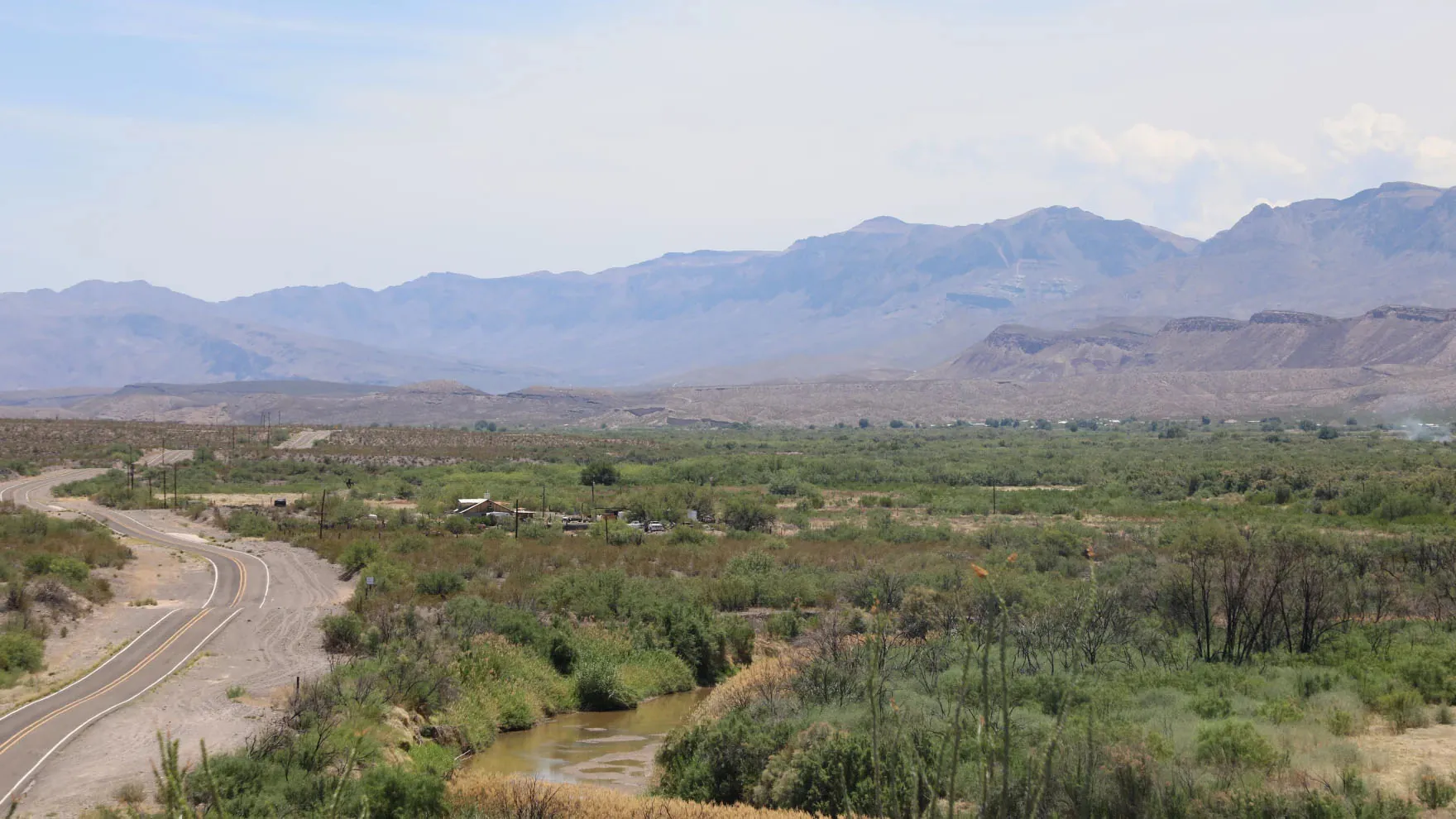
What remains live after the emergency loss
The emergency ruling did not erase the case. The court asserted jurisdiction, and the record identified APA, ultra vires, and § 408-consultation theories as remaining live after the emergency-stay denial. [9][10]
- Live pleading posture: the government has not yet answered; the answer deadline is August 21, 2026. [1]
- Live source-document issue: PMDD must file the April 1, 2026 “Rizzuti Email” by August 7, 2026. [1]
- Live merits issue: whether the remaining APA, ultra vires, and consultation theories survive ordinary merits litigation.
- Not established: that construction has actually impacted the levee or caused flooding.
That is the practical asymmetry in the file. PMDD is a local district facing the consequences of federal construction choices near infrastructure it may have to maintain or live beside. But the procedural answer, so far, is narrower than the concern: emergency relief was denied after DHS amended its waiver, and the merits now move through the ordinary docket.
The wall design record is disputed, not settled
There is a real design dispute, but it should be described as a record conflict. Reporting on DHS filings said the government represented that designs near Presidio were still under consideration, including alternatives involving a concrete levee wall plus 30-foot bollards or a bollard wall behind the levee. [7]
At the same time, the April 1 “Rizzuti Email” reportedly described the river-side earthen slope being replaced with a concrete wall. That email is important enough that Judge Walton ordered PMDD to file it by August 7. Until the document is on the docket and read against the full filings, it should not be treated as a final engineering plan. [1][7]
The broader border and immigration context may explain why the project is politically charged, but it does not answer the administrative-law questions in this docket. Readers looking for separate immigration-law context can compare the site’s treatment of Mullin v. Al Otro Lado or broader border-policy legal analysis, but those materials should not be imported as proof of levee impact here.
What this case establishes so far
The Presidio case establishes that a local public district filed a live federal administrative-law challenge to DHS and CBP wall activity near a levee system; that PMDD sought emergency relief under 5 U.S.C. § 705; that DHS amended its IIRIRA § 102(c) waiver on July 2, 2026 to cover the Rivers and Harbors Act and 33 U.S.C. § 408; and that Judge Walton denied emergency relief on August 2, 2026. [1][3][6][9]
It does not establish that the wall caused flooding. It does not establish that the levee has already been physically impacted. It does not finally resolve PMDD’s remaining APA, ultra vires, or consultation theories.
The next useful documents are not campaign statements or scenic descriptions of Big Bend. They are the April 1 “Rizzuti Email,” due August 7, and the government’s answer, due August 21. [1]
References
- Presidio Municipal Development District v. Department of Homeland Security, CourtListener.
- Parties for Presidio Municipal Development District v. Department of Homeland Security, CourtListener.
- PMDD v. DHS Complaint, Democracy Forward, June 2026.
- Big Bend Section of Border Wall Construction Is Unlawful, West Texas Special District Asserts in New Lawsuit, Democracy Forward.
- Determination Pursuant to Section 102 of the Illegal Immigration Reform and Immigrant Responsibility Act of 1996, as Amended, Federal Register, February 17, 2026.
- Amendment to Determination Pursuant to Section 102 of the Illegal Immigration Reform and Immigrant Responsibility Act of 1996, as Amended, Federal Register, July 2, 2026.
- Border wall plans near Presidio not finalized, court docs say, Big Bend Sentinel, July 2, 2026.
- From the Mexican border to Washington, a tiny Texas town fights Trump's wall plan, Marfa Public Radio, July 22, 2026.
- Judge declines to block Big Bend-area border wall, Marfa Public Radio, August 2, 2026.
- Federal judge allows DHS border wall plan near small Texas town's levee system, AP.
- Federal judge allows DHS border wall plan near small Texas town's levee system, NBC News.
Related records
Tool profile
Browse tool evaluations →Governing regulation
Browse the obligations tracker →Preventive workflow
Browse verification workflows →
Report a correction or tip
Spotted an outdated figure, a misstated fact, or a ruling this case record should reflect? Public comments are disabled for this content given the professional cost of a misreported case outcome, penalty amount, or rule text — use the structured correction channel instead.
Report a correction or tip for this record →