
Risk data, not endorsement
Evaluations
Citation-accuracy and hallucination-rate benchmarks for named AI legal tools, framed explicitly as risk data rather than product endorsement. Each evaluation discloses its benchmark source, methodology, and test date, and aggregates independent studies rather than vendor-supplied figures where possible. Every tool profile cross-links to the specific Risk Digest cases in which that tool was implicated, turning benchmark scores into traceable risk signals. Serves the procurement and comparison task: is this specific tool safe enough to use. Excludes narrative case reporting (Risk Digest) and procedural steps (Workflows); comparisons must always disclose methodology to avoid misleading side-by-side figures across incompatible test conditions.
Source undisclosed
Figures from this source are not directly comparable to other benchmark sources without checking each study's methodology.
 UpdatedHallucination rateNot measured / undisclosed
German Media Regulator Rules AI Search Engines Are Media Content Providers
The ZAK ruling classifies AI search engines and chatbots as content providers under German media law, stripping them of DSA intermediary liability exemptions and imposing MStV transparency and non-discrimination obligations. This article explains the immediate compliance and liability consequences for AI providers and publishers.
 UpdatedHallucination rateNot measured / undisclosed
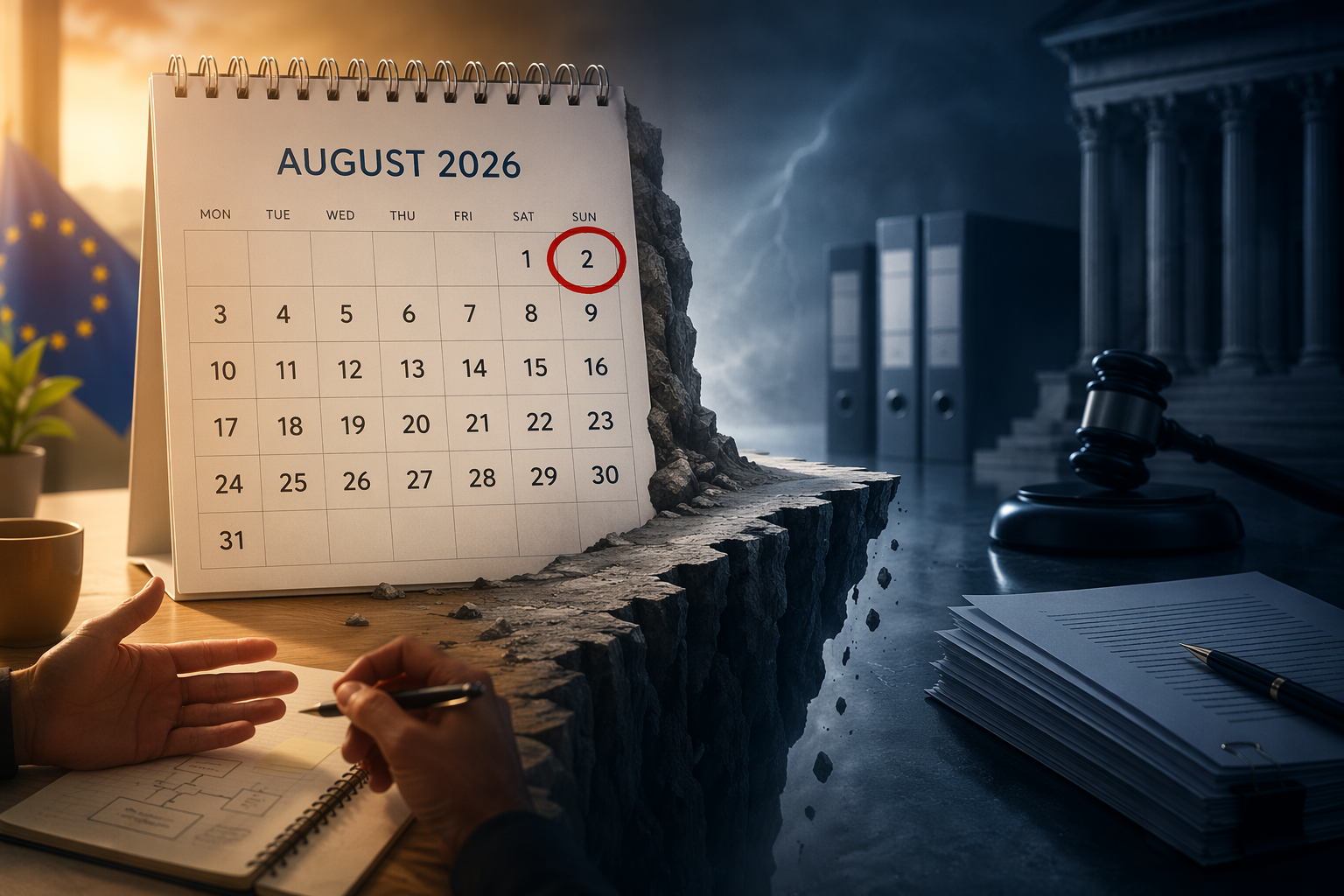
29 Days to the GPAI Enforcement Cliff: What Lawyers Must Address Before August 2
With the EU AI Act's full GPAI enforcement powers activating on August 2, 2026, legal advisors have a narrow window to advise clients on compliance posture, signatory implications, and penalty exposure. This article outlines the key obligations under the Code of Practice, the enforcement machinery now taking effect, and the urgent steps lawyers should take for organizations deploying GPAI models in the EU.
 UpdatedHallucination rateNot measured / undisclosed
Legal Rights for Hunger Strikers in Involuntary Commitment
Attorneys and mental health advocates need to understand the distinct legal framework governing hunger strikes during involuntary psychiatric hospitalization — where constitutional due process, state commitment statutes, and medical ethics intersect to define the patient's rights and the facility's obligations.
 UpdatedHallucination rateNot measured / undisclosed
What Actions Led to Default Judgment in Hunter Biden v. Byrne?
This article traces the procedural escalation that ended in default judgment against Patrick Byrne in Hunter Biden's defamation case, showing how the court moved from continuances to monetary sanctions to default over 14 months and what litigators can learn from each step.
 UpdatedHallucination rateNot measured / undisclosed
What IREN's AI Cloud revenue target means for legal AI
IREN's AI Cloud revenue target grew from $200M in 2025 to over $4B by mid-2026, driven by a $9.7B Microsoft contract and massive GPU fleet expansion. This article tracks that rapid trajectory and explains why the GPU infrastructure bottleneck matters for legal AI tool pricing, inference costs, and startup viability.
 UpdatedHallucination rateNot measured / undisclosed
Ironclad Jurist: AI Contract Assistant Profile for In-House Legal Teams
An independent, structured profile of Ironclad Jurist — the multi-LLM AI contract partner built on Ironclad CLM — covering its Redlining Agent architecture, playbook enforcement, DOCX-native workflow, data privacy model, and fit conditions for in-house counsel and legal ops teams evaluating the platform.
 UpdatedHallucination rateNot measured / undisclosed
Kimi K3 Exposes the Gap in US AI Export Controls
Moonshot's Kimi K3, the largest open-weight model released, directly challenges the legal foundation of US export controls. This analysis examines why the current framework cannot regulate downloadable model weights and what that means for compliance officers and legal teams navigating AI supply chain risk.
 UpdatedHallucination rateNot measured / undisclosed
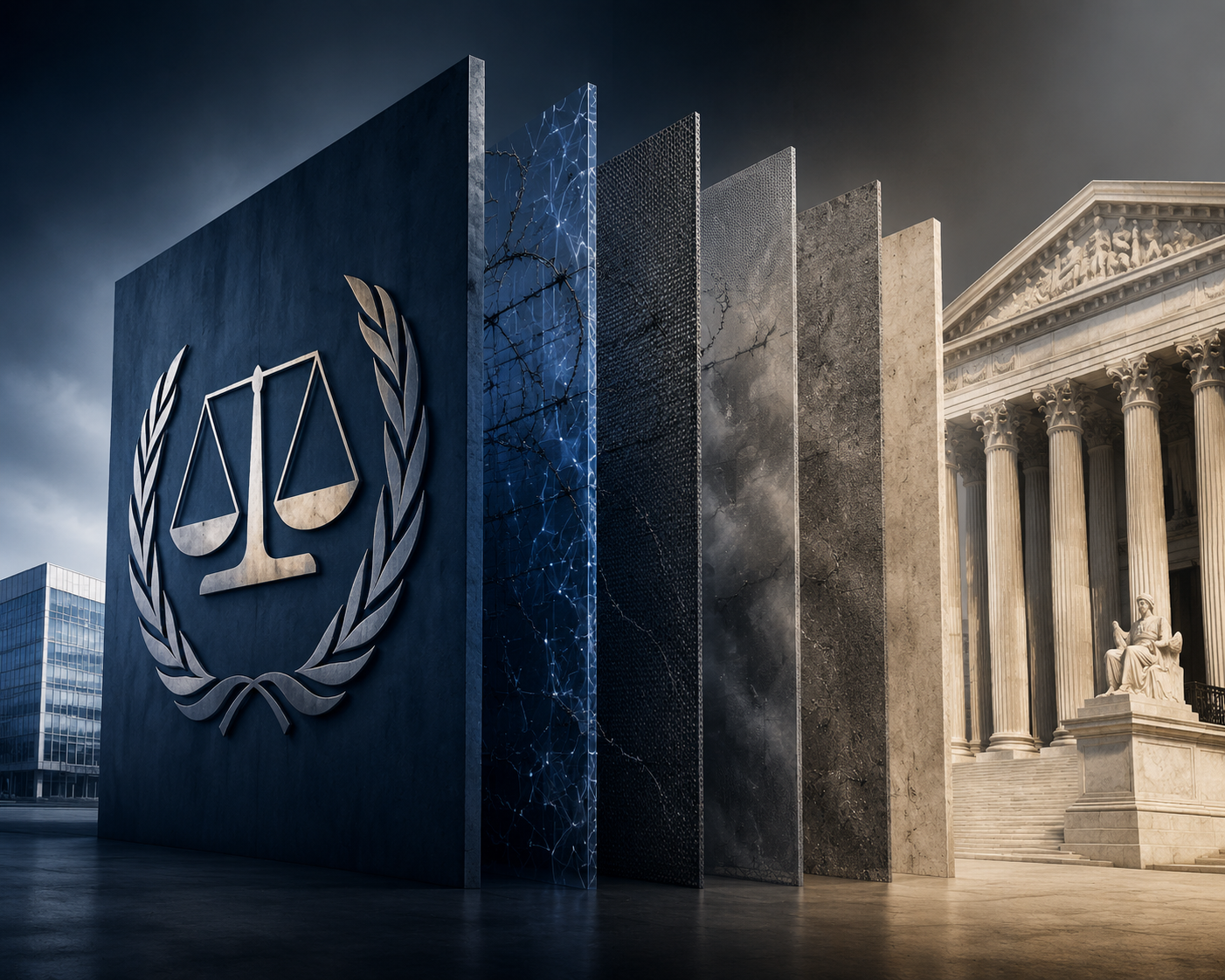
The Legal Justification Behind Mamdani's Unenforceable Arrest Pledge
Zohran Mamdani's pledge to enforce the ICC arrest warrant against Benjamin Netanyahu in New York City encounters four independent legal barriers — from US non-membership in the Rome Statute to federal preemption and head-of-state immunity — each sufficient to block enforcement. This article breaks down the legal justifications that render the pledge unenforceable under US law despite the warrant's validity under international criminal law.
 UpdatedHallucination rateNot measured / undisclosed
The Legal Campaign Against MLB's Diversity Mandates
This article traces the coordinated legal challenge to MLB's diversity pipeline programs—from the 2023 EEOC complaint through the Cooper v. MLB settlement and franchise-level expansion—and examines why the unsettled judicial boundary between permissible pipeline programs and unlawful quotas leaves similarly situated employers in a zone of heightened but unresolved risk.
 UpdatedHallucination rateNot measured / undisclosed
D.C. Circuit Rejects Navarro's Contempt Appeal on Factual Grounds
The D.C. Circuit affirmed Peter Navarro's contempt convictions, finding his executive privilege defense failed because he invoked it unilaterally without presidential authorization. This analysis breaks down the court's reasoning, the procedural posture, and what options remain for appeal.
 UpdatedHallucination rateNot measured / undisclosed
NDAA Section 219's AI Military Integration Raises Novel Legal Issues
This article examines three distinct legal exposures created by Section 219 of the FY2027 NDAA, which mandates US-Israeli cooperation in AI, autonomous systems, and emerging defense technologies: counterintelligence risk at the highest DIA threat level, Law of Armed Conflict exposure from documented Israeli AI targeting systems, and an unprecedented Biological Weapons Convention compliance gap. National security and government contracts attorneys will find a structured analysis of compliance risks that existing regulatory frameworks are structurally unequipped to address.
 UpdatedHallucination rateNot measured / undisclosed
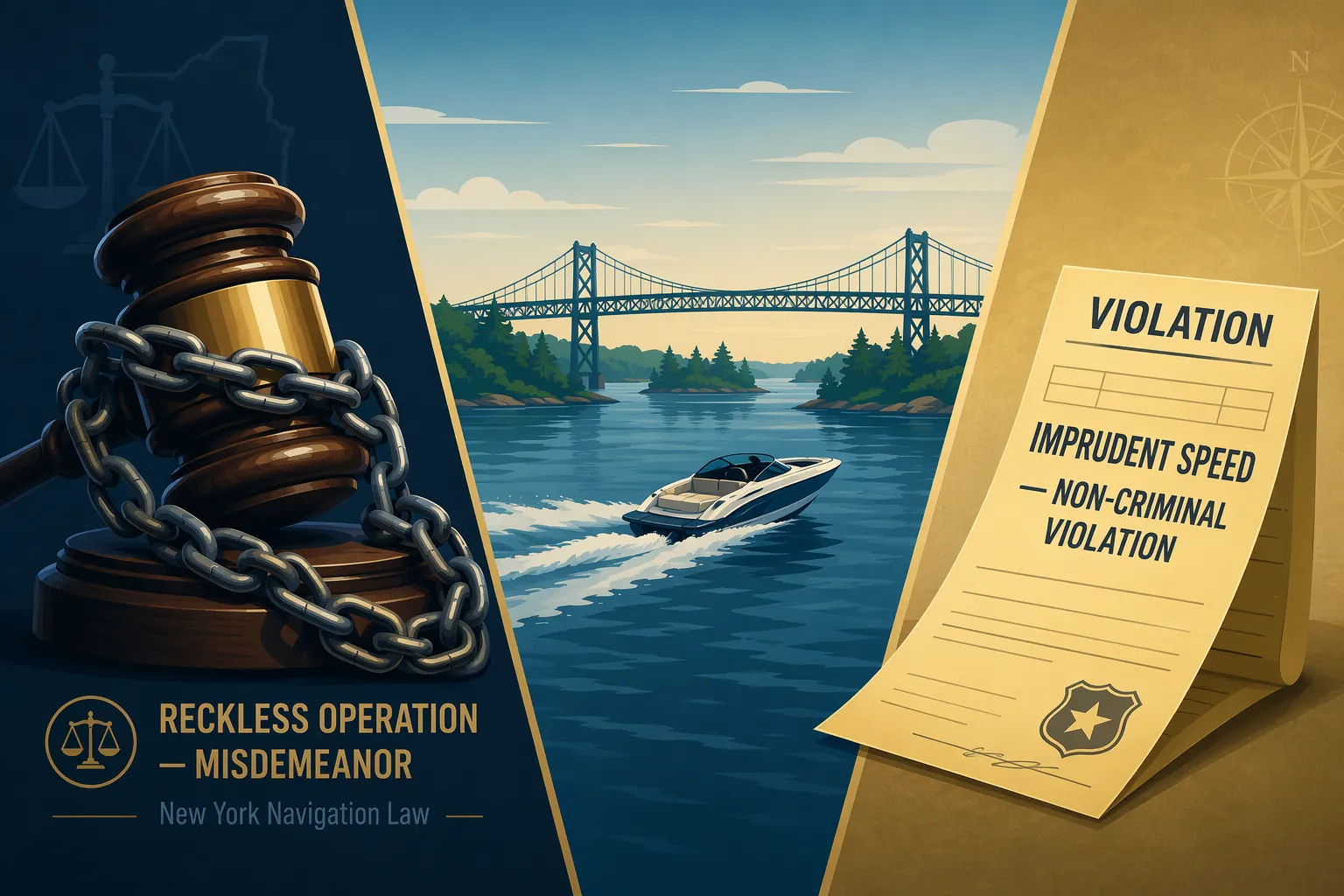
NY Boating Law After the 1000 Islands Poker Run Speeding Arrest
A detailed statutory analysis of New York Navigation Law §45 using the July 18, 2026, 1000 Islands Charity Poker Run incident as a factual anchor, covering the two-tier enforcement structure, penalty framework, and vessel privilege suspension regime.
 UpdatedHallucination rateNot measured / undisclosed
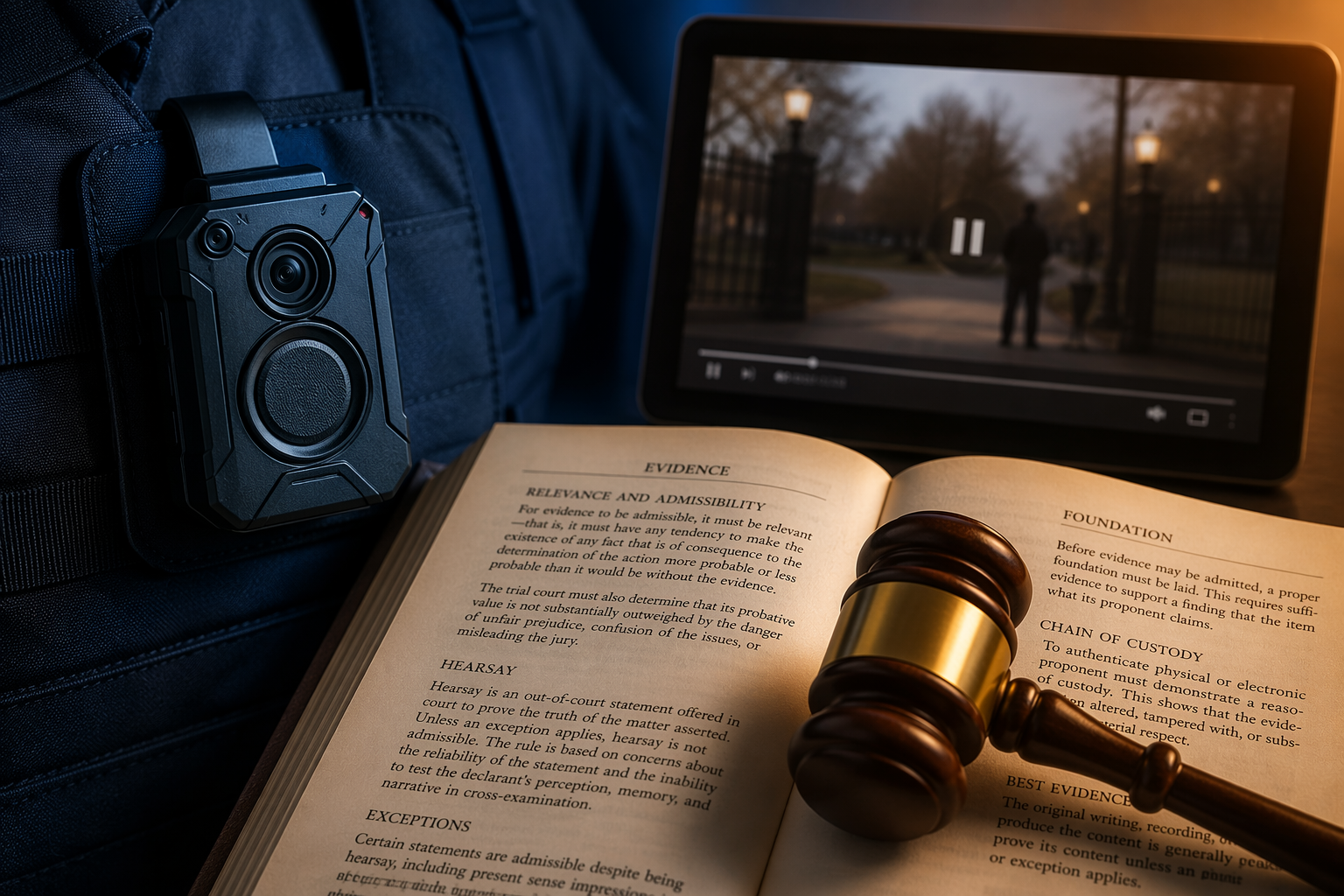
What the Sunny Hostin Bodycam Reveals About NY Trespass Evidence
Using the Sunny Hostin bodycam incident as a case study, this article examines how bodycam footage is authenticated and admitted in New York trespass violation hearings, and analyzes hearsay implications of officer and defendant statements.
 UpdatedHallucination rateNot measured / undisclosed
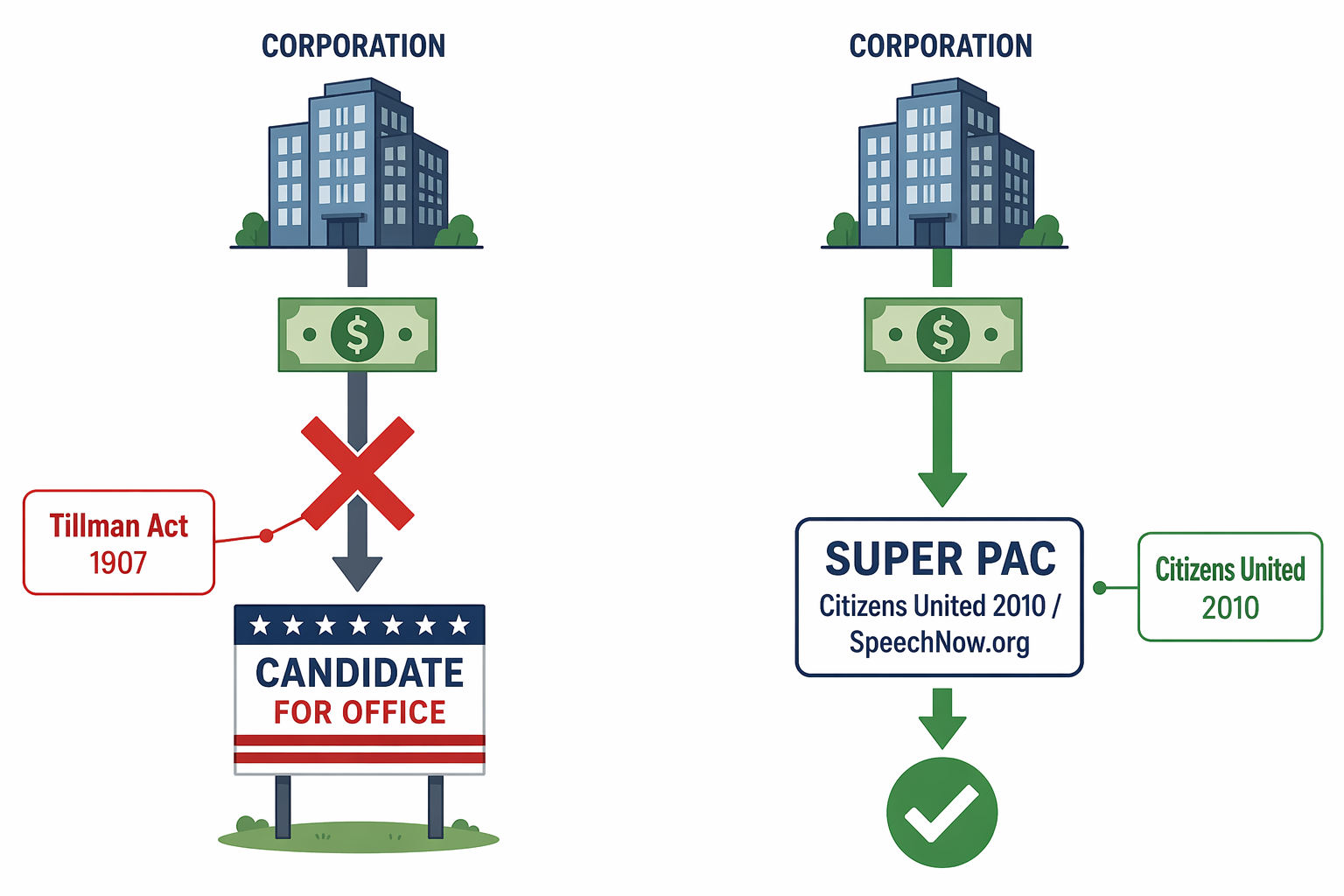
Was Taylor Farms' $1M Donation to MAGA Inc. Legal?
Why Taylor Fresh Foods' $1 million donation to MAGA Inc. was legal under federal campaign finance law, despite the Tillman Act's long-standing ban on corporate contributions to candidates.
 UpdatedHallucination rateNot measured / undisclosed
Why CNN Has Less FCC Risk Than ABC or NBC Over Trump Speech
This article explains why CNN, ABC, and NBC face distinctly different FCC exposures after refusing to air President Trump's July 16 election-security speech, and why the license-revocation threat has unequal legal force against each network.
 UpdatedHallucination rateNot measured / undisclosed
Can the President Fire a Court-Appointed US Attorney?
An analysis of the legal debate over whether the President can remove a US Attorney appointed by federal judges, examining the statutory structure of § 546(d) and the impact of the Supreme Court's recent Slaughter decision.
 UpdatedHallucination rateNot measured / undisclosed
The Material Witness Label Behind Trump's Journalist Subpoenas
Analyzes the DOJ's distinction between 'material witness' and 'target' in recent subpoenas of New York Times and Washington Post reporters, explains what the label lets the government do, and outlines how media lawyers can challenge the framing under federal rules and circuit privilege.
 UpdatedHallucination rateNot measured / undisclosed
Walmart's Legal Exposure in the Cyclospora Lettuce Recall
This article assesses Walmart's legal risk in the 2026 Cyclospora outbreak linked to Taylor Farms lettuce, examining the limited but real exposure under strict liability in some states, negligence based on the supplier's outbreak history, and criticisms of the recall notice.
- UpdatedHallucination rateNot measured / undisclosed
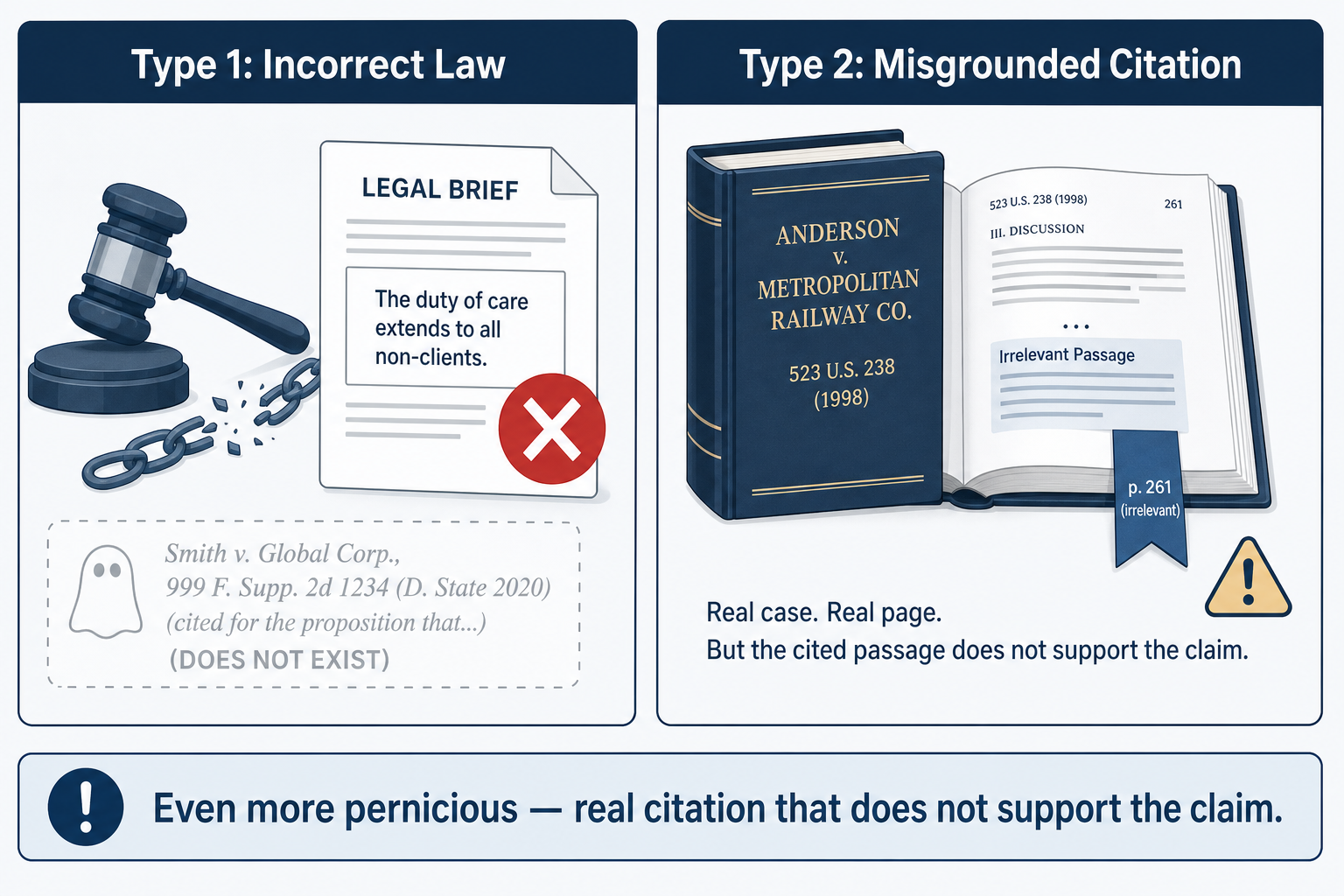
Westlaw CoCounsel: AI Legal Research Tool Evaluation
A structured evaluation of Thomson Reuters' Westlaw CoCounsel, covering its declared use cases, citation reliability, data privacy model, pricing structure, known accuracy limitations, and which firm types and roles it realistically serves.
 UpdatedHallucination rateNot measured / undisclosed
Westlaw CoCounsel vs Lexis+ AI: A Comparison of Hallucination Risk, Citation Verification, and Ethical Compliance
This comparison guide helps practitioners, ethics officers, and risk managers evaluate two leading AI legal research platforms through the lens of professional responsibility. It examines hallucination rates (including the Stanford RegLab data), verification toolkits (KeyCite vs Shepard’s), and real-world consequences of unverified AI output.