
Risk data, not endorsement
Evaluations
Citation-accuracy and hallucination-rate benchmarks for named AI legal tools, framed explicitly as risk data rather than product endorsement. Each evaluation discloses its benchmark source, methodology, and test date, and aggregates independent studies rather than vendor-supplied figures where possible. Every tool profile cross-links to the specific Risk Digest cases in which that tool was implicated, turning benchmark scores into traceable risk signals. Serves the procurement and comparison task: is this specific tool safe enough to use. Excludes narrative case reporting (Risk Digest) and procedural steps (Workflows); comparisons must always disclose methodology to avoid misleading side-by-side figures across incompatible test conditions.
Source undisclosed
Figures from this source are not directly comparable to other benchmark sources without checking each study's methodology.
 UpdatedHallucination rateNot measured / undisclosed
What the Evidence Actually Says About AI Replacing Lawyers
This article examines six major studies from Harvard, SHRM, Anthropic, PwC, McKinsey, and the BLS to determine whether AI is replacing lawyers. The evidence shows that despite 79% adoption and documented productivity gains, attorney employment remains at record highs and the replacement narrative is not supported by current data.
 UpdatedHallucination rateNot measured / undisclosed
Why You Should Not Use ChatGPT for Legal Advice
ChatGPT poses three compounding risks for legal advice—confidentiality breaches, hallucination rates of 58–82%, and unauthorized practice liability—making it unsuitable for both consumers and attorneys alike.
 UpdatedHallucination rateNot measured / undisclosed
Why Wilhoite's Criminal Dismissal Doesn't Stop His Civil Suit
The dismissal of Michael Wilhoite's criminal assault charges through Colorado's diversion program does not end his exposure to a parallel civil lawsuit. This article explains the structural independence of criminal and civil proceedings and what the Wilhoite case illustrates about concurrent liability.
 UpdatedHallucination rateNot measured / undisclosed
Why the Zyrtec Recall Is a Manufacturing Defect Case
The July 2026 nationwide recall of generic Zyrtec (cetirizine hydrochloride) contaminated with ranitidine triggers distinct product liability questions. This analysis explains why manufacturing-defect claims against the generic manufacturer are not preempted by PLIVA v. Mensing, maps exposure for the manufacturer and distributor, and assesses available defenses given the FDA's Class III classification and the absence of reported adverse events.
- UpdatedHallucination rateNot measured / undisclosed
AI Citation Hallucination: Court Sanctions and Documented Legal Malpractice Incidents
A sourced registry of documented incidents where AI-generated citation hallucinations led to court sanctions, attorney discipline, or malpractice exposure — with case citations, docket references, and professional responsibility implications for each entry.
 UpdatedHallucination rateNot measured / undisclosed
What AI Contract Analysis Benchmarks Reveal About Accuracy Risks
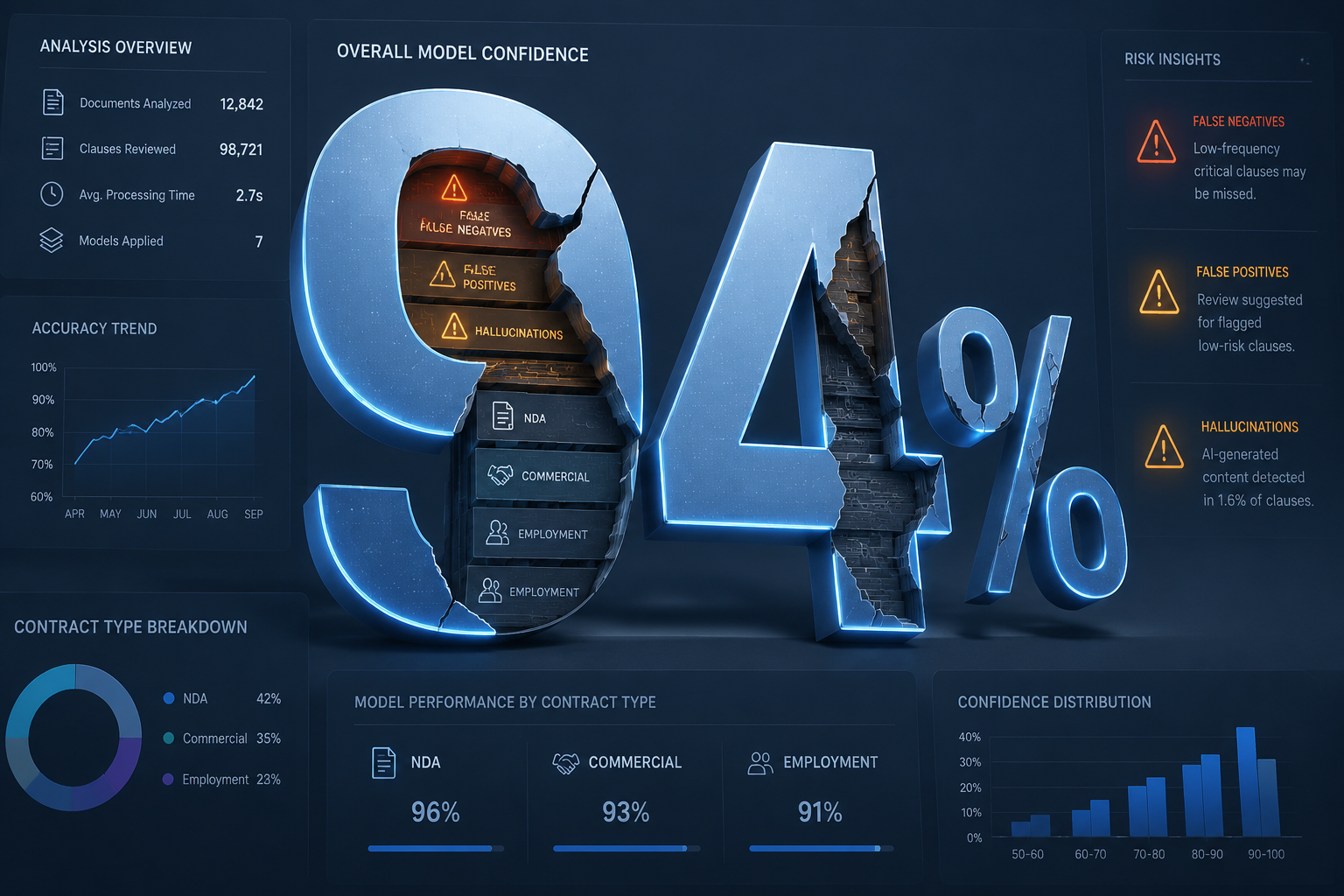
This article synthesizes published benchmarks on AI contract analysis accuracy, revealing that headline figures mask a stratified risk profile with distinct failure modes. Legal professionals can use this evidence to calibrate trust, design verification protocols, and distinguish between purpose-built tools and general-purpose LLMs.
 UpdatedHallucination rateNot measured / undisclosed
Why AI Data Center Energy Deals Carry Hidden Legal Risks
AI data center power purchase agreements and interconnection contracts introduce distinct legal risks—including interconnection delays, heightened regulatory scrutiny of behind-the-meter deals, and force majeure clauses that fail under narrow New York law interpretation—that transactional lawyers must address to prevent cascading disputes.
 UpdatedHallucination rateNot measured / undisclosed
What Is the Best AI for Legal Advice in 2026?
There is no universal 'best AI for legal advice'; the right platform depends on practice area, firm size, and use case. This article evaluates leading legal AI tools against independent accuracy benchmarks and professional responsibility requirements to help practitioners identify the best fit for their specific needs.
 UpdatedHallucination rateNot measured / undisclosed
What the Beyoncé-Jay-Z gate crash means for AI video evidence
When a celebrity estate's security footage passes through AI enhancement, does the resulting video remain admissible in court? This article analyzes the evidentiary framework using the July 2026 Beyoncé-Jay-Z gate-crash incident as a case study, drawing on the Washington State v. Puloka precedent and SWGDE standards.
 UpdatedHallucination rateNot measured / undisclosed
Bill Ackman and the F-1 Visa Appointment Meltdown
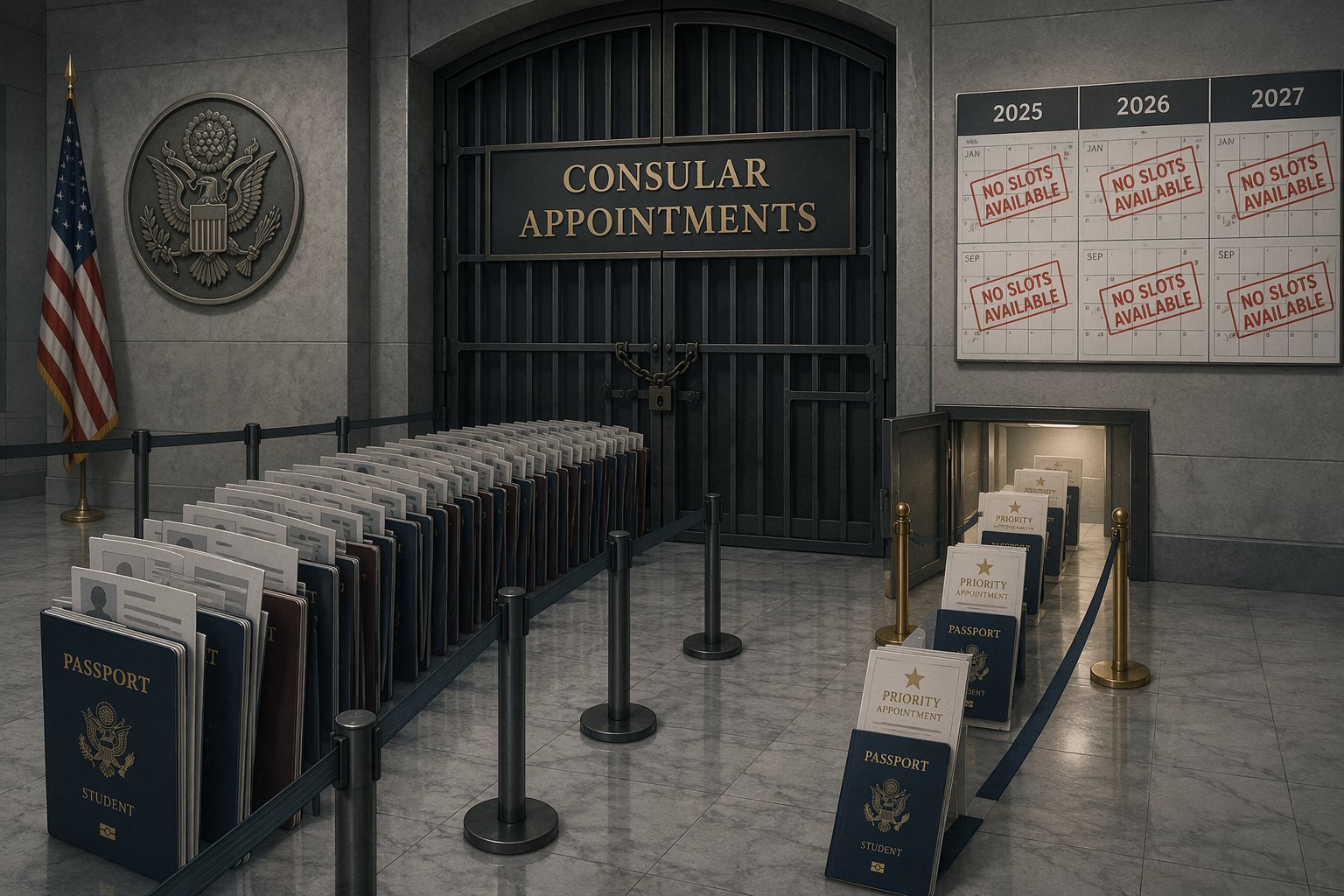
Bill Ackman's July 2026 call to fast-track an Indian student's F-1 visa appointment exposed a regulatory breakdown severe enough to push wait times into 2027. This analysis examines the five consular processing changes and the new Duration of Status rule that collapsed the student visa system, and explains why individual applicants have virtually no legal remedy.
 UpdatedHallucination rateNot measured / undisclosed
Claude, ChatGPT, or Kimi K3 — Which Wins for Legal Tasks?
This comparison evaluates Claude, ChatGPT, and the newly launched Kimi K3 on legal-specific criteria including benchmark accuracy, pricing, data privacy, and professional responsibility implications. Find out which model best suits your firm's needs and why a tiered multi-model approach currently outperforms any single-model strategy.
 UpdatedHallucination rateNot measured / undisclosed
Coca-Cola's legal exposure after Fairlife ransomware attack
Coca-Cola's Form 8-K filing hours after the Fairlife ransomware attack highlights the gap between SEC cybersecurity disclosure rules and the reality of incident response. This analysis examines the parent company's potential liability under securities law, fiduciary duties, and consumer privacy litigation.
 UpdatedHallucination rateNot measured / undisclosed
DOJ criminal referral against Jack Smith explained
Understand the July 22, 2026 DOJ criminal referral against former Special Counsel Jack Smith — the factual basis, legal theory under 18 U.S.C. § 1001, how congressional criminal referrals work, and the unprecedented conflict involving Acting AG Todd Blanche.
 UpdatedHallucination rateNot measured / undisclosed
DraftKings consumer protection lawsuits diverge by jurisdiction
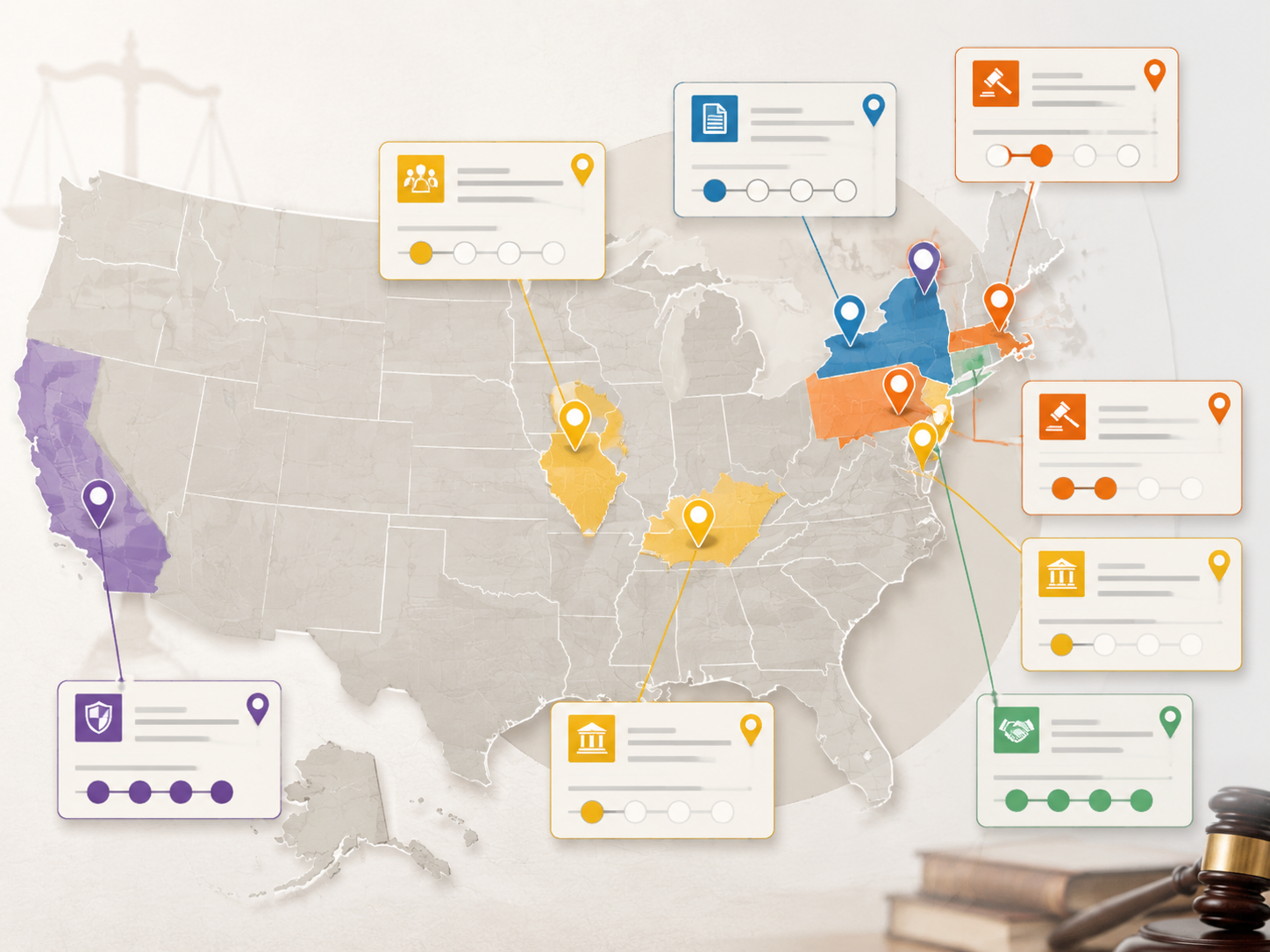
A state-by-state breakdown of active consumer protection class actions against DraftKings, analyzing divergent court rulings and what the fragmented legal landscape means for sports betting operators.
 UpdatedHallucination rateNot measured / undisclosed
AI work visa systems run ahead of EU AI Act safeguards
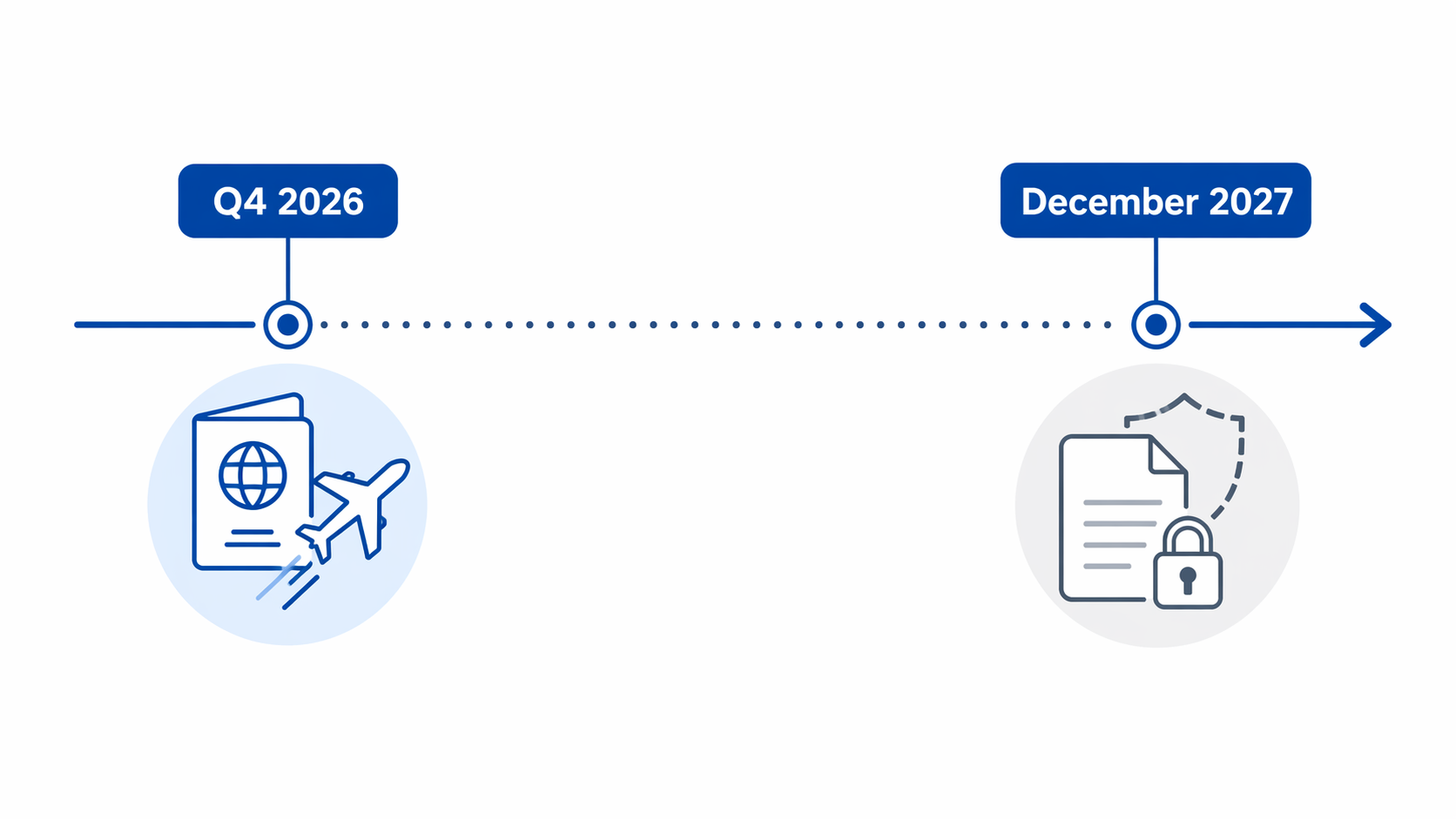
The EU AI Act classifies AI systems for visa and work permit processing as high-risk, but these obligations are deferred to December 2027 under the Digital Omnibus package—meaning systems like ETIAS and national AI tools launch without mandated safeguards. This article explains the timelines, the regulatory gap, and what US citizen applicants should understand now.
 UpdatedHallucination rateNot measured / undisclosed
FBI Home Ownership Scam: New Legal Risks for Attorneys
The FBI's July 2026 parcel owner impersonation scam warning signals a new wave of deed fraud that creates distinct legal exposure for real estate attorneys, title companies, and in-house counsel. This article breaks down the scam's three-phase structure, the professional liability risks it triggers, and practical safeguards practitioners can implement to protect clients and themselves.
 UpdatedHallucination rateNot measured / undisclosed
Can the FCC Legally Repeal the National TV Ownership Cap?
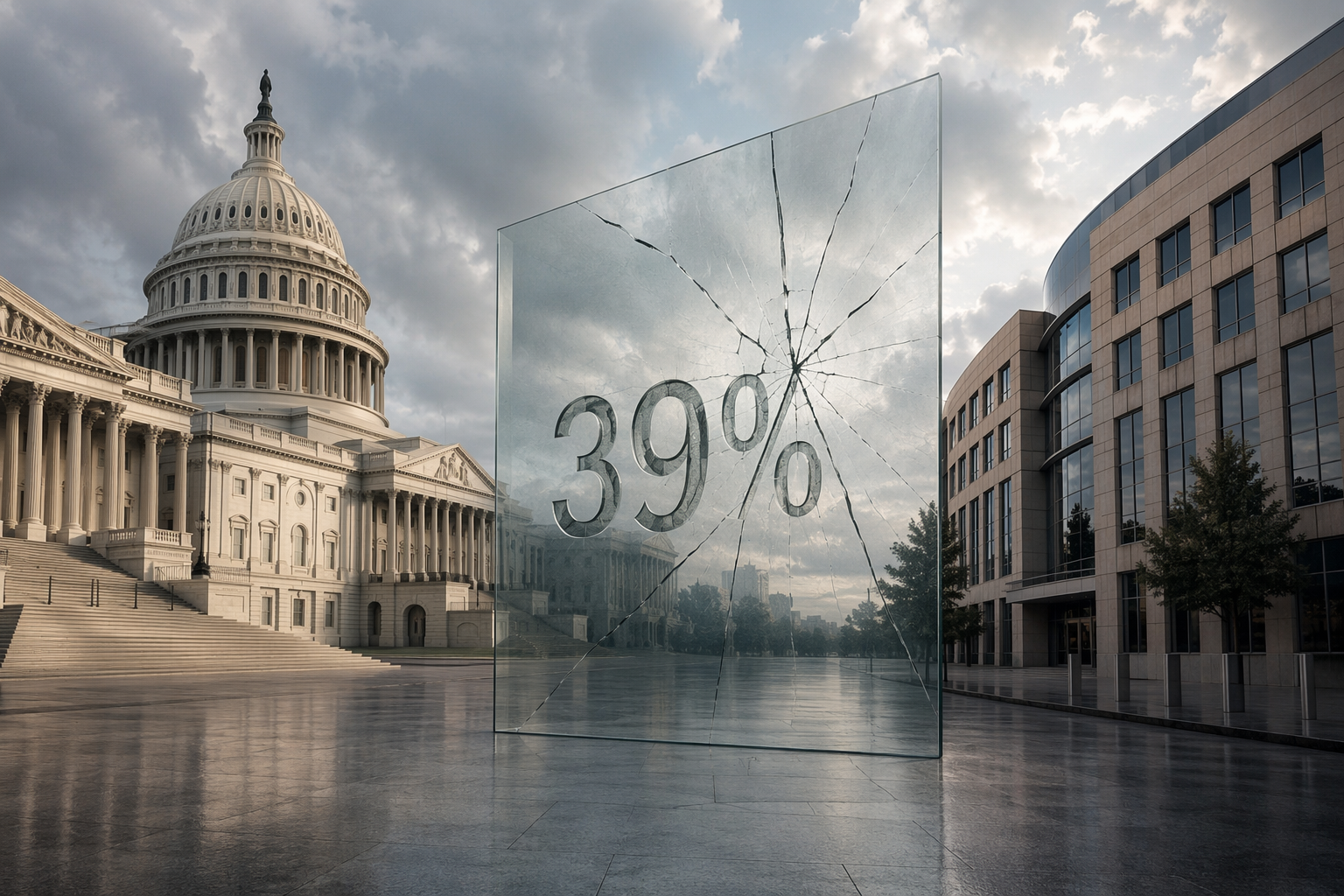
Analyzes whether the FCC has statutory authority under the Communications Act to repeal the 39% national television ownership cap, or whether only Congress may act. This article examines the competing legal arguments from the FCC, lawmakers, and legal scholars ahead of the August 6, 2026 vote.
 UpdatedHallucination rateNot measured / undisclosed
Free AI for Legal Research: What the Accuracy Benchmarks Actually Reveal About Hallucination Risk
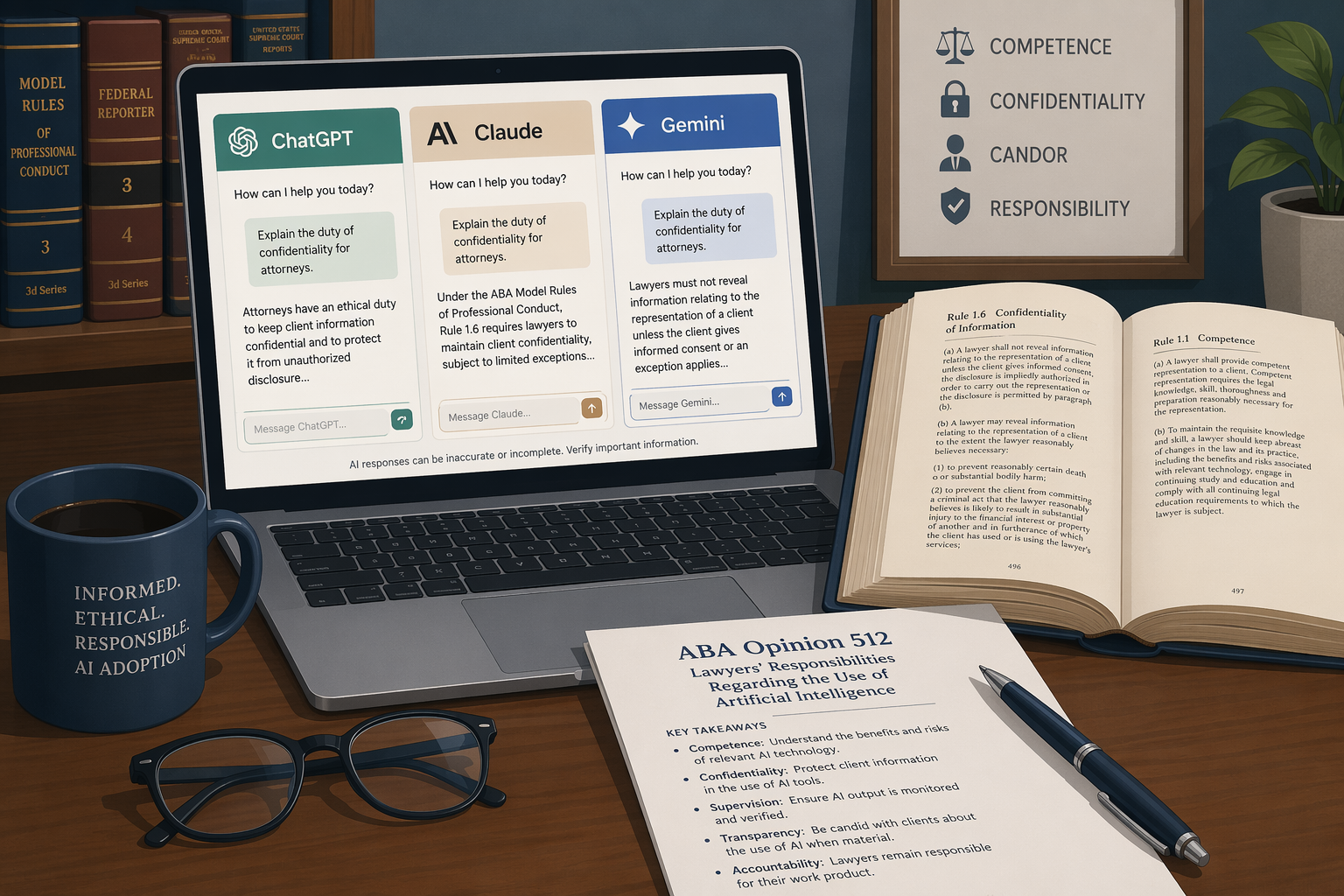
A data-driven analysis of peer-reviewed benchmark studies measuring hallucination rates in free and legal-specific AI tools, designed to help risk-conscious legal professionals match tool choice to task criticality.
 UpdatedHallucination rateNot measured / undisclosed
Free AI Tools for Solo and Small-Firm Lawyers: A Budget-Conscious Assessment with Cost-Per-Task Analysis
This article helps solo practitioners and small-firm owners (2–10 attorneys) navigate the free AI tool landscape with a clear focus on budget constraints. It maps free tools to common workflows, exposes hidden costs like privacy risks and verification time, and provides a threshold analysis to determine when free becomes more expensive than paid.
- UpdatedHallucination rateNot measured / undisclosed
Harvey AI: Enterprise Legal Platform Evaluation
A structured evaluation of Harvey AI's capabilities, data privacy model, pricing structure, and fit for large law firms and enterprise legal teams — covering declared use cases, known limitations, and what distinguishes it from competing platforms.