
Risk data, not endorsement
Evaluations
Citation-accuracy and hallucination-rate benchmarks for named AI legal tools, framed explicitly as risk data rather than product endorsement. Each evaluation discloses its benchmark source, methodology, and test date, and aggregates independent studies rather than vendor-supplied figures where possible. Every tool profile cross-links to the specific Risk Digest cases in which that tool was implicated, turning benchmark scores into traceable risk signals. Serves the procurement and comparison task: is this specific tool safe enough to use. Excludes narrative case reporting (Risk Digest) and procedural steps (Workflows); comparisons must always disclose methodology to avoid misleading side-by-side figures across incompatible test conditions.
Source undisclosed
Figures from this source are not directly comparable to other benchmark sources without checking each study's methodology.
 UpdatedHallucination rateNot measured / undisclosed
How stock trading ban bills would rewrite congressional ethics
With dozens of bills in the 119th Congress aiming to replace the STOCK Act's weak disclosure regime, compliance and ethics professionals need to navigate sharp differences in scope, enforcement, and penalty structures. This article provides a structured comparison of the leading proposals and their legal implications.
 UpdatedHallucination rateNot measured / undisclosed
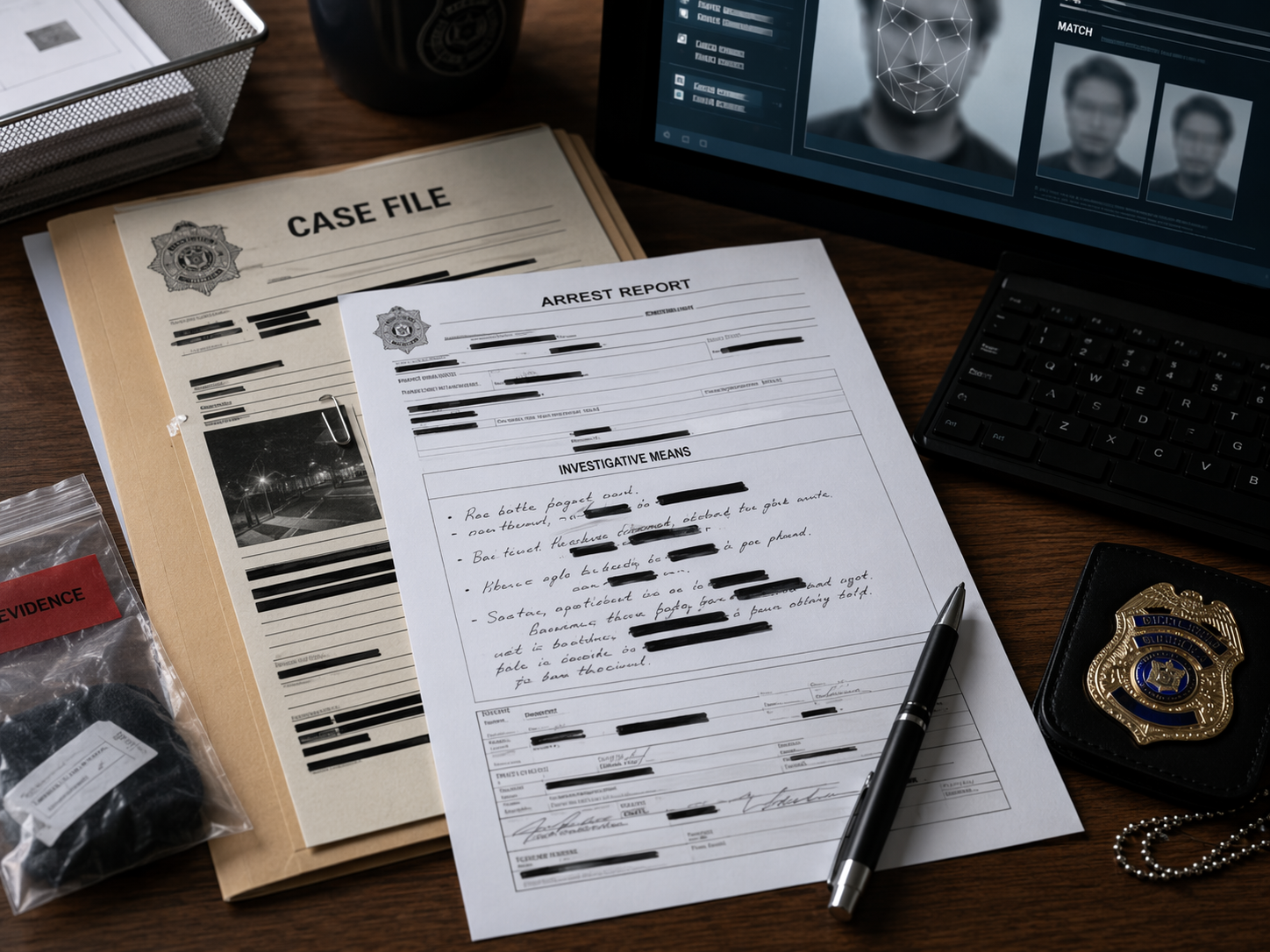
Criminal Defense Legal Analysis for AI Fugitive Arrests
Criminal defense attorneys can use Daubert gatekeeping, Brady disclosure obligations, and Fourth Amendment challenges to contest AI-generated identification evidence in fugitive arrest cases. This article explains the documented failure rates of facial recognition tools and the legal arguments available under current law.
 UpdatedHallucination rateNot measured / undisclosed
What Denise Oliver-Velez's Legacy Teaches Today's Legal Professionals
Denise Oliver-Velez's six-decade arc of legal activism offers five transferable principles for today's legal professionals, from direct action and coalition building to institutional challenge and self-care. This analysis examines her legacy as an understudied model of movement lawyering from outside the profession.
 UpdatedHallucination rateNot measured / undisclosed
Legal Liability for Farmers Market Vendors After Cyclospora Outbreak
The 2026 cyclospora outbreak creates sharply different liability exposures for farmers market vendors, market operators, and the large supplier behind the contamination — this article maps the legal frameworks and practical risk implications for each party.
 UpdatedHallucination rateNot measured / undisclosed
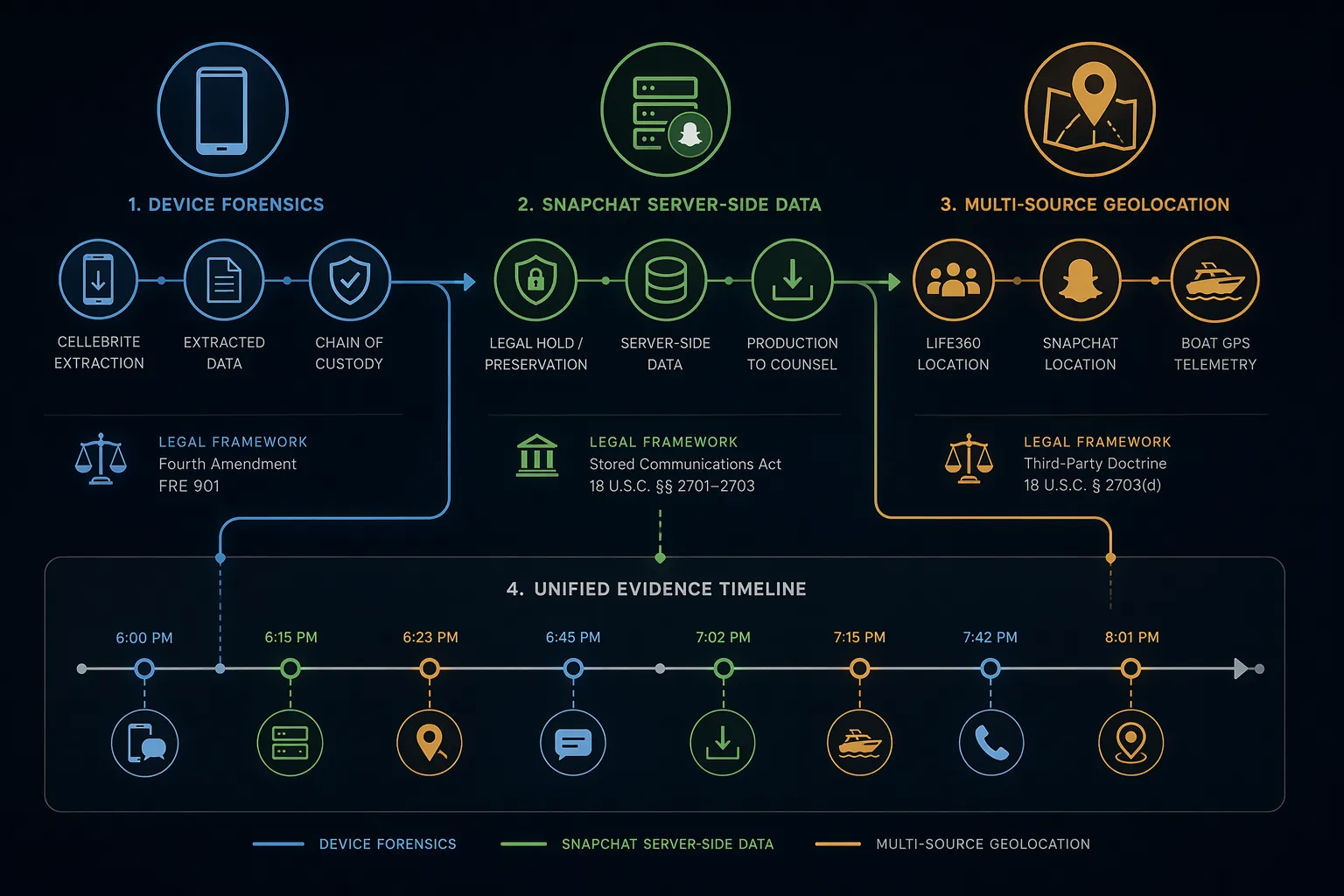
FBI digital forensics in the Nolan Wells death investigation
How phone, Snapchat, and geolocation data interact with federal evidence law to resolve timeline contradictions in the Nolan Wells case — and what legal frameworks govern each stream.
 UpdatedHallucination rateNot measured / undisclosed
Financial Aid Antitrust Settlement: First $284M Distribution
The first $284M payout to 74,721 claimants in the 568 Cartel antitrust settlement has begun. This article explains the distribution mechanics, the status of the five remaining defendants, and what legal professionals should watch for in the November 2026 trial.
 UpdatedHallucination rateNot measured / undisclosed
Why Firefighter Injury Workers' Comp Claims Keep Getting Denied
Despite presumption laws in every state, firefighter workers' compensation claims are denied at initial rates exceeding 75% in multiple jurisdictions. This article examines the structural gap between statutory intent and claim outcomes, and outlines the legal and legislative strategies available to close it.
 UpdatedHallucination rateNot measured / undisclosed
Courts Split on Whether Flock Safety ALPRs Require a Warrant
Federal and state courts are issuing conflicting rulings on whether warrantless queries of Flock Safety's automated license plate reader network violate the Fourth Amendment, leaving the constitutional status dependent on camera density, data retention, and cross-agency sharing practices.
 UpdatedHallucination rateNot measured / undisclosed
Which Free AI Legal Assistants Can You Safely Use?
A task-by-task comparison of six free-tier AI legal assistants—ChatGPT, Claude, Gemini, Perplexity, TheLawGPT, and Genie AI—showing solo and small-firm attorneys exactly where each tool saves time and where free limitations demand paid upgrades or manual verification.
 UpdatedHallucination rateNot measured / undisclosed
Does the Houthi Blockade Trigger Self-Defense Rights Under International Law?
This article examines the unresolved international law question of whether Houthi attacks on merchant vessels in the Red Sea give rise to a flag State's right of self-defense under Article 51 of the UN Charter. It surveys the competing positions of the US government, scholars, the UN Security Council's deliberate ambiguity in Resolution 2722, and the implications for operational legality.
 UpdatedHallucination rateNot measured / undisclosed
How Courts Are Escalating Sanctions for AI Hallucinations
AI hallucinations in court filings have grown from isolated cases to over 1,600 documented incidents globally, with sanctions rising from $5,000 to more than $110,000 in two years. This analysis tracks the enforcement trajectory, identifies courts moving beyond monetary penalties, and details the verification safeguards practitioners must adopt to avoid becoming the next target.
 UpdatedHallucination rateNot measured / undisclosed
How Large Law Firms Deploy Harvey AI Today
A data-driven look at how large law firms use Harvey AI in daily workflows, based on the 2026 SKILLS survey of 130 global firms and Harvey's self-reported customer metrics. The article highlights Harvey's category leadership in seven of eleven use cases alongside a significant gap between organizational deployment and individual lawyer adoption.
 UpdatedHallucination rateNot measured / undisclosed
Hungary's President Removal Amendment Creates a Legal Paradox
Hungary's July 2026 17th Constitutional Amendment removed President Tamás Sulyok using techniques that European courts have previously found incompatible with rule-of-law standards. The amendment's retroactive provisions and personalized removal mechanisms create a paradoxical situation where restoration measures mirror the very techniques they aim to correct.
 UpdatedHallucination rateNot measured / undisclosed
Kaitlan Collins and the Legal Void of ICE Body Cameras
The absence of body camera footage in ICE fatal shootings, exposed by Kaitlan Collins' July 2026 exchange with Border Czar Tom Homan, creates a multi-layered accountability gap with distinct legal consequences for civil litigation, FOIA access, and internal oversight. This article examines the specific legal mechanisms affected and analyzes emerging federal court interventions that aim to close the vacuum.
 UpdatedHallucination rateNot measured / undisclosed
What Lawyers Need to Know About Kira AI in 2026
Kira remains the most widely adopted AI tool for legal due diligence, but its lead is narrowing as GenAI competitors enter the space. This data-backed profile helps law firm decision-makers evaluate whether to renew, replace, or augment Kira in 2026.
 UpdatedHallucination rateNot measured / undisclosed
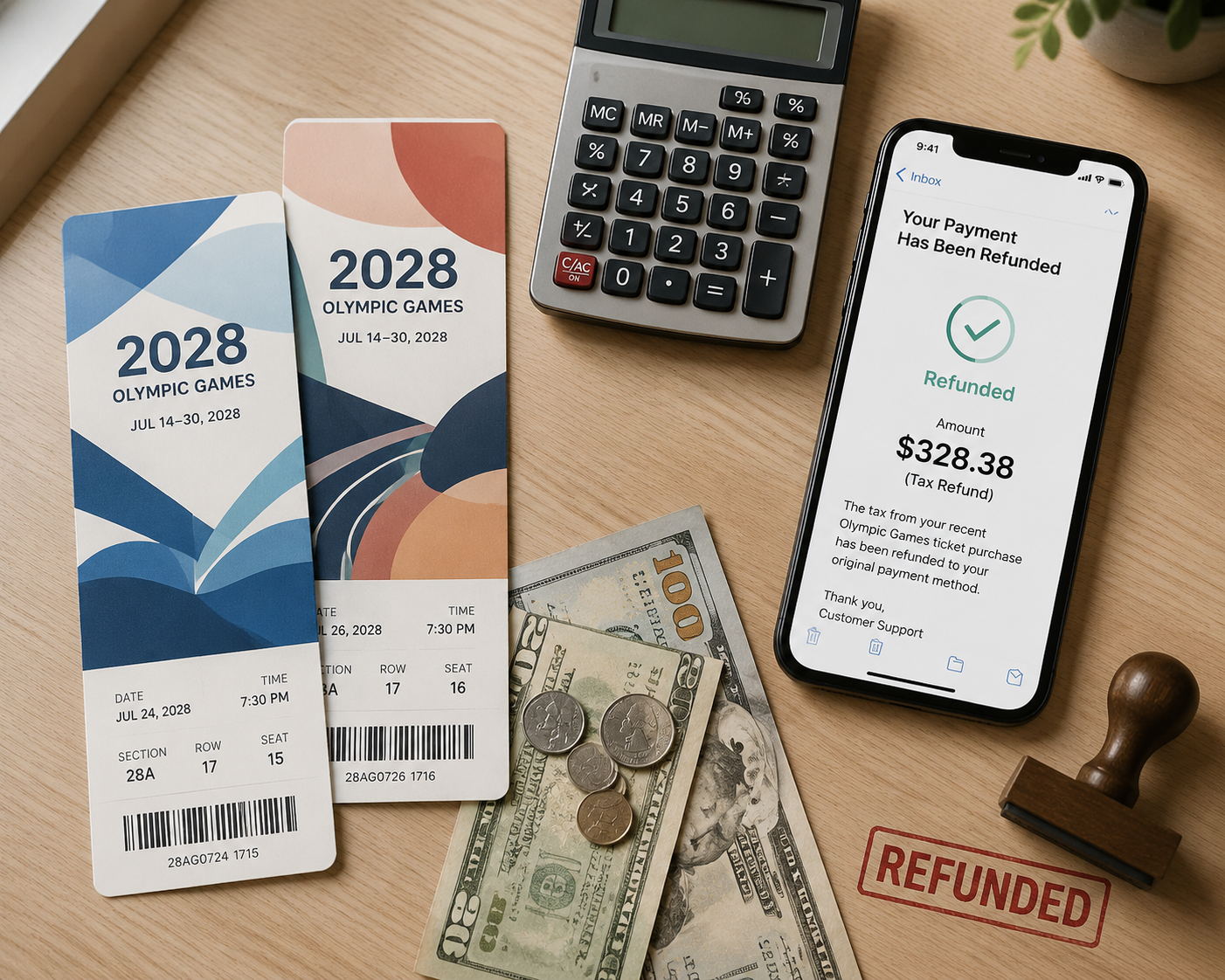
Why the LA28 Ticket Tax Refund Isn't a Tax Law Change
This article explains what the LA28 ticket tax refund email is, why it is not a tax law change or government rebate, how it differs from proposals like Utah's HB537, and how legal professionals should advise clients on its tax treatment and documentation requirements.
 UpdatedHallucination rateNot measured / undisclosed
Legal Tips for Last-Minute Lottery Prize Claims
When a client walks in with a winning lottery ticket that expires in days or hours, attorneys need a triage protocol. This article covers ticket security, state-specific deadlines, expedited entity formation, and the rare court cases where equitable relief was sought after the deadline.
 UpdatedHallucination rateNot measured / undisclosed
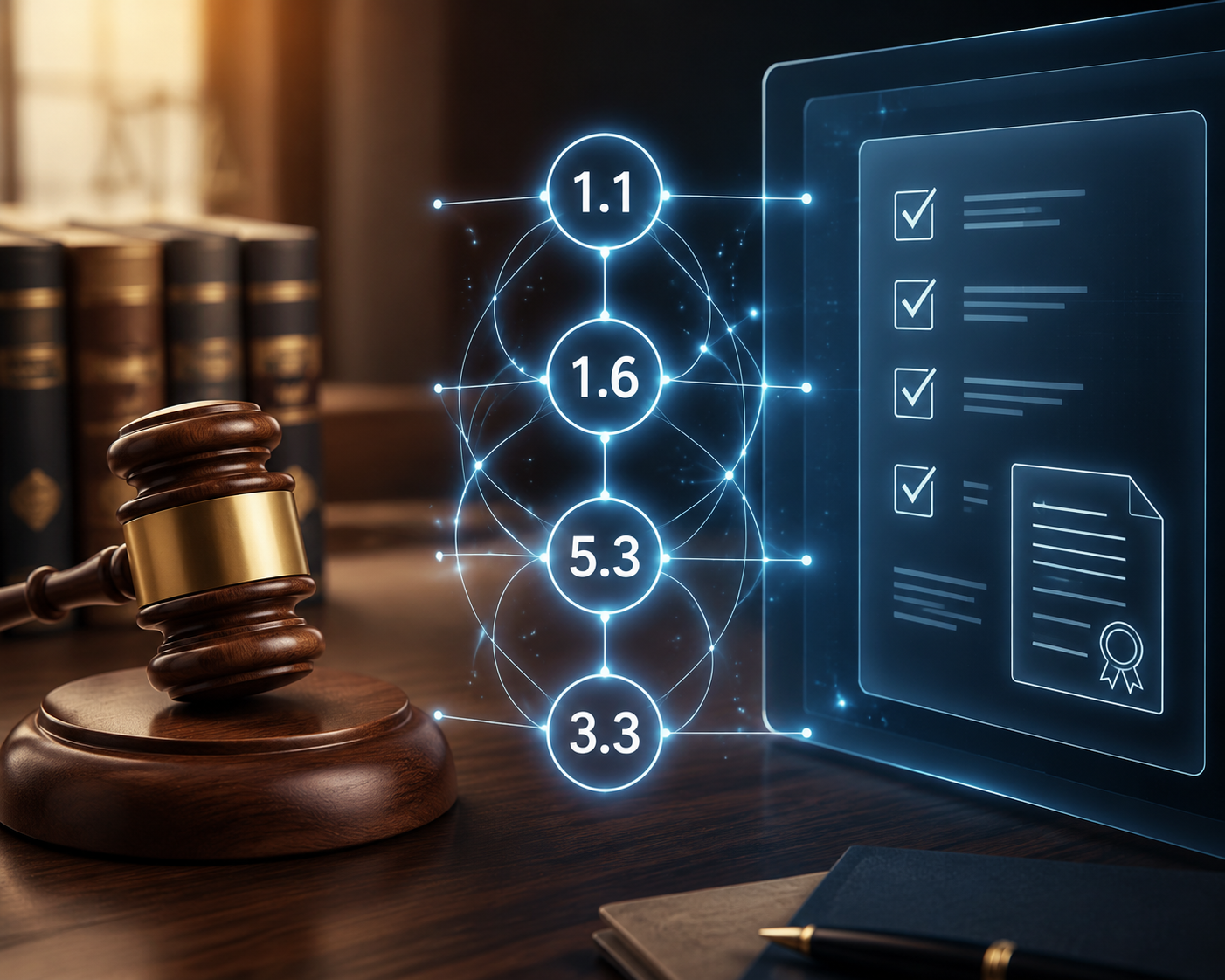
ABA Model Rules–Mapped AI Vendor Due Diligence Checklist for Law Firms
This checklist maps specific vendor evidence requirements to ABA Model Rules 1.1, 1.6, 5.3, and 3.3, giving law firms a structured framework for evaluating AI tools before client deployment.
 UpdatedHallucination rateNot measured / undisclosed
Legal Implications of Cuba's Ties to China, Iran, and Russia
An analysis of the legal instruments binding Cuba to China, Iran, and Russia — including military cooperation agreements, strategic partnerships, and joint doctrinal declarations — and how they collectively create counter-legal positions against US sanctions enforcement and extraterritorial jurisdiction.
- UpdatedHallucination rateNot measured / undisclosed
Legal Research AI Platforms Compared: Westlaw CoCounsel, Lexis+ AI, Harvey, and Bloomberg Law AI
A criteria-explicit, methodology-disclosed side-by-side comparison of the four dominant AI-assisted legal research platforms — Westlaw CoCounsel, Lexis+ AI, Harvey, and Bloomberg Law AI — evaluated across corpus coverage, citation accuracy, data retention, pricing structure, and deployment model as of Q2 2026.