
Risk data, not endorsement
Evaluations
Citation-accuracy and hallucination-rate benchmarks for named AI legal tools, framed explicitly as risk data rather than product endorsement. Each evaluation discloses its benchmark source, methodology, and test date, and aggregates independent studies rather than vendor-supplied figures where possible. Every tool profile cross-links to the specific Risk Digest cases in which that tool was implicated, turning benchmark scores into traceable risk signals. Serves the procurement and comparison task: is this specific tool safe enough to use. Excludes narrative case reporting (Risk Digest) and procedural steps (Workflows); comparisons must always disclose methodology to avoid misleading side-by-side figures across incompatible test conditions.
Source undisclosed
Figures from this source are not directly comparable to other benchmark sources without checking each study's methodology.
 UpdatedHallucination rateNot measured / undisclosed
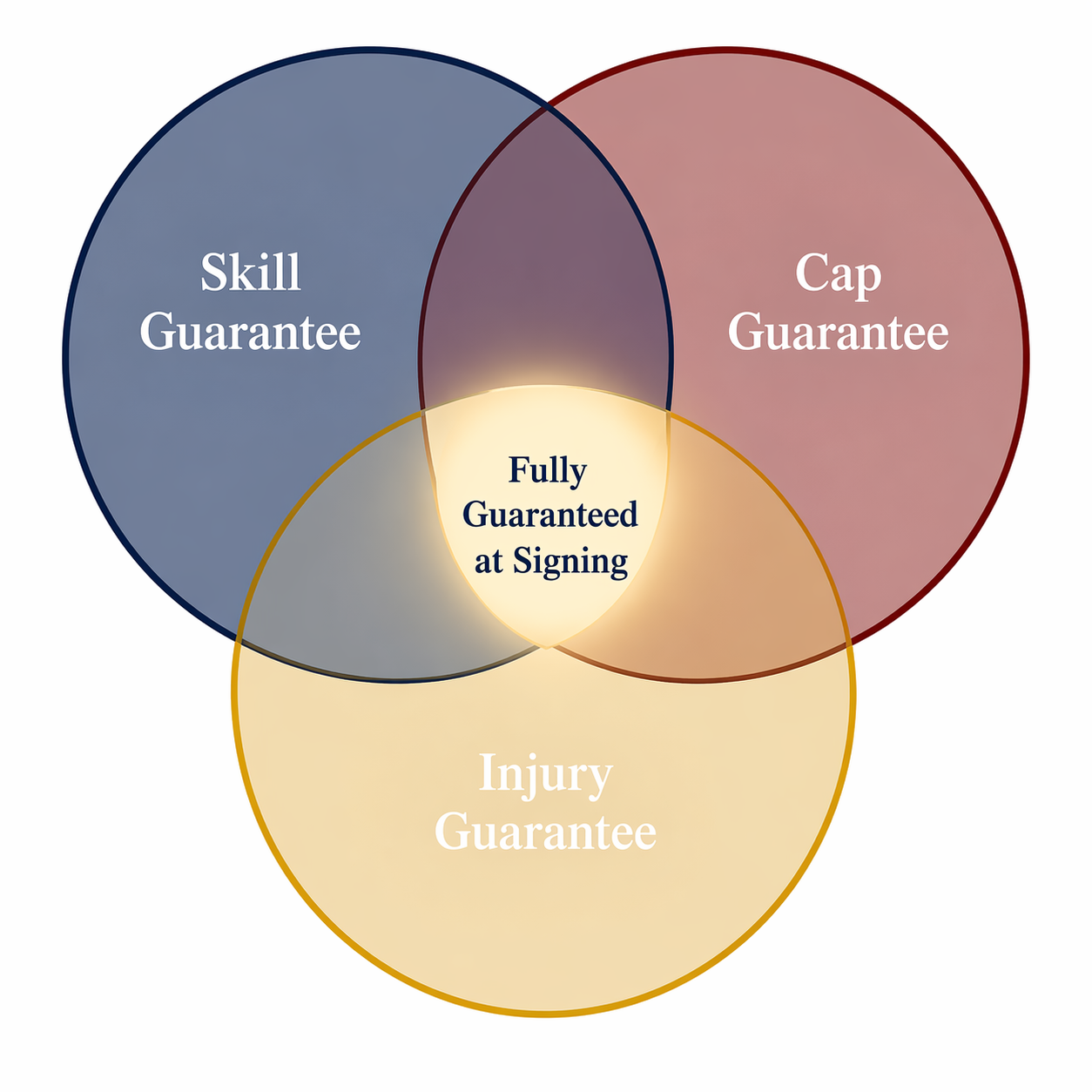
What Devonte Wyatt's Extension Says About NFL Guarantee Law
This article uses Devonte Wyatt's 2026 extension with the Green Bay Packers as a case study to explain the three-pillar system of NFL contract guarantees—skill, cap, and injury—and how guarantee rates reflect player injury history and team risk allocation.
 UpdatedHallucination rateNot measured / undisclosed
Brand Tagging in the Diggs-Griffith Case Tests Defamation Standards
How social-media tagging of commercial endorsers creates new defamation pleading issues in the Diggs-Griffith case, testing public-figure actual-malice standards and the boundaries of economic-damages discovery.
 UpdatedHallucination rateNot measured / undisclosed
Fairlife Ransomware Attack Exposes Parent Company Legal Gaps
When a subsidiary suffers an OT ransomware attack, what legal obligations does the parent company inherit? This article analyzes the Fairlife incident to outline three governance blindspots—SEC consolidated disclosure timing, board oversight of subsidiary cybersecurity, and OT-specific liability exposures—that in-house counsel should address.
 UpdatedHallucination rateNot measured / undisclosed
Where Is Federal Money Laundering Enforcement Concentrated in 2026?
Federal money laundering enforcement in 2026 is concentrated on cartel-linked money laundering, government benefits fraud, and national security threats, while technical BSA violations and standalone cryptocurrency enforcement have been deprioritized. This article maps the enforcement pillars and explains how compliance professionals should recalibrate their programs.
 UpdatedHallucination rateNot measured / undisclosed
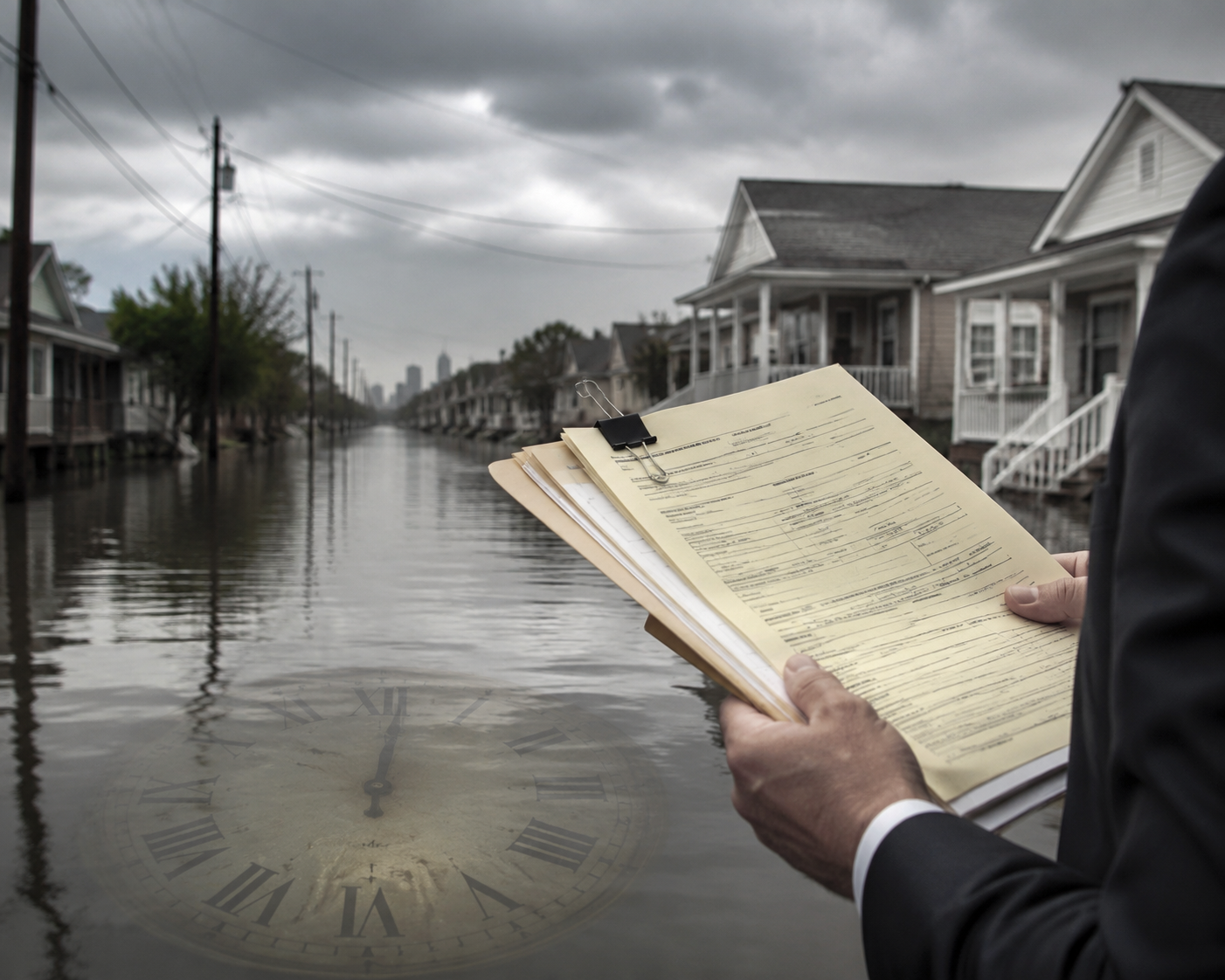
Legal issues from FEMA aid delays after Tropical Storm Arthur
Louisiana survivors of Tropical Storm Arthur face a compressed 60-day FEMA appeal window and parish-level exclusion. This article outlines the legal consequences of the delayed declaration and partial parish approval, and identifies concrete options for attorneys representing affected residents.
 UpdatedHallucination rateNot measured / undisclosed
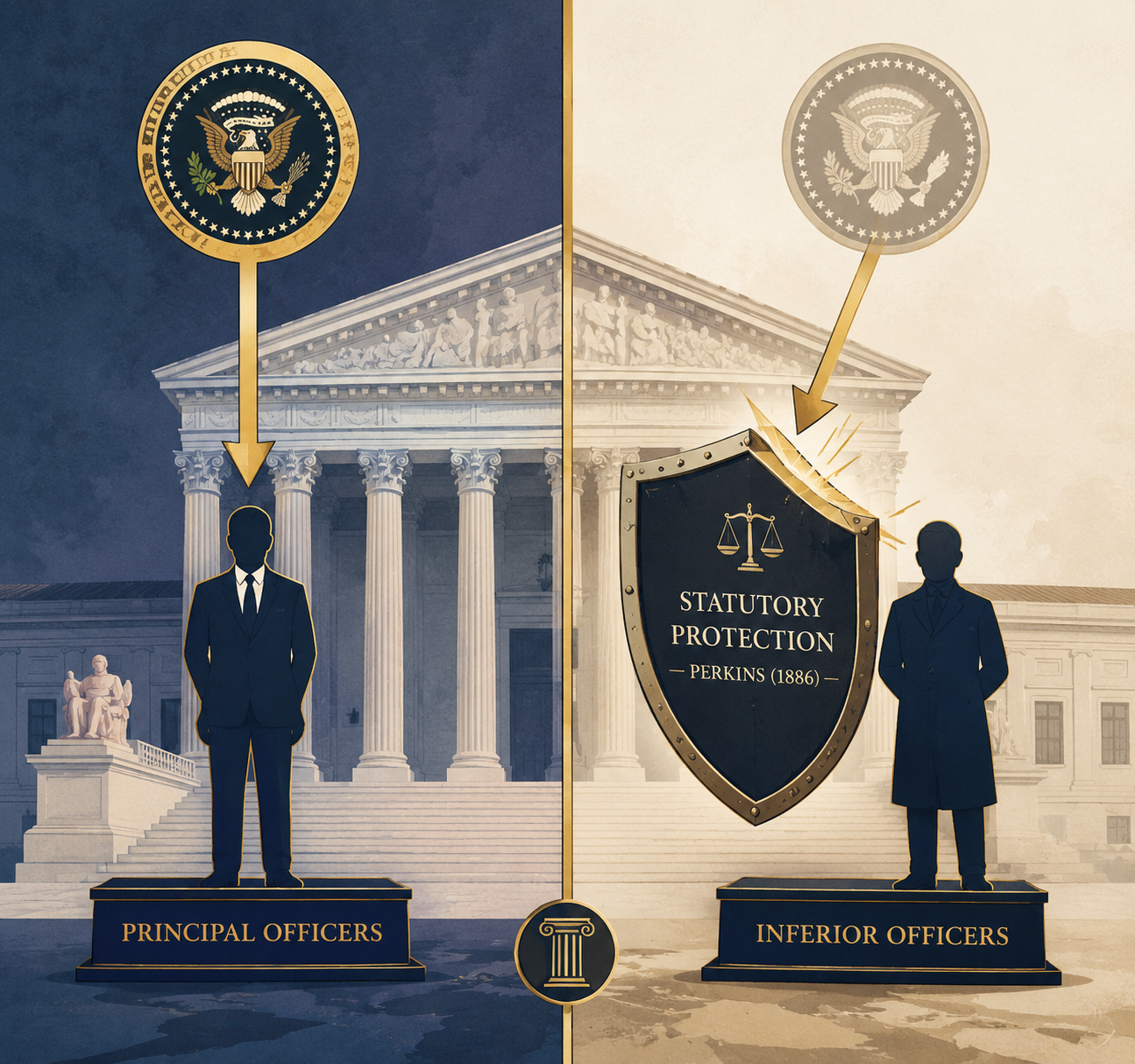
Legal analysis of the FEMA CFO unlawful termination ruling
Judge Nachmanoff's July 17, 2026 bench ruling in Comans v. Executive Office of the President is the first federal court decision to reject the Trump administration's claim that Article II grants plenary removal authority over career civil servants. This analysis examines how the ruling distinguishes inferior officers from principal officers in the wake of Trump v. Slaughter and what it means for federal employee protections.
 UpdatedHallucination rateNot measured / undisclosed
Flock ALPR False Positives Are Creating Real Legal Risk
This article documents the growing pattern of false-positive stops caused by Flock Safety's ALPR systems, the resulting settlements and lawsuits, and the legal theories being used to hold both the company and police agencies liable. It provides a source-cited reference for legal professionals assessing risk, conducting contract diligence, or responding to claims.
 UpdatedHallucination rateNot measured / undisclosed
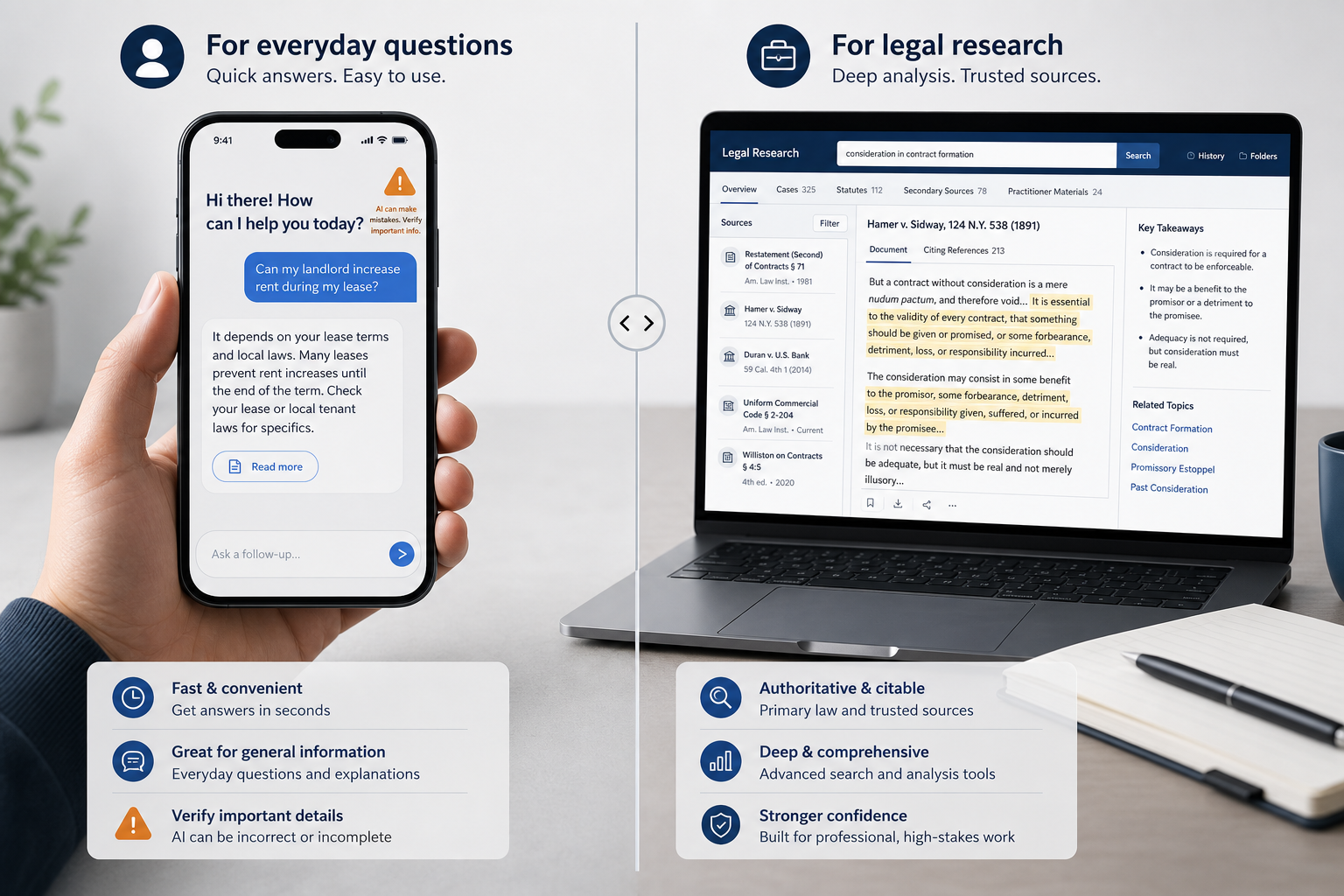
Free Legal AI Apps: The Consumer vs. Professional Market Bifurcation Every Lawyer Must Understand
This article analyzes the two-tier free legal AI app market for legal professionals. It distinguishes consumer-facing tools marketed as 'AI lawyers' from professional-facing productivity aids, examines the disproportionate risks of UPL, fabricated authority, and misplaced reliance in consumer tools, and provides a framework for advising clients and managing litigation risk.
 UpdatedHallucination rateNot measured / undisclosed
Kalshi World Cup Sports Betting Faces Legal Reckoning
The 2026 World Cup turned Kalshi's prediction-market model from a niche regulatory curiosity into a full-scale federalism crisis, with $40 billion in wagers, the first state felony ban, and a cascade of lawsuits that left the CFTC unable to resolve the escalating conflict between federal commodities law and state gambling regimes.
 UpdatedHallucination rateNot measured / undisclosed
How Lot Numbers Determine the Legal Scope of a Food Recall
The granularity of lot codes in a food company's traceability system directly determines how much product must be recalled, how severe the regulatory penalties can be, and how large a class-action plaintiff pool can form. This makes lot-code design a de facto liability policy for in-house counsel and compliance officers.
 UpdatedHallucination rateNot measured / undisclosed
State-by-State Rules for Lottery Prize Expiration Deadlines
This state-by-state legal reference details lottery prize expiration deadlines, explaining how claim periods vary from 60 days to one year, the critical clock-start distinction between draw games and scratch-offs, and the only consistent exception for active-duty military personnel. Attorneys and compliance officers can use this guide to advise clients on timely prize claims.
 UpdatedHallucination rateNot measured / undisclosed
Why New York City Cannot Arrest Netanyahu Under the ICC Warrant
NYC Mayor Zohran Mamdani has stated his intention to direct NYPD to arrest Israeli PM Benjamin Netanyahu under the ICC warrant if he visits New York. This article examines the four independent legal barriers — US non-membership in the Rome Statute, federal preemption of foreign affairs, head-of-state immunity, and pending federal legislation — that make such enforcement legally impossible.
 UpdatedHallucination rateNot measured / undisclosed
Nancy Grace, the Nolan Wells Case, and a Known Media Pattern
Nancy Grace's coverage of the Nolan Wells death investigation — focused on deleted phone messages and aided by her own off-duty law enforcement contacts — follows a pattern that legal professionals should recognize from earlier cases: media-driven guilt presumption before a grand jury has heard evidence.
 UpdatedHallucination rateNot measured / undisclosed
How NAVADMIN 26170 Pits OPSEC Against FOIA and Privacy Law
An analysis of the unresolved legal tensions between OPSEC authority, FOIA obligations, and the Privacy Act underlying NAVADMIN 26170's directive to remove Navy commander bios from public websites, identifying where the directive is most vulnerable to FOIA challenge.
 UpdatedHallucination rateNot measured / undisclosed
Why the US Cites International Law on Nicaragua's Election Ban
Nicaragua's July 2026 election ban directly violates Article 23 of the American Convention on Human Rights and ICCPR Article 25. This article examines the treaty provisions breached and how US sanctions, travel bans, and diplomatic measures rely on those same international law frameworks.
 UpdatedHallucination rateNot measured / undisclosed
1988 Switched-at-Birth Lawsuit Tests North Dakota's Repose Statute
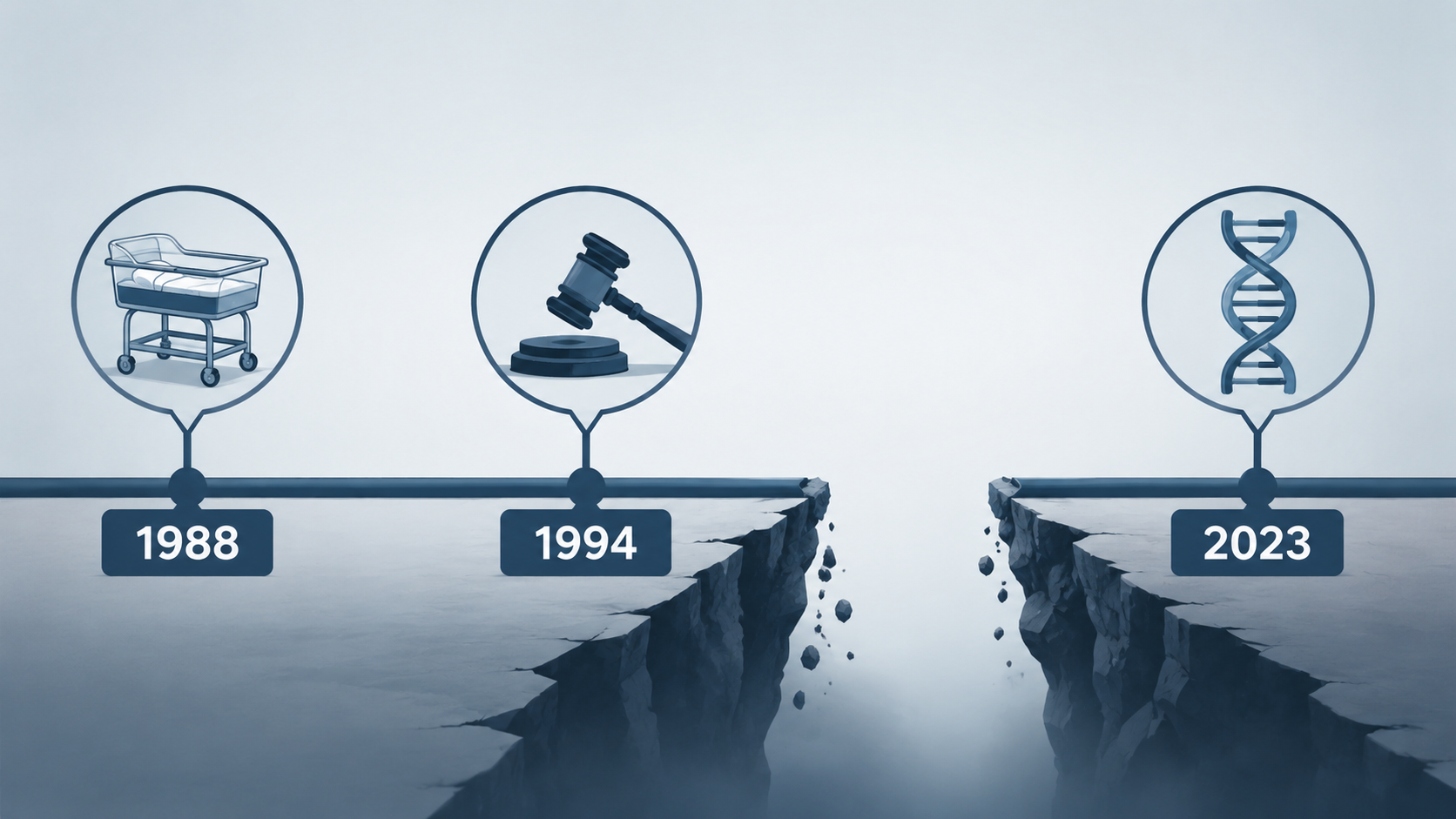
A 1988 switched-at-birth claim discovered in 2023 faces North Dakota's six-year statute of repose. This analysis explores whether the discovery rule, alternative negligence theories, or constitutional challenges can overcome the procedural bar.
 UpdatedHallucination rateNot measured / undisclosed
PSLF Rule Blocked as Unconstitutional Viewpoint Discrimination
A federal judge ruled the Trump administration's PSLF employer-eligibility rule facially unconstitutional as viewpoint discrimination, blocking its July 1 effective date and creating a significant constraint on executive power to condition federal benefits on employer advocacy.
 UpdatedHallucination rateNot measured / undisclosed
Assessing Class Action Risk in the PT Organics Recall
As the PT Organics fruit pouch recall enters its third day with no filed complaints, in-house counsel and defense attorneys need a grounded assessment of class action exposure based on recent standing rulings. This analysis applies key 2025–2026 decisions to the recall's specific facts, including the zero-injury status and functioning refund program.
 UpdatedHallucination rateNot measured / undisclosed
Sam Nordquist guilty pleas reveal AI tracking gaps in justice
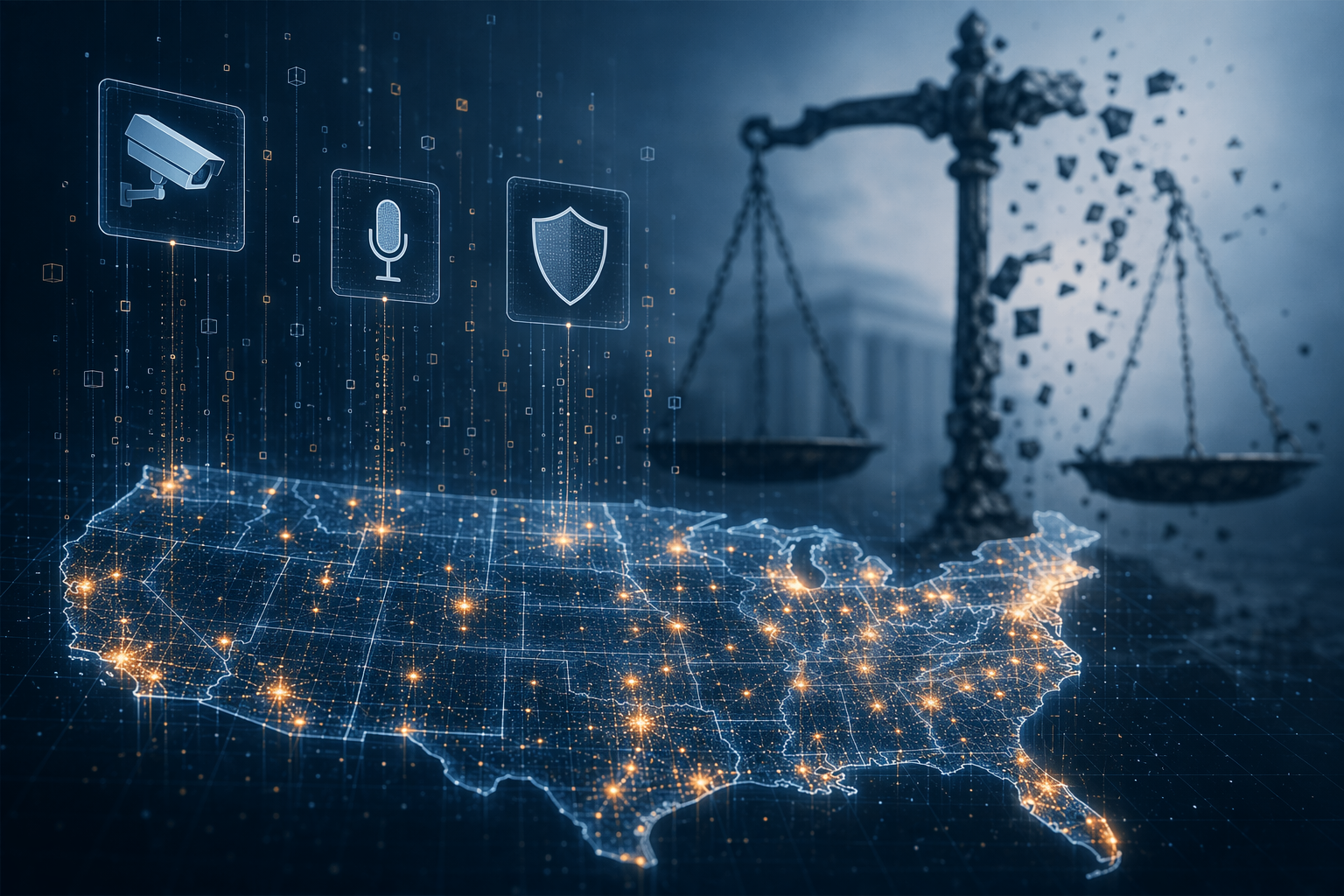
The third guilty plea in the Sam Nordquist torture-murder case provides a timely news hook to examine the Justice and AI Tracker (JAI-T) database, which has identified 215 AI tools deployed across law enforcement, courts, and corrections in the 100 largest U.S. cities — and the non-binding governance frameworks that leave a significant gap between deployment and oversight.
 UpdatedHallucination rateNot measured / undisclosed
The legal risks in South Carolina's ICE detention mandate
South Carolina's H.4764 would mandate local law enforcement participation in ICE 287(g) programs, creating unresolved constitutional questions and civil liability exposure for agencies and counties. This article analyzes the bill's provisions, the limits of its immunity clause, and the litigation risks that follow if the bill becomes law.