
Last updated July 21, 2026. The search phrase “legionnaires disease lawsuit upper east side 2025” compresses two different events into one legal problem: the Harlem Legionnaires’ outbreak in 2025, which has already produced notices of claim and filed lawsuits, and the Upper East Side cluster that emerged in July 2026, which is now drawing plaintiff-side investigation before a final source finding has been publicly fixed. As of the city’s July 2026 update, the Upper East Side cluster had reached 76 cases and 4 deaths, while the source investigation remained active.[1]
That distinction matters. Treating the Upper East Side outbreak as a 2025 event muddies the docket, the notice deadlines, and the proof record. The better map is chronological: Harlem 2025 created the litigation template; the Upper East Side 2026 cluster is testing whether the same cooling-tower compliance failures can support a wider negligence theory before plaintiffs can name one confirmed source tower.
The Litigation Map Starts With Two Different Procedural Postures
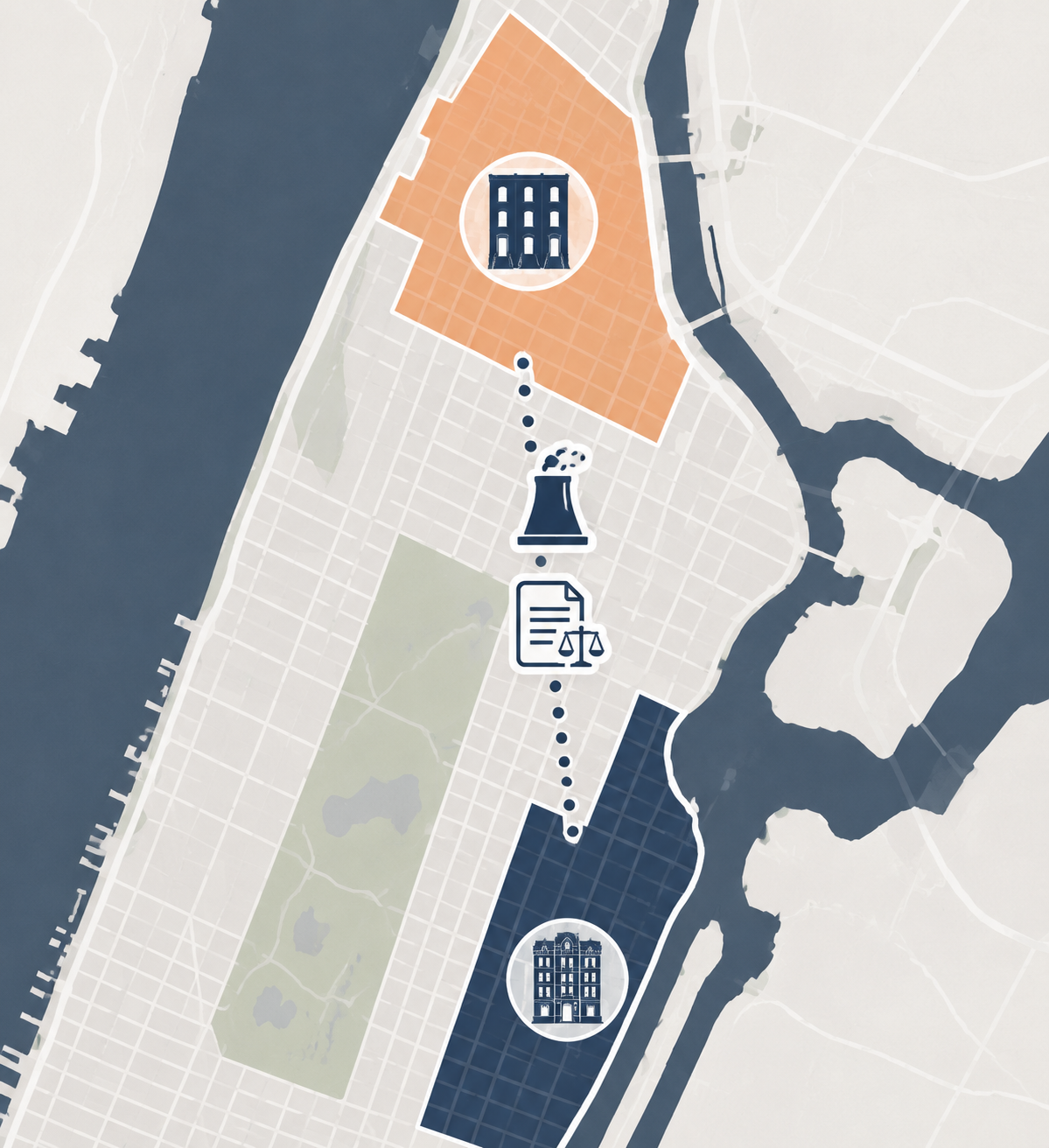
Harlem is already in the pleadings-and-notices phase. The Upper East Side is still in the source-investigation-and-client-intake phase. Lawyers tracking the risk should resist folding those stages together, because each stage produces a different kind of evidence.
| Outbreak | Current legal posture | Key litigation pressure |
|---|---|---|
| Harlem 2025 | Notices of claim and filed lawsuits against city-linked entities and construction defendants | Whether cooling-tower maintenance, public-health response, and city-linked facility operations support negligence claims |
| Upper East Side 2026 | Active plaintiff recruitment and investigation of buildings with violation histories | Whether documented cooling-tower violations and enforcement gaps create notice and breach evidence before source identification is complete |
On the Upper East Side portion of the map, Patch reported that attorney Ronald Katter was representing two victims and described a strategy that turns first on the Department of Health source investigation, then on potential negligence claims against building owners and possible claims against the city for enforcement failures.[2] That is not yet the same thing as a filed mass complaint. It is, however, a clear signal about how plaintiffs intend to convert a public-health cluster into civil-liability allegations.
The reason the Upper East Side claims are not waiting quietly for a final source announcement is the record around cooling-tower compliance. A New York Post records analysis reported that 59% of cooling towers in the Upper East Side outbreak area had received violations in the prior year, including 1520 York Avenue with 9 violations and 1101 Lexington Avenue with 7 violations.[3] Healthbeat separately reported that only 13.65% of building owners citywide submitted monthly Legionella samples under Local Law 159.[4]
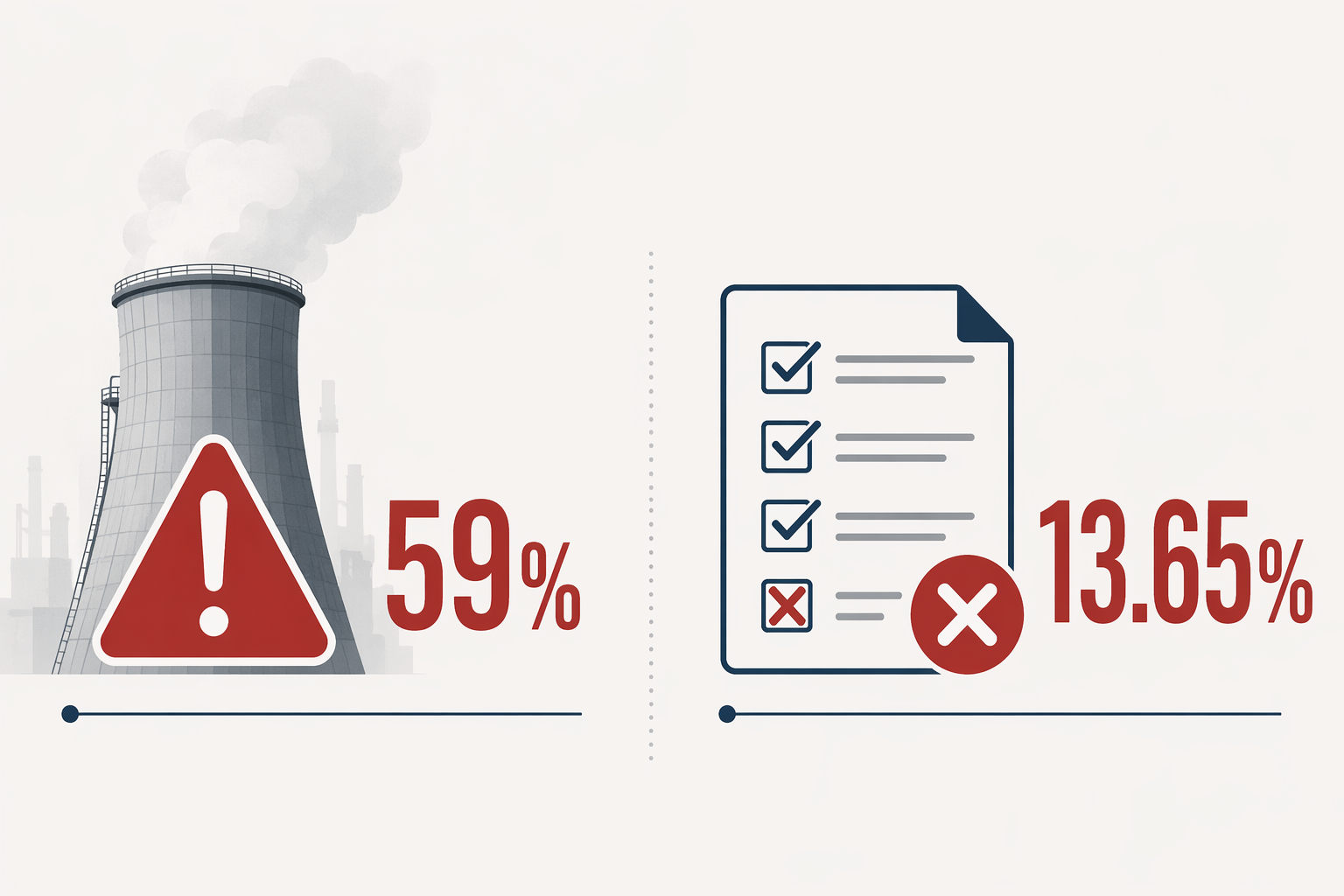
Those numbers do not prove which tower infected which patient. They do something different: they give plaintiffs a paper trail for notice, breach, and enforcement failure. In Legionnaires’ litigation, that can be enough to move a case from speculation toward a complaint that survives the first round of procedural attacks, especially where the defendants controlled regulated water systems the public could not inspect.
Harlem Supplies the Filed Theories
The Harlem outbreak gives the cleaner view of what plaintiffs are already willing to plead. On May 7, 2026, attorneys Jory Lange and Scott Harford announced what they described as the first lawsuit against City of New York entities over the Harlem outbreak, naming NYC Health + Hospitals Corp., the NYC Public Health Laboratory, and the New York City Economic Development Corporation.[5] A later Lange/Harford release stated that the Harlem outbreak involved 114 cases.[6]
That city-entity lawsuit matters because it does not treat Legionnaires’ exposure as only a private-building maintenance problem. It puts public-health infrastructure, city-linked property control, and governmental response into the same liability frame. For a deeper treatment of the doctrine that usually sits underneath those claims, see the site’s earlier framework on who bears liability in a Legionnaires’ outbreak.
A separate Harlem lawsuit reported by ABC7 accused Skanska USA and Rising Sun Construction of negligence tied to cooling towers at the Harlem Hospital construction site.[7] That theory is more conventional in one sense: identify entities with operational control over equipment, allege inadequate maintenance, and connect the alleged failure to exposure. But the construction-site angle also widens the defendant pool beyond owners and municipal agencies. Contractors, construction managers, and maintenance vendors can become the targets when they had practical control over a tower or the work that affected it.
Ben Crump and Rev. Al Sharpton have pushed a more public-facing pressure campaign around Harlem victims. The New York Post reported in September 2025 that nearly 20 notices of claim against New York City totaled a potential $210 million in liability, while lawyers said the outbreak may have killed up to 20 people, compared with the lower official count then being reported.[8] Those are important numbers for understanding settlement pressure and municipal risk posture. They are not adjudicated damages, and the higher death figure should be read as an attorney-stated claim, not a court finding.
The Upper East Side Is Building Around Violation Histories
The Upper East Side outbreak has not yet reached the same pleading posture, but the plaintiff-side architecture is visible. Crain’s New York Business reported on July 17, 2026, that victims of the Upper East Side outbreak had begun lawyering up, with Lange and Harford now investigating the cluster after representing Harlem victims.[9] Patch separately reported Katter’s representation of Upper East Side victims and his focus on source identification, building-owner negligence, and city enforcement.[2]
The likely Upper East Side pleadings will not need to look identical to Harlem’s first complaints. A building-owner case can center on cooling-tower registration, maintenance, disinfection, sampling, and correction of violations. A municipal case can center on whether regulators had enough information to inspect, order remediation, or enforce the cooling-tower rules before residents were exposed. A construction or maintenance case would require a more specific control record: who serviced the tower, who signed the logs, who deferred the work, and who had authority to shut equipment down.
The public record is already doing some of that sorting. Buildings with multiple documented violations will draw earlier plaintiff attention than buildings with no visible compliance history, even before causation is fully litigated. That does not make every violation a cause of infection. It does make every violation a document request, deposition topic, and notice exhibit.
Why Source Identification Is No Longer the Only Liability Gate
Source identification is still central. A plaintiff who can tie a patient’s exposure to a specific tower has a stronger causation story than a plaintiff relying on zone-wide conditions. But in a regulated-hazard case, source identification is not the only way liability pressure forms. Violation histories can create a negligence predicate by showing that defendants had duties, received warnings, or failed to comply with rules designed to prevent exactly this type of exposure.
That is where the 59% Upper East Side violation figure has more legal weight than a headline number normally would.[3] If more than half of the cooling towers in the outbreak zone had recent violations, plaintiff firms can argue that the cluster arose inside a known compliance-failure environment. The narrower claim is safer than the broader one: the data support an argument about systemic regulatory weakness and potential notice, not a finding that any one building caused any one case.
The Local Law 159 sampling figure points in the same direction. Healthbeat’s reported 13.65% monthly Legionella sample submission rate is not an effectiveness study; it does not prove that sampling would have prevented these cases.[4] It does show a documented gap between a legal monitoring requirement and owner behavior. In later motion practice, that gap can matter because defendants often argue lack of notice, unforeseeability, or reasonable care. A poor compliance record makes those defenses harder to present cleanly.
This is also where modern monitoring records can become litigation evidence rather than compliance theater. Digital logs, automated alerts, sampling timestamps, vendor work orders, and ignored recommendations can help show what a defendant knew and when it knew it. The site’s analysis of AI water monitoring and Legionella evidence is useful here because the proof fight is rarely just about whether bacteria existed. It is about whether the right people had warnings, ignored patterns, or failed to act on data they had already collected.
Three Liability Tracks Are Emerging
The developing litigation wave is best tracked by theory, not by press conference. The same victim may eventually plead more than one theory, and the same defendant may appear in more than one role.
| Theory | Likely defendants | Evidence that will matter |
|---|---|---|
| Premises liability | Building owners, operators, managers, and possibly maintenance vendors | Cooling-tower registrations, violation notices, inspection reports, remediation records, sampling logs, and tenant or agency communications |
| Construction or maintenance negligence | Construction companies, contractors, tower service vendors, and site managers | Control of equipment, scope of work, service contracts, cleaning schedules, shutdown decisions, and maintenance signoffs |
| Municipal negligence or enforcement failure | City entities and public agencies, subject to notice-of-claim rules and governmental immunity defenses | Inspection history, enforcement records, public-health response timelines, agency communications, and prior knowledge of noncompliance |
The municipal track will be the hardest to plead cleanly and the most consequential if it survives. Notices of claim are not lawsuits, and lawsuits are not findings of liability. City defendants will have procedural defenses, immunity arguments, causation challenges, and apportionment arguments. But the Harlem filings and notices show that plaintiffs are not treating city entities as background regulators. They are trying to put them inside the chain of failure.
For insurers and municipal risk managers, the uncomfortable part is that these theories do not wait for one perfect defendant. A tower owner may point to a vendor. A vendor may point to an owner’s deferred maintenance. A city agency may point to statutory limits on liability. Plaintiffs will use the compliance record to keep all of them in the case long enough to obtain discovery.
What the $210 Million Figure Does and Does Not Mean
The $210 million figure belongs in the article because it is part of the litigation pressure map. It should not be mistaken for a valuation model. The number came from attorney-reported notices of claim, as covered by the New York Post, not from a verdict, settlement, court-approved damages analysis, or independent actuarial estimate.[8]
Notices of claim serve a procedural function: they preserve the ability to sue public entities and put the city on notice of alleged injuries. They often state large damages figures because claimants do not want to understate future medical costs, wrongful-death damages, lost income, pain and suffering, or household losses before discovery. The stated exposure still matters. It affects reserves, settlement posture, political scrutiny, and the pace at which agencies must organize records.
The same caution applies to attorney recruiting numbers. Crump’s reported representation of more than 35 Harlem victims, Lange and Harford’s reported work for more than 50 Harlem victims, and Katter’s early Upper East Side representation show coordination and competition among plaintiff firms. They do not establish how many claims will be filed, how many will survive dispositive motions, or how damages will be allocated.
The Paper Trail to Watch Next
The next useful records will not be podium statements. They will be amended complaints, notices of claim, Department of Health source updates, cooling-tower inspection files, violation dispositions, sampling submissions, remediation invoices, and contracts showing who controlled the relevant equipment. If a building had repeated violations, the follow-up question is whether those violations were corrected, when, by whom, and whether the correction was verified.
For the Upper East Side, the source investigation remains the hinge for case-specific causation. For Harlem, the filed complaints and notices will show whether plaintiffs can move from public-health allegations to admissible proof of negligence against named defendants. Across both outbreaks, the recurring issue is not merely that Legionella bacteria appeared in New York water systems. It is that regulated cooling towers appear in records as known hazards with uneven compliance and uneven enforcement.
As of July 21, 2026, the litigation wave is coordinated because the same enforcement and cooling-tower compliance failures are appearing across both outbreaks. That does not mean a court has found the Harlem and Upper East Side outbreaks legally connected. The filed claims, source findings, damages estimates, municipal exposure, and defendant-specific proof remain developing and should be tracked through primary records.
References
- NYC Health Dept press release, NYC Health Department, July 2026.
- UES Legionnaires' Victims Prepare Lawsuits As Outbreak Reaches 67 Cases, Patch.
- More than half of cooling towers in NYC Legionnaires' outbreak area issued violations, NY Post, July 10, 2026.
- NYC Legionnaires' outbreak on Upper East Side sparks questions over cooling tower law compliance, Healthbeat, July 8, 2026.
- First Lawsuit Filed Against the City of New York in Harlem Legionnaires' Disease Outbreak, PRNewswire, May 7, 2026.
- Legionnaires' Disease Lawsuit Filed Against the City of New York in Harlem Outbreak, PRNewswire, June 12, 2026.
- NYC legionnaires' outbreak: New lawsuit accuses construction companies of negligence at Harlem Hospital, ABC7 NY.
- NYC Legionnaires outbreak may have killed up to 20, NY Post, Sept. 23, 2025.
- Victims of Upper East Side Legionnaires' outbreak lawyer up, Crain's New York Business, July 17, 2026.
Comments
Join the discussion with an anonymous comment.