
Why video evidence didn't solve the Seattle teen death case
- Authority
- King County Superior Court
- Rule type
- court order
- Jurisdiction scope
- US state (Washington)
- Source text
- Read primary rule text ↗
Authenticate video evidence through chain-of-custody, corroboration, and access.
The Seattle protest teen death video evidence case begins with a hard dated record, not with a solved clip: on June 29, 2020, 16-year-old Antonio Mays Jr. was shot and killed at Seattle’s CHOP zone, 14-year-old Robert West was critically wounded, and a third teen was grazed, a fact the Aug. 2, 2026 NPR/Seattle Times/KUOW joint investigation described as newly reported.[1] Filed under regulation-ethics, this record is source-dependent and is not legal advice. Its limits matter because the public version of this case now includes more than a dozen videos, a city-hired forensic video analyst, unreleased precinct surveillance, civil verdict reporting, and still no criminally solved killing.
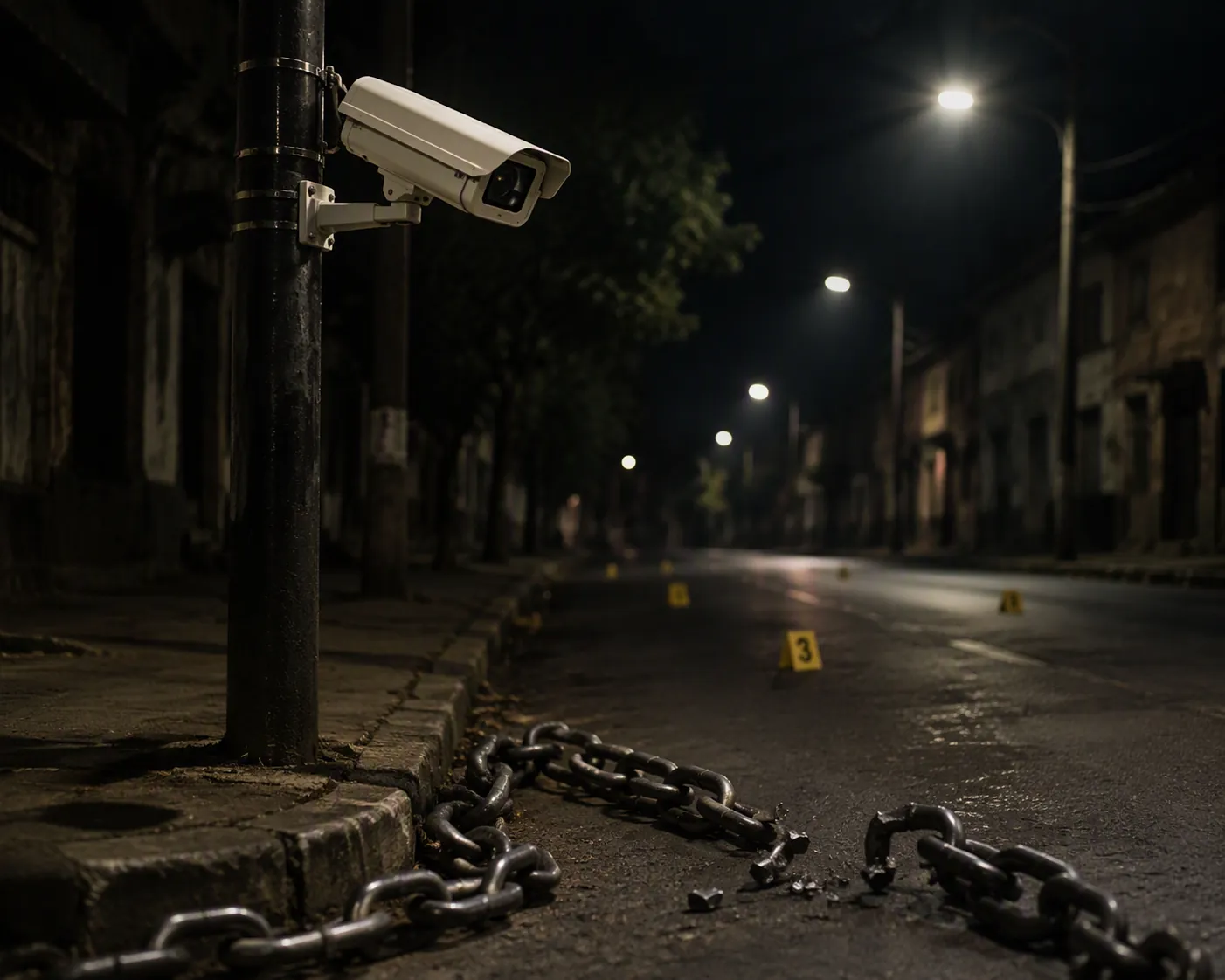
The record begins with video, not certainty
The 2026 joint investigation is the load-bearing source for the new video-evidence account. It reported that the City of Seattle hired a forensic video analyst who reviewed more than a dozen videos connected to the shooting. According to that reporting, the analyst identified no gunshots coming from the white Jeep occupied by the teens; the only shots he identified were fired at the Jeep. The same investigation reported that no guns, bullets, or shell casings were found on the teens or in the Jeep.[1]
Those are significant reported findings. They are also not judicial determinations. The distinction is not a lawyer’s quibble. A reported expert conclusion can orient a case, change settlement pressure, and expose weaknesses in a public narrative. But unless the underlying materials are available, authenticated, and tested through the procedures that govern the dispute, the finding remains part of the reported record rather than a court-adopted fact.
That is the uncomfortable feature of the Mays record. The footage did not fail because it was trivial. It failed, at least in the public record now available, because the surrounding evidence system could not preserve enough physical anchors, access, and chain-of-custody confidence to let the video carry the case cleanly.
How the evidence chain degraded
The degradation began before anyone later fought over expert interpretation. The shooting was reported at 2:59 a.m., but police did not process the crime scene until roughly 7:45 a.m., about four and a half hours later, according to the joint investigation.[1] In a video-heavy case, that delay does not merely create an abstract investigative problem. It changes what the footage can be matched against: casings, bullet strikes, vehicle condition, blood evidence, sightlines, and the position of objects in the street.
By the time investigators could examine the scene, the public record already included signs that the scene had been disturbed. The joint investigation reported livestream audio capturing people telling bystanders to pocket shell casings, including the phrase “No evidence,” and cited Seattle police as stating the morning after the shooting that “the crime scene had been disturbed.”[1] That does not prove who fired the fatal shot. It does show why later video analysis had to do work that physical evidence normally helps do.
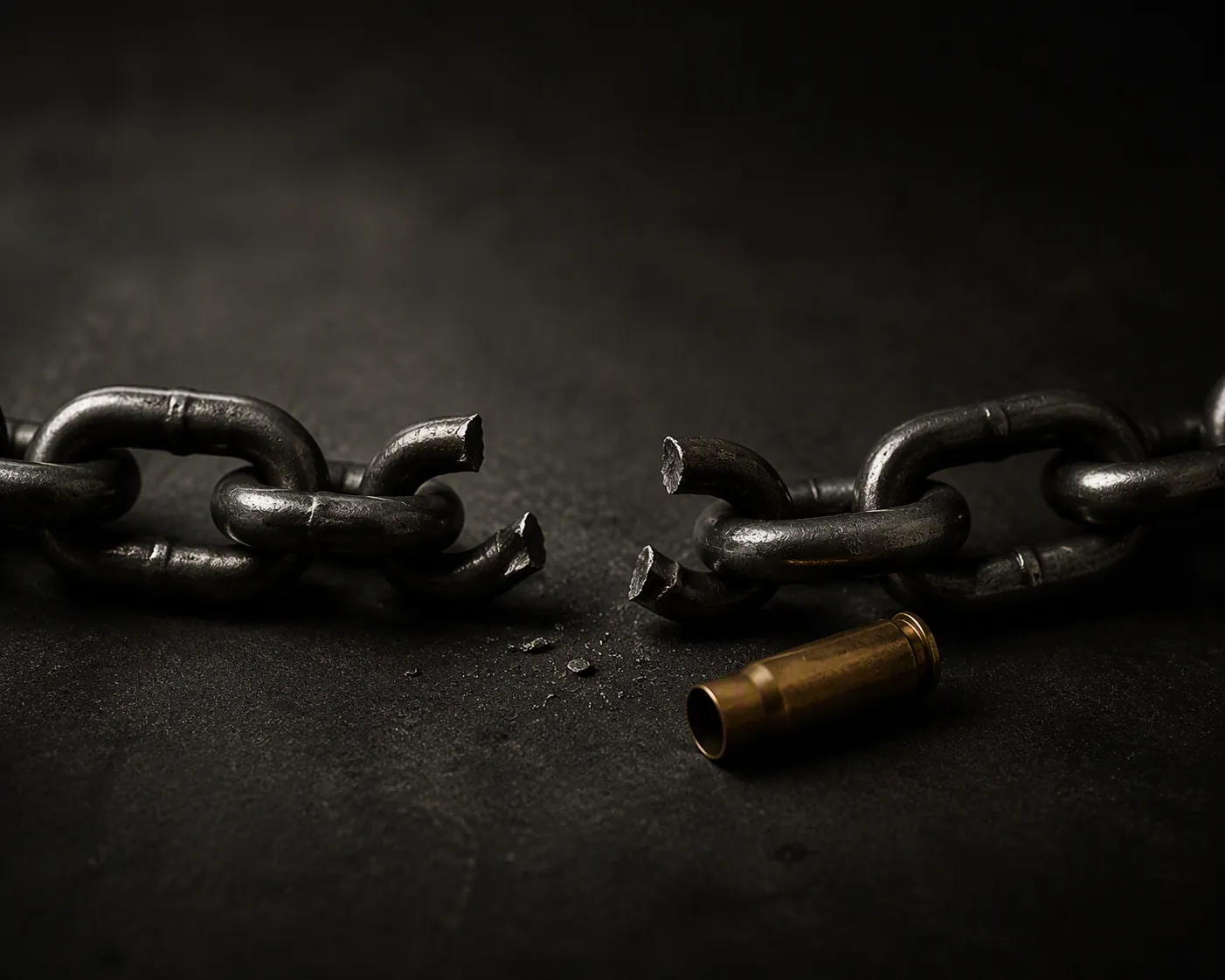
The next link is worse because it was not merely delayed; it was lost. KUOW and The Seattle Times reported in June 2025 that a .22 bullet and fired shell casing seized from a protester-witness two days after the shooting were turned over to a prison transport driver and lost. An arrest report said the loss happened “likely as a result of the volatility of the scene.”[2] Whatever that bullet and casing might ultimately have proved, their disappearance deprived later investigators and litigants of a physical item that could have been inspected, tested, challenged, or excluded.
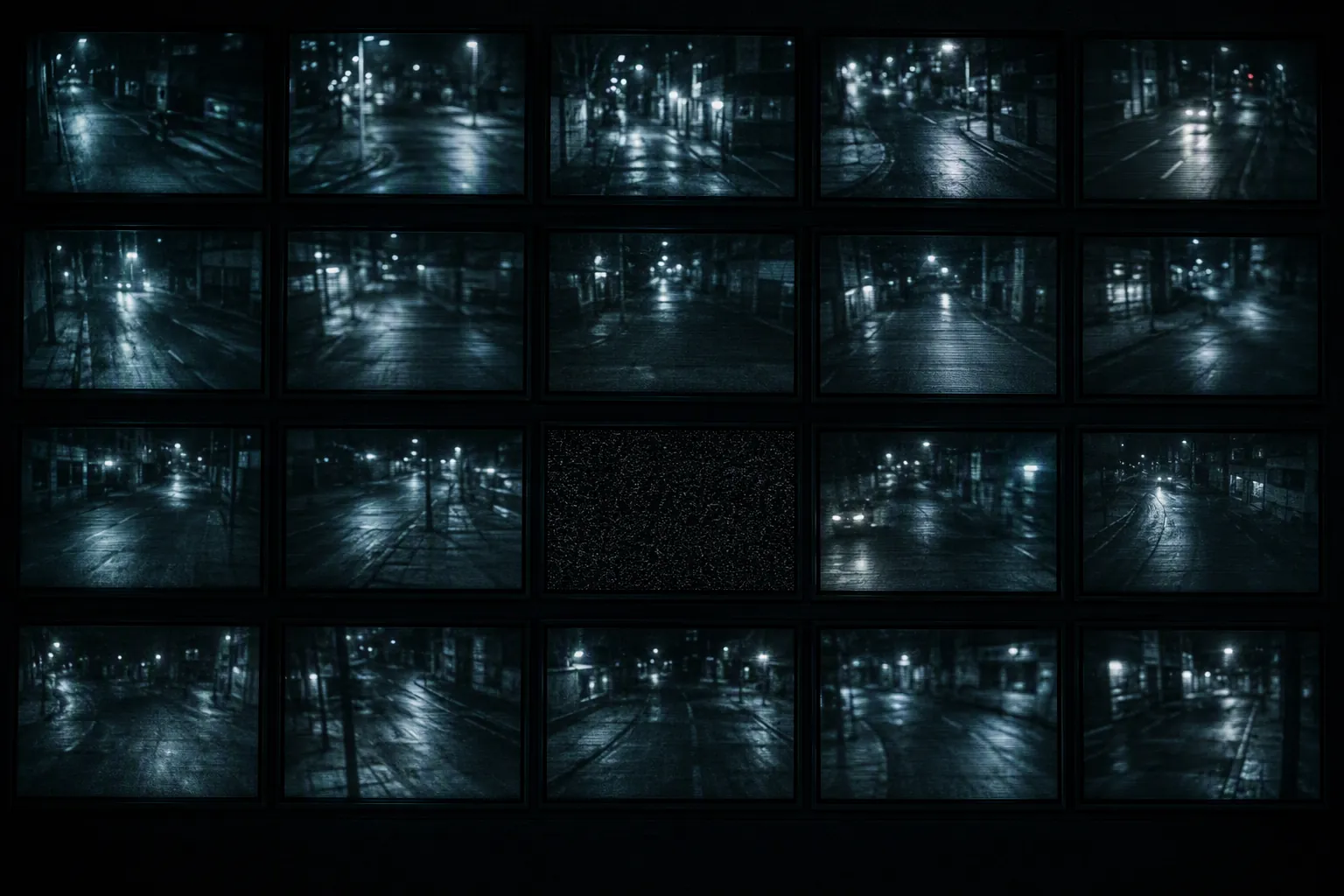
Then there is the surveillance footage. Seattle police confirmed that precinct cameras directly overlooked the shooting scene and that the footage is part of the homicide case file, but declined to release it, according to the 2026 joint investigation.[1] Unreleased footage may be withheld for legitimate investigative or legal reasons. But from the standpoint of public verification, and from the standpoint of parties who must test a record years later, its existence does not do the same work as its production.
Civil discovery added another access problem. KUOW reported in June 2025 that the city won rare “attorneys’ eyes only” confidentiality treatment over homicide-file discovery in the related civil suits, and that a retired King County Superior Court judge said such designations are uncommon and rarely used outside commercial litigation.[2] Confidentiality orders can be justified. They can also make the public record look fuller than it is: counsel may have seen material that the public cannot inspect, while the public sees references to a file it cannot evaluate.
| Evidence-chain point | What the sourced record says | Why it matters legally |
|---|---|---|
| Scene processing | Police processed the scene at roughly 7:45 a.m. after a 2:59 a.m. shooting.[1] | A delayed scene makes it harder to tie video timing to physical locations, casings, bullet strikes, and vehicle evidence. |
| Disturbed scene | Livestream audio reportedly captured people telling bystanders to pocket shell casings, and Seattle police said the scene had been disturbed.[1] | Later parties must account for whether missing physical evidence reflects the shooting or later human interference. |
| Lost bullet and casing | A seized .22 bullet and fired casing were turned over and lost, according to 2025 KUOW/Seattle Times reporting.[2] | A potentially testable item no longer exists for inspection, forensic comparison, or adversarial challenge. |
| Precinct surveillance | Police confirmed cameras overlooked the scene and the footage is in the homicide file, but declined to release it.[1] | Known-but-unreleased footage cannot be publicly authenticated or compared against other videos. |
| Civil discovery access | Homicide-file discovery received rare attorneys’ eyes only treatment in related civil suits.[2] | Even when lawyers have access, the broader record remains difficult for nonparties to verify. |
The civil verdict did not make the homicide record complete
The civil litigation record is important, but it should not be made to do more than the available sources support. LitigationLogic reported a December 2025 trial, a Jan. 29, 2026 $30.5 million wrongful-death and negligence verdict against the City of Seattle, and Judge Sean P. O’Donnell’s April 2026 denial of the city’s post-trial motions.[3] That is a major civil outcome. It is not the same thing as a criminal identification of the shooter, and it does not turn every reported video-analysis point into an adjudicated finding.
The sources available for this record describe the case as positioned for appellate review, but the city’s appeal status is not verified in the crawled sources as of Aug. 4, 2026. That uncertainty should be left visible. A record built around evidentiary failure should not quietly upgrade an unconfirmed procedural posture into a settled one.
Nor should the CHOP setting be used as a substitute for proof. The protest-zone conditions matter where they explain custody problems, police access, volatility, and later litigation. They do not eliminate the need to ask the ordinary exhibit questions: who recorded the footage, where the file came from, whether the time stamps can be aligned, whether edits or compression affected interpretation, whether physical evidence corroborates the visible sequence, and whether the opposing side had a fair chance to inspect the source material.
What counsel should take from a video-heavy record that still did not solve the case
For counsel, the Mays record is not a lesson that video is weak. It is a lesson that video is dependent. A clip can locate vehicles, sequence movement, identify muzzle flashes, contradict witness claims, and frame expert analysis. But when the scene is disturbed, physical evidence is missing, and key surveillance remains unavailable to the public record, the clip becomes one piece in a verification fight rather than the end of the fight.
The first practical burden is custody. A lawyer handling a video-heavy matter needs to know who created each file, who first obtained it, how it moved, whether the original file still exists, and whether metadata survived. Screenshots, reuploads, livestream captures, compressed social clips, and police exports can all be useful. They do not carry the same evidentiary weight without a chain that can be explained under pressure.
The second burden is corroboration. Video analysis often becomes strongest when it can be tied to fixed physical items: shell casings, bullets, strike marks, vehicle damage, camera locations, lighting, street geometry, and contemporaneous dispatch or radio logs. The lost .22 bullet and casing matter for that reason. Their significance is not that the public can know what testing would have shown. Their significance is that no one can now perform the ordinary adversarial work on them.
The third burden is access. If police surveillance exists but is not released, public confidence cannot be built merely by acknowledging it. If civil discovery is locked behind attorneys’ eyes only designations, the lawyers inside the case may be able to litigate with it, while outside readers are left with descriptions, filings, and reported characterizations. That distinction matters when an article, a motion, or a client memo tries to state what the evidence “shows.”
This is why the Mays record belongs beside AI-risk and recorded-evidence records even though the sources do not suggest AI manipulation of the Mays videos. The shared issue is authentication discipline. The same authentication work appears in the Dru Ramsamy Madlanga call-recording record, where recorded evidence becomes an authentication battleground; the Tony Romo OWI bodycam admissibility map, where bodycam use depends on admissibility foundations; the China drone footage authentication record, where aerial footage raises source and verification questions; and the Fukuoka deepfake-evidence protocol, where AI-side evidence risks require a more explicit protocol.
The Mays case was not left unsolved because there was no video. It remains a warning because video evidence, conventional or AI-processed, can fail when the surrounding evidence system cannot preserve it, authenticate it, and produce it for the people who must test it.
References
- Seattle shooting, Capitol Hill occupied protest — NPR, August 2, 2026.
- Seattle CHOP killing: Lost evidence, official secrecy, a note home — KUOW / The Seattle Times, June 30, 2025.
- Mays v. City of Seattle CHOP $30M Verdict 2026 — LitigationLogic.
Operationalizing workflow
No workflow has been explicitly linked to this obligation yet. See Workflows generally.
Illustrative cases
No illustrative case is currently tracked for this obligation. See Risk Digest for documented incidents generally.
← Back to RegulationReport a correction or tip
Spotted an outdated figure, a misstated fact, or a ruling this regulation entry should reflect? Public comments are disabled for this content given the professional cost of a misreported case outcome, penalty amount, or rule text — use the structured correction channel instead.
Report a correction or tip for this record →