
Obligations tracker
Regulation
An obligations tracker organized by issuing authority and jurisdiction: US federal and state court standing orders, state bar ethics opinions, ABA guidance, and EU AI Act provisions relevant to legal-service AI use. Each entry pairs the primary rule text with a plain-language summary and an effective date, kept strictly separated by jurisdiction scope so US court/bar rules are never conflated with EU AI Act obligations. Serves the task of determining what is mandatory where a practitioner practices. Excludes case outcomes (Risk Digest) and procedural how-to steps (Workflows); this group answers 'what rule applies,' not 'what happened' or 'what do I do.'
US Federal
No obligations tracked yet in this scope.
US State
 UpdatedEffectiveAug 2, 2026
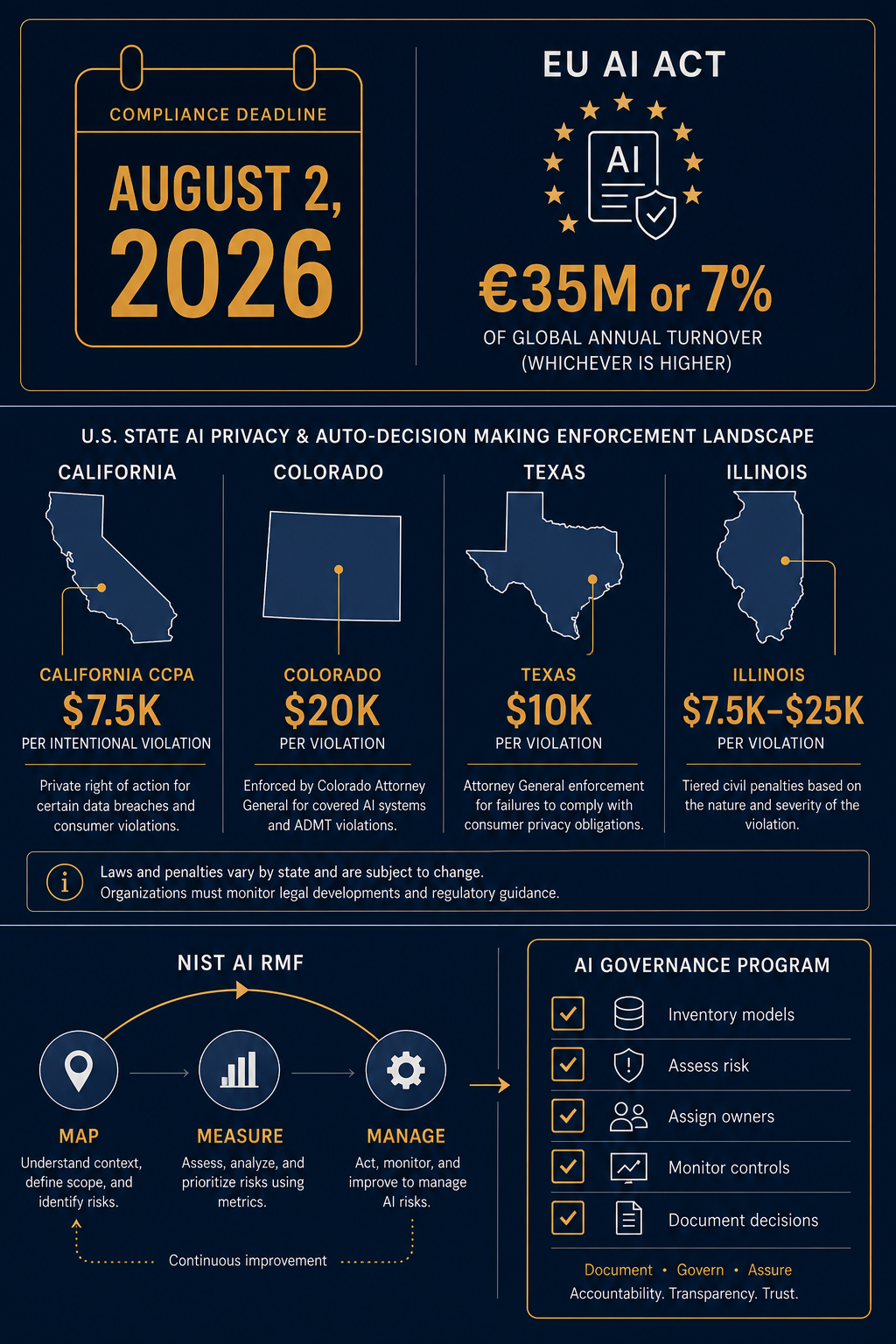
AI Compliance in 2026: Mapping the EU AI Act High-Risk Deadline, U.S. State Law Patchwork, and Federal Preemption Battle
A cross-jurisdictional reference for compliance officers, in-house counsel, and risk managers covering the binding August 2, 2026 EU AI Act high-risk obligations, the effective dates of major U.S. state AI laws, and the implications of the Trump administration's federal preemption executive order.
- UpdatedEffectiveAug 1, 2024
EU AI Act Compliance Obligations for Legal Professionals: A Structured Reference
A structured reference covering the EU AI Act's phased compliance deadlines, risk-tier obligations, and specific duties that apply to law firms, in-house counsel, and legal technology providers operating within the EU's regulatory scope.
 UpdatedEffectiveJul 20, 2026
Three categories define legal challenges to AI data center zoning
This article organizes the growing wave of AI data center zoning lawsuits into three distinct categories—community challenges, developer countersuits, and environmental/nuisance claims—with case-level detail, legal theory analysis, and outcome tracking for practitioners.
 UpdatedEffectiveAug 2, 2026
EU AI Act High-Risk Obligations Take Effect August 2, 2026
A deadline briefing for legal and compliance professionals on the EU AI Act's high-risk system obligations taking full effect August 2, 2026 — covering scope, penalties, extraterritorial reach, and the compliance actions needed within three weeks.
 Updated
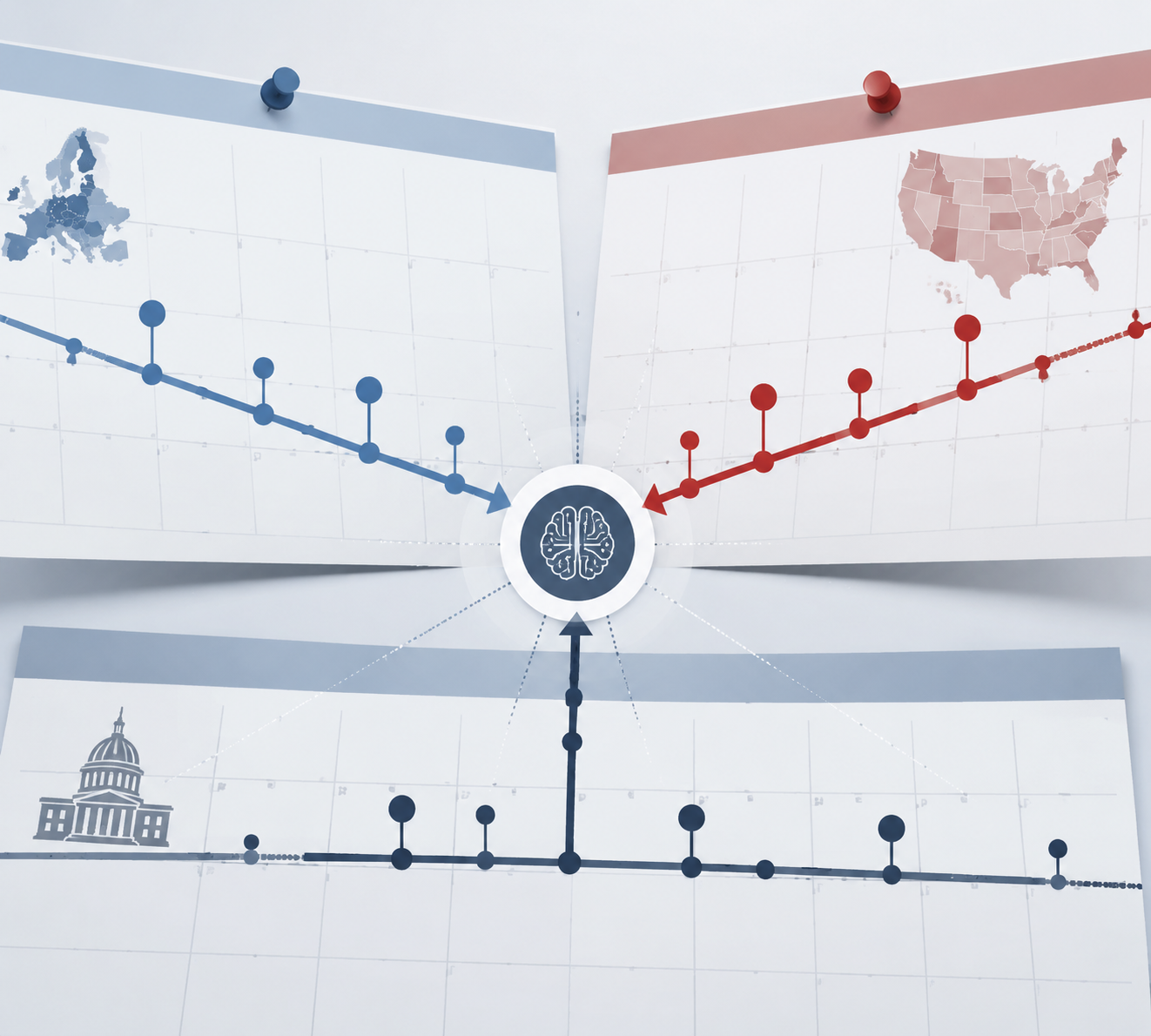
Track These AI Compliance Deadlines in 2026
A jurisdiction-by-jurisdiction reference consolidating every active and incoming AI regulatory deadline in 2026 — covering the EU AI Act, U.S. state laws, and federal actions — with penalty ranges and practical next steps for legal professionals.
 Updated
Who Is Liable When an AI Drone Strikes a Civilian?
Existing international criminal and state responsibility frameworks struggle to assign legal liability when an AI-enabled drone makes autonomous targeting decisions that result in civilian harm. This article examines the doctrinal gaps and evaluates proposed accountability models.
 Updated
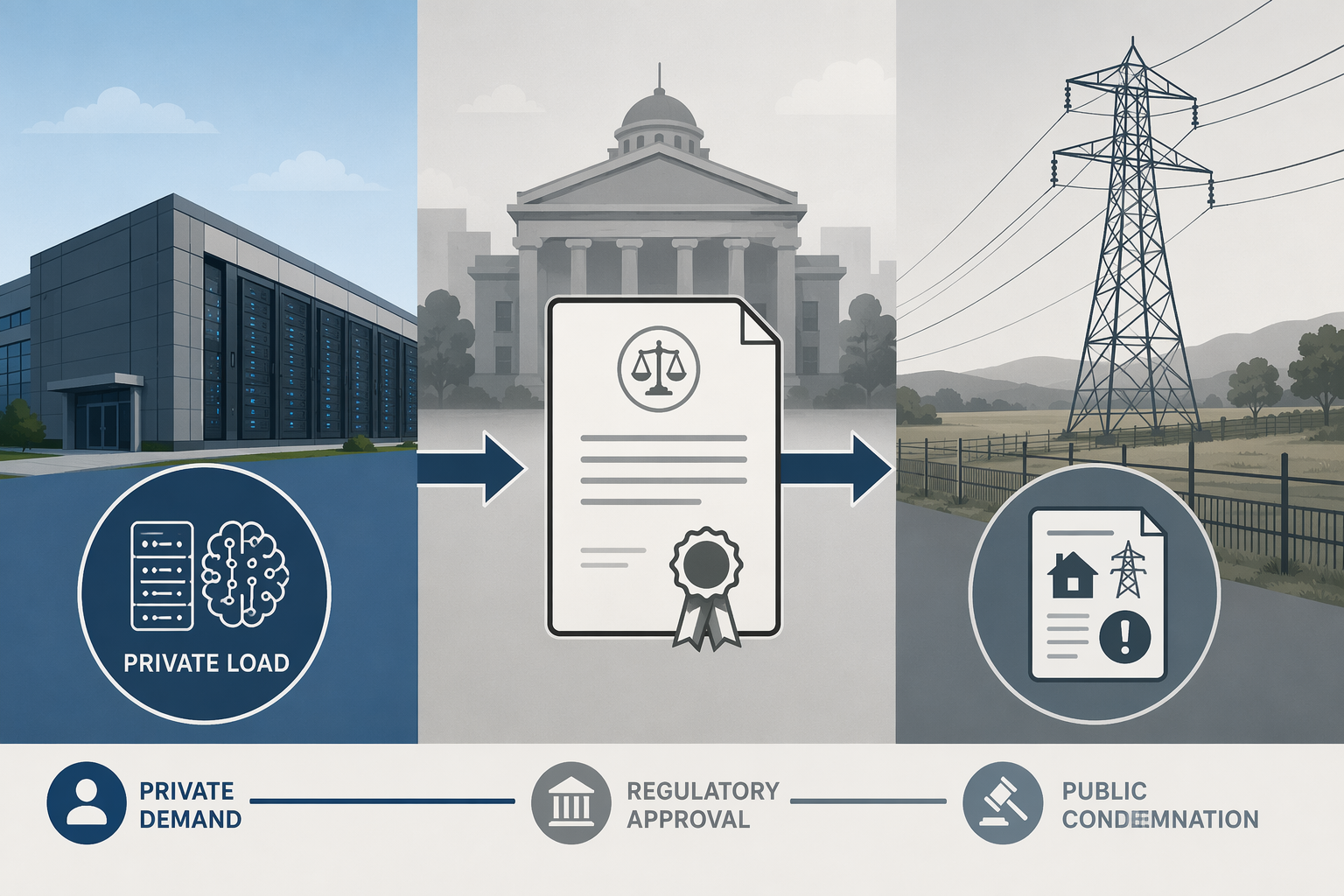
How Eminent Domain Law Applies to AI Data Center Power Lines
Legal challenges to AI data center transmission lines hinge on whether serving private technology companies qualifies as a 'public use' under state and federal eminent domain law. This article examines the constitutional framework, post-Kelo reform variations, and active disputes across six states as of mid-2026.
 UpdatedEffectiveAug 2, 2026
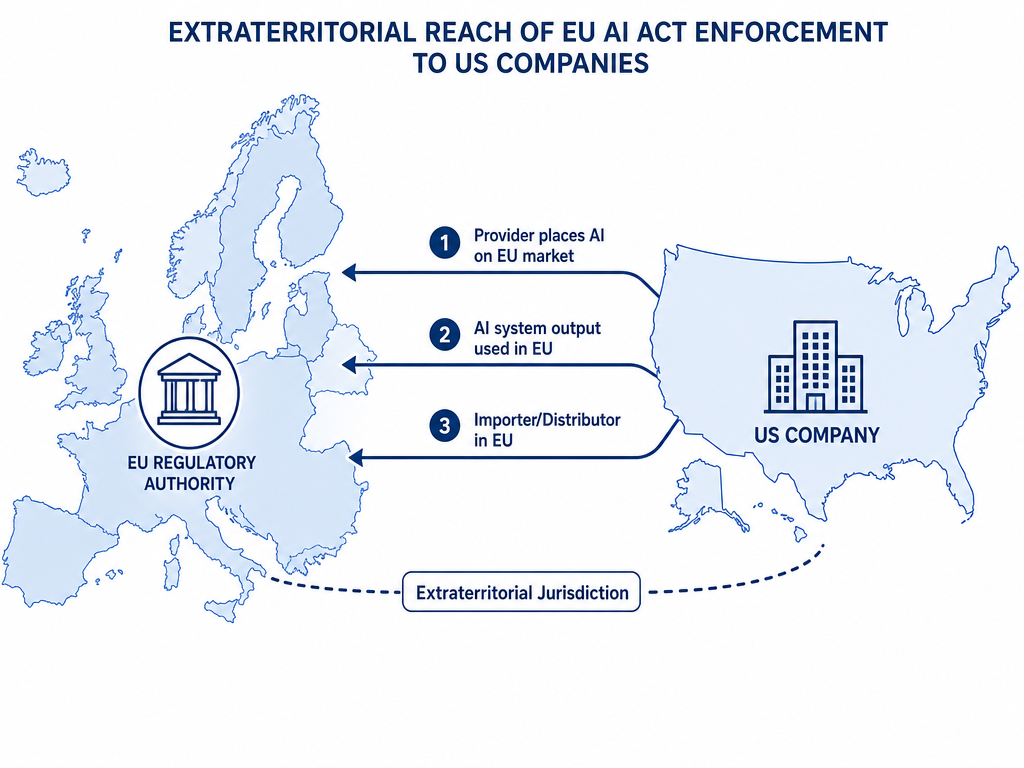
EU AI Act Penalties and Enforcement: A Practical Risk Assessment for US-Based Legal Teams
This article helps US-based in-house counsel and compliance officers understand their company's extraterritorial exposure under the EU AI Act, including the three-tier penalty structure, enforcement infrastructure, and practical compliance actions required before the August 2026 deadline.
- UpdatedEffectiveFeb 1, 2026
Colorado SB 205: AI Bill Overview, Obligations, and Current Status
Colorado SB 205, passed in 2024, established the first US state-level framework specifically regulating high-risk AI systems — creating developer and deployer obligations that directly affect legal technology vendors and compliance teams operating in the state.
 Updated
How the 2026 World Cup Exposes AI Regulation Gaps
This analysis examines how the semi-automated offside technology (SAOT) and VAR at the 2026 World Cup operate without the transparency, oversight, or redress mechanisms that the EU AI Act would require for high-risk AI systems, revealing a structural regulatory vacuum that extends beyond sports governance.
 Updated
When does AI screen time enforcement violate student rights?
Two 2025 federal lawsuits challenge school districts using Gaggle's AI platform to monitor student devices 24/7, raising First Amendment prior restraint, Fourth Amendment unreasonable search, and due process claims. This article examines the constitutional boundaries courts are drawing around algorithmic student surveillance and what the outcomes could mean for all K-12 AI enforcement tools.
 UpdatedEffectiveDec 2, 2027
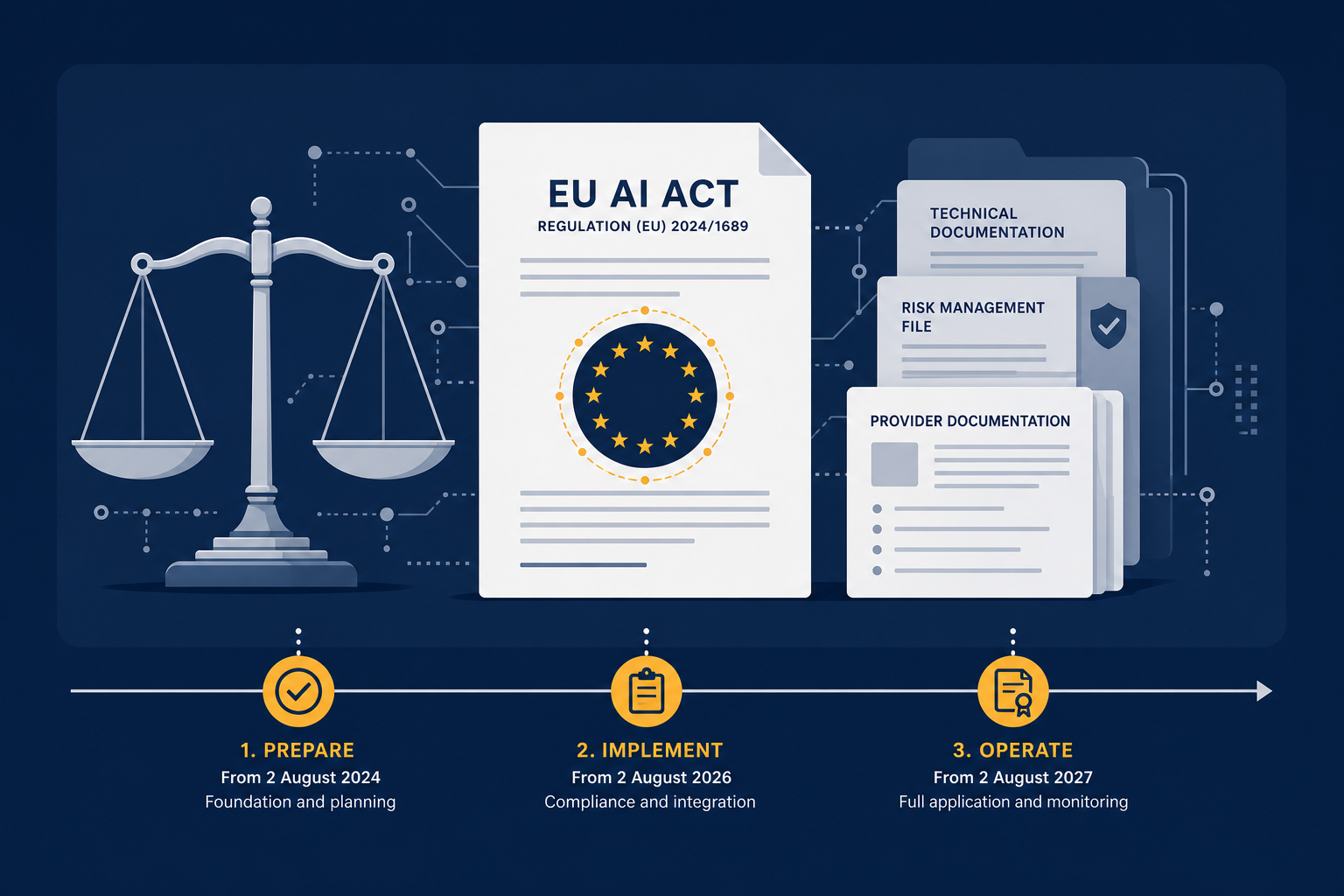
EU AI Act High-Risk AI Obligations for Legal Services: A Deployer's Guide for Law Firms and Legal Departments
Law firms and legal departments using AI tools in 2026 are primarily EU AI Act deployers — not providers — and face a concrete set of obligations under a framework whose Annex III high-risk enforcement has been deferred to December 2, 2027 by the May 2026 Digital Omnibus agreement, while AI literacy, prohibited practices, and Article 50 transparency rules are already in force. This reference entry maps which obligations apply to legal organizations now, explains the contested Annex III point 8(a) gray zone for legal AI tools, and provides a structured compliance timeline for attorneys, in-house counsel, and legal ops leaders with EU operations or EU-client exposure.
 UpdatedEffectiveSep 26, 2019
The 2019 ESA Rule Changes Explained for Legal Professionals
Environmental attorneys and compliance counsel need a precise legal reference for the three August 2019 Endangered Species Act final rules. This entry details each rule's regulatory text changes, statutory basis, and current enforceability status after the March 2026 merits ruling.
- UpdatedEffectiveAug 2, 2026
EU AI Act High-Risk AI Systems: Obligations for Legal Practice and Compliance Teams
A structured reference covering which EU AI Act obligations apply to high-risk AI systems deployed in legal practice, what compliance steps are required by each phase-in deadline, and what legal practitioners and legal technology deployers must do to stay within scope.
- UpdatedEffectiveJul 29, 2024
ABA Formal Opinion 512: What Generative AI Ethics Rules Actually Require of Attorneys
ABA Formal Opinion 512, issued in July 2024, is the ABA Standing Committee on Ethics and Professional Responsibility's first comprehensive guidance on generative AI use by lawyers. This entry records its obligations, scope, and practical implications across competence, confidentiality, supervision, and candor duties.
- Updated
AI Adoption in Law Firms: What the 2024 Survey Data Says About Attorney Competence Obligations
An analysis of documented AI adoption patterns in US law firms through 2024, examining how usage rates intersect with attorney competence obligations under ABA Model Rule 1.1 and state bar ethics guidance — with specific attention to where adoption has outpaced verification practices.
 UpdatedEffectiveJan 1, 2027
DMA Forces Google to Share Search Data and Open Android to AI
The European Commission's July 2026 specification measures under the Digital Markets Act require Google to open Android to rival AI assistants by July 2027 and share anonymized search data with third-party search engines and AI chatbots by January 2027. This regulatory-tracker entry examines the scope, legal basis, and practical implications for AI competition and legal compliance.
 Updated
What AI Jitters Mean for Law Firm Financial Strategy
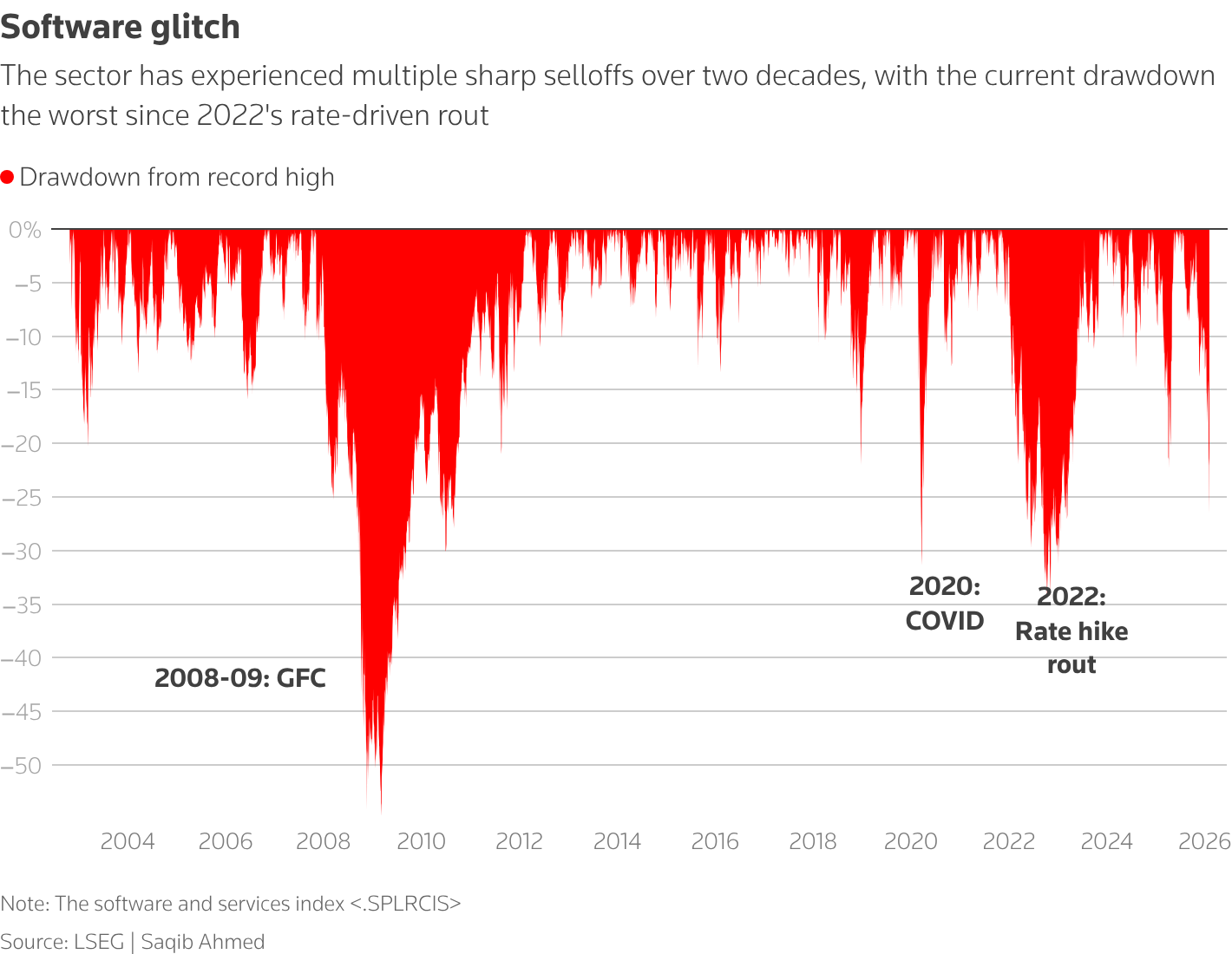
The February 2026 AI-driven stock selloff that wiped $830 billion from global software stocks was more than a market overreaction — it exposed structural vulnerabilities in law firm business models. This article analyzes why the same forces that punished Thomson Reuters, RELX, and Wolters Kluwer threaten firms that have increased technology spending by 39.3% since 2021 while revenue growth remains tied to rate hikes rather than efficiency.
 UpdatedEffective
California's AI Ethics Rulemaking: How Six Proposed Rule Amendments Would Make 'Should' Into 'Must'
California has moved further than any other state toward binding attorney AI ethics obligations, with the California Supreme Court directing COPRAC to codify AI guidance into six proposed amendments to the Rules of Professional Conduct. This article traces the regulatory arc from the 2023 Practical Guidance through the 2026 proposed amendments, explains the practical compliance implications of each 'should-to-must' shift, and clarifies what is already binding versus still pending for California attorneys and law firm compliance officers.
- UpdatedEffectiveJan 1, 2024
Florida Bar AI Ethics Opinion: Attorney Competence and Confidentiality Requirements
The Florida Bar's 2024 ethics opinion on AI use addresses attorney competence, client confidentiality, and supervision obligations when deploying AI tools in legal practice. This entry records the opinion's scope, key obligations, and primary source reference.
EU
No obligations tracked yet in this scope.