
Obligations tracker
Regulation
An obligations tracker organized by issuing authority and jurisdiction: US federal and state court standing orders, state bar ethics opinions, ABA guidance, and EU AI Act provisions relevant to legal-service AI use. Each entry pairs the primary rule text with a plain-language summary and an effective date, kept strictly separated by jurisdiction scope so US court/bar rules are never conflated with EU AI Act obligations. Serves the task of determining what is mandatory where a practitioner practices. Excludes case outcomes (Risk Digest) and procedural how-to steps (Workflows); this group answers 'what rule applies,' not 'what happened' or 'what do I do.'
US Federal
No obligations tracked yet in this scope.
US State
 UpdatedEffectiveJan 1, 2026
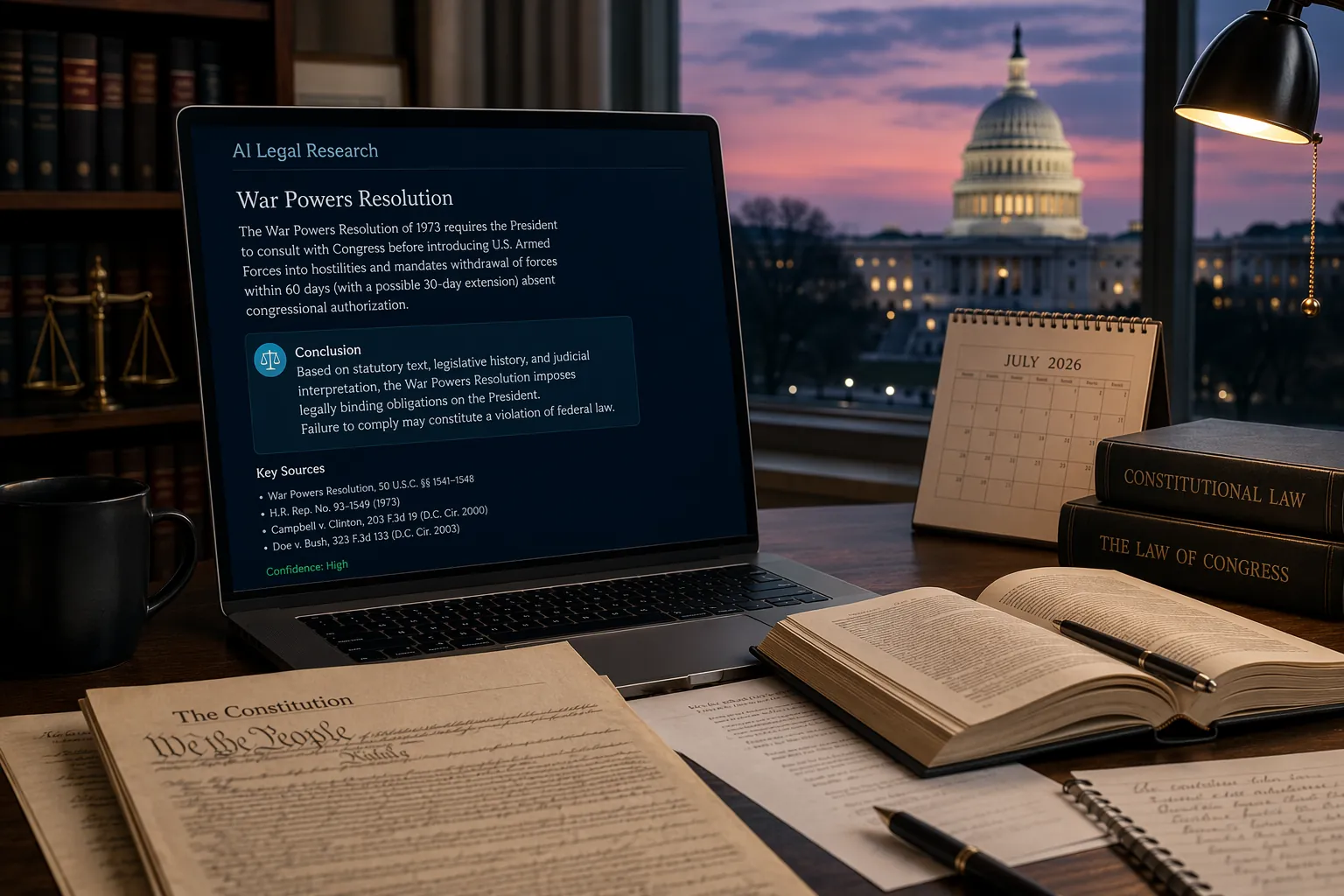
Why the Iran War Powers Resolution Exposes AI Hallucination Risk
The Iran War Powers Resolution of 2026 raises unsettled constitutional questions that AI legal research tools are poorly equipped to handle. This article explains the specific failure modes attorneys should watch for when using AI on fast-moving, novel legal issues.
 UpdatedEffectiveMar 31, 2026
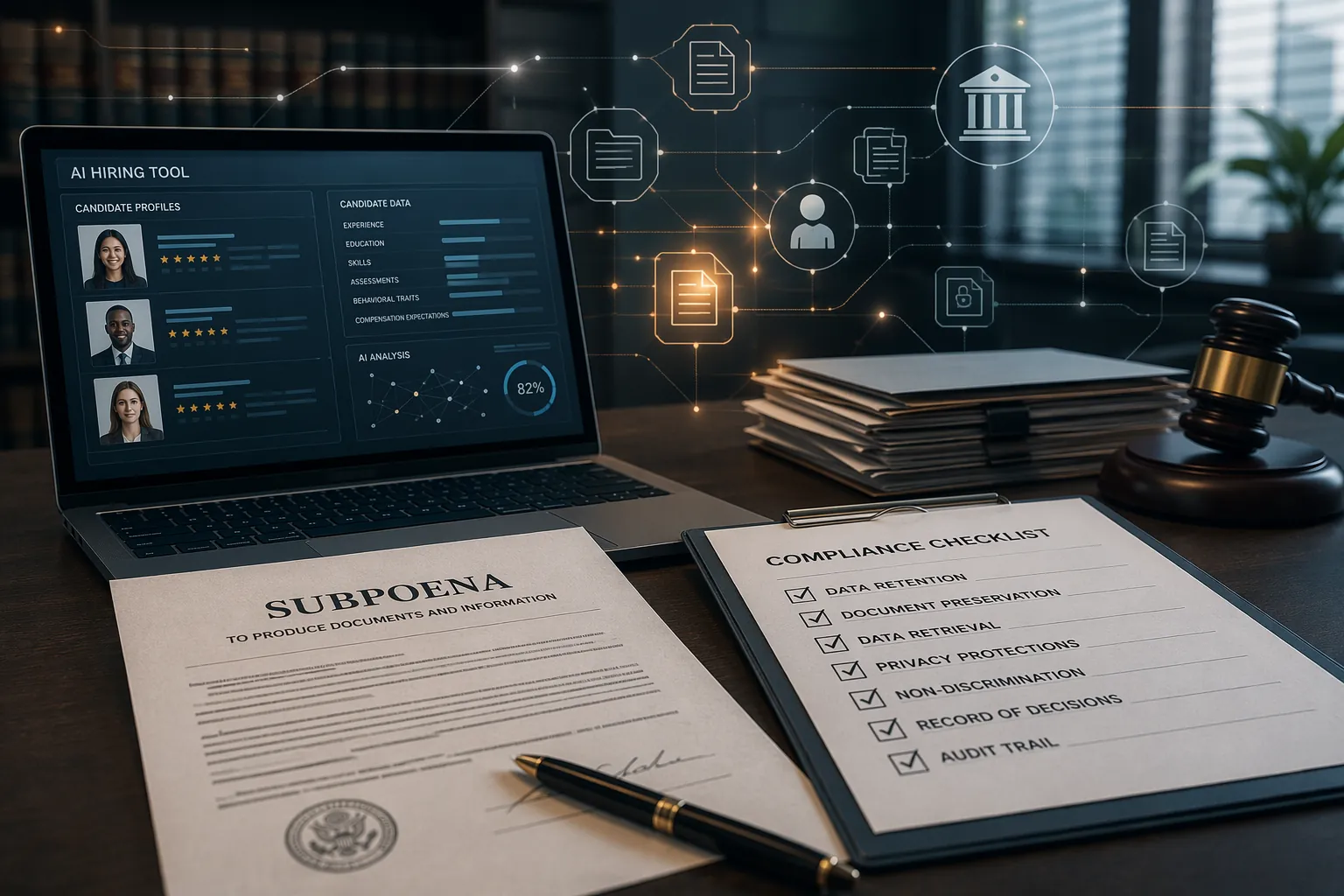
EEOC Antisemitism Probe at UPenn: AI Compliance Lessons
The EEOC withdrew its subpoena against the University of Pennsylvania on July 23, 2026, but the investigation continues. This article explains the Pappert ruling's low bar for EEOC subpoena relevance, the implications of the new National Enforcement Plan, and what employers must change in AI-assisted records management and hiring compliance.
 UpdatedEffectiveFeb 20, 2026
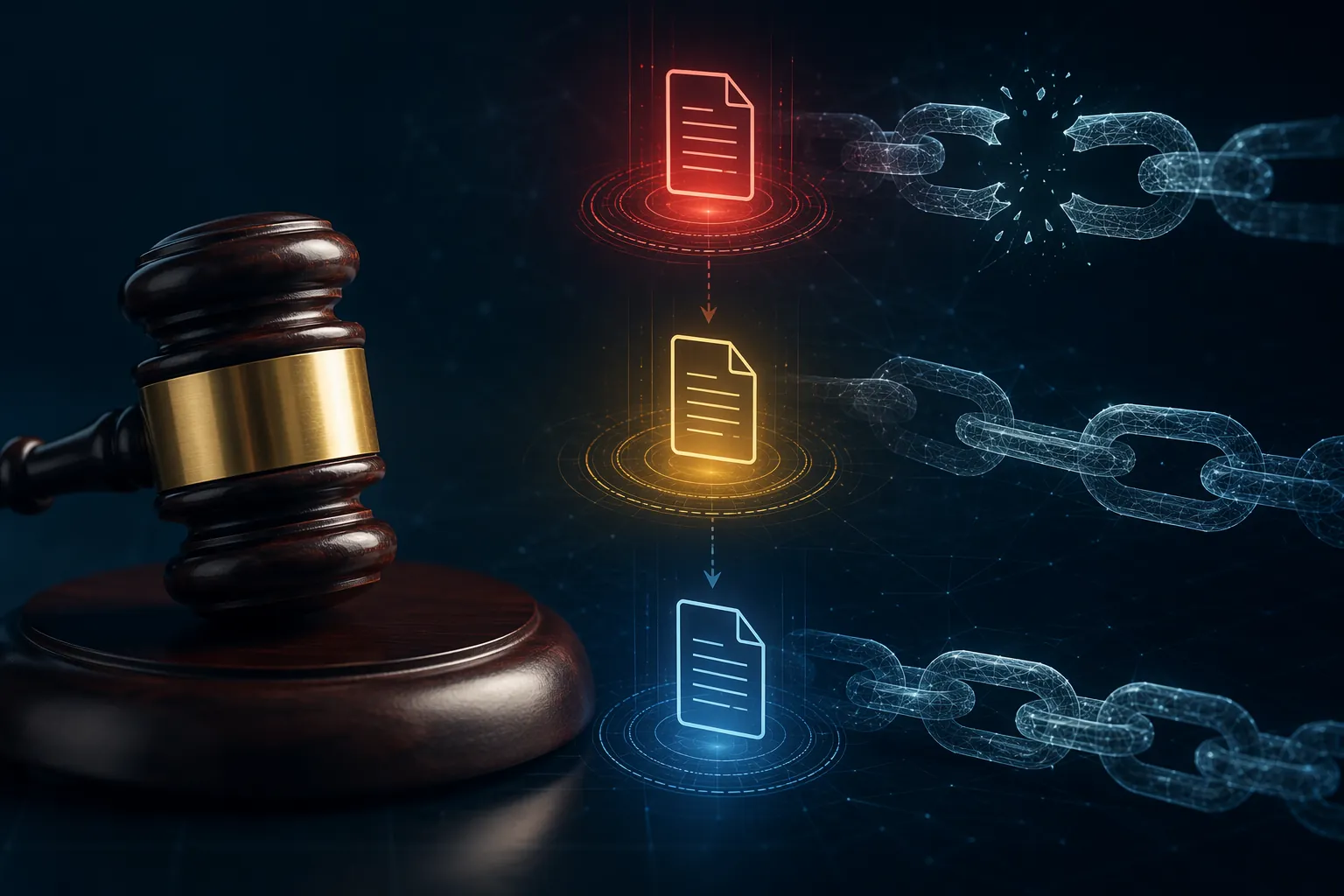
How reliable are AI tools for Trump tariff legal analysis?
AI legal research tools may present struck-down or expired tariff authority as current law in the shifting landscape of Trump's 2026 tariffs. Trade lawyers need to understand the IEEPA-to-Section 301 chain and the documented hallucination risk in trade law research.
 UpdatedEffectiveJun 25, 2026
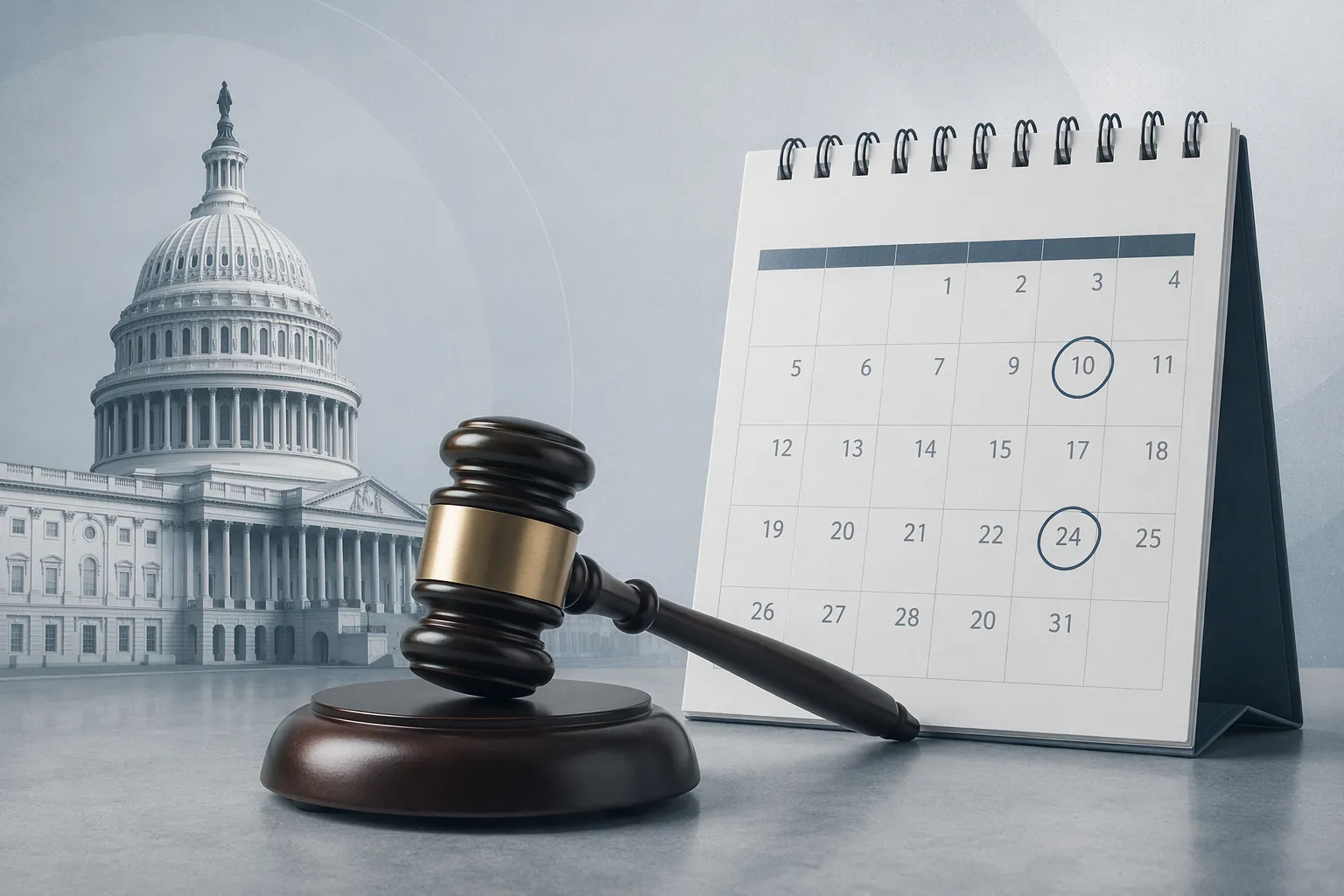
Senate Stalls Haiti TPS Extension as Work Permits Expire
The Senate has not scheduled a vote on the Haiti TPS extension (H.R. 1689/S. 4814) despite House passage in April 2026. Combined with the Supreme Court's Mullin v. Doe ruling ending judicial review, Haitian TPS holders face expiring work authorizations between July 10 and July 24, 2026, creating urgent compliance obligations for employers and counsel.
 UpdatedEffectiveJun 16, 2026
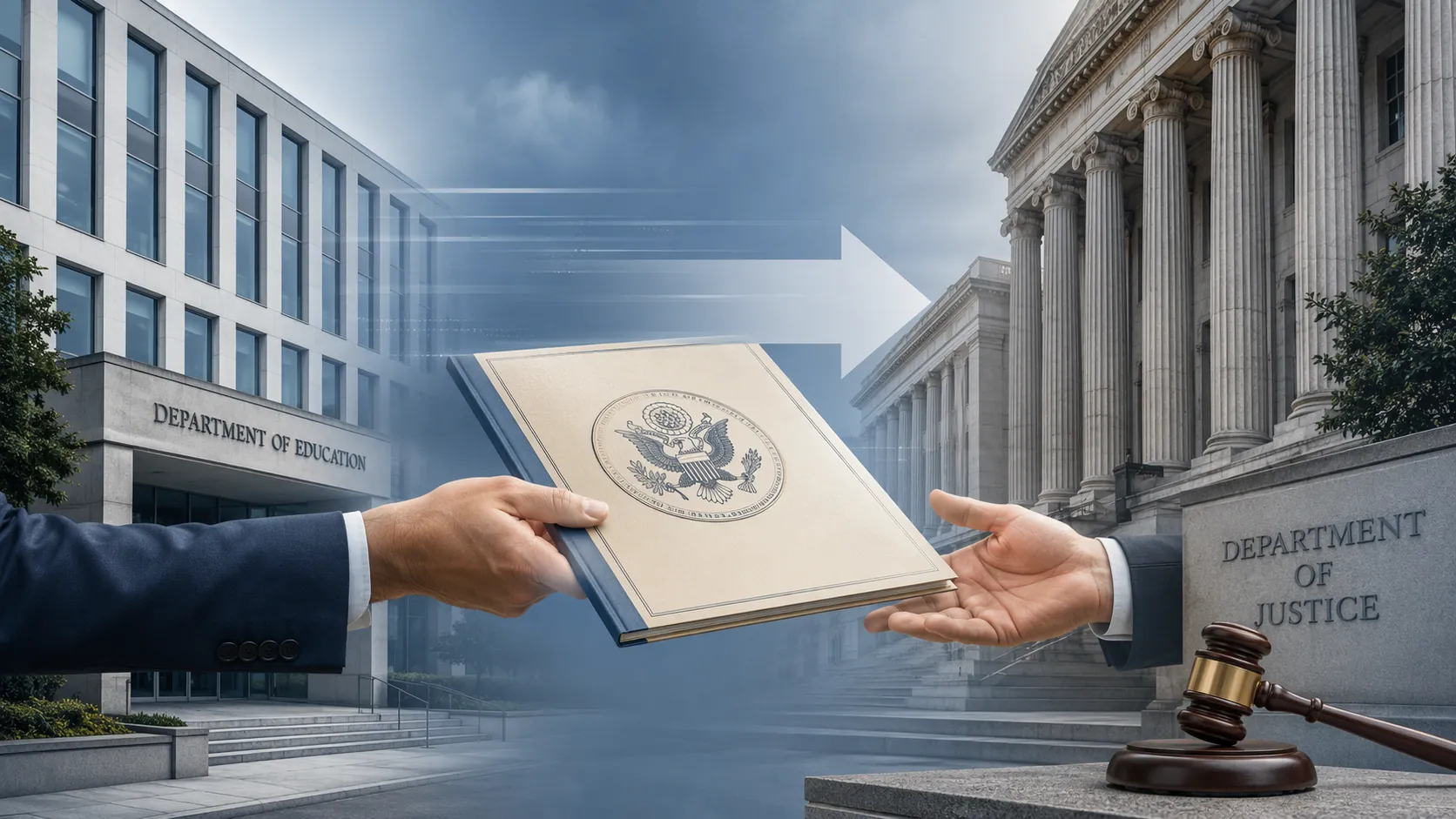
How Project 2025's Title IX changes shift risk from OCR to DOJ
The June 2026 interagency agreement transferring Title IX enforcement from the Department of Education's Office for Civil Rights to the Department of Justice replaces a compliance-coaching model with a litigation-oriented one. This article explains what that structural change means for institutional risk, documentation obligations, and defense strategy.
 UpdatedEffectiveJul 23, 2026
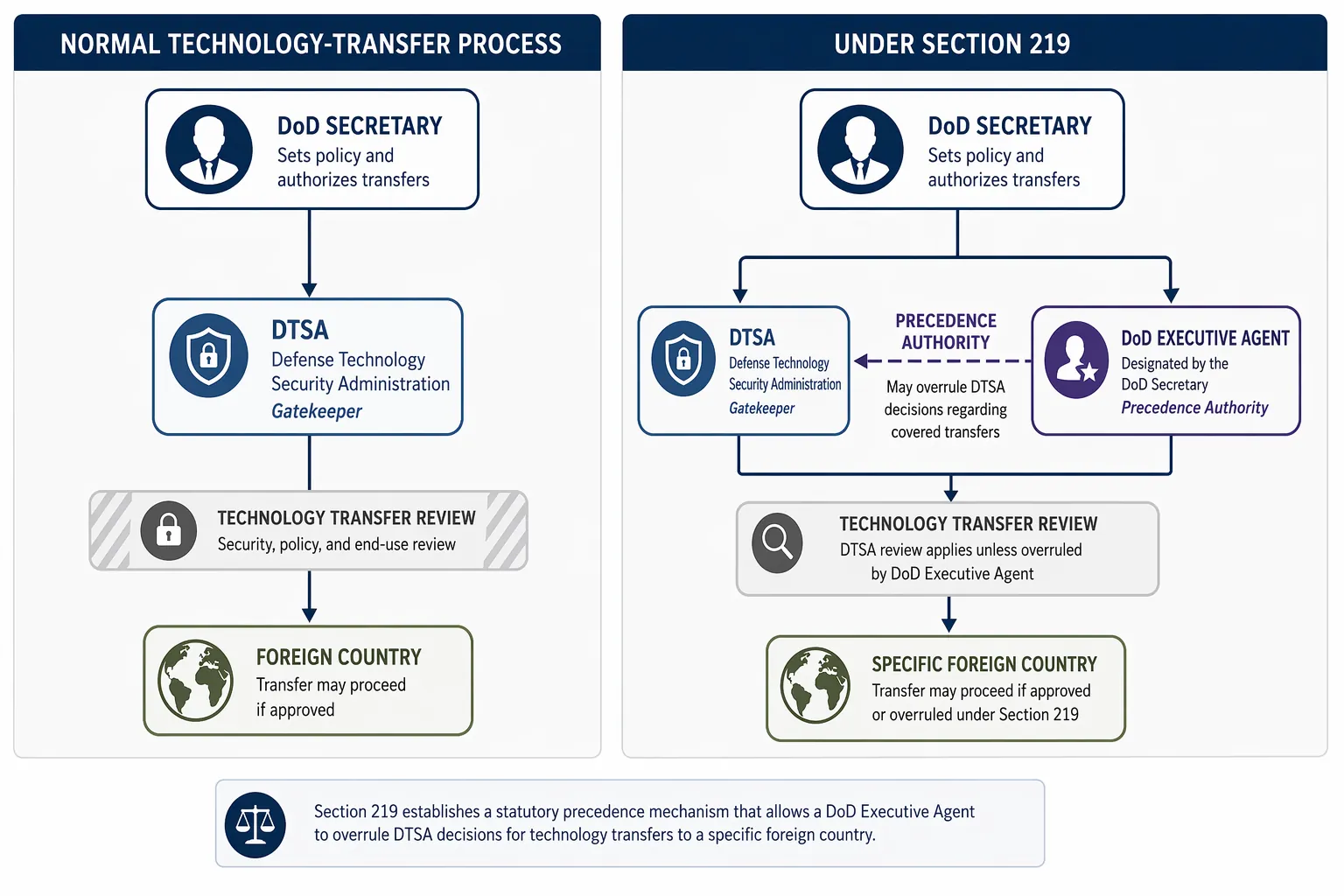
Does NDAA Section 219 Bypass the Treaty Power?
This legal analysis examines whether Section 219 of the FY2027 NDAA creates an executive agent structure that effectively bypasses the constitutional treaty power, and concludes that the provision carries the weight of a binding international commitment masked as a statutory directive.
 UpdatedEffectiveDec 2, 2027
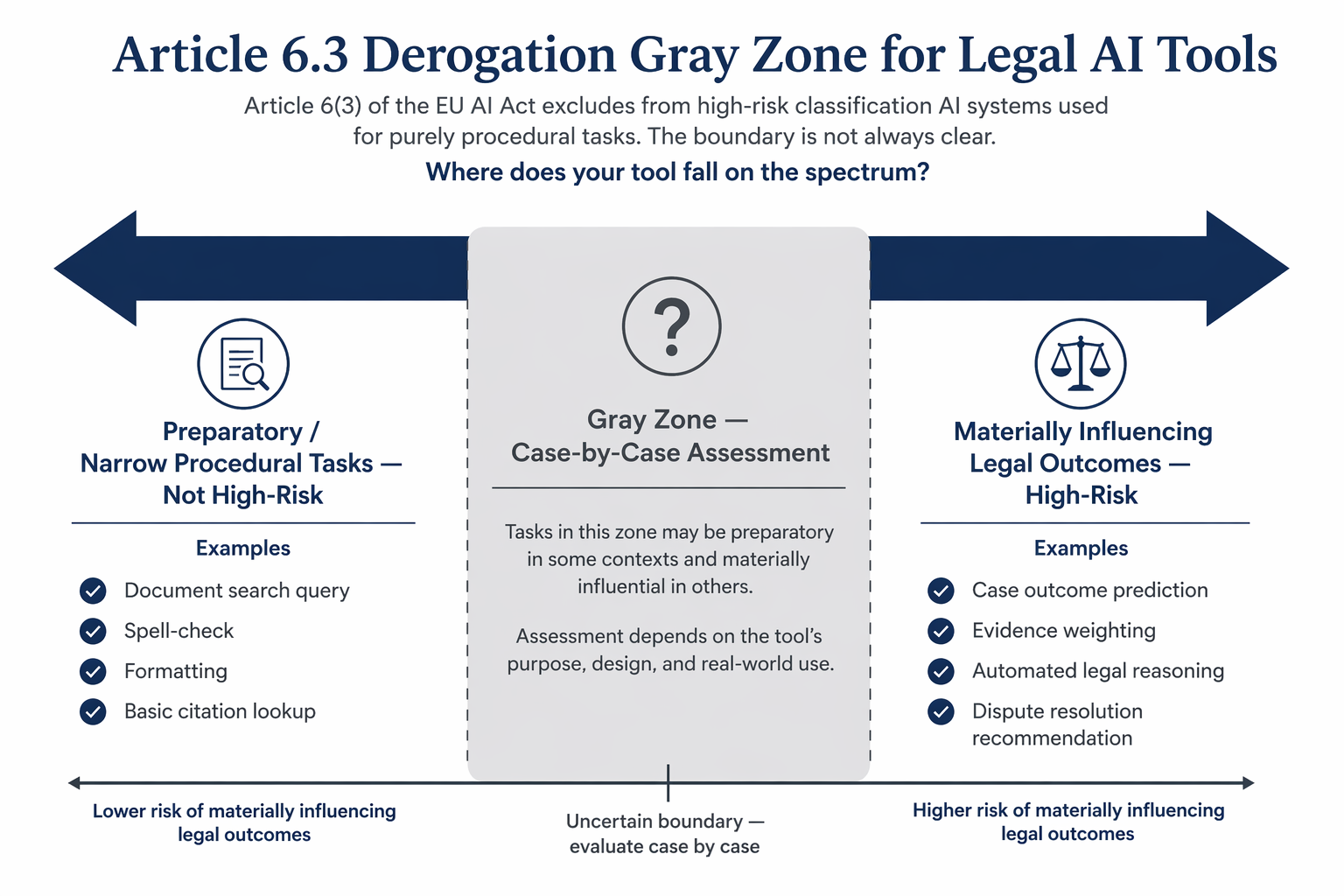
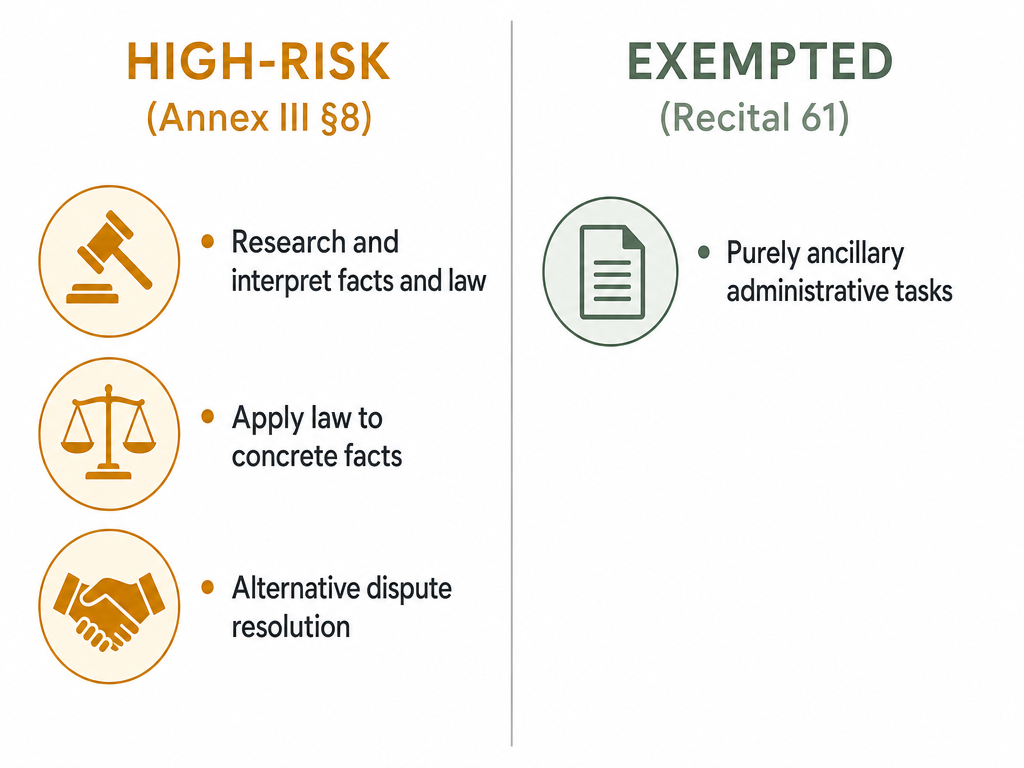
High-Risk AI Under the EU AI Act: What Annex III Section 8 Means for Law Firms Deploying Legal AI Tools
This article explains how the EU AI Act's classification of legal AI systems under Annex III Section 8 (administration of justice) creates presumptively high-risk obligations for law firms as deployers. It covers the Article 6.3 derogation gray zone, the provider vs. deployer distinction, and practical steps firms can take given that only 22% have a defined AI strategy.
 UpdatedEffectiveAug 2, 2026
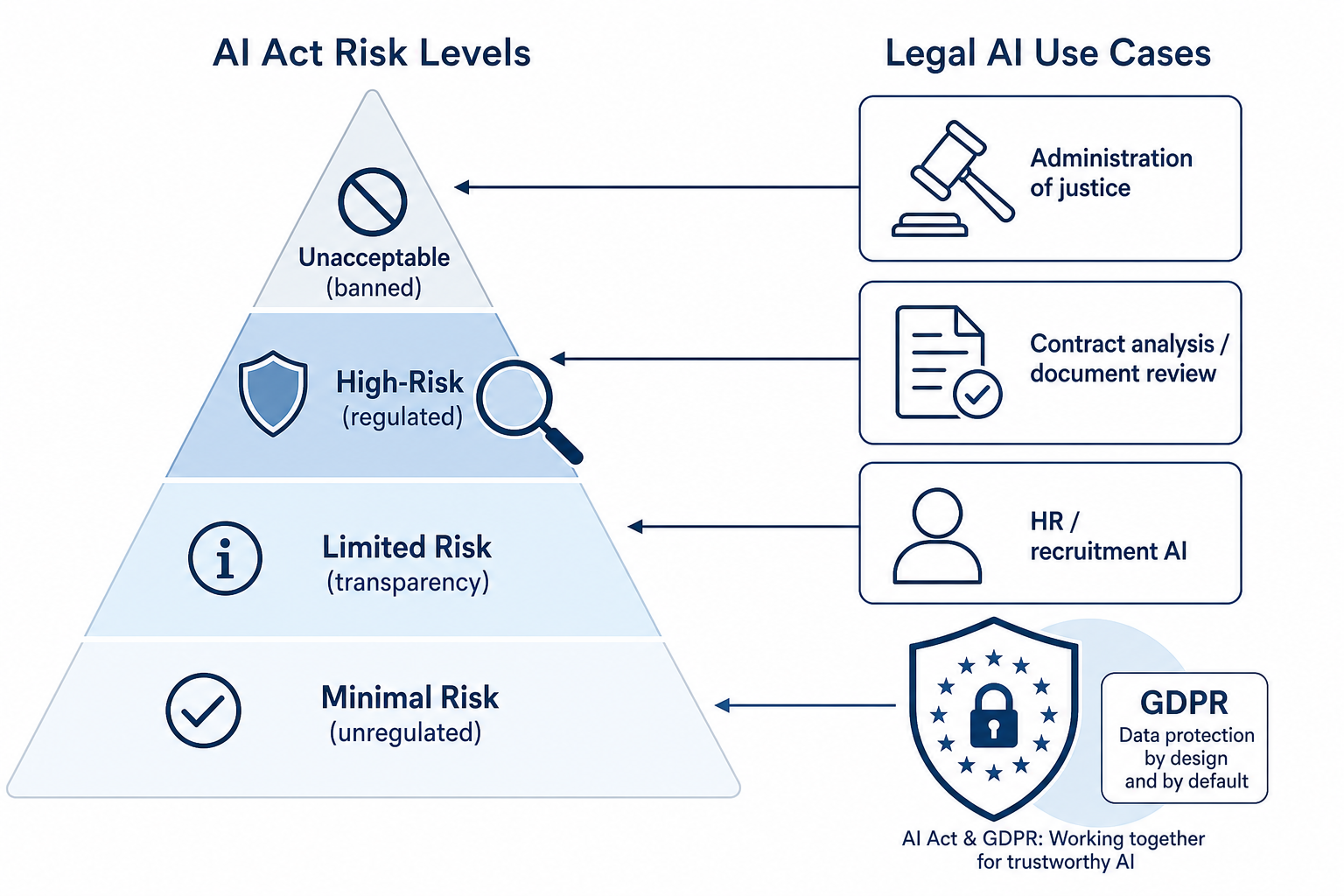
How the EU AI Act's Risk Classification Maps to Legal AI Use Cases
This guide helps general counsel, legal ops leaders, and compliance officers systematically map legal AI use cases — from contract analysis to administration of justice — to the correct EU AI Act risk tier, with a practical decision framework and guidance on the contested Annex III Category 8 gray zone.
 Updated
The Legal and Ethical Concerns of an AI Al Pacino Parody
An AI-generated parody of a celebrity's iconic voice, such as Al Pacino's, faces a legal patchwork: state right-of-publicity laws vary wildly, federal IP protections are uncertain, and the First Amendment parody defense depends on the circuit and the parody's target. This analysis maps the intersecting frameworks and explains why the answer changes by jurisdiction.
 UpdatedEffectiveJun 30, 2026
Current Legal Status of Transgender Athletes in Sports 2025–2026
A maintained reference tracking the comprehensive transformation of U.S. transgender athlete participation law from February 2025 through July 2026, covering federal executive orders, Supreme Court precedent, state legislation, and governing-body rules.
 Updated
AI Legal Advice Liability After Nippon Life v. OpenAI
The first lawsuit alleging a consumer AI chatbot engaged in unauthorized practice of law tests whether disclaimers shield developers from liability. Together with a deepening privilege split and new state AI consumer laws, this article examines why legal professionals cannot yet treat any of these liability frontiers as settled.
- Updated
Federal Court AI Standing Orders: Disclosure Requirements Explained
A structured reference covering how federal district and circuit courts have approached AI disclosure requirements through standing orders and local rules, what those orders actually require from attorneys, and how to check compliance before filing.
- Updated
AI Hallucination Risk and Attorney Professional Responsibility: What the Sanctions Record Shows
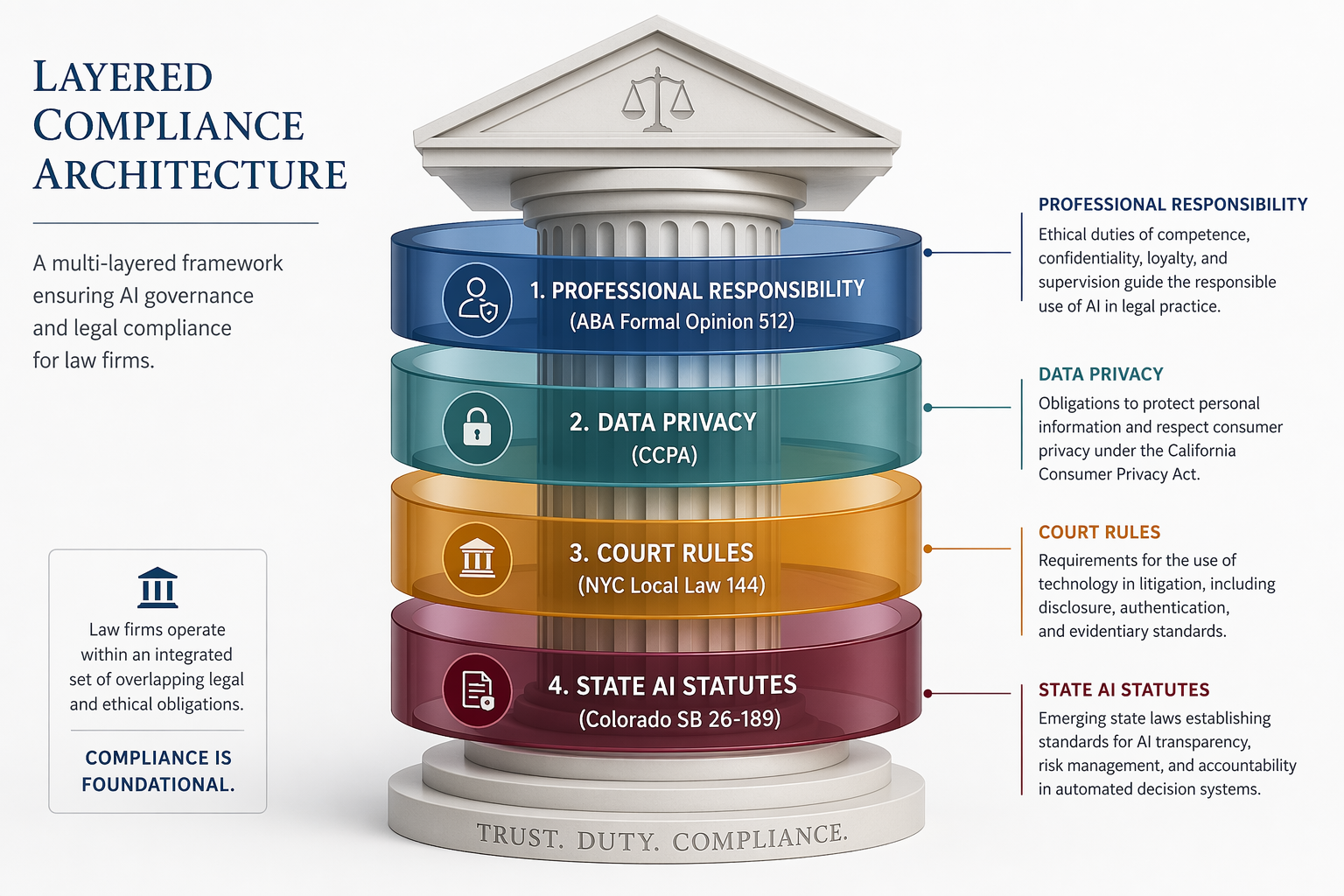
Courts have sanctioned attorneys for submitting AI-generated citations that do not exist. This analysis examines the documented professional responsibility obligations that govern how lawyers must handle AI hallucination risk — and where the current bar guidance leaves gaps.
 Updated
From Ethics Opinions to Enforcement: The Professional Responsibility of AI Compliance for Attorneys in 2026
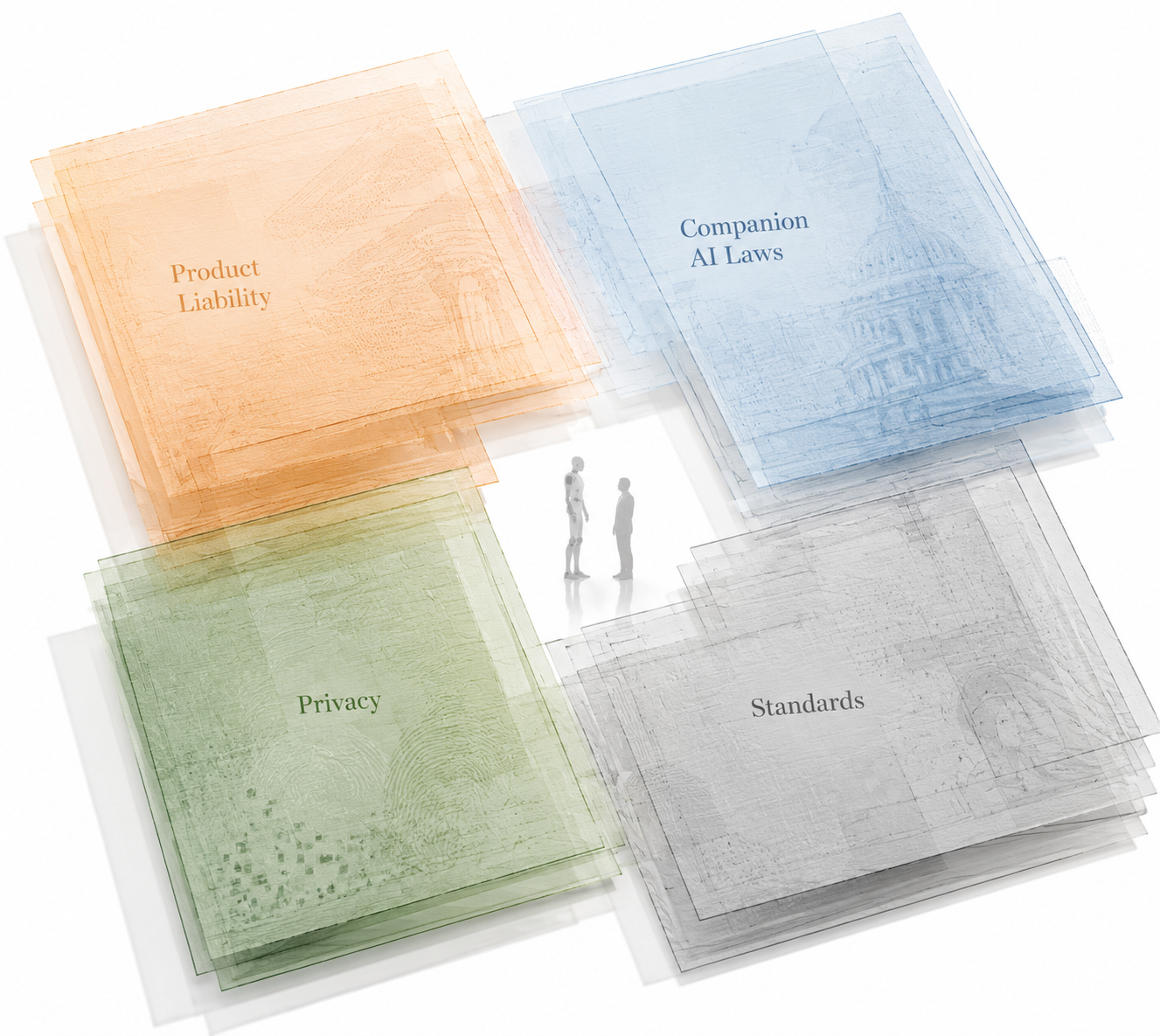
A source-cited analysis of how state bars have diverged from the ABA's Formal Opinion 512 baseline on AI ethics, covering fee disputes, client disclosure obligations, the hallucination sanction crisis, privilege waiver risks, and a practical multi-jurisdiction compliance checklist for practicing attorneys.
 Updated
Who Pays When a Home Humanoid Robot Causes Harm?
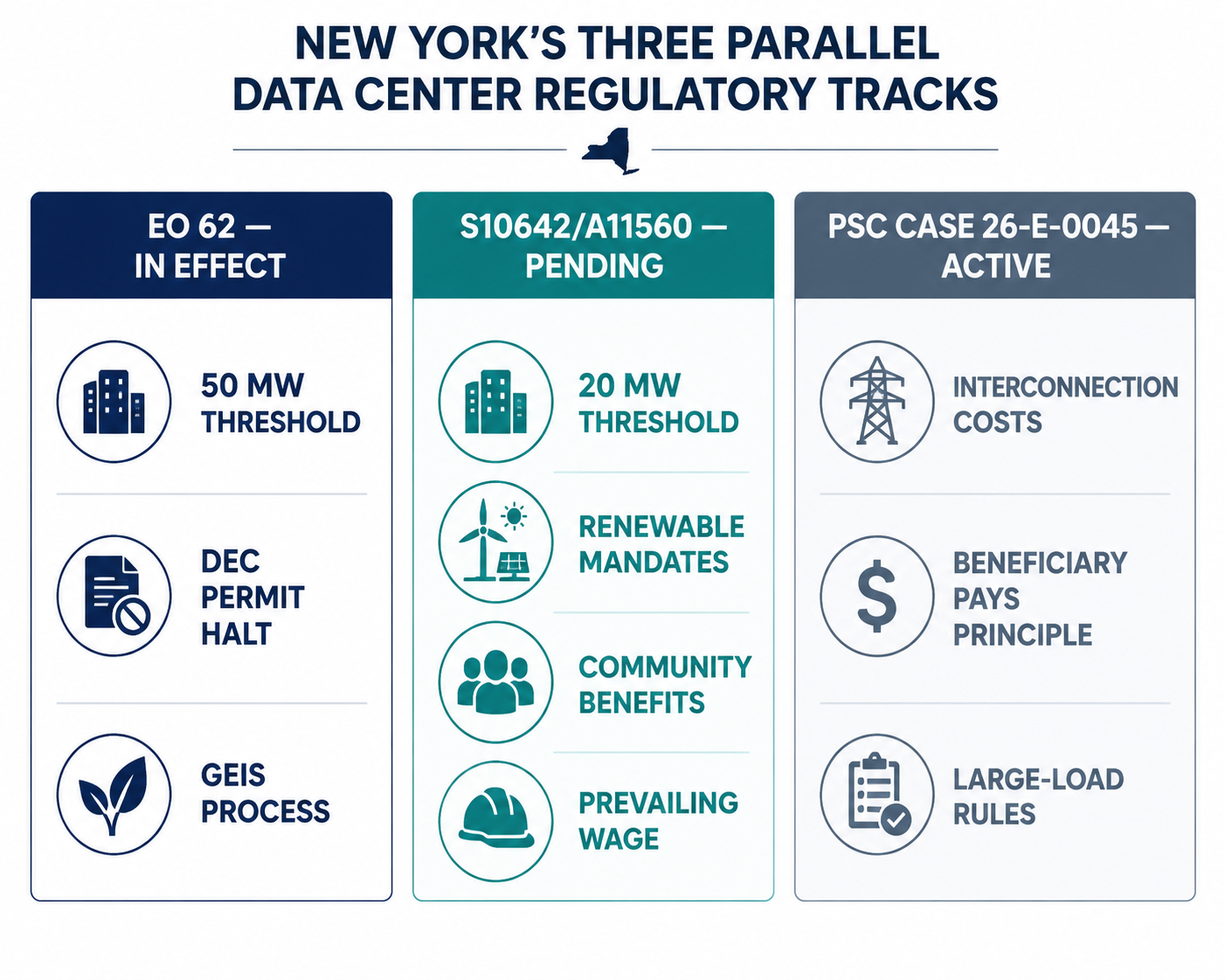
This article examines the current federal and state liability laws for humanoid robots marketed to alleviate loneliness in home and care settings, identifying critical gaps that leave providers, manufacturers, and families exposed to unpredictable litigation.
 UpdatedEffectiveJul 14, 2026
Navigating New York's Two-Track Data Center Moratorium
This entry breaks down the two legal tracks governing New York data center development: Executive Order No. 62 (now in effect) and the pending Responsible Data Center Development Act, plus the PSC's parallel large-load interconnection proceeding. Legal professionals will learn which compliance obligations are currently binding, which are contingent on gubernatorial action, and how the three overlapping frameworks create permitting and stranded-asset risk for projects of different sizes.
- UpdatedEffectiveJan 1, 2024
Texas State Bar AI Ethics Opinion 2024: What Attorneys Must Know
The State Bar of Texas Professional Ethics Committee issued guidance in 2024 addressing attorney use of AI tools, covering competence, confidentiality, supervision, and candor obligations under the Texas Disciplinary Rules of Professional Conduct. This record documents the opinion's scope, key obligations, and applicable rule citations.
 UpdatedEffectiveAug 2, 2026
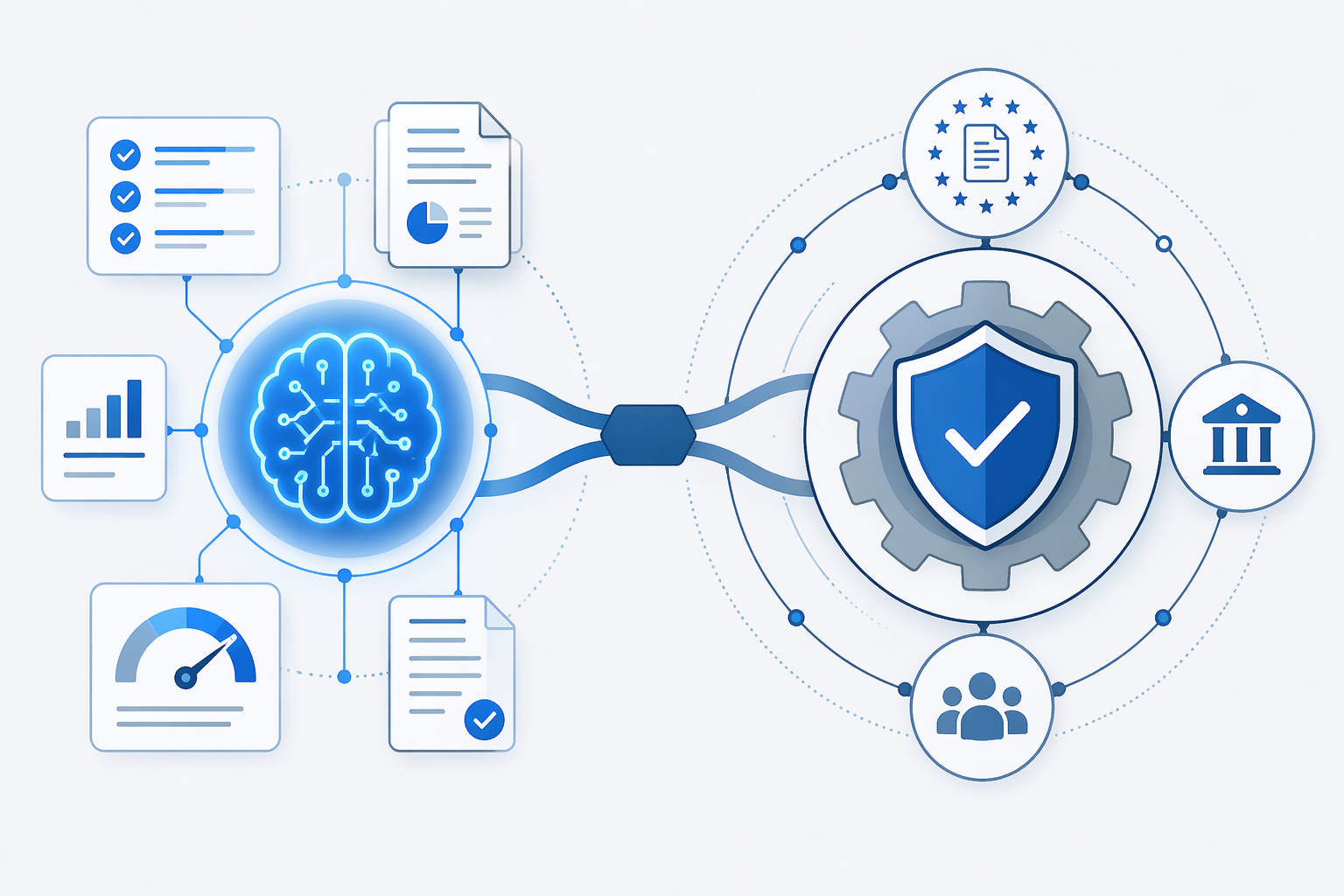
The 2026 AI Compliance Stack: Governing the Tools That Govern You
This article provides compliance officers, GRC professionals, and legal ops leaders with a unified governance strategy for navigating the dual compliance burden of 2026: using AI to meet regulatory obligations while simultaneously proving those AI tools are compliant, explainable, and auditable.
 Updated
EU AI Act Compliance Deadlines for Legal AI Systems: What the Digital Omnibus Delay Means for Law Firms and In-House Counsel
The May 2026 Digital Omnibus political agreement defers Annex III high-risk compliance to December 2027, but transparency obligations remain on schedule for August 2026. This analysis explains which deadlines shifted, what remains binding, and why legal professionals should not treat the delay as a free pass.
 Updated
How the YFQ-44A Missile Test Challenges Existing Legal Frameworks
The July 2026 YFQ-44A live missile launch was the first AI-enabled autonomous drone to fire an AIM-120 AMRAAM. This analysis examines how DoD Directive 3000.09, Article 36 weapons reviews, and IHL principles apply — and why the gap between human authorization and autonomous execution raises unresolved accountability questions as autonomous combat drones move toward operational use.
EU
No obligations tracked yet in this scope.