
Obligations tracker
Regulation
An obligations tracker organized by issuing authority and jurisdiction: US federal and state court standing orders, state bar ethics opinions, ABA guidance, and EU AI Act provisions relevant to legal-service AI use. Each entry pairs the primary rule text with a plain-language summary and an effective date, kept strictly separated by jurisdiction scope so US court/bar rules are never conflated with EU AI Act obligations. Serves the task of determining what is mandatory where a practitioner practices. Excludes case outcomes (Risk Digest) and procedural how-to steps (Workflows); this group answers 'what rule applies,' not 'what happened' or 'what do I do.'
US Federal
No obligations tracked yet in this scope.
US State
 UpdatedEffectiveJul 20, 2026
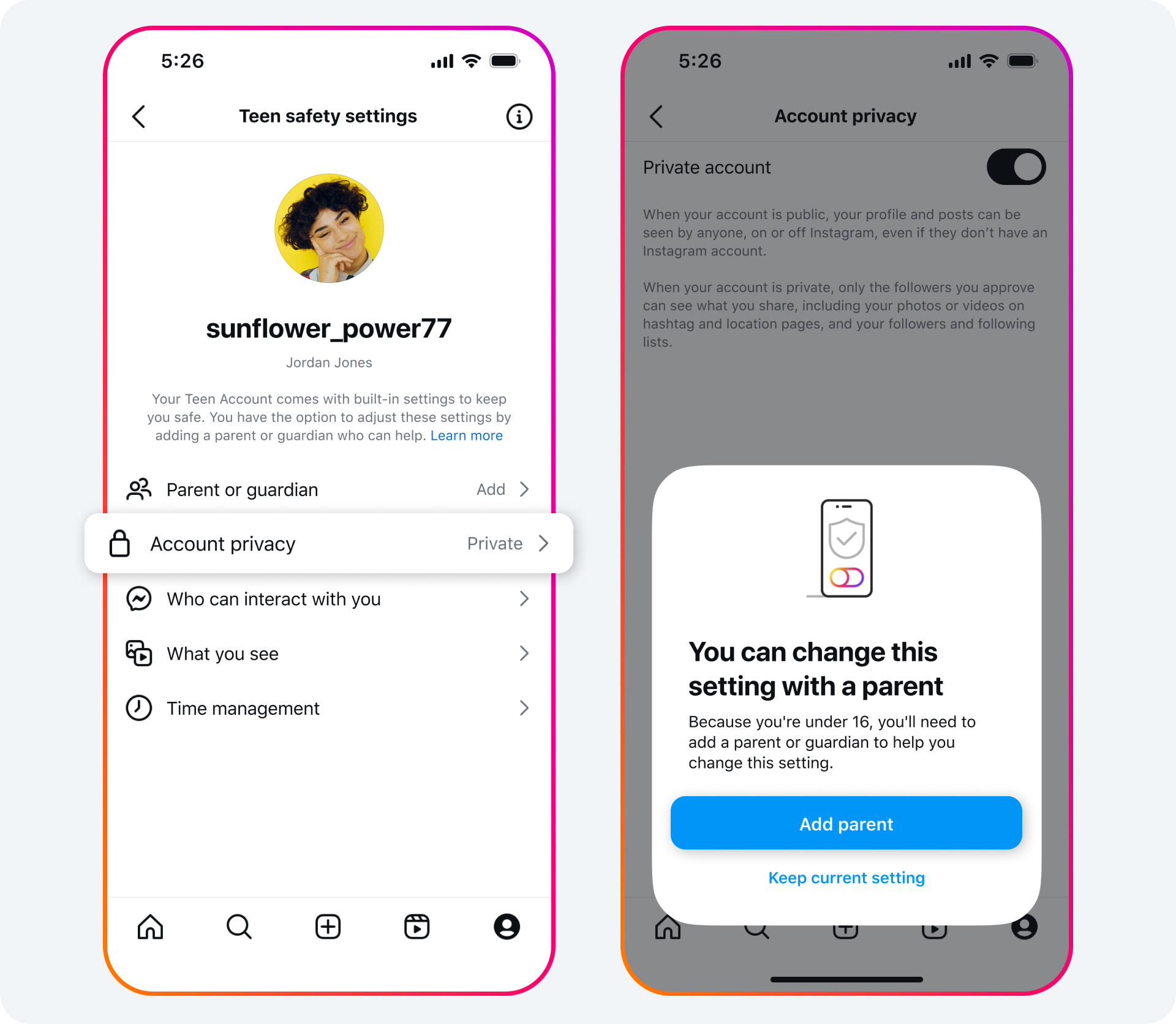
Do Instagram Teen Account Settings Comply with State Privacy Laws?
Meta's Instagram Teen Account settings auto-enroll default protections for users under 18, but fail to meet the diverging age thresholds, consent mechanisms, and data processing restrictions across at least ten enacted state children's privacy laws. This regulatory tracker entry maps the structural compliance gaps for privacy attorneys and in-house counsel.
 UpdatedEffectiveApr 6, 2024
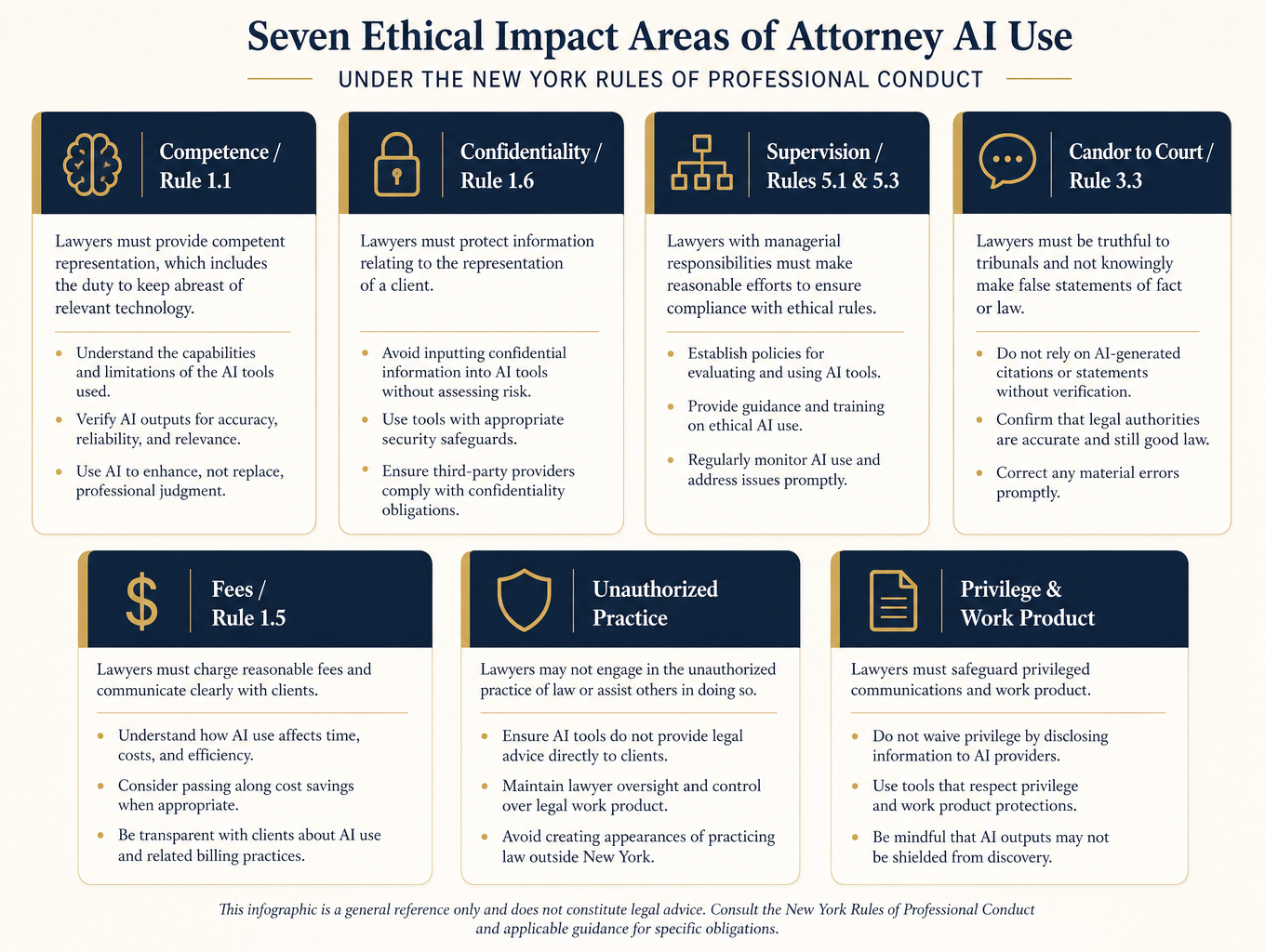
NYSBA Task Force on Artificial Intelligence: 2024 Report and Recommendations — Tracker Record
A structured regulatory tracker record for the NYSBA Task Force on Artificial Intelligence Report and Recommendations (April 6, 2024), adopted by the House of Delegates — covering the report's authority level, seven ethical impact areas mapped to New York Rules of Professional Conduct, five formal recommendations, notable gaps, and how this non-binding instrument fits within New York's layered AI compliance framework alongside binding court rules and formal ethics opinions.
 UpdatedEffectiveAug 2, 2026
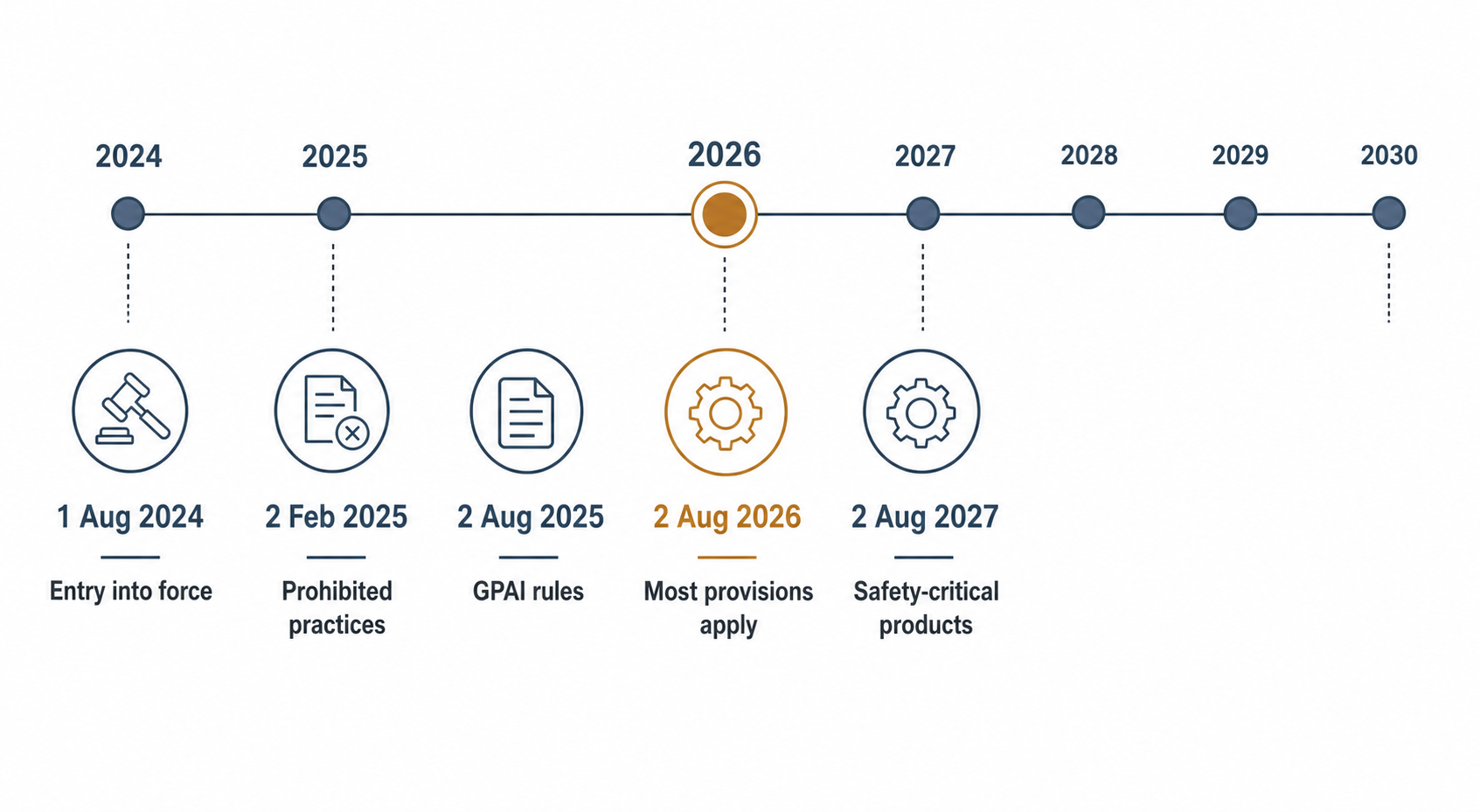
EU AI Act August 2026 Deadline: What Legal Professionals Must Know After the Digital Omnibus
A compliance guide for in-house counsel, compliance officers, and legal operations professionals on the August 2, 2026 EU AI Act deadline, covering what remains binding after the Digital Omnibus delay, extraterritorial reach, penalty exposure, and a practical compliance roadmap.
- UpdatedEffectiveJan 1, 2024
NYC Bar Association Formal Opinion on AI Tools: What Attorneys Need to Know
The New York City Bar Association has issued formal ethics guidance addressing attorney use of AI tools, covering competence, confidentiality, supervision, and disclosure obligations. This entry tracks the opinion's scope, key obligations, and what it means for practitioners deploying AI in legal workflows.
- UpdatedEffectiveJul 29, 2024
ABA Model Rule 1.1 and AI: What Competence Requires of Attorneys Using AI Tools
ABA Model Rule 1.1 imposes a duty of technological competence that now clearly extends to AI tools used in legal practice. This entry traces what the rule requires, how formal ethics opinions have interpreted it for AI workflows, and where attorney obligations begin and end.
 UpdatedEffectiveAug 2, 2026
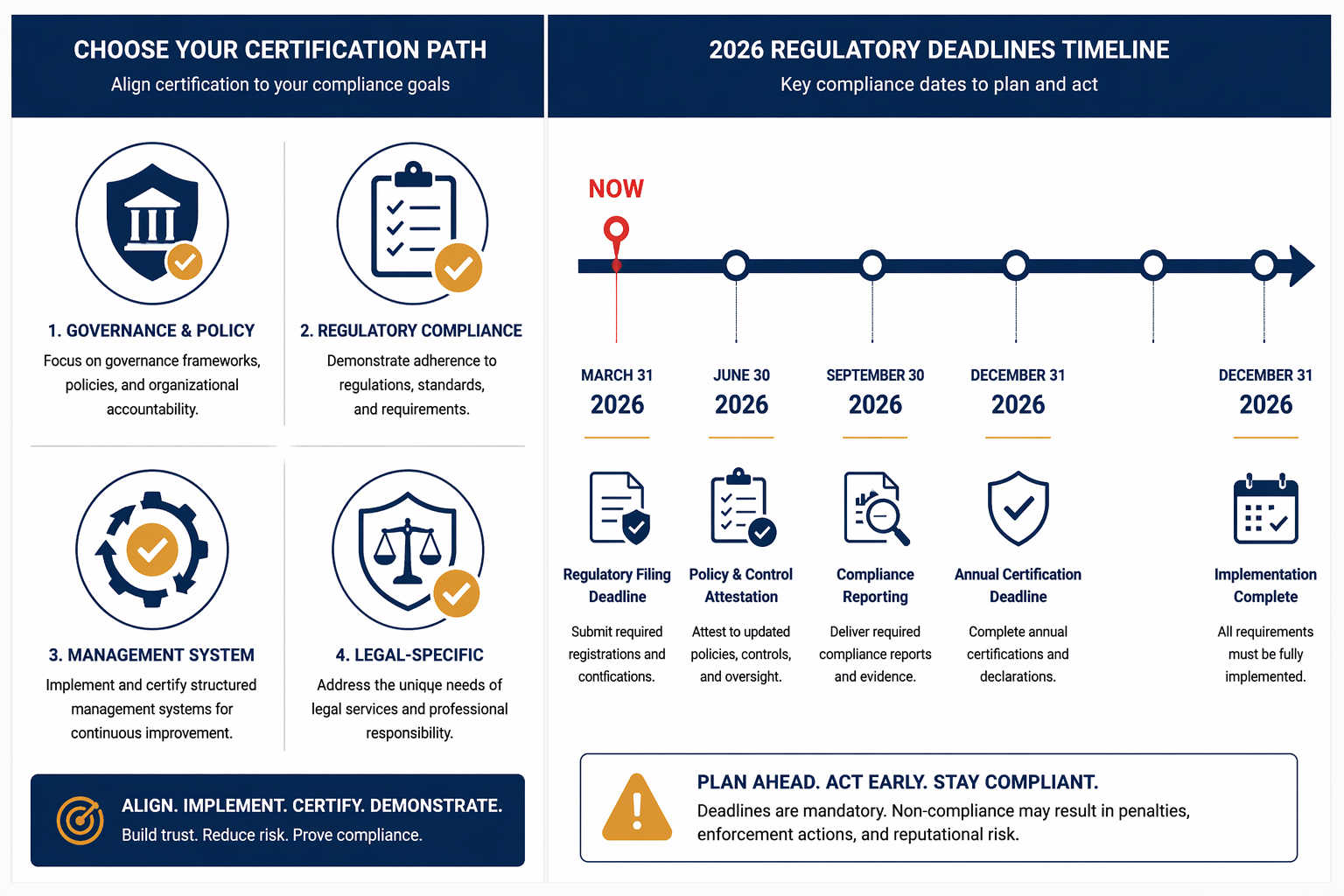
Navigating the AI Compliance Certification Maze: A Decision Framework for Compliance Officers and In-House Counsel
With the EU AI Act's high-risk deadline 47 days away and US state laws splintering, compliance professionals face a confusing array of certification options. This article draws the critical distinction between individual professional credentials and organizational certifications, maps each to specific roles and regulatory obligations, and provides a practical timeline for what can realistically be achieved before August 2, 2026.
- UpdatedEffectiveJan 1, 2024
California State Bar AI Ethics Guidance: What Attorneys Must Know
The California State Bar has issued formal AI ethics guidance addressing attorney competence, confidentiality, supervision, and disclosure obligations when using AI tools in legal practice. This entry records the opinion details, scope, and practical obligations for California-licensed attorneys.
 UpdatedEffectiveJul 14, 2026
Endangered Species Act Changes Drive Law Firm Revenue Growth
The rapid succession of Endangered Species Act rule reversals from 2025 to 2026 has created a self-reinforcing revenue multiplier for law firms, generating sustained demand across litigation, regulatory counseling, transactional permitting, and legislative work. This analysis quantifies the economic impact and identifies which practice areas benefit most.
- UpdatedEffectiveAug 2, 2025
EU AI Act High-Risk AI Obligations: Compliance Deadlines and What They Require
A structured reference covering the EU AI Act's high-risk AI system obligations, the August 2025 compliance deadline for providers and deployers, and what each obligation category requires in practice.
 Updated
A Fragmented Three-Tier Framework for Military Humanoid Robots
This regulatory tracker entry maps the current fragmented legal landscape for military humanoid robots across three tiers: US supply-chain legislation, Department of Defense autonomy policy, and international negotiations under the UN CCW. It identifies which gaps no existing instrument addresses, including the distinct legal questions raised by humanoid form factors in combat.
 Updated
What Happens When a Fan Bribes a Referee During VAR?
Explores the legal gray zone around spontaneous fan bribery attempts during VAR reviews, using the Benfica €50 incident and an MLS copycat case to synthesize criminal law, sports disciplinary rules, and the unique vulnerability created by pitchside monitors.
 UpdatedEffectiveFeb 1, 2026
How a VAR Diving Dispute Exposes AI Regulatory Gaps
This article examines the 2026 FIFA-UEFA split over whether the VAR mistaken-identity protocol permits reviewing a foul call for simulation, and draws parallel lessons for the challenge of maintaining regulatory consistency in AI decision-support systems across jurisdictions. Legal professionals auditing or designing AI adjudication workflows will find a transferable framework for analyzing jurisdictional interpretation splits.
 Updated
AI Election Laws Create a Compliance Maze for Primary Polling in 2026
This article surveys the regulatory landscape for AI-generated political media in primary elections as of mid-2026, covering more than 30 state laws and federal guidance. It provides election law attorneys and campaign compliance officers with a jurisdiction-by-jurisdiction overview of obligations and enforcement risks.
 UpdatedEffectiveDec 2, 2027
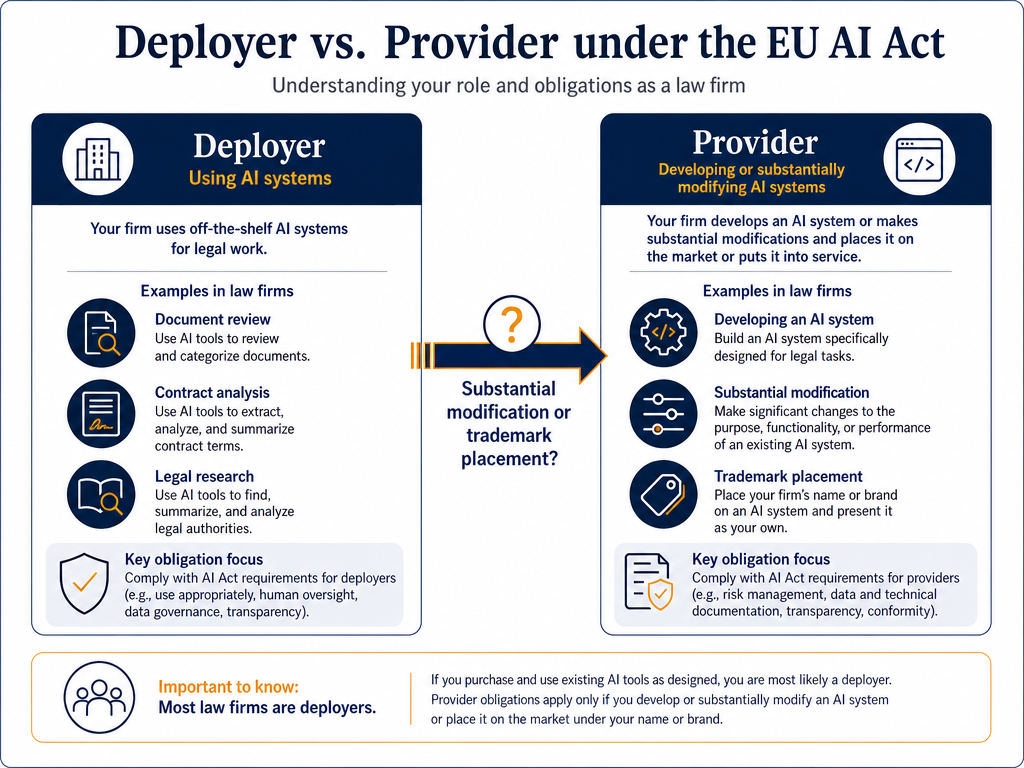
The EU AI Act and Your Law Firm: A Practical Compliance Guide for Legal Practitioners
This article provides a practical, source-cited guide for attorneys, compliance officers, and law firm managing partners on how the EU AI Act applies to their own use of AI tools in legal practice. It covers the deployer vs. provider distinction, high-risk classification of legal AI, immediate obligations (AI literacy, transparency), and a concrete compliance checklist for the extended December 2027 deadline.
 UpdatedEffectiveJul 21, 2026
Three Regulatory Regimes for Samsung Galaxy Card AI Credit Scoring
Before Samsung Galaxy Card can launch, its credit scoring AI must comply with three distinct regulatory regimes—U.S. federal, U.S. state, and EU—each with effective dates clustering in mid-2026.
 Updated
What federal and state laws apply to classroom robots?
A source-cited primer on the federal statutes and state legislation that govern humanoid robots in K-12 classrooms, and the compliance obligations these laws create for school districts and edtech vendors.
 UpdatedEffectiveJul 15, 2026
Did MLB Have the Authority to Ban AI in the Dugout?
A legal analysis of MLB's mid-2026 ban on AI-powered dugout iPads, examining the commissioner's authority under the 'best interests' clause, the constitutional carve-out for collective bargaining matters, and the legal risks as the CBA approaches expiration.
 UpdatedEffectiveJul 29, 2024
How to Build an ABA Formal Opinion 512 Compliance Playbook
ABA Formal Opinion 512 has become the de facto national ethics baseline for generative AI in legal practice. This article translates its six Model Rule obligations into a documented, auditable compliance framework your firm can defend.
- UpdatedEffectiveJul 1, 2024
ABA Model Rules and Attorney AI Use: Competence and Supervision Obligations
A structured reference entry covering how ABA Model Rules 1.1, 5.1, and 5.3 apply to attorney AI use — what competence and supervision obligations currently require, where formal guidance has been issued, and what remains unresolved as of mid-2026.
 UpdatedEffectiveAug 2, 2026
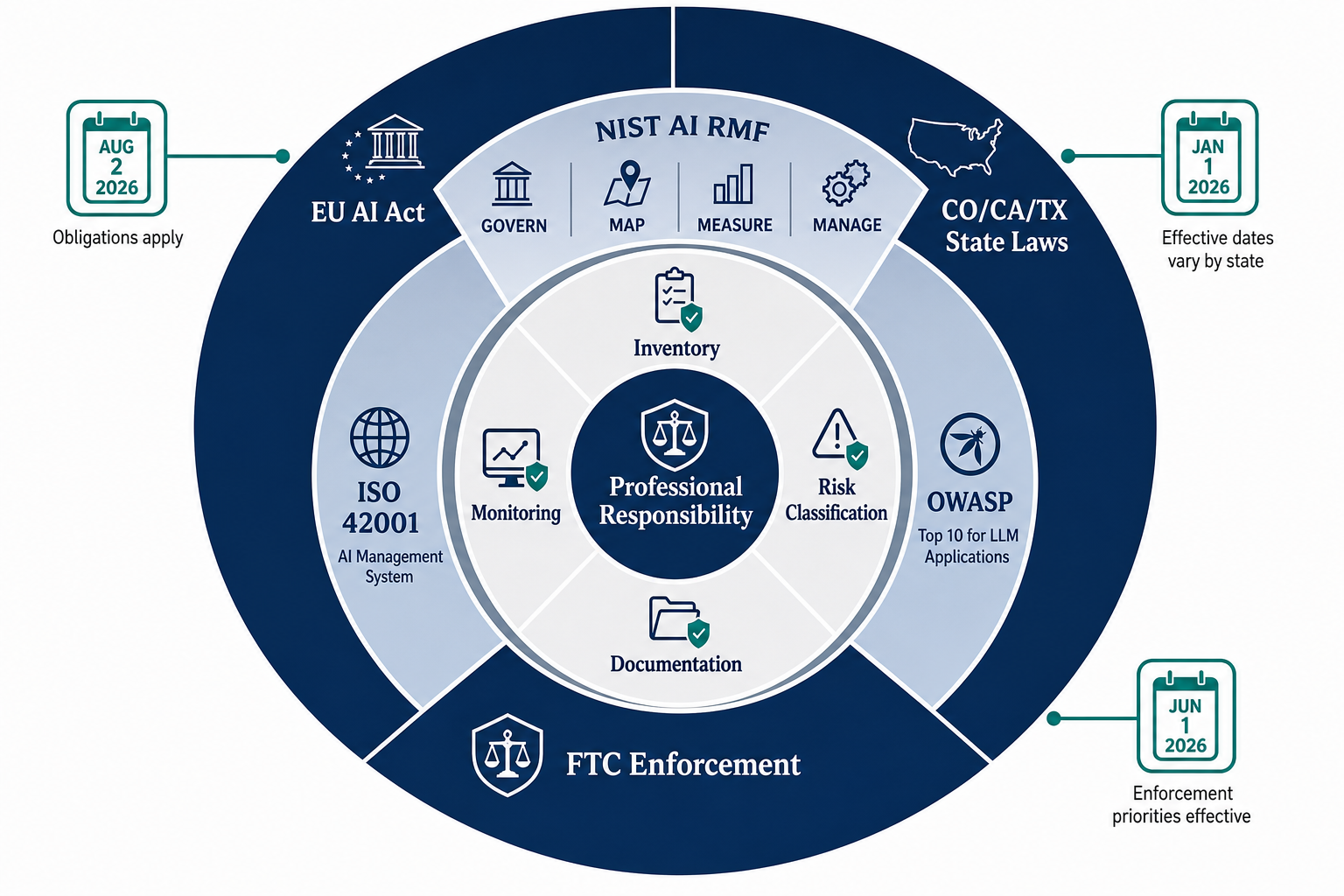
AI Compliance Framework in 2026: A Jurisdiction-by-Jurisdiction Guide for Legal and Compliance Professionals
This guide provides compliance officers, in-house counsel, and risk professionals with a source-cited, jurisdiction-aware reference for building an AI compliance framework in mid-2026. It maps the splintered landscape of the EU AI Act, US state patchwork, NIST AI RMF, ISO 42001, and enforcement trends into a unified control architecture.
EU
No obligations tracked yet in this scope.