
DOJ appeal keeps Epstein unredaction ruling in force
The DOJ's Aug 24, 2026 protective notice of appeal in Phang v. Blanche preserves appellate options without staying Judge Emmet G. Sullivan's order to produce unredacted Epstein files. This docket record traces the case from the April 27 complaint through the June 25 preliminary injunction and July 2 production obligation, so readers can verify which ruling was actually appealed and what deadlines still apply.
- Jurisdiction
- US federal
- Court
- U.S. District Court for the District of Columbia
- Judge
- Emmet G. Sullivan
- AI tool named
- No AI tool named
- Ruling date
- Jun 25, 2026
- Source document
- View primary court order ↗
- Last verified
- Aug 28, 2026
Lex Machina Review is an independent risk-tracking and reference resource. Nothing on this site is legal advice, and using it does not create an attorney-client relationship. Every record is reviewed against primary sources but may not reflect the most current status of a matter — always verify directly against the cited court order, rule text, or a licensed attorney before relying on it.
Companion explanation — secondary to the source document above
Record at a glance
| Date | Docket event | What the record currently supports |
|---|---|---|
| April 27, 2026 | Complaint filed in Phang v. Blanche, D.D.C. No. 1:26-cv-01280 [1] | Opening pleading in the district-court action. |
| June 25, 2026 | Judge Emmet G. Sullivan entered a preliminary injunction [2][3][4] | DOJ was directed to remove specified redactions from categories of Epstein-related records. |
| July 2, 2026 | Produce-or-show-cause deadline [3][4] | DOJ was required to produce the material covered by the injunction or explain why it could not comply. |
| August 13, 2026 | Compliance hearing and related district-court record [5][6][7] | The court examined redaction justifications, missing handwritten FBI notes, and the redaction log. |
| August 24, 2026 | Reported protective notice of appeal [8] | The Hill reports that DOJ preserved a possible appeal; the notice and appellate docket still require direct verification. |
Legal-information notice: This procedural record is not legal advice. Docket entries, orders, deadlines, and any application to a specific matter should be checked by counsel in the official court record.
Legal-background review: Mara Velez. Last verified August 28, 2026 (UTC).
Filing-level verification alert: The August 24 notice of appeal and the corresponding D.C. Circuit docket were not retrieved for this review. The description of the filing as “protective,” submitted within a 60-day period, and prompted by an “inconclusive” appealability question comes from The Hill’s account and should not be treated as the notice’s verified language until the filing is inspected.[8]
The immediate answer to the DOJ appeal question is narrower than the headline shorthand suggests. The August 24 filing was reported as a notice intended to preserve appellate options concerning Judge Emmet G. Sullivan’s June 25 preliminary-injunction ruling. On the materials available, no stay has been identified. The working procedural position is therefore that the district court’s orders—including the July 2 produce-or-show-cause obligation—remain the operative record unless a court grants a stay or later modifies them.

How the June 25 order arose
Katie Phang filed the complaint on April 27 in the U.S. District Court for the District of Columbia.[1] The dispute reached its first consequential ruling on June 25, when Sullivan entered a preliminary injunction addressing DOJ’s redactions in records released under the Epstein Files Transparency Act, or EFTA.[2][3]
News coverage of the order identifies several categories to be produced without the challenged redactions: at least eight email exchanges discussing a purported “torture video” and sexual activity involving young women, including minors; FBI interviews with a woman who alleged that Donald Trump abused her when she was a minor; names of alleged co-conspirators in a draft indictment; and identities of email senders and recipients.[3][4] Those descriptions concern what the court reportedly ordered disclosed. They do not establish the truth of allegations appearing in the underlying records.
The order also mattered for reasons beyond the individual redactions. Sullivan found that DOJ had “effectively conceded” an EFTA violation, recognized Phang’s standing to proceed under the Administrative Procedure Act, and rejected DOJ’s proposed Freedom of Information Act alternative. As reported, DOJ’s own position acknowledged that EFTA called for a broader and less-redacted release than FOIA would supply.[3]
That sequence prevents the case from being reduced to a generic demand for access to Epstein documents. The injunction addressed specified withheld information, while the APA ruling supplied a procedural route for contesting the agency’s implementation of EFTA. For related statutory context, see What the Epstein Files Act Reveals About Statutory Compliance Gaps.
The July 2 obligation was not incidental
The June 25 ruling gave DOJ until July 2 to produce the covered material or show cause why it could not do so.[3][4] That alternative matters. It was not simply a target date for voluntary production; it required either performance or an explanation to the district court.
For deadline tracking, the safest entry is therefore not “unredaction ordered, later appealed.” It is “preliminary injunction entered June 25; production or show-cause response due July 2; subsequent compliance proceedings continued in the district court.” That phrasing preserves the operative obligation instead of allowing the later appeal notice to overwrite it.
The August 13 hearing shows why compliance remained live
By August 13, the district court was still examining compliance rather than treating the June order as displaced. At the hearing, DOJ attorney Andrew Block reportedly could not explain the justification for certain redactions, the status of missing handwritten FBI notes, or the overdue Federal Register redaction log.[6][7]
Sullivan referred to his handling of contempt issues arising from the 2008 prosecution of former Senator Ted Stevens and told government counsel that further scrutiny was “not a threat, that’s a promise.”[6][7] The remark is relevant here for its procedural setting: the court was pressing for an account of compliance. It does not itself amount to a contempt finding.
The August 13 record also makes the July 2 deadline difficult to treat as historical background. Questions about the redaction basis, missing notes, and publication of the redaction log all depended on what DOJ had been required to produce or explain after the preliminary injunction. The district-court docket remained the place where those obligations were being administered.[5][6][7]
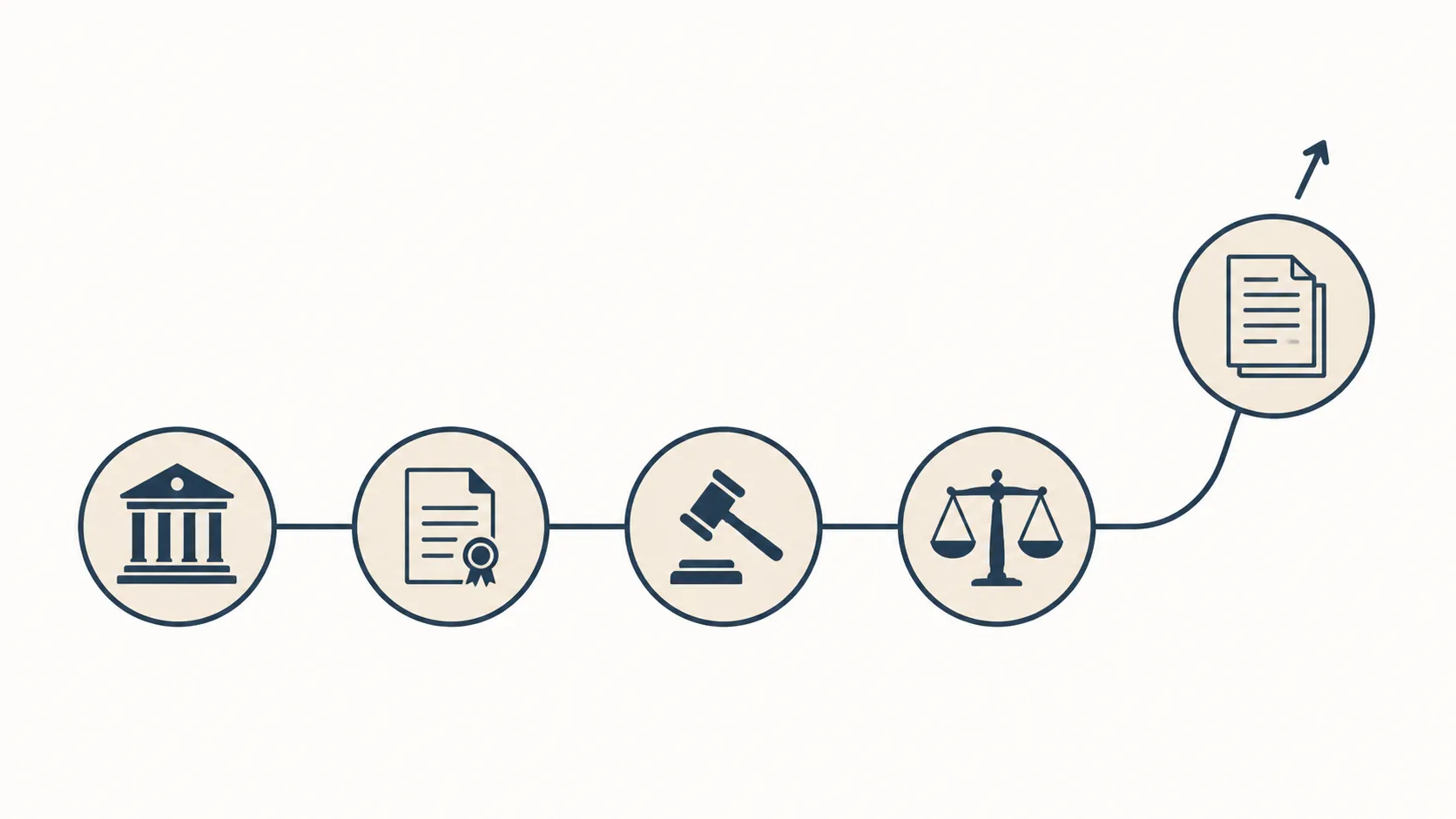
What the August 24 notice changes—and what remains unverified
The Hill reported on August 24 that DOJ filed a protective notice of appeal. Its account says the filing was made within a 60-day appeal period and described DOJ’s ability to appeal as “inconclusive.”[8] Because neither the notice nor the appellate docket was available for this review, those details remain attributed reporting rather than filing-level findings.
It is also premature to say that DOJ has presented a merits challenge to Sullivan’s conclusions. A reported notice of appeal establishes that appellate review may be pursued; it does not supply the arguments that would appear in later briefing. Without the document, the precise order or orders designated in the notice should not be inferred solely from a news headline.
| Question | Present answer | Required verification |
|---|---|---|
| Was an appeal notice filed? | Yes, according to The Hill’s August 24 report [8]. | Retrieve the notice and confirm its district-court docket entry. |
| Which order was designated? | Reporting connects the notice to Sullivan’s June 25 ruling, but the designation has not been checked in the filing. | Read the notice and the D.C. Circuit docket. |
| Did DOJ file within a 60-day period? | The Hill reports that it did [8]. | Check the notice, applicable rule, designated order, and any event affecting the deadline. |
| Was a stay granted? | No stay has been identified in the materials reviewed. | Search both the district-court and appellate dockets for a stay motion, administrative stay, or stay order. |
| Are the June 25 and July 2 obligations still the tracking baseline? | Yes. That is the current editorial synthesis unless a stay or modifying order is found. | Use the district-court docket to confirm the latest operative order. |
The docket checks that control the next update
- Confirm the August 24 notice in the D.D.C. docket and record the exact judgment or order designated for appeal.
- Locate the D.C. Circuit case number and check whether the appellate court has entered any administrative or merits-related order.
- Search both dockets for a stay motion and for an order granting or denying relief. The notice alone should not be entered in a deadline system as a stay.
- Continue tracking compliance, show-cause, redaction-log, and production obligations in the district court unless a later order changes them.
- Verify quoted terms and disclosure categories against the June 25 PDF before using them in a filing, client alert, or internal legal conclusion.
A reproducible source-checking sequence is available in How to verify Epstein files claims against the court record. The separate Ghislaine Maxwell grand-jury records matter should remain on its own timeline rather than being merged with Phang v. Blanche.
One source discrepancy should also be corrected in downstream work: the judge’s official name is Emmet G. Sullivan. The Hill uses “Emmit” in its June 25 report.[3] The spelling error does not invalidate the report’s substantive account, but it is a warning against copying docket details from secondary coverage without checking the primary record.
As of August 28, the district-court docket remains the source for operative production and compliance obligations. The appeal notice should be verified directly, along with any later stay request or order, before anyone treats August 24 as either a ruling on the merits or a suspension of Sullivan’s injunction.
References
- Phang v. Blanche complaint, RECAP, April 27, 2026
- Sullivan’s June 25 order, RECAP, June 25, 2026
- Judge orders DOJ to produce, unredact sought after Epstein files, The Hill, June 25, 2026
- Judge orders DOJ to turn over some unredacted Epstein files, ABC News, June 25, 2026
- Aug. 13 hearing order, RECAP, August 13, 2026
- Feds struggle to explain redactions in Epstein files compliance case, Courthouse News, August 13, 2026
- Judge shows signs of frustration with DOJ attorneys over handling of Epstein files, NBC News, August 13, 2026
- Justice Department files protective notice to appeal Epstein document ruling, The Hill, August 24, 2026
Related records
Tool profile
How Meta's AI Spending Reshapes Law Firm ProfitabilityGoverning regulation
Browse the obligations tracker →Preventive workflow
Browse verification workflows →
Report a correction or tip
Spotted an outdated figure, a misstated fact, or a ruling this case record should reflect? Public comments are disabled for this content given the professional cost of a misreported case outcome, penalty amount, or rule text — use the structured correction channel instead.
Report a correction or tip for this record →