
Is There a Robin Williams AI Impersonation Lawsuit?
As of August 29, 2026, no verified lawsuit, docket, or court order backs the "Robin Williams family AI impersonation legal fight" framing. This record separates the confirmed public advocacy and pending AI voice/likeness legislation from unconfirmed litigation claims, with every citable item labeled verified or reported-not-confirmed.
- Jurisdiction
- United States (federal/California)
- Court
- No court identified
- AI tool named
- None identified
- Ruling date
- Aug 29, 2026
- Source document
- View primary court order ↗
- Last verified
- Aug 29, 2026
Lex Machina Review is an independent risk-tracking and reference resource. Nothing on this site is legal advice, and using it does not create an attorney-client relationship. Every record is reviewed against primary sources but may not reflect the most current status of a matter — always verify directly against the cited court order, rule text, or a licensed attorney before relying on it.
Companion explanation — secondary to the source document above
Status as of August 29, 2026
The phrase “Robin Williams family AI impersonation legal fight” currently outruns the citable record. The materials reviewed verify public advocacy by Zelda Williams and relevant federal and California legislative activity. They do not provide a primary complaint, docket, court order, case number, court, judge, named defendant, or named AI voice tool for a Robin Williams AI-impersonation lawsuit.
| Item | Status |
|---|---|
| Zelda Williams objected publicly to AI recreations of her father | Verified |
| Federal and California measures addressing AI voice or likeness rights | Verified, with legislative-status qualifications |
| A filed Robin Williams family AI-impersonation lawsuit | Reported-not-confirmed |
| A particular AI voice-cloning tool used in the alleged dispute | Reported-not-confirmed |
| A 2015 estate-related court dispute | Verified, but unrelated to AI |
This is a record-status assessment, not legal advice. Absence from the materials reviewed is not proof that no proceeding exists. It means that, as of the stated date, the supplied record does not support calling the matter a citable lawsuit.
What is actually documented
In 2025, Zelda Williams publicly asked people to stop sending her AI-generated videos of Robin Williams. The BBC described the appeal as a plea, and did not report a lawsuit or identify a court filing. [1] Entertainment Weekly characterized the recreations as personally disturbing to her, which supplies important human and identity context but still describes advocacy rather than litigation. [2] Variety likewise reported the continuation of that public objection. [3]
The distinction matters because a public statement can express harm, demand that conduct stop, or influence policy without identifying a cause of action that has been filed. The available reports establish that Zelda Williams objected to the recreations. They do not establish who created a particular video, which service generated it, whether a demand was sent, or whether a complaint was filed.
The Los Angeles Times placed the issue in the broader SAG-AFTRA dispute over artificial intelligence and performer identity, describing the subject as personal for Williams. [4] That is useful labor and identity context. It is not a docket, and it does not convert a statement about the issue into a Robin Williams case.
Advocacy, legislation, and litigation are different records
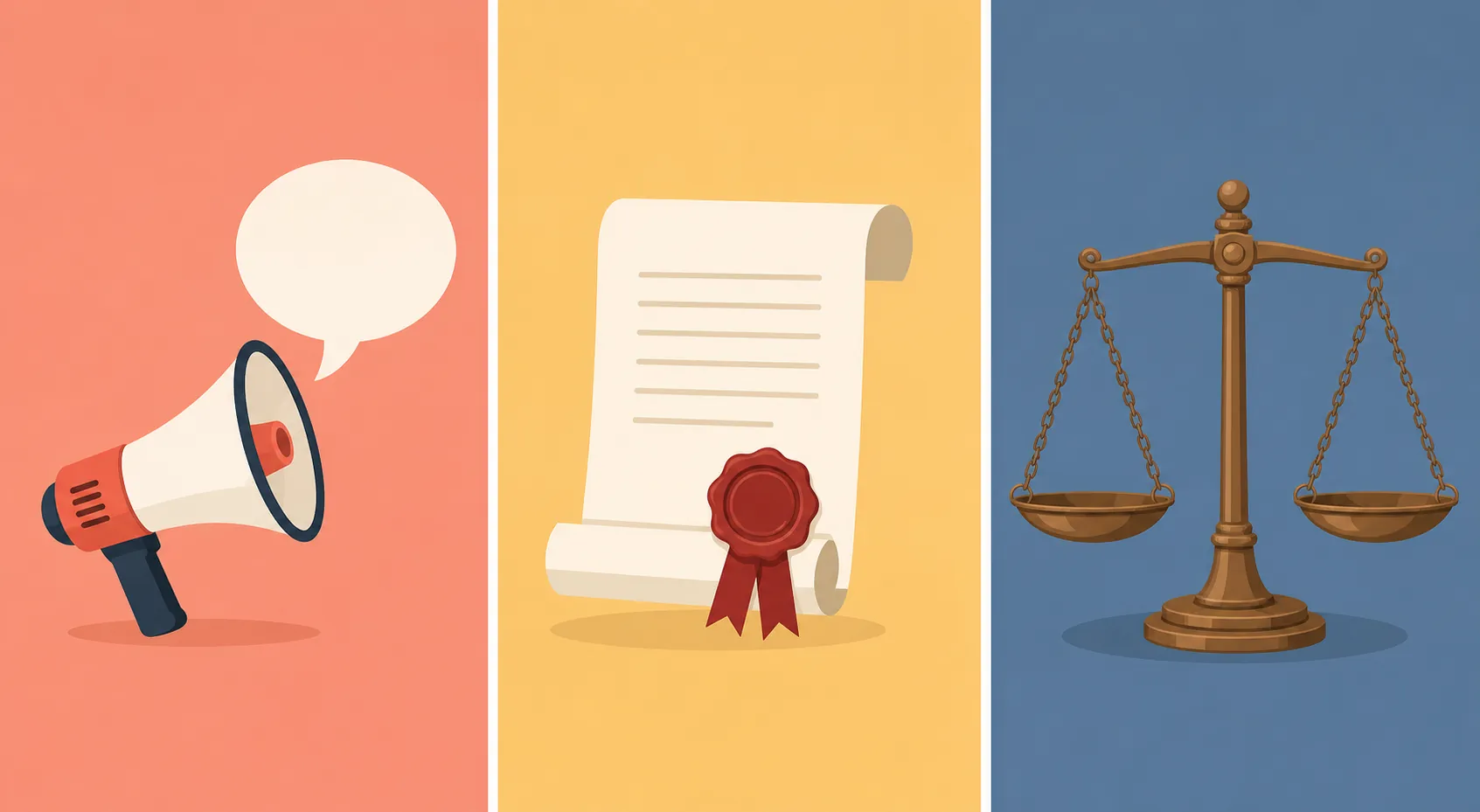
The easiest way to inflate this story is to collapse three separate categories into one. Advocacy records what a person says or asks for. Legislation records what lawmakers introduce, amend, or advance. Litigation requires a proceeding that can be identified through a complaint, docket, order, or another primary court record.
- Verified advocacy: Zelda Williams’s public objections to AI recreations of Robin Williams.
- Verified legislative activity: federal and California measures concerning digital replicas, voice, or likeness rights, subject to their procedural status and text.
- Reported-not-confirmed litigation: the alleged Robin Williams family lawsuit, for which no primary case record is available in the reviewed materials.
A litigation roundup cannot fill that gap. One July 2025 industry update did not list a Williams matter, but such a roundup is non-exhaustive and cannot prove that no case exists. The more defensible conclusion is narrower: the supplied materials do not identify a citable Williams complaint or docket.
What the legislation may—and may not—tell us
The federal NO FAKES Act belongs in this story as legislative context, not as the statute already adjudicating a Williams dispute. A House press release says the measure was reintroduced on May 21, 2026 and identifies its sponsors. [5] A Holland & Knight alert says the Senate Judiciary Committee advanced the measure unanimously on June 22, 2026. [6] Committee action is not enactment, and neither source supplies a Williams complaint.
There is also a record-keeping discrepancy that should remain visible. The supplied legislative materials do not provide a bill number, while the site's verified federal status map records the 2026 measure as S. 4591 and H.R. 8915, with reintroduction dated May 20 and committee action dated June 18. Readers comparing those records should not treat the differing dates as silently interchangeable. The bill number and post-committee status should be checked against the underlying congressional record before being used in a filing, opinion, or compliance conclusion.
California presents a related but separate question. An analysis by Nancy E. Wolff at CDAS describes AB 1836 as amending California Civil Code section 3344.1 to cover AI digital replicas, including penalties, and adding an organizational cause of action limited to professional musicians under exclusive recording-artist or distribution contracts. [7] That description may help counsel map possible statutory theories. It does not show that the Williams family filed under the provision, and the reviewed materials do not include the California chapter number, effective date, or verbatim amended statutory text.
For a fuller federal status comparison, see the site's verified map of federal AI deepfake laws. For California's post-mortem digital-replica framework, the analysis of AB 1836 and section 3344.1 provides a separate legal discussion. Neither internal reference should be read as evidence of a Williams filing.
Real AI cases exist elsewhere, but they are not this case
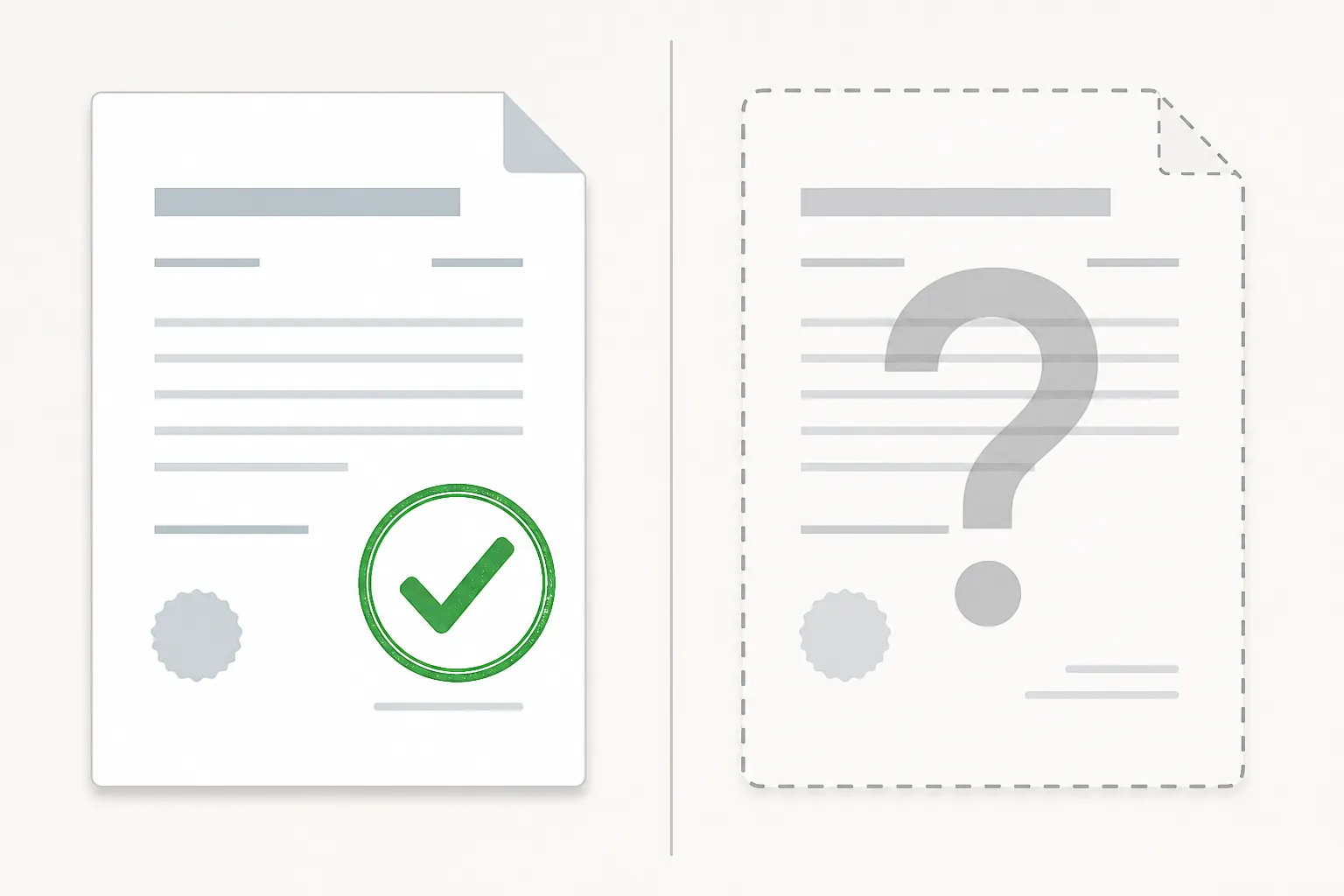
There are genuine AI-related dockets that show what a citable dispute looks like. The UMG matters involving Suno and Udio are examples of proceedings with identifiable parties and procedural records. [8] They can be used as analogies for the kinds of claims or defendants that may appear in an AI-generated-content dispute. They do not establish a Robin Williams action, a particular theory of liability, or the involvement of any particular voice-cloning service.
The same discipline applies when reading celebrity-AI coverage. The site's Sofia Vergara AI deepfake lawsuit record is useful precisely because it separates headline shorthand from parties, claims, and legal theories. That is the information missing here—not a colorful description of the alleged videos.
The 2015 estate dispute is a boundary, not a precedent
Robin Williams’s widow and children were involved in a 2015 dispute over aspects of his estate, which was later settled. [9] That was a probate matter concerning estate property and related household or personal items. It was resolved separately from any later dispute about AI-generated voice or likeness material. The family connection does not make it an AI case, and the existence of that earlier proceeding does not supply a complaint, defendant, or legal theory for the current allegation.
What a citable update would need to add
A later report could change this assessment quickly. The decisive additions would be a filed complaint or docket entry naming the plaintiff and defendant, the court and case number, the claims asserted, and—if relevant—the AI tool or service at issue. An order, settlement, dismissal, or amended pleading would also clarify whether a proceeding was filed, pending, resolved, or abandoned.
Until such a record is available, the careful answer is limited but clear: Zelda Williams’s public advocacy is verified; federal and California legislative activity is traceable but qualified; analog AI litigation exists involving other parties; and the alleged Robin Williams family AI-impersonation lawsuit remains reported-not-confirmed as of August 29, 2026. That conclusion does not deny that a proceeding may exist outside the reviewed packet. It simply leaves the unverified remainder unresolved.
References
- Robin Williams' daughter pleads for people to stop sending AI videos of her dad — BBC, 2025
- Robin Williams' daughter Zelda slams AI recreations of her dad — Entertainment Weekly, 2025
- Robin Williams Daughter: Don't Send Me 'Gross' AI Recreations of Him — Variety, 2025
- Robin Williams, Zelda, daughter slams 'horrendous' AI, SAG-AFTRA strike — Los Angeles Times, October 2, 2023
- Salazar, Dean, Blackburn, Coons, bipartisan colleagues reintroduce NO FAKES Act — Office of Rep. María Elvira Salazar, May 21, 2026
- Senate Judiciary Committee Advances Legislation to Protect Name, Image, and Likeness from Unauthorized Digital Replicas — Holland & Knight, June 2026
- California Expands Its Post-Mortem Right of Publicity Law to Cover AI Digital Replicas — CDAS, 2026
- Every AI Music Lawsuit Tracked — The Vocal Market, 2026
- Robin Williams' Wife, Children Settle Dispute Over Comedian's Estate — ABC News, 2015
- Robin Williams' Widow, Children Settle Estate Dispute — The Hollywood Reporter, 2015
Related records
Tool profile
Browse tool evaluations →Governing regulation
Browse the obligations tracker →Preventive workflow
Browse verification workflows →
Report a correction or tip
Spotted an outdated figure, a misstated fact, or a ruling this case record should reflect? Public comments are disabled for this content given the professional cost of a misreported case outcome, penalty amount, or rule text — use the structured correction channel instead.
Report a correction or tip for this record →