
Is the WestJet Strike Lawful? What Could Change It
As of the Aug 2–3, 2026 verification date, the WestJet flight attendant strike is lawful under the Canada Labour Code: CUPE Local 8125 completed every procedural gate from notice to bargain through the 72-hour strike notice. This risk-digest record maps the external levers — a ministerial Section 107 referral, back-to-work legislation, or a CIRB unlawful-strike application — that could still change that status.
- Jurisdiction
- Canada (federal)
- Court
- Canada Industrial Relations Board (CIRB)
- AI tool named
- No AI tool implicated
- Ruling date
- Aug 2, 2026
- Source document
- View primary court order ↗
- Last verified
- Aug 3, 2026
Lex Machina Review is an independent risk-tracking and reference resource. Nothing on this site is legal advice, and using it does not create an attorney-client relationship. Every record is reviewed against primary sources but may not reflect the most current status of a matter — always verify directly against the cited court order, rule text, or a licensed attorney before relying on it.
Companion explanation — secondary to the source document above
Status as of the Aug. 2–3, 2026 verification
| Record field | Verified status |
|---|---|
| Legal classification | Lawful strike, on the record reviewed for Aug. 2–3, 2026. The Canada Labour Code sequence for a lawful strike requires procedural gates before a strike or lockout can occur; the available record shows those gates were completed, and no strike-specific CIRB unlawful-strike order was identified in the verification window. [1][2] |
| Jurisdiction | Federally regulated labour relations under the Canada Labour Code framework, with the Canada Industrial Relations Board as the relevant tribunal for unlawful-strike or unlawful-lockout applications. [1] |
| Parties | WestJet and CUPE Local 8125, representing WestJet flight attendants. Reports describe the bargaining unit at about 4,400 workers; CBC separately reported 4,287 flight attendants on strike. Those figures should not be treated as the same measurement. [6][7] |
| Strike start | 12:01 a.m. Mountain Time on Aug. 2, 2026, after talks failed and the 72-hour notice period expired. [6] |
| Current change risks | A ministerial Section 107 referral, back-to-work legislation, or a CIRB unlawful-strike application could alter the practical or legal position, but each would have to operate through its own procedure. [1][9] |
| Source posture | This is a timestamped risk record, not a settlement forecast. It distinguishes primary or near-primary procedural materials from live reporting, party statements, and contested bargaining claims. |
| Disclaimer | This adjacent labour-risk record is for general information and internal issue-spotting. It is not legal advice. |
The answer starts with a distinction that gets lost quickly during airport disruption: operationally severe is not the same as unlawful. A lawful strike can cancel flights, strand passengers, trigger rebooking duties, and place executive teams under extreme pressure. None of that, by itself, makes the strike illegal.
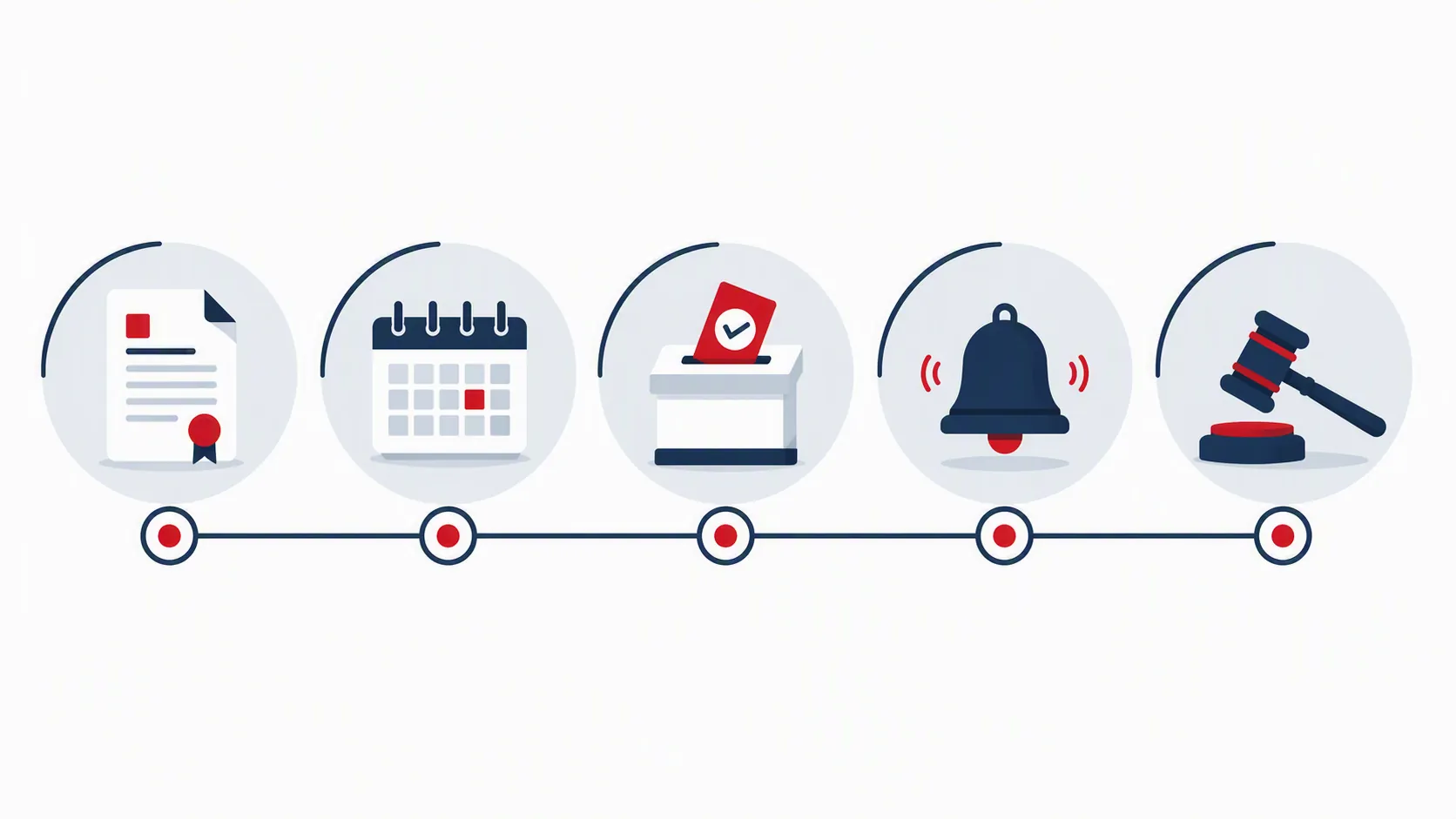
As of the Aug. 2–3 verification window, the better classification is lawful strike under the Canada Labour Code. The record supports that conclusion because CUPE Local 8125 appears to have completed the required pre-strike sequence: notice to bargain, notice of dispute, conciliation, cooling-off, a valid strike vote, and 72-hour strike notice. WestJet’s same-day lockout notice does not undo that sequence; it confirms the parties were operating inside the statutory strike-lockout framework rather than outside it. [1][2][3][4]

The procedural chain that supports lawfulness
The CIRB’s unlawful-strike guidance is the right starting point because it frames the question procedurally. For a strike in the federal sector, the core inquiry is not whether the disruption is large, whether the employer is angry, or whether passengers are facing hardship. It is whether the statutory preconditions for a lawful strike have been satisfied, and whether a later order or enactment has changed the position. [1]
| Step | Record support | Why it matters |
|---|---|---|
| Notice to bargain | CUPE’s bargaining timeline records notice to bargain on Sept. 16, 2025. [2] | Starts the formal collective-bargaining sequence. |
| Notice of dispute | CUPE records notice of dispute on Apr. 27, 2026. [2] | Moves the dispute toward federal conciliation. |
| Conciliation appointment | CUPE records a conciliator appointed on May 12, 2026, with a 60-day mandate. [2] | Conciliation is part of the statutory gate before a lawful strike or lockout. |
| Cooling-off period | The record describes the 21-day cooling-off period after conciliation. [1][2] | A strike before the cooling-off gate can create unlawful-strike exposure. |
| Strike vote | BNN Bloomberg reported that WestJet flight attendants voted 99.4% in favour of a strike mandate on 97.3% turnout on July 15, 2026. [5] | The vote supplies member authorization within the required validity period. |
| 72-hour notice | WestJet said it received CUPE’s 72-hour strike notification and issued its own 72-hour lockout notice the same day; Reuters also reported the July 30 strike notice. [3][4] | The notice period is the last visible pre-strike gate before the Aug. 2 start. |
| Strike start | Reuters reported that the strike began at 12:01 a.m. Mountain Time on Aug. 2, 2026. [6] | The start time follows the expiry of the reported 72-hour notice window. |
That sequence is the load-bearing part of the analysis. It is also why cancellation totals, however important operationally, cannot carry the legal conclusion. A cancellation count measures network impact. It does not measure whether notice to bargain was served, whether conciliation ran, whether the cooling-off period expired, whether the strike vote was valid, or whether 72-hour notice was given.
What could change the strike’s status
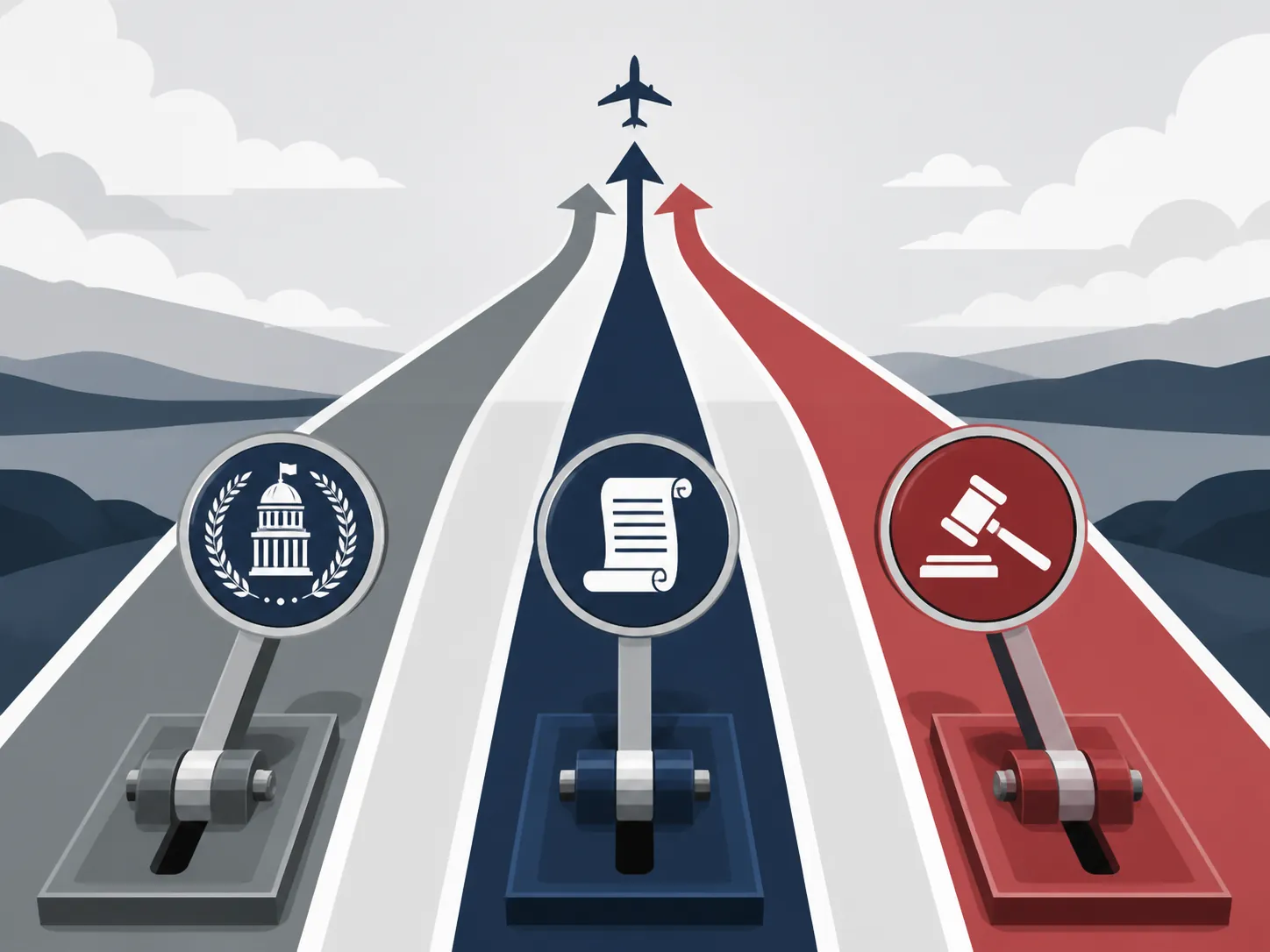
The strike’s current lawfulness should not be briefed as permanent. It is a timestamped legal status inside a live federal labour dispute. Three external routes matter: a ministerial referral under Section 107, back-to-work legislation, and a CIRB unlawful-strike application. They are often flattened into one phrase — government intervention — but they do not do the same legal work.
1. A Section 107 referral
Section 107 is the most tempting shortcut in public commentary because recent federal labour disputes have made it visible. Canadian Press described ministerial referral as one possible federal route in the WestJet dispute, but no announced referral specific to this strike was identified in the Aug. 2–3 record reviewed here. [9]
Even if a referral were made, the next question would be what it asks the CIRB or another process to do. The 2024–2025 record is mixed in a legally important way. CBA National reported a broader rise in the use of Section 107 and attributed to the Canadian Labour Congress a count of at least eight uses since June 2024. CBC, in its WestJet live coverage, reported a different count: 10 uses since 2023, nine of them to halt or pause strikes. Those numbers should be attributed, not averaged into a false consensus. [10][7]
CIRB 1151 is the cautionary precedent against saying that a referral automatically suspends a strike. Emond Harnden summarized the board’s conclusion as holding that the Minister of Labour’s Section 107 referral did not suspend the union’s ability to strike in that context; the CIRB reasons themselves are the stronger authority for the point. [11][12]
For a briefing note, the safe formulation is narrow: Section 107 is a live external lever in recent federal labour practice, but a referral would need to be read on its own terms and against any CIRB response before it changes the strike’s legal status.
2. Back-to-work legislation
Back-to-work legislation is different. It is not a board application and not merely an administrative referral. It requires a legislative act that changes the legal environment directly. Canadian Press identified legislation as one possible federal intervention route in the WestJet strike context, but the Aug. 2–3 record reviewed here did not include enacted back-to-work legislation for this dispute. [9]
That distinction matters inside companies because it changes the advice. A possible bill is political risk. An enacted statute is legal constraint. Between those two points, counsel can monitor and scenario-plan, but should be careful about telling operations teams that a lawful strike has already become unlawful.
3. A CIRB unlawful-strike application or order
The CIRB route is the one most directly tied to the legal label. The board’s unlawful-strike guidance describes potential remedies if a strike is found unlawful, including revoking strike authorization, directing employees to return to work, filing an order with the Federal Court, and fines. [1]
The Air Canada 2025 flight-attendant precedent shows a different outcome from CIRB 1151, but it should be used carefully because the available source here is Air Canada’s own release. Air Canada stated that on Aug. 18, 2025, the CIRB declared the flight-attendant strike unlawful and ordered CUPE leaders to direct flight attendants back to work. That is a real warning that a board order can change the ground position quickly; it is not proof that every flight-attendant strike after a Section 107 controversy is unlawful. [13]
For the WestJet dispute, the material point is absence as much as precedent. During the Aug. 2–3 verification window, the reviewed record did not identify a strike-specific CIRB decision declaring the CUPE Local 8125 strike unlawful. Without that order, the completed procedural chain remains the stronger status evidence.
Operational impact belongs in the file, not in the legal test
The network disruption was substantial. Reuters reported 198 WestJet cancellations on Aug. 2 after the strike began. CBC’s live updates later reported 276 cancellations. Canadian Press, carried by CP24, reported 309 cancellations, leaving thousands of travellers stranded. The sequence is useful incident metadata, but it should not be converted into a legal inference. [6][7][8]
Passenger-rights issues sit beside, not inside, the labour-law status question. Air Passenger Rights published a WestJet strike passenger-rights explainer for travellers dealing with rebooking and compensation issues, but that source should be treated as an APPR cross-reference, not as authority on whether the strike is lawful under the Canada Labour Code. [14]
The wage-and-ground-duty dispute also should not be allowed to overrun the status analysis. The union has alleged roughly 35 unpaid hours per month connected to ground duties; WestJet’s CEO disputed that characterization, and reporting described a Feb. 12, 2026 federal probe that reportedly found no labour-standards violation while calling for closer examination. Those are bargaining-context issues and may matter in the dispute’s merits. They do not replace the procedural question that decides whether the strike is lawful as of this verification date. [7]
Briefing language that stays inside the record
A defensible internal formulation would read: “As of the Aug. 2–3, 2026 verification window, the CUPE Local 8125 strike against WestJet is best classified as lawful under the Canada Labour Code because the available record shows completion of the required pre-strike gates, including conciliation, cooling-off, a valid strike vote, and 72-hour notice. The status is contingent. It could change if there is a ministerial referral with operative consequences, enacted back-to-work legislation, or a CIRB order declaring the strike unlawful.”
That language does not settle the bargaining dispute, predict intervention, or answer every APPR compensation question. It gives the GC the narrower answer the record can support.
For the upstream mechanics of WestJet’s strike notice, including maintenance-of-activities issues, replacement-worker constraints, and fresh-notice questions under the federal framework, use What WestJet’s Strike Notice Triggers Under Canadian Law. For traveller-facing APPR implications, see Pet travel fees and rebooking rights during WestJet strike. For adjacent records, return to the Risk Digest.
References
- Illegal strikes and lockouts, Canada Industrial Relations Board.
- Mainline bargaining, CUPE Local 8125 / WJ Component.
- WestJet responds to union’s 72-hour strike notification and issues lockout notice, WestJet, 2026.
- WestJet Airlines flight attendants give 72-hour strike notice, Reuters, July 30, 2026.
- WestJet flight attendants vote in favour of strike mandate, BNN Bloomberg, July 15, 2026.
- WestJet flight attendants go on strike after talks fall through, Reuters, Aug. 2, 2026.
- WestJet flight attendants strike updates, CBC News.
- WestJet flight attendants go on strike, leaving thousands of travellers stranded, CP24 / Canadian Press, Aug. 2, 2026.
- Mediation, legislation: government could step in as WestJet flight attendants strike, Yahoo Finance / Canadian Press.
- The rise of Section 107, CBA National, 2025.
- CIRB finds that the Minister of Labour’s Section 107 referral does not suspend the union’s ability to strike, Emond Harnden.
- CIRB 1151 Reasons for Decision, Canada Industrial Relations Board, Aug. 2, 2024.
- CIRB declares flight attendant strike at Air Canada unlawful and orders CUPE leaders to direct flight attendants back to work, Air Canada, Aug. 18, 2025.
- WestJet strike 2026: what are my rights, Air Passenger Rights.
Related records
Tool profile
How Meta's AI Spending Reshapes Law Firm ProfitabilityGoverning regulation
Browse the obligations tracker →Preventive workflow
Browse verification workflows →
Report a correction or tip
Spotted an outdated figure, a misstated fact, or a ruling this case record should reflect? Public comments are disabled for this content given the professional cost of a misreported case outcome, penalty amount, or rule text — use the structured correction channel instead.
Report a correction or tip for this record →