
Preventive procedures
Workflows
Numbered, reusable procedural pages describing human-in-the-loop steps practitioners actually use before, during, and after AI-assisted legal drafting: citation verification, supervising-attorney documentation, client consent, vendor due diligence, and billing disclosure. These are checklists and SOP-style pages, not narrative explainers, and each one links to the specific Risk Digest cases that motivated the step, closing the loop between documented failure and preventive action. Excludes case reporting (Risk Digest) and tool comparison (Evaluations). Serves practitioners who already understand the risk and need an actionable procedure to reduce it.
General workflows
 UpdatedRelated cases0
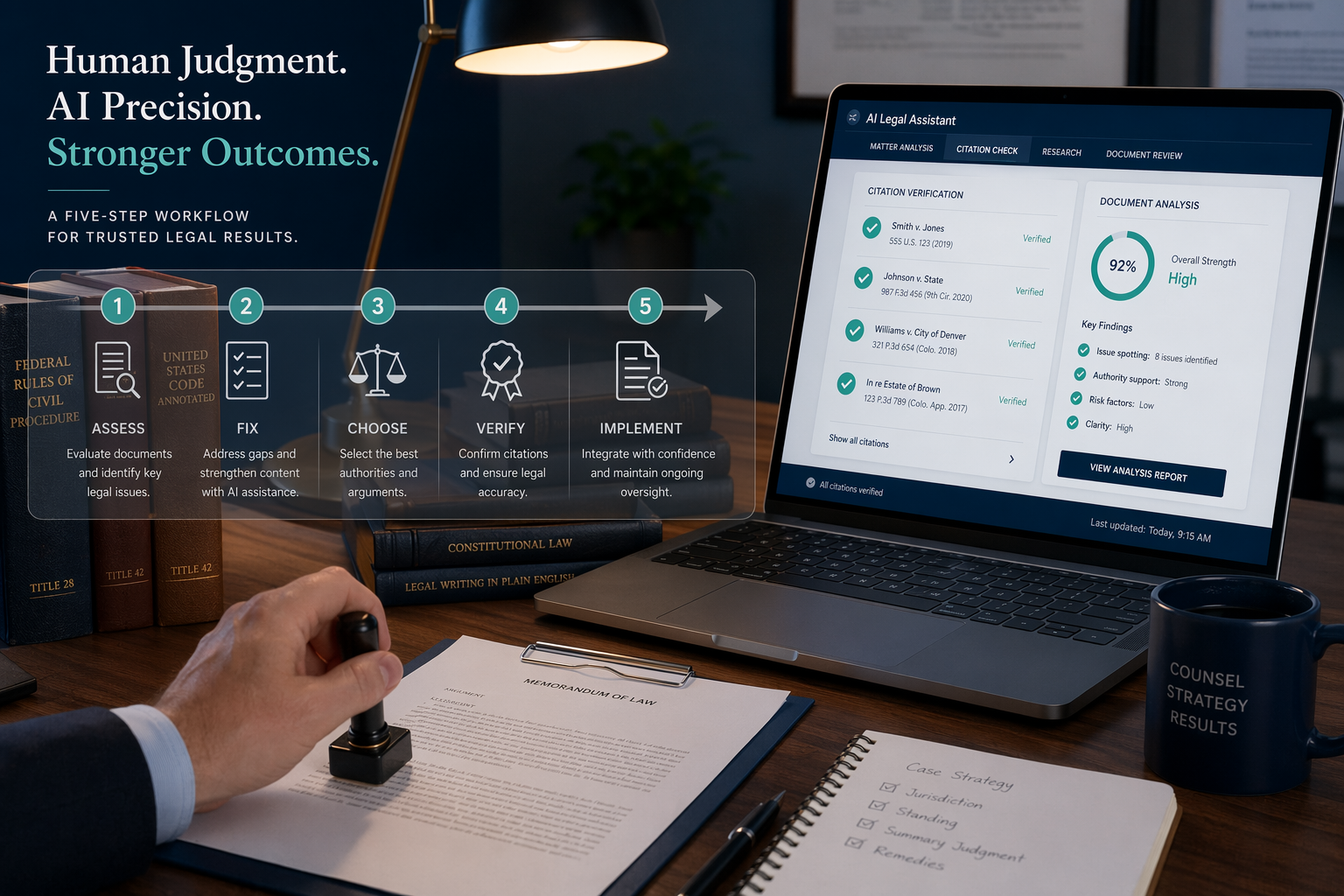
Closing the Governance Gap for AI Legal Research
Despite ABA Formal Opinion 512 and a growing number of state bar opinions establishing clear ethical duties for AI-assisted legal research, most firms have not operationalized them. This article synthesizes the current professional responsibility landscape across multiple jurisdictions and provides a structured pathway for firm-level AI governance policy development.
 UpdatedRelated cases0
AI in Law Practice: A Practical Workflow Integration Guide for 2026
A step-by-step implementation framework for attorneys and legal ops professionals at small to mid-sized firms, covering infrastructure assessment, process optimization, tool selection, ethics compliance, and gradual rollout with ROI measurement.
 UpdatedRelated cases0
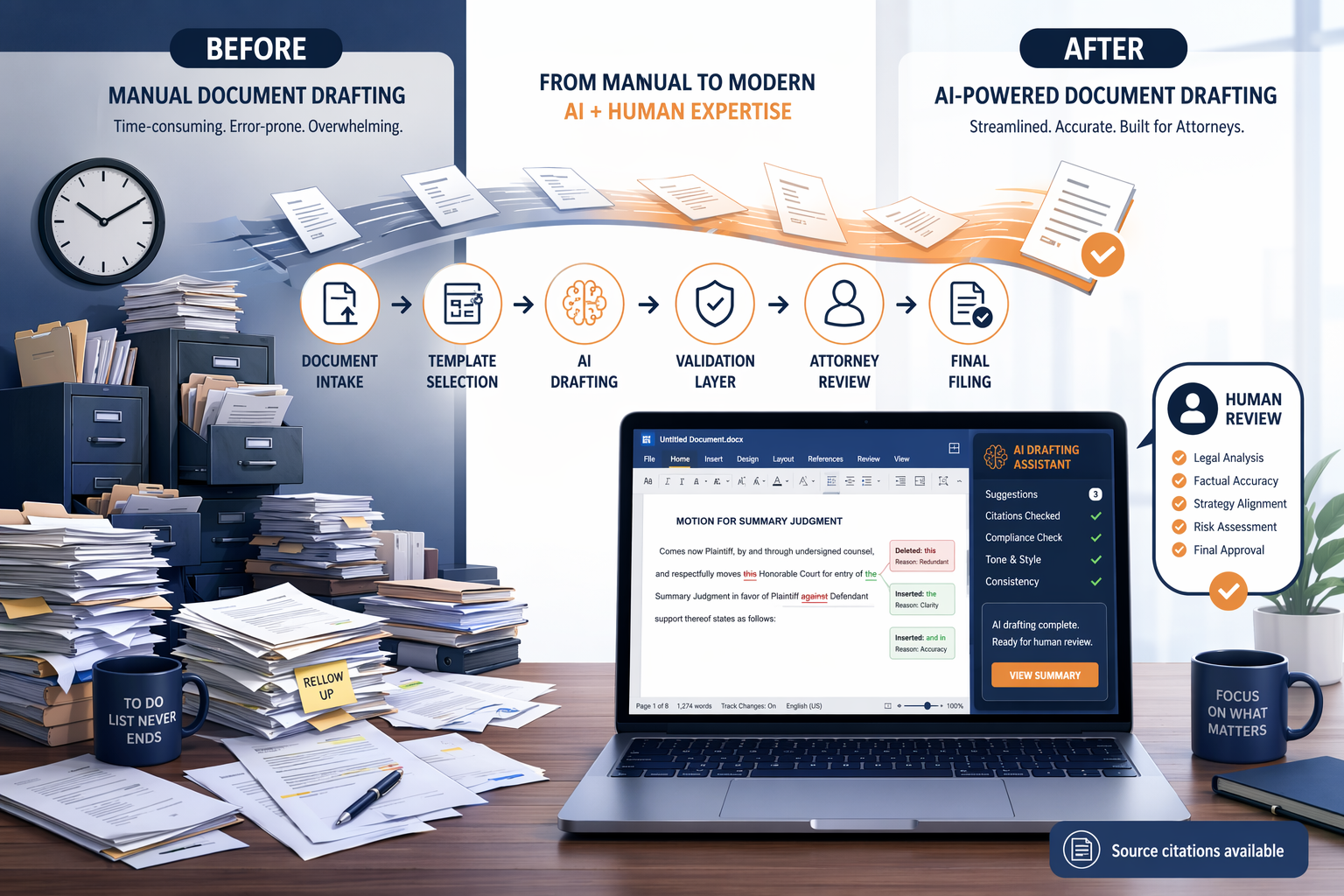
How to Build an AI Legal Document Workflow: A Step-by-Step Guide for Law Firms
A practical, structured guide for attorneys and legal ops leaders on designing an AI document workflow that maps document types to AI capabilities, integrates with case management software, and embeds mandatory human review at the correct points — grounded in current adoption data and professional responsibility requirements.
 UpdatedRelated cases0
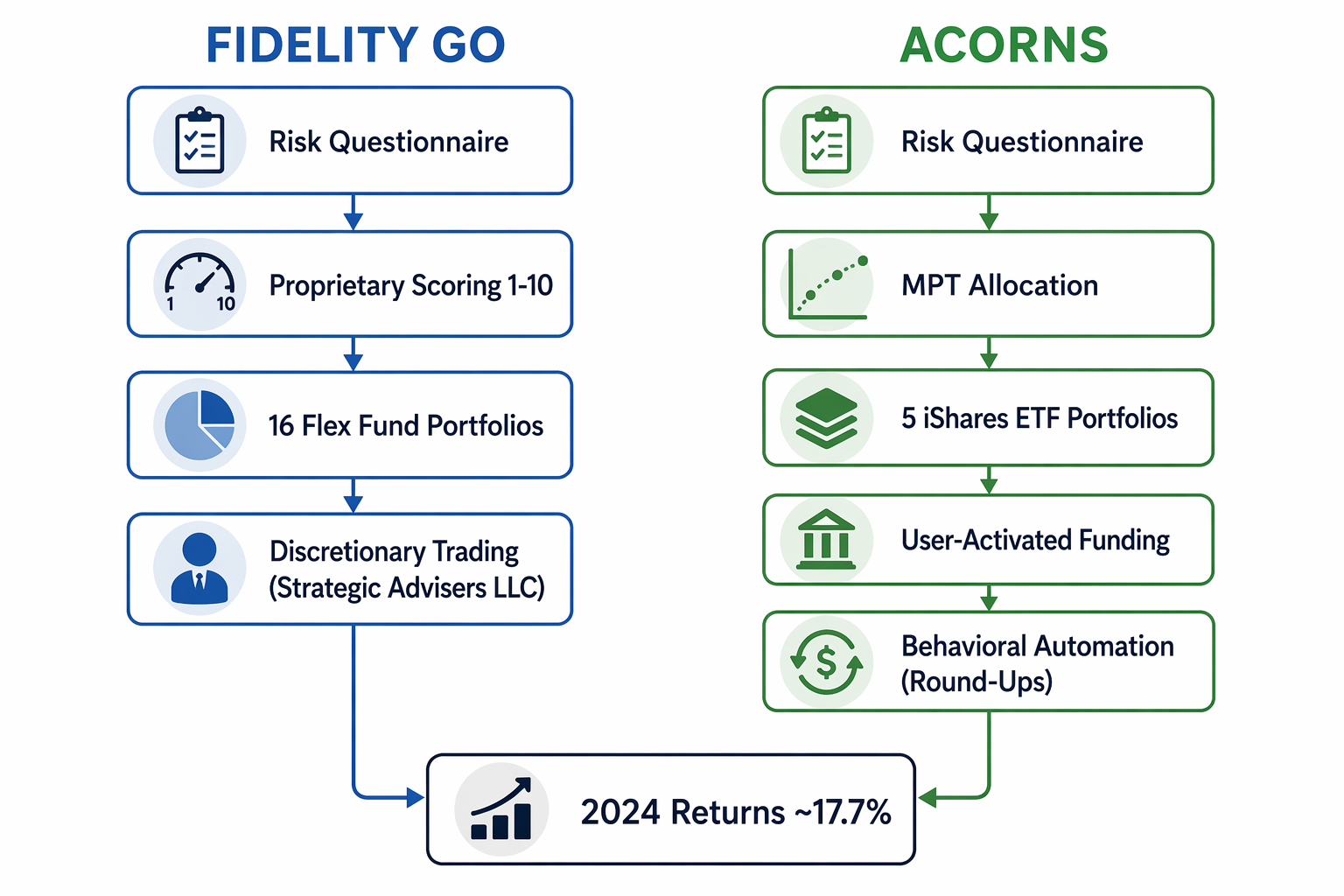
How Fidelity Go and Acorns Robo-Advisors Use AI Differently
This comparison examines the algorithmic and AI architectures behind Fidelity Go and Acorns robo-advisors, revealing how their fundamentally different approaches to risk scoring, portfolio construction, and discretionary trading affect the investor experience. Legal professionals evaluating automated investment platforms will learn why fee comparison alone misses the critical technical and fiduciary distinctions.
 UpdatedRelated cases0
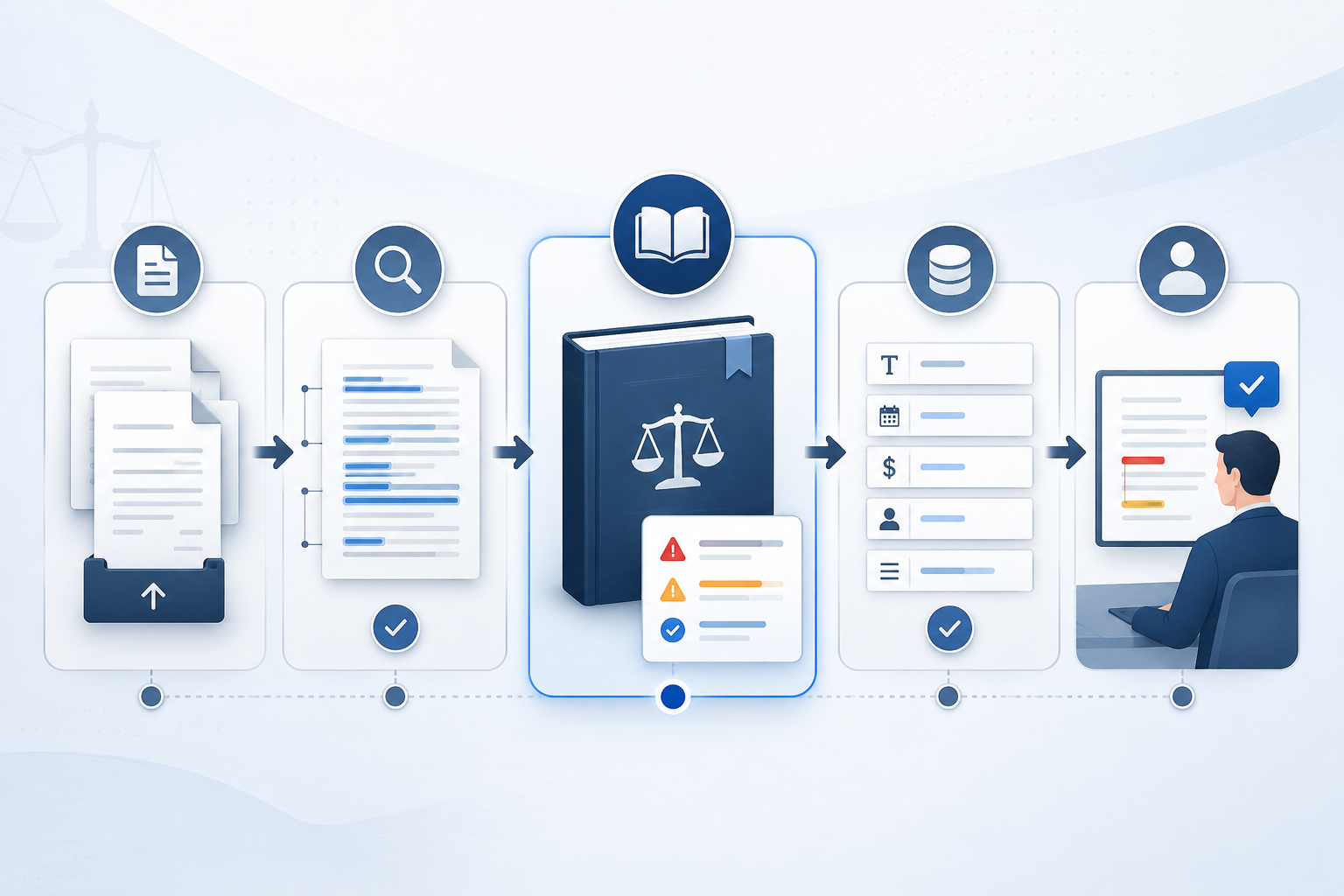
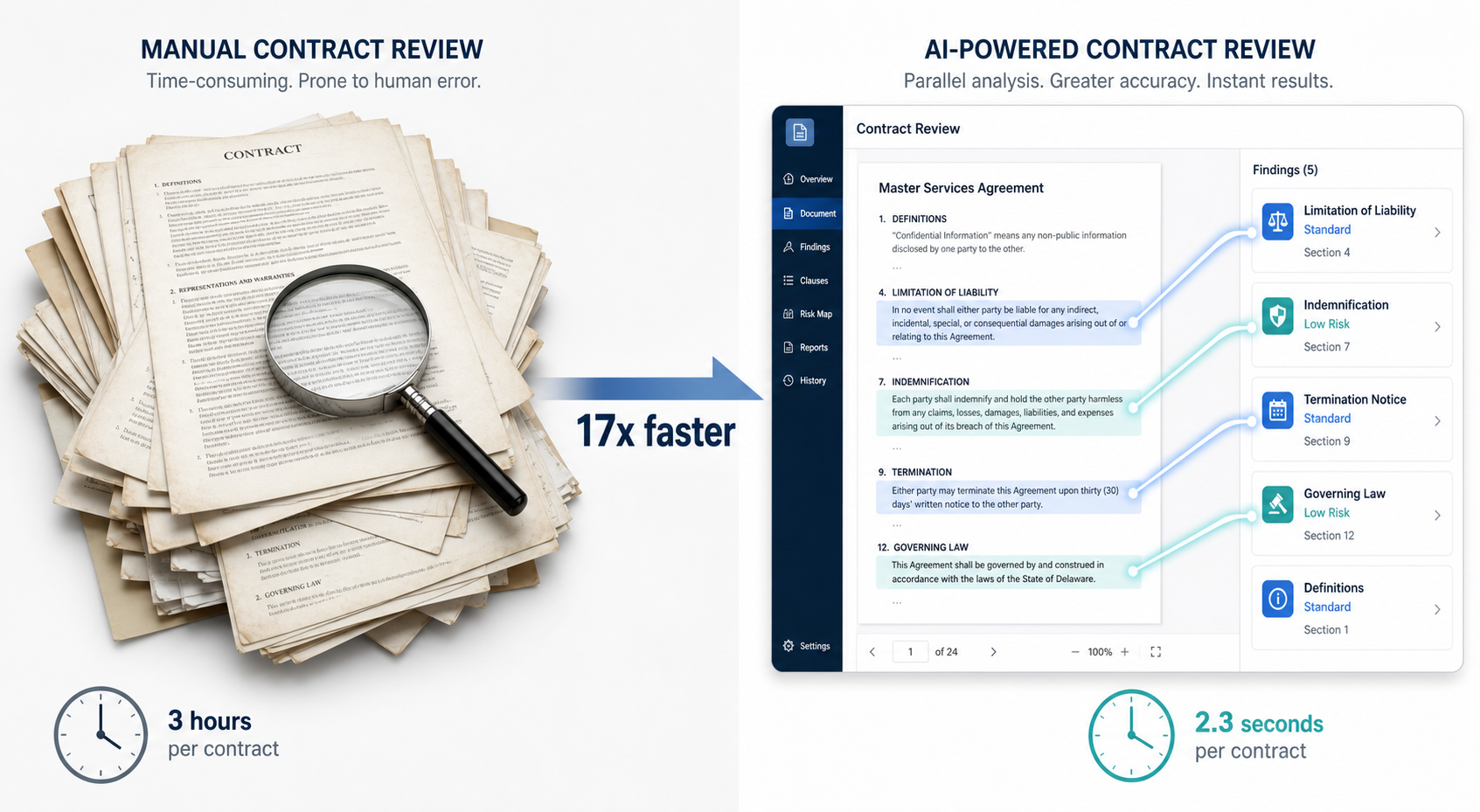
Understanding the AI Contract Review Pipeline
Understand the five-stage pipeline behind AI contract review—ingestion, clause identification, risk assessment, data extraction, and human review—and why playbook quality determines whether the output is reliable or inconsistent.
 UpdatedRelated cases0
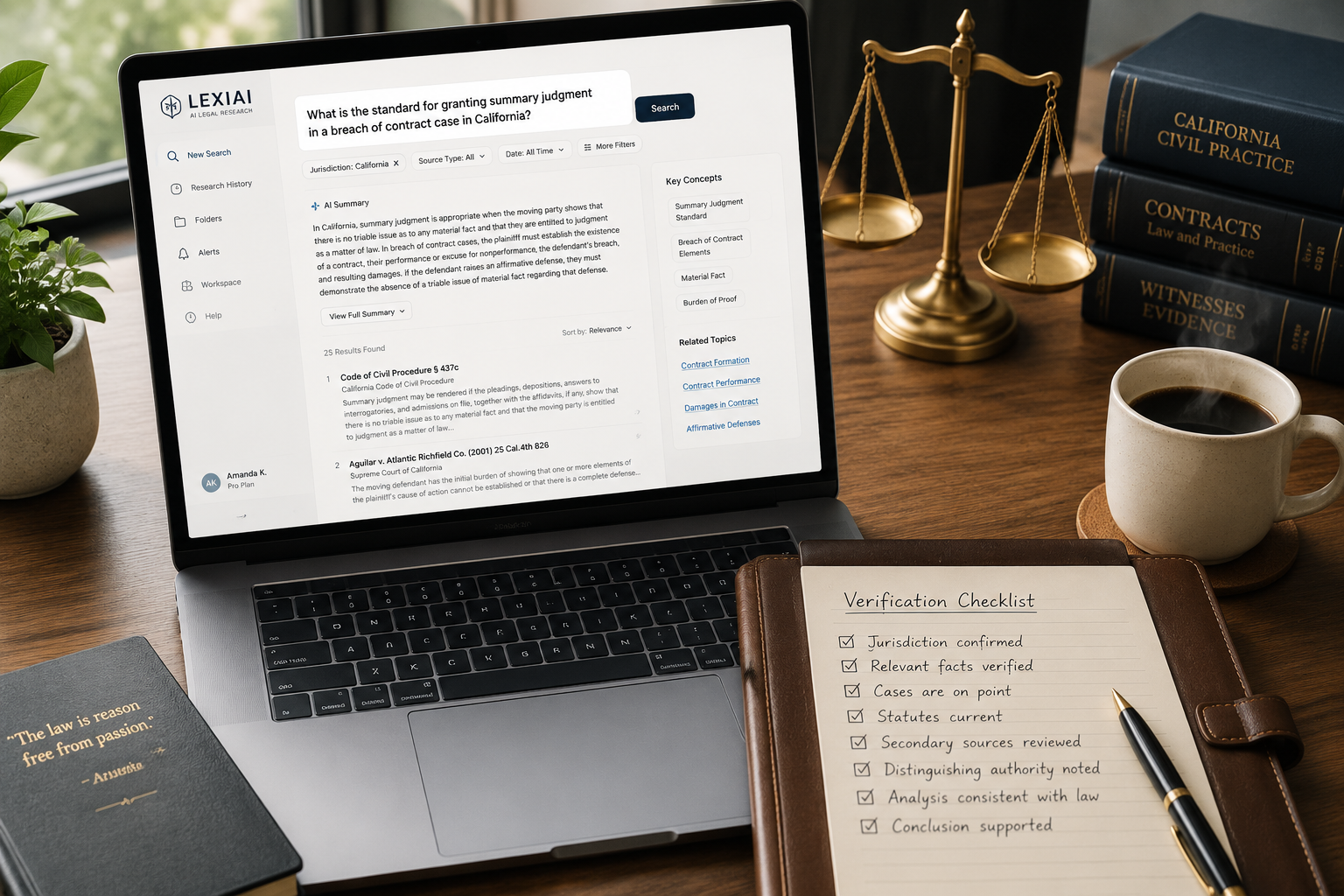
How to Use AI Legal Research Without Getting Sanctioned
A step-by-step guide to a verification-first workflow for AI-assisted legal research, showing how to capture time savings while avoiding sanctions and ethical violations. Based on ABA Formal Opinion 512 and independent accuracy benchmarks, the six-step protocol reduces risk and nets 40-60% time savings over traditional research.
 UpdatedRelated cases0
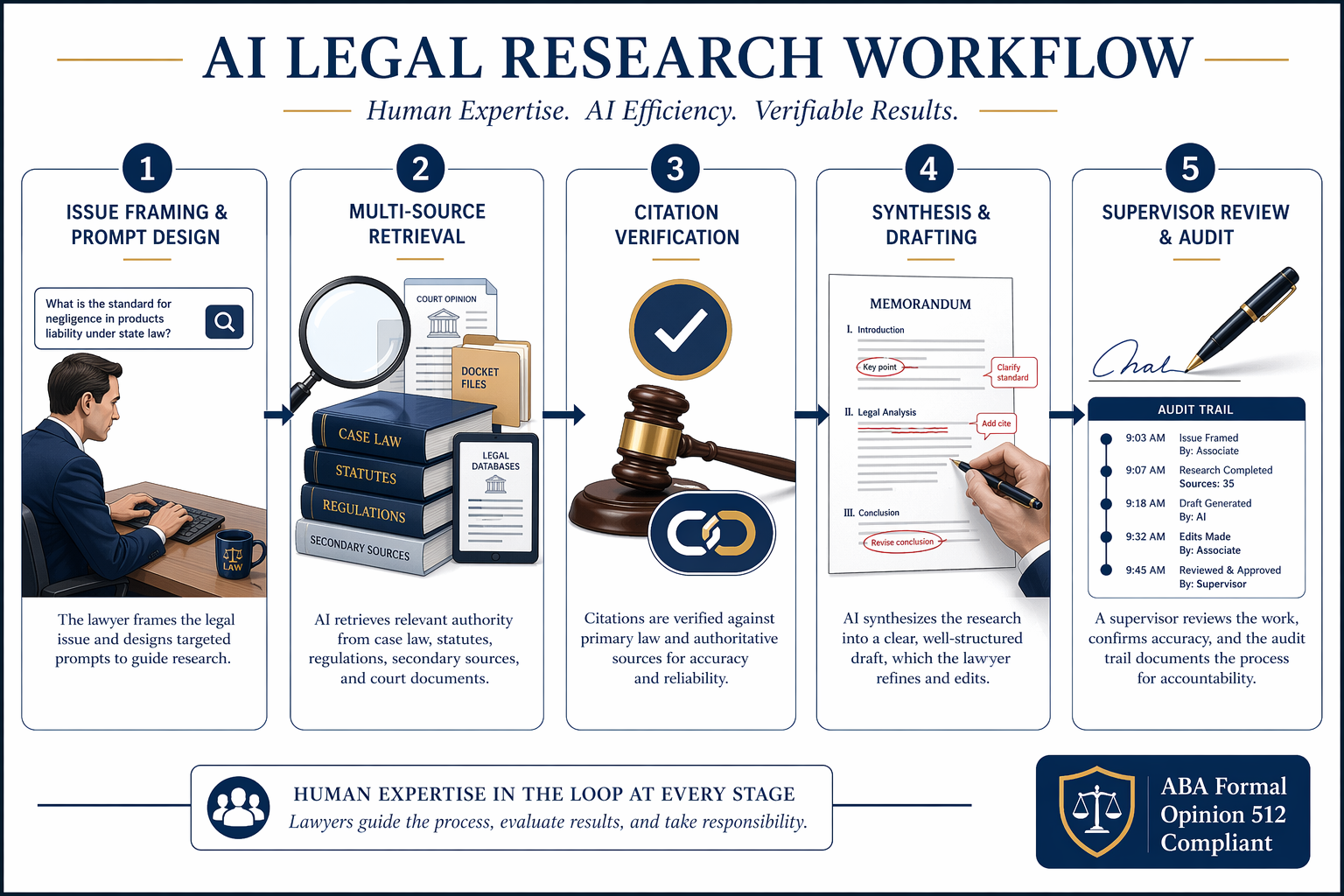
How to Build an AI Legal Research Workflow: A Step-by-Step Guide for Law Firms
A practical guide for attorneys, paralegals, and legal ops leaders on building a structured, ethical AI legal research workflow — covering prompt engineering, multi-source retrieval, citation verification, synthesis, and supervisor review, all governed by a traffic-light policy and the Prompt → Verify → Audit accountability loop.
- UpdatedRelated cases0
eDiscovery AI Document Review Workflow: How It Works and Where It Breaks
A structured walkthrough of the AI-assisted eDiscovery document review workflow — covering where machine learning and generative AI are inserted, what each stage actually does, documented failure modes, and the human verification steps practitioners currently apply to manage risk.
 UpdatedRelated cases0
How to Build Your AI Contract Review Tool Shortlist
A step-by-step framework for in-house counsel and legal ops leaders to evaluate AI contract review tools based on accuracy benchmarks, security certifications, playbook configurability, and total cost of ownership — grounded in independent data and professional responsibility requirements.
 UpdatedRelated cases0
AI Contract Review Accuracy: What the 2026 Benchmarks Actually Show About Purpose-Built vs. General-Purpose Models
This article synthesizes the 2026 LegalOn, Harvey Contract Intelligence, and ContractEval benchmarks to explain why purpose-built AI platforms significantly outperform general-purpose LLMs on precision-critical contract review tasks — and why the gap is driven by system architecture, not foundation model intelligence. Written for in-house counsel, legal ops leaders, and law firm partners evaluating AI contract review adoption.
 UpdatedRelated cases0
How to Use ChatGPT for Law Without Getting Sanctioned
This guide presents independent benchmarking data on AI hallucination rates for legal research tools, including ChatGPT and specialized platforms like Lexis+ AI and Westlaw AI-Assisted Research, and provides a structured verification workflow that helps attorneys avoid court sanctions under ABA Model Rule 1.1.
 UpdatedRelated cases0
Free AI Lawyer: What You Actually Get, What You Risk, and When You Still Need a Licensed Attorney
A research-driven guide for consumers and pro se litigants on free AI legal tools — covering their real capabilities, documented risks like hallucinated citations and confidentiality breaches, the surge in AI-related sanctions, and a practical decision framework for when these tools are useful versus when you must consult a licensed attorney.
 UpdatedRelated cases0
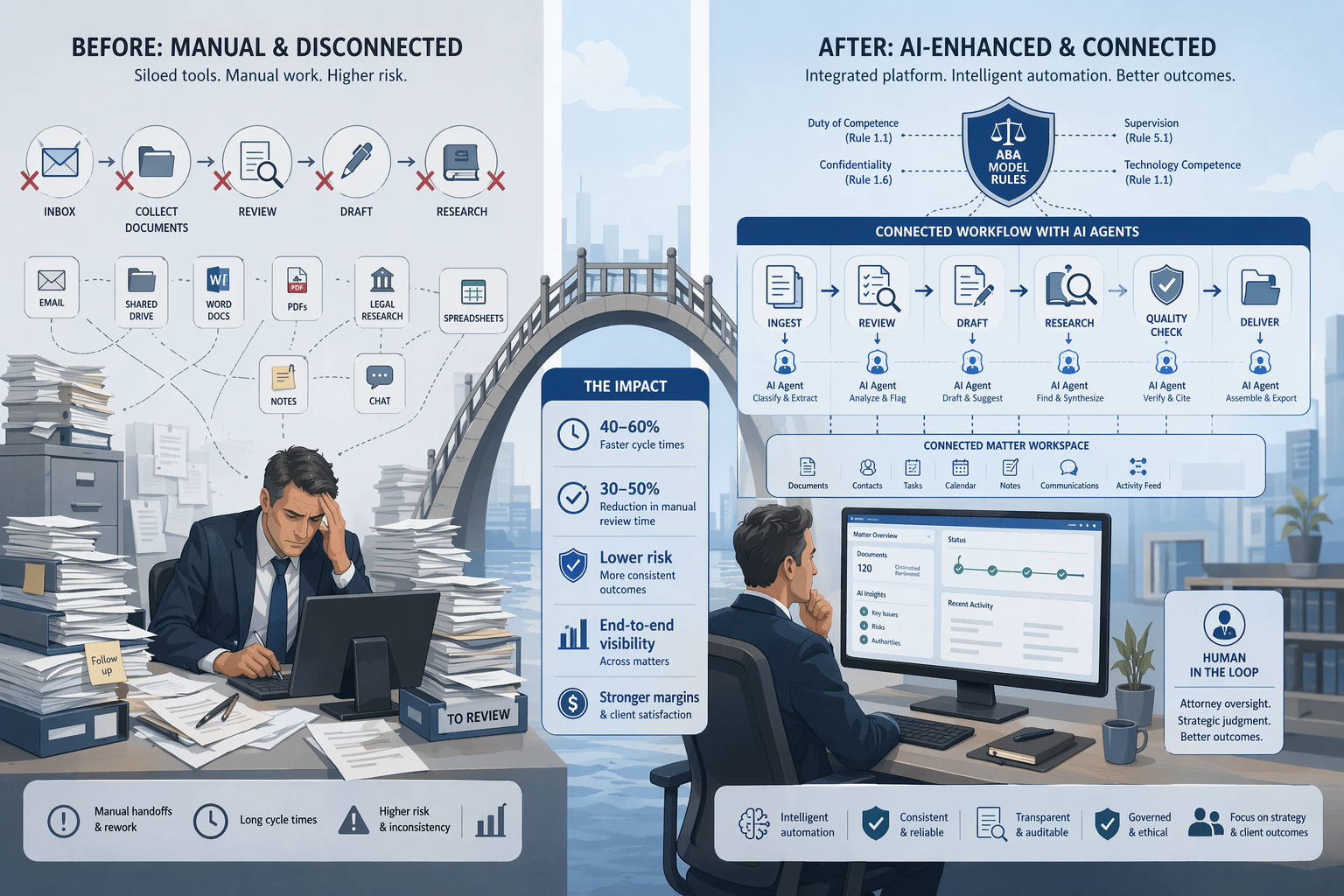
From Ad-Hoc to Structured AI Legal Document Workflows
Most legal teams use AI tools individually but lack a firm-wide system. This guide provides a workflow-based framework for moving from ad-hoc AI experimentation to structured, verifiable document workflows, reducing risk and capturing efficiency gains.
 UpdatedRelated cases0
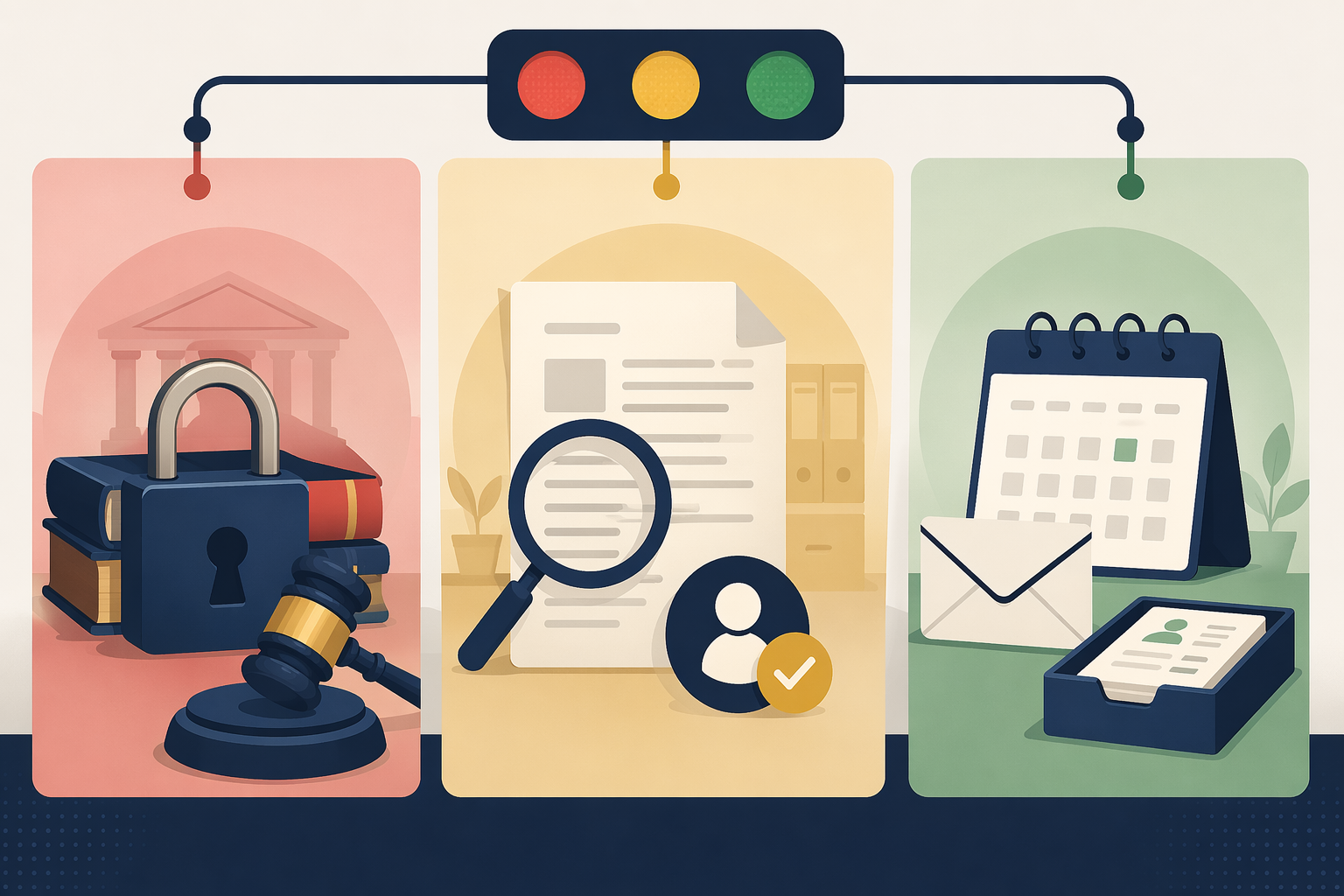
The Solo & Small Firm AI Paradox: Why High Adoption Isn't Translating to Higher Revenue (and How to Fix It)
Solo practitioners and small firms are adopting AI faster than any other segment of the legal profession, yet most haven't adjusted their pricing, lack a formal AI policy, and aren't seeing a financial return. This guide provides a practical, data-driven roadmap for turning AI efficiency into real profitability without a BigLaw budget.
 UpdatedRelated cases0
How to Build an AI Workflow Your Law Firm Can Defend
Many lawyers already use AI tools at work, but few firms have policies to defend that use. This guide outlines a risk-based traffic-light workflow framework that maps to ABA Formal Opinion 512 duties and can be implemented incrementally to close the governance gap before it leads to sanctions or client audits.
 UpdatedRelated cases0
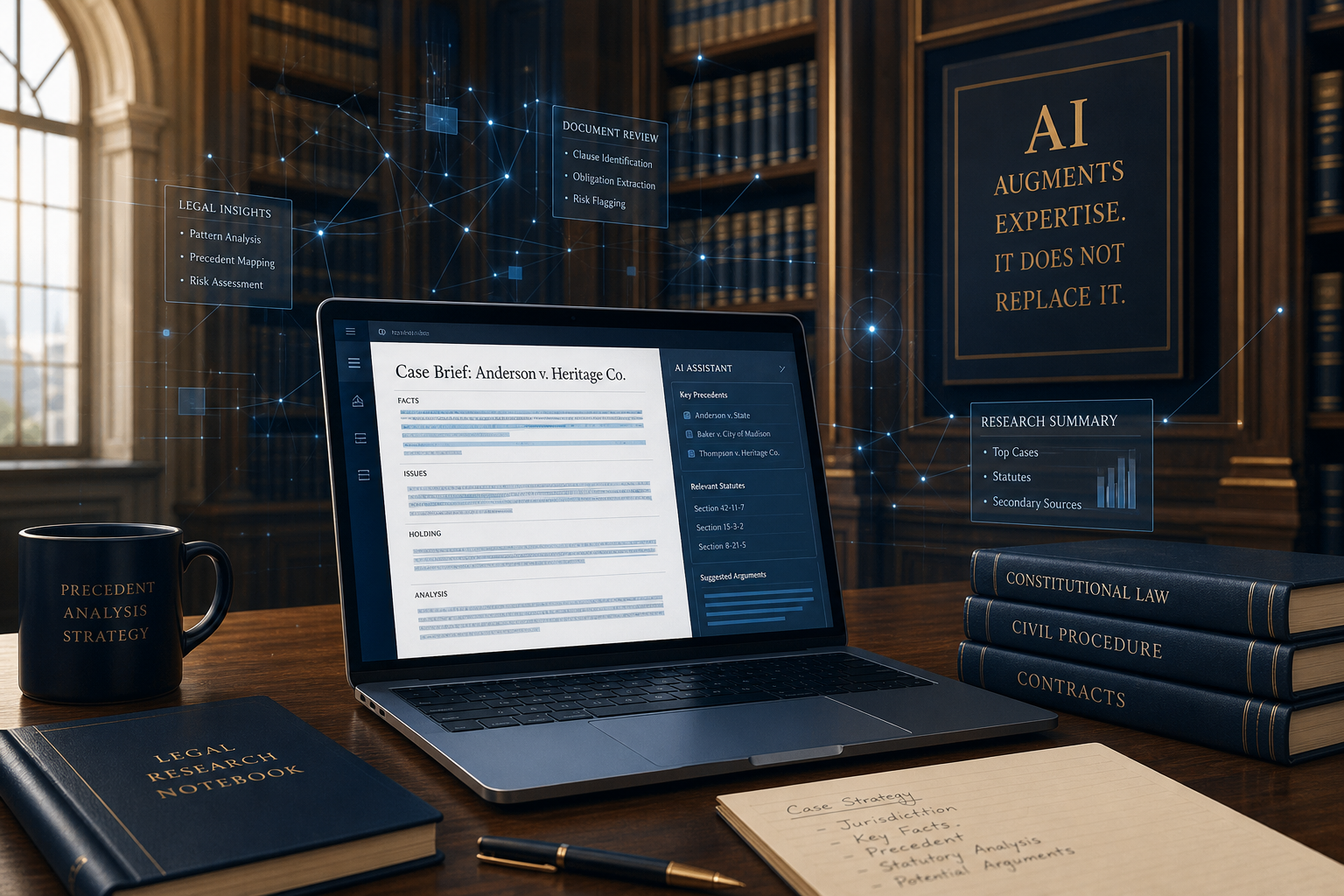
Implement AI in Your Law Firm with a Workflow-Guided Framework
A structured five-phase framework helps law firms move from ad hoc AI use to governed, ROI-measured deployment — addressing the readiness gap where 69% of professionals use AI but fewer than 9% of firms have enforced policies.
 UpdatedRelated cases0
AI Adoption in the Legal Sector: State of the Market 2026
A data-driven market survey for legal professionals, presenting the latest adoption statistics, firm-level readiness gaps, productivity gains, and competitive dynamics from the 8am 2026 Legal Industry Report and other key sources.
 UpdatedRelated cases0
AI Ethics in Legal Practice 2026: The Rules, the Sanctions, and the One-Page Policy Your Firm Needs
This action-oriented reference for in-house counsel, compliance officers, and risk managers synthesizes the escalating sanctions trajectory ($5K to $110K), the four-duty framework from ABA Formal Opinion 512 and Florida Bar Opinion 24-1, and a ready-to-adapt traffic-light policy template to close the governance gap.
- UpdatedRelated cases0
AI Legal Research Workflow: Human Verification Steps Practitioners Actually Use
A structured guide to where AI is inserted in the legal research workflow, what hallucination and citation risks practitioners have documented, and the specific human-in-the-loop verification steps attorneys and legal ops teams apply before relying on AI-generated output.
- UpdatedRelated cases0
eDiscovery AI Workflow Guide for Legal Teams: Document Review in Practice
A structured guide to how legal teams are applying AI at each stage of eDiscovery document review — covering where AI is actually inserted, what it cannot do, and which human-in-the-loop steps remain non-negotiable.