
Preventive procedures
Workflows
Numbered, reusable procedural pages describing human-in-the-loop steps practitioners actually use before, during, and after AI-assisted legal drafting: citation verification, supervising-attorney documentation, client consent, vendor due diligence, and billing disclosure. These are checklists and SOP-style pages, not narrative explainers, and each one links to the specific Risk Digest cases that motivated the step, closing the loop between documented failure and preventive action. Excludes case reporting (Risk Digest) and tool comparison (Evaluations). Serves practitioners who already understand the risk and need an actionable procedure to reduce it.
Pre-Filing
 UpdatedRoleattorneyRelated cases0
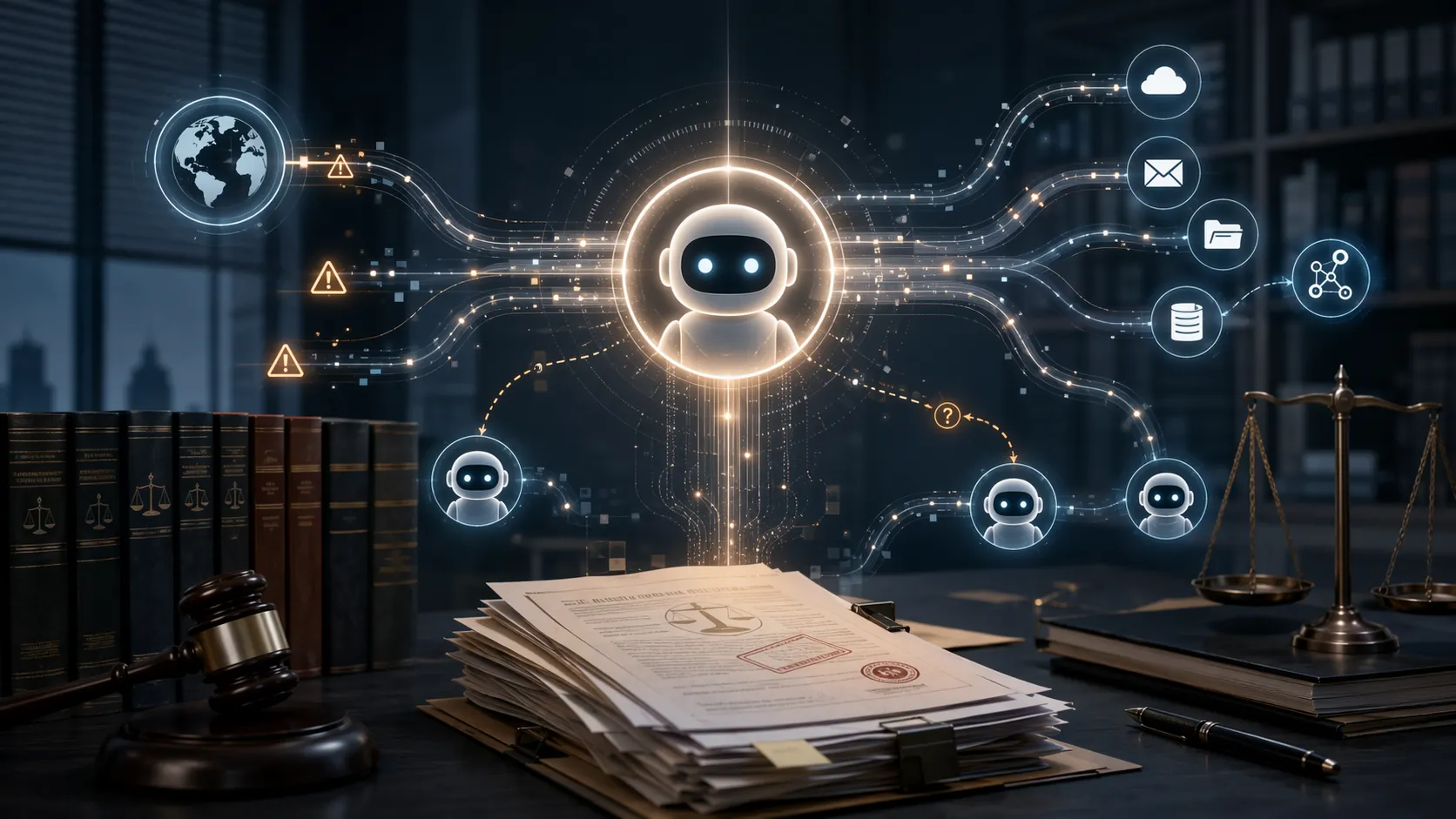
Gemini Spark's Agentic Features Test Legal AI Safeguards
This article evaluates how Gemini Spark's always-on, agentic architecture creates confidentiality, supervision, and verification risks that standard AI policies do not cover, and what law firms must configure before allowing it on client matters.
 UpdatedRoleattorneyRelated cases0
Five ChatGPT Settings Every Lawyer Must Configure Now
A five-step security checklist for legal professionals using ChatGPT. Each action is grounded in ABA Model Rules 1.6 and 1.1, and the February 2026 Heppner ruling, which made account-level data controls essential for preserving confidentiality.
 UpdatedRoleattorneyRelated cases0
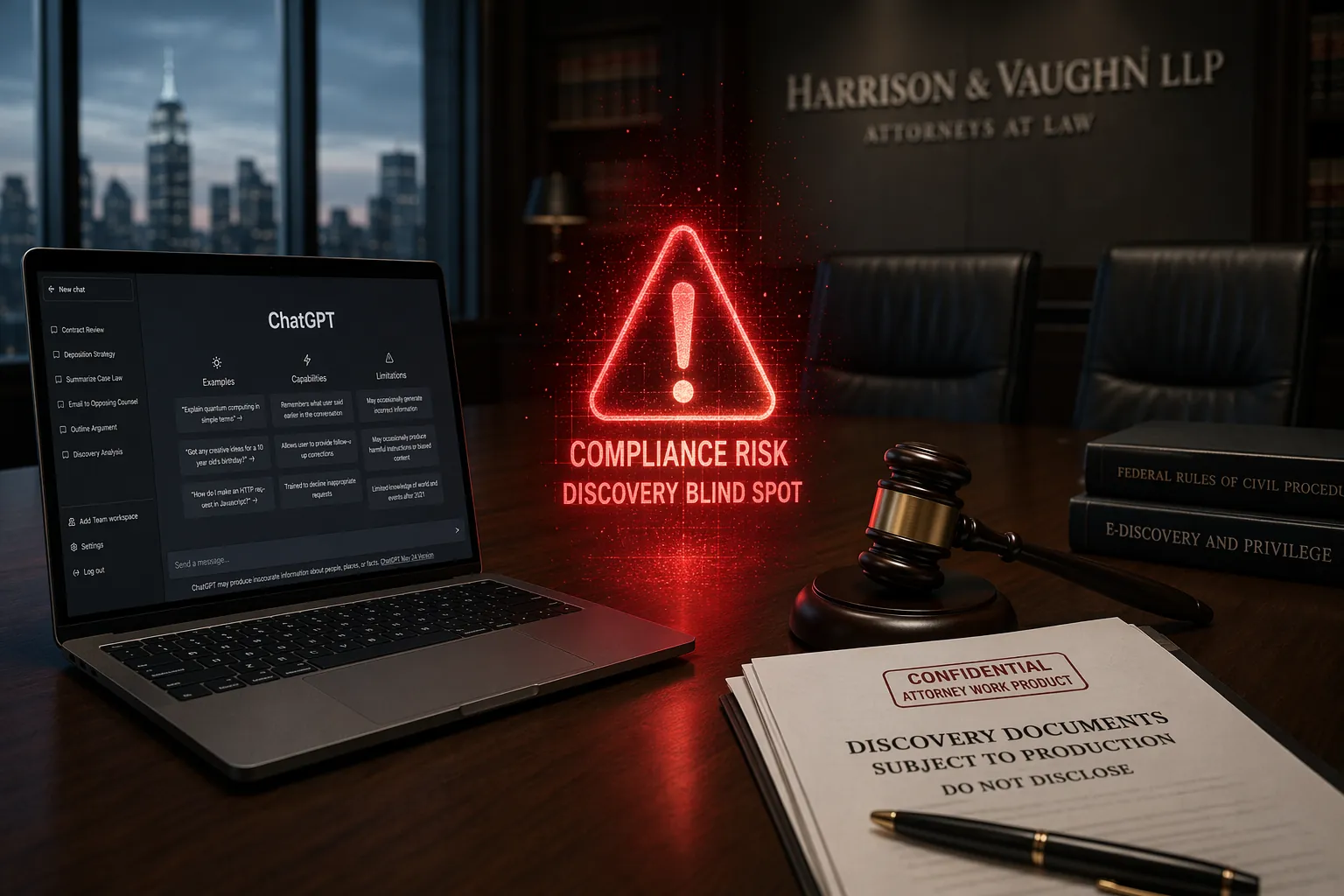
ChatGPT Business Export Limits Create Discovery Risks for Law Firms
A structured comparison of ChatGPT account tiers against law firm discovery obligations under FRCP 26/34 and ABA Model Rules, exposing the Business tier's export gap and the active configuration required for Enterprise to meet preservation and production duties.
 UpdatedRolepro se litigantRelated cases0
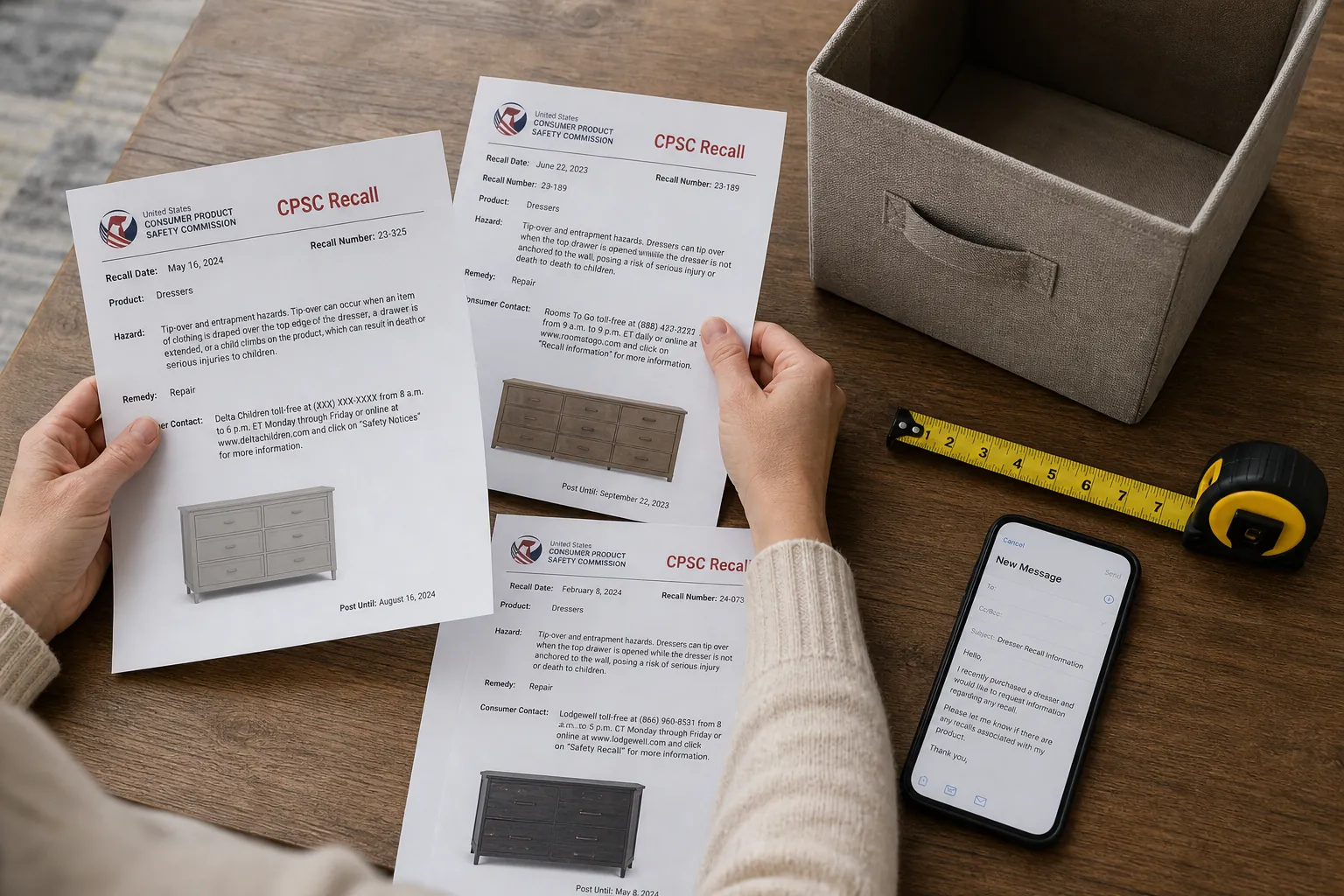
Which EnHomee Dresser Recall Applies to You?
Three separate CPSC recall actions and one warning affect EnHomee dressers sold between 2023 and 2026, each with different contact channels and refund requirements. This verification workflow helps you identify your model, match it to the correct recall, and get your refund without dead ends.
 UpdatedRoleattorneyRelated cases0
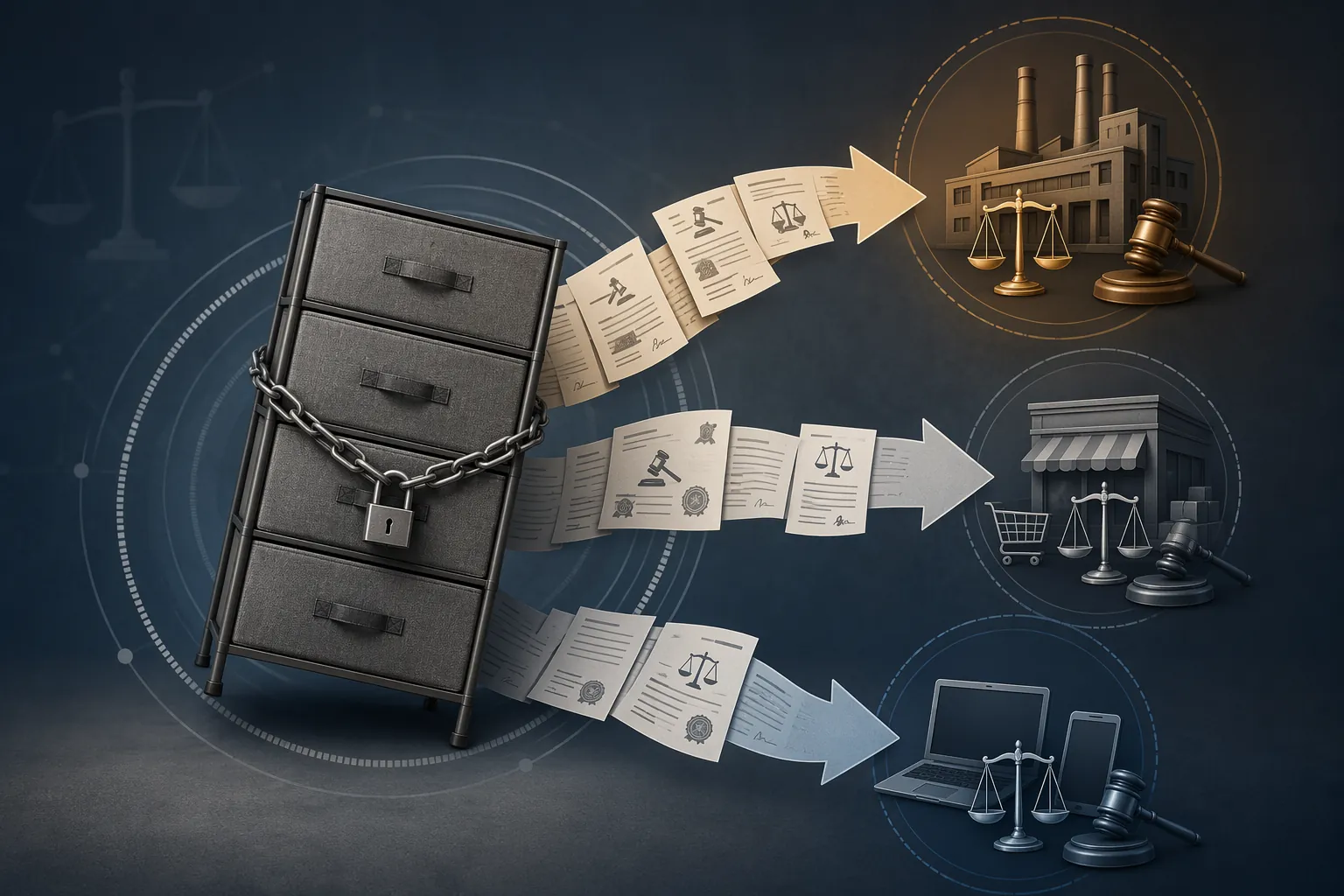
Who Is Liable in the Walmart EnHomee Dresser Recall?
A legal assessment of the three-tier liability—manufacturer, seller, and marketplace platform—in the CPSC's EnHomee 9-drawer dresser recall (No. 26-633) for STURDY Act violation, covering claims beyond the refund remedy and the implications of repeated recalls.
Review
 UpdatedRoleattorneyRelated cases0
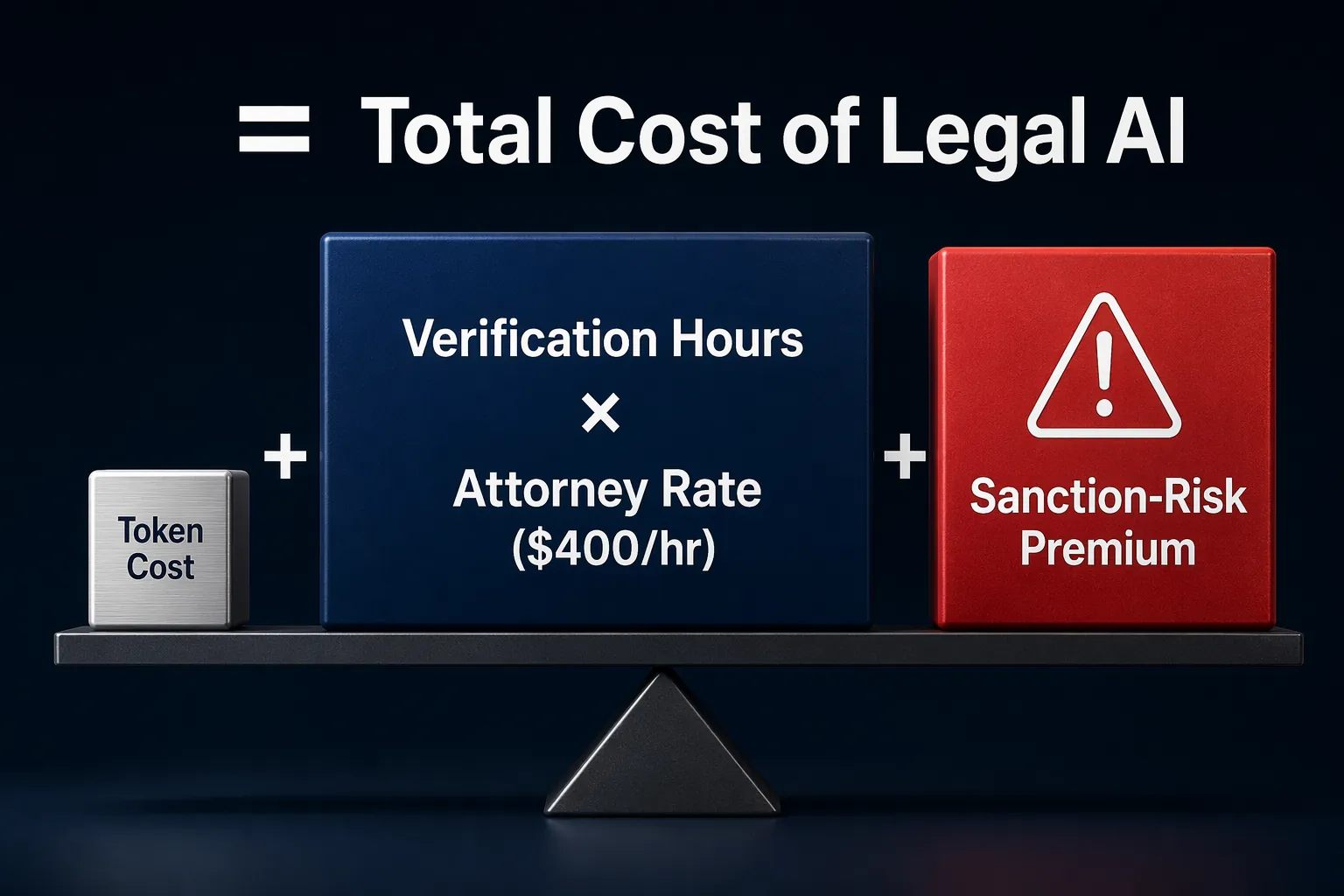
Why OpenAI API Pricing Misleads Legal Professionals
Raw OpenAI API token pricing hides the dominant cost of using GPT models in legal work: mandatory human verification required by ABA Formal Opinion 512 and escalating sanction risk. This article breaks down the total cost including verification hours and sanction-risk premium, showing why the sticker price is a dangerous proxy.
 UpdatedRoleattorneyRelated cases0
How to Audit What ChatGPT Knows About You in 8 Steps
This workflow walks legal professionals through an auditable procedure to discover what personal data ChatGPT has stored, export it, delete memory, and lock down privacy settings — creating a documented record that satisfies professional responsibility obligations under ABA Opinion 512.
 UpdatedRoleattorneyRelated cases0
Custom Gemini Gems Don't Reduce Legal AI Risk
Lawyers may assume custom Gemini Gems are safer for legal workflow tasks because instructions are tailored, but the Gem inherits the same hallucination, confidentiality, and supervision risks as the underlying Gemini tier. This article examines the research and documented sanction cases to show why customization is not a risk mitigation measure.
Post-Filing
Pre-Filing-Review
 UpdatedRelated cases0
How to Track SSA's AI Tools Through the Appeals Process
The SSA has deployed multiple AI tools across its four-level appeals process, but no public source tracks which tools touched a specific claim. This article inventories those tools and identifies the verification obligations practitioners face as of mid-2026.
 UpdatedRelated cases0
Why attorneys can't rely on SSA's status tracker
Disability attorneys who depend on SSA's new Claim Status Tracker need to understand its documented accuracy limitations and implement cross-verification steps to avoid missing critical deadlines. This article explains why the tracker alone is insufficient and provides actionable verification workflows.
General workflows
 UpdatedRelated cases0
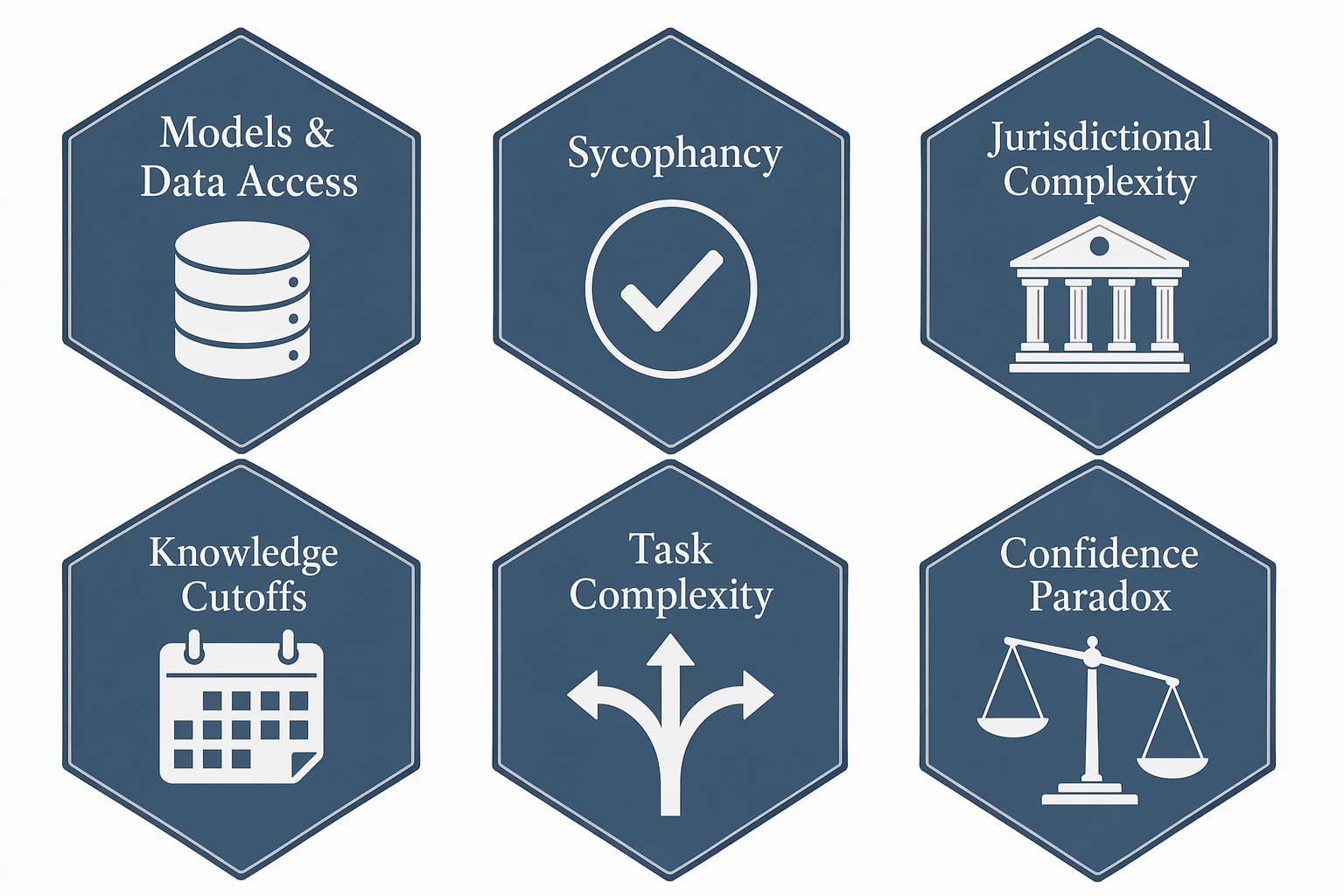
AI Legal Research Hallucinations: What Every Lawyer Needs to Know in 2026
Independent academic testing shows even the best legal AI tools hallucinate 17–34% of the time. This article presents the six persistent error patterns identified by research and a structured Prompt → Verify → Audit protocol to help practicing attorneys, paralegals, and law librarians verify AI-generated legal research before filing.
 UpdatedRelated cases0
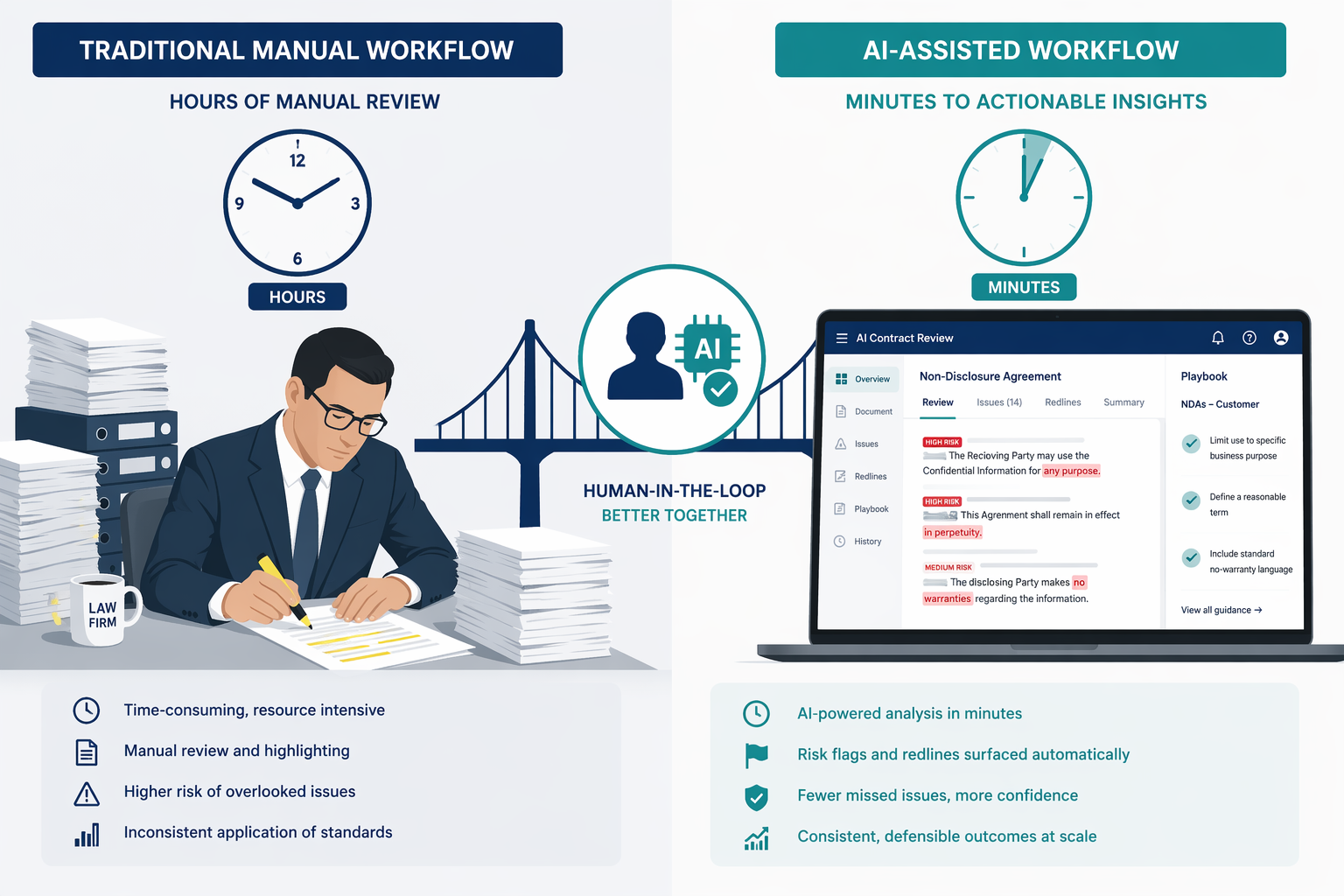
General-Purpose AI vs. Purpose-Built Legal AI for Contract Review: What Every Lawyer Should Know Before Adopting
This guide compares general-purpose AI tools (like ChatGPT) with purpose-built legal AI platforms for contract review, providing attorneys and in-house counsel with benchmark data, professional responsibility analysis under ABA Model Rules, and a practical decision framework for responsible adoption.
 UpdatedRelated cases0
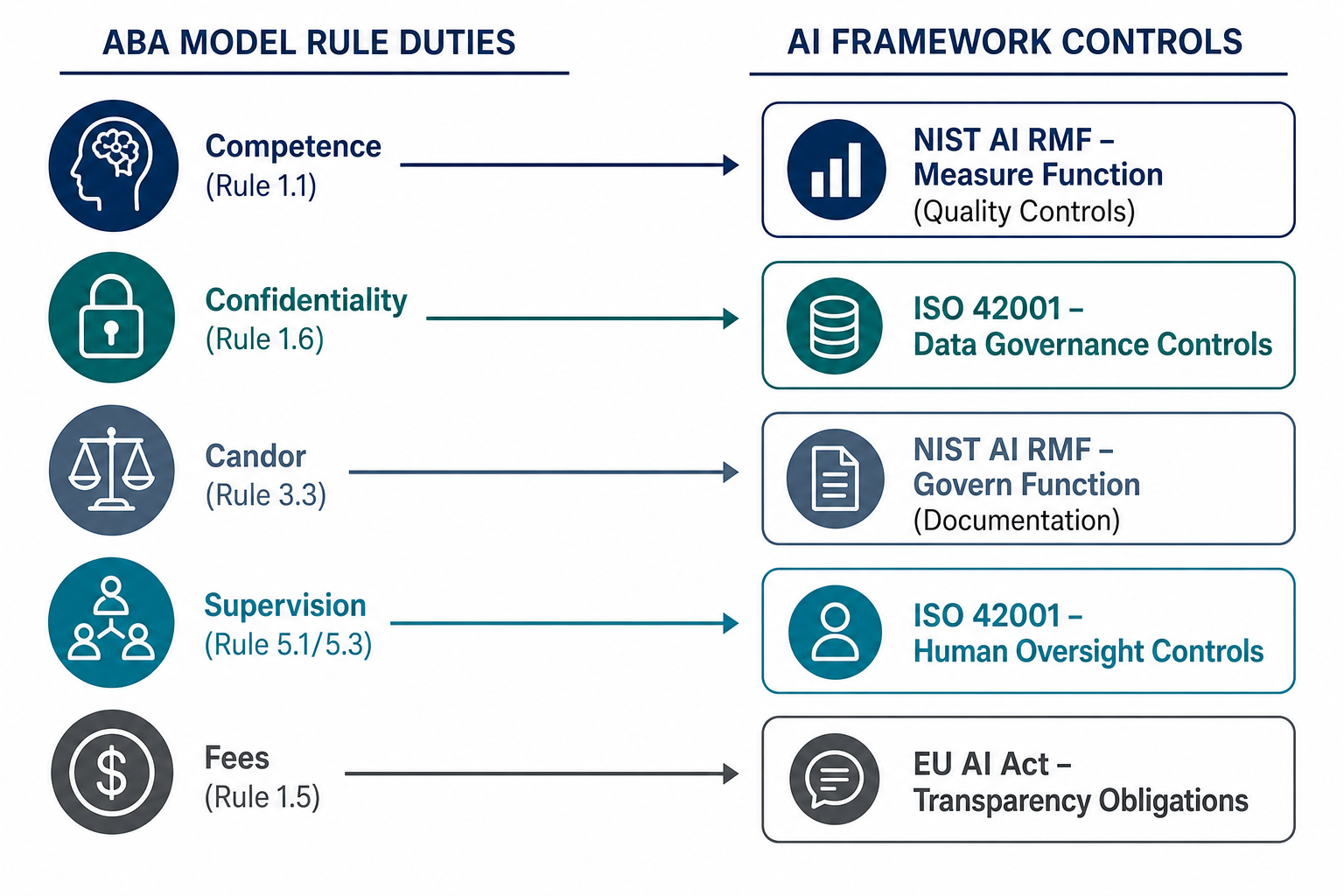
The Double-Compliance Burden: Building an AI Compliance Framework for Law Firms That Satisfies Ethics Rules and AI Regulations
Law firms face a unique challenge: they must comply with both professional responsibility rules (ABA Formal Opinion 512, state bar opinions) and emerging AI regulations (EU AI Act, NIST AI RMF, state AI laws). This guide provides a unified framework that maps ethics duties to specific AI controls, helping managing partners, GCs, and compliance officers build a single program that satisfies both layers.
 UpdatedRelated cases0
The Legal Tasks Where Artificial Intelligence Saves the Most Time
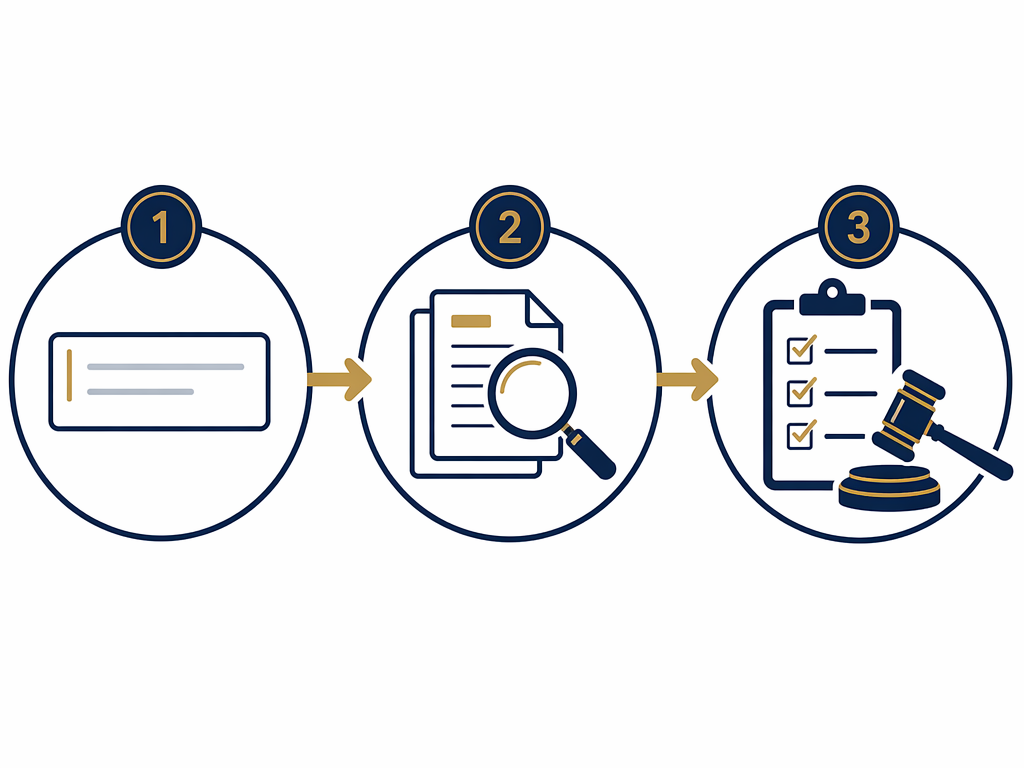
This guide maps the legal tasks where artificial intelligence delivers measurable time savings in 2026, drawing on survey data to show that contract review leads in impact, followed by legal research and document review, and explains why workflow integration is the deciding factor for ROI.
 UpdatedRelated cases0
ChatGPT for Legal Work: The Complete Ethics and Risk Framework for Attorneys in 2026
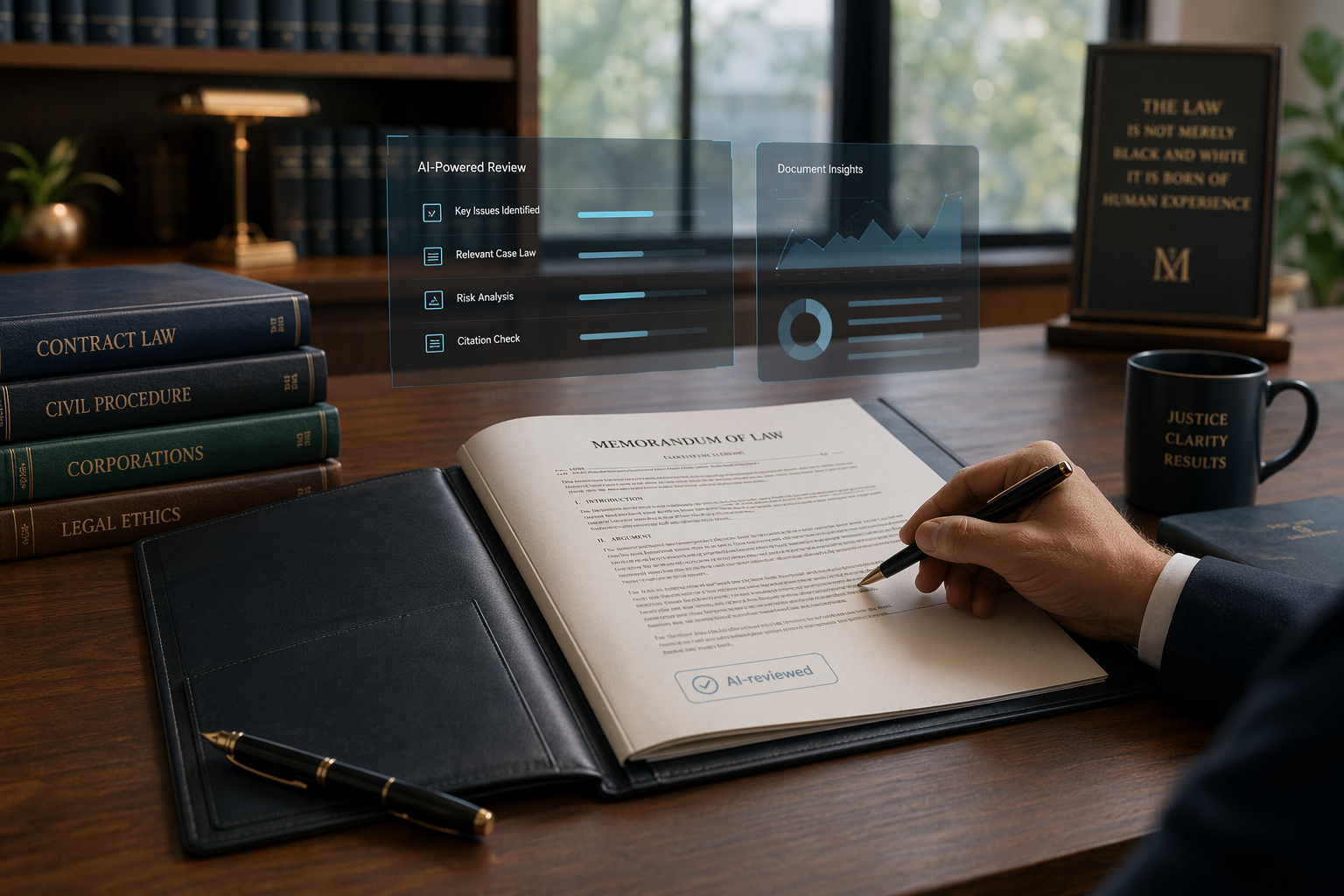
A single authoritative reference for practicing attorneys, in-house counsel, and legal ops leaders on the complete ethics and risk framework for using ChatGPT in 2026. Covers the current legal status across 35+ state bar guidances, the six ethical pillars from the ABA Model Rules, a sanctions escalation timeline, a practical Prompt→Verify→Audit workflow, and a ready-to-use firm policy template.
 UpdatedRelated cases0
The AI and Hourly Billing Paradox: Why Efficiency Disrupts the Law Firm Business Model
This article examines the structural tension between AI-driven efficiency and the hourly billing model that dominates law firm economics. Drawing on AmLaw100 executive interviews, Clio pricing data, and Thomson Reuters market analysis, it offers frameworks for navigating the transition to value-based pricing.
 UpdatedRelated cases0
What the Data Shows About AI Legal Research Accuracy
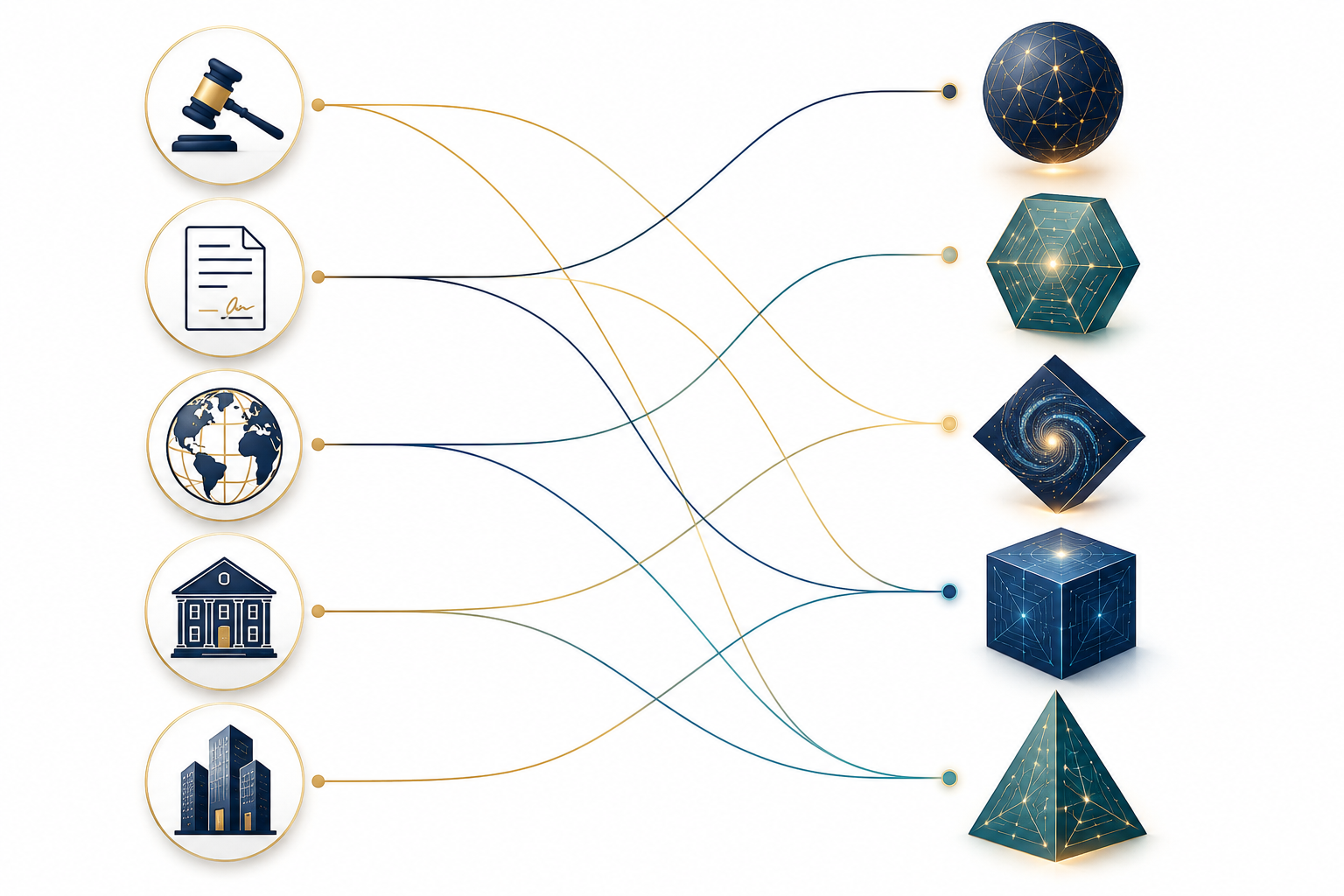
Synthesizing the latest benchmarks, hallucination rates, and court sanction records, this assessment reveals that every major AI legal research tool hallucinates at measurable rates. The data supports a mandatory verification workflow, not blanket trust or rejection.
 UpdatedRelated cases0
Which AI Legal Research Tool Fits Your Practice?
Confused by rebranded AI legal research platforms and conflicting benchmarks? This guide compares Westlaw, Lexis+, CoCounsel, Harvey, and others on independent accuracy data, price transparency, corpus scope, and security — so you can choose based on your litigation or transactional practice, not marketing hype.
 UpdatedRelated cases0
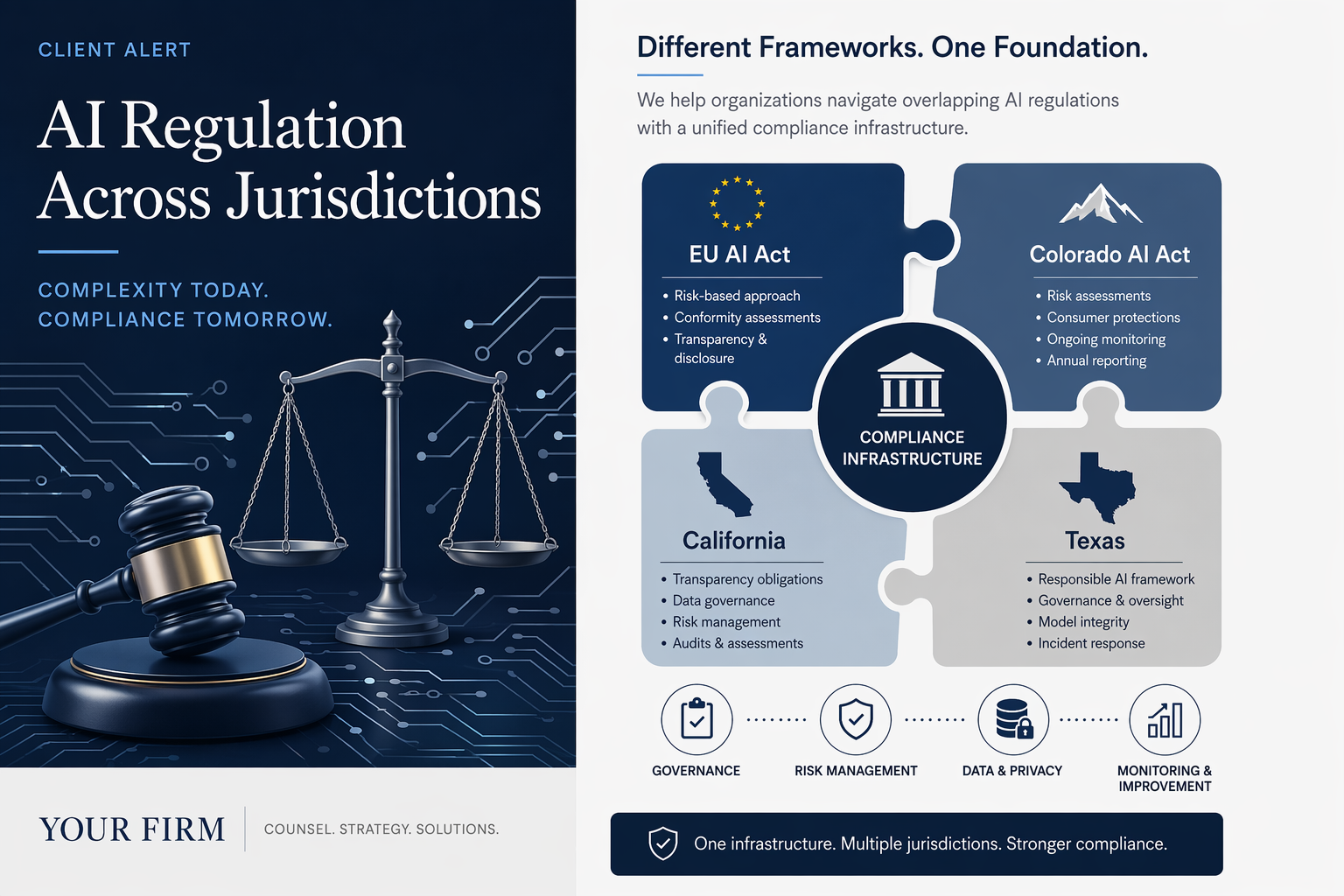
Building AI Compliance Governance Infrastructure: A Practical Guide for Legal and Compliance Teams
This guide provides compliance officers, legal operations managers, and risk officers with a structured, operational approach to building the AI governance infrastructure regulators now demand — including AI inventories, risk classification systems, model lifecycle controls, and continuous monitoring programs.