
Preventive procedures
Workflows
Numbered, reusable procedural pages describing human-in-the-loop steps practitioners actually use before, during, and after AI-assisted legal drafting: citation verification, supervising-attorney documentation, client consent, vendor due diligence, and billing disclosure. These are checklists and SOP-style pages, not narrative explainers, and each one links to the specific Risk Digest cases that motivated the step, closing the loop between documented failure and preventive action. Excludes case reporting (Risk Digest) and tool comparison (Evaluations). Serves practitioners who already understand the risk and need an actionable procedure to reduce it.
General workflows
 UpdatedRelated cases0
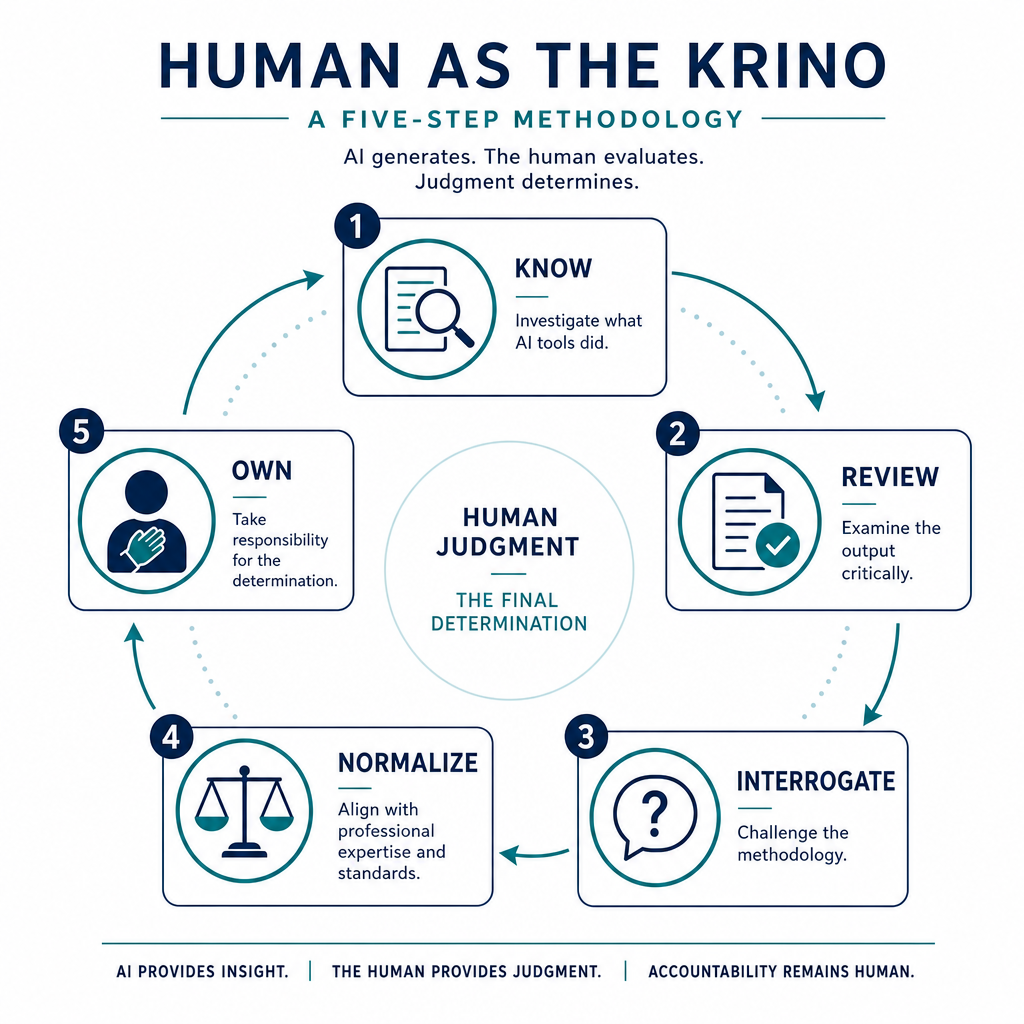
Building a Defensible AI Workflow Automation Framework for eDiscovery: The Human-in-the-Lead Model
This article provides a practical framework for attorneys, eDiscovery counsel, and compliance officers to integrate AI workflow automation into eDiscovery while satisfying professional responsibility obligations. It covers the Krino methodology, mapping ABA Model Rules to EDRM stages, emerging case law like the Heppner standard, and a playbook for defensible implementation.
 UpdatedRelated cases0
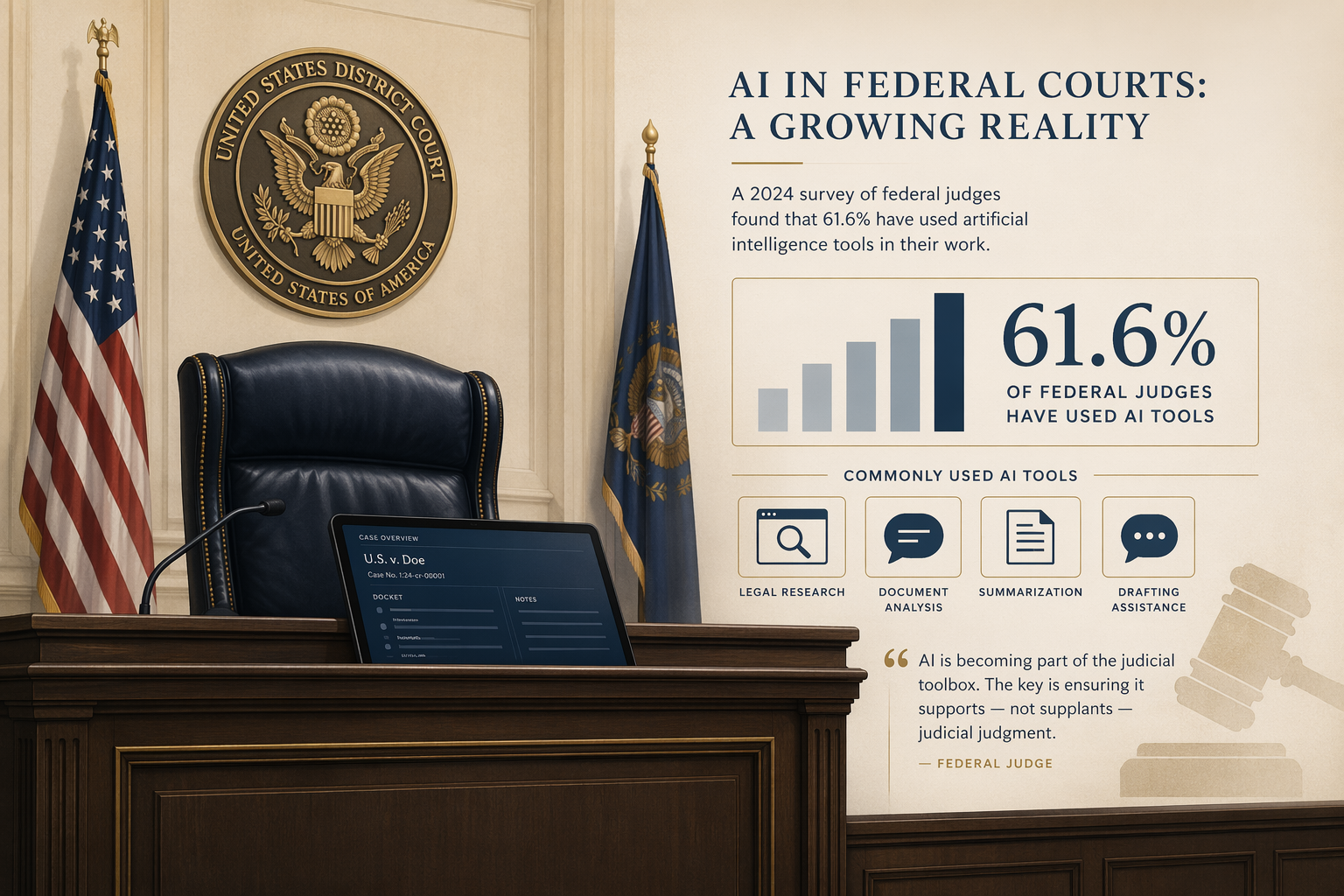
61.6% of Federal Judges Are Already Using AI — What Litigators Must Know About the New Judicial AI Landscape
A landmark survey of 502 federal judges reveals that 61.6% have used AI in chambers, creating a strategic asymmetry for litigators. This article breaks down the data on judicial AI usage, tool preferences, training gaps, and policy fragmentation, then provides actionable guidance for recalibrating litigation strategy in an era where the bench may be more AI-literate than the bar.
 UpdatedRelated cases0
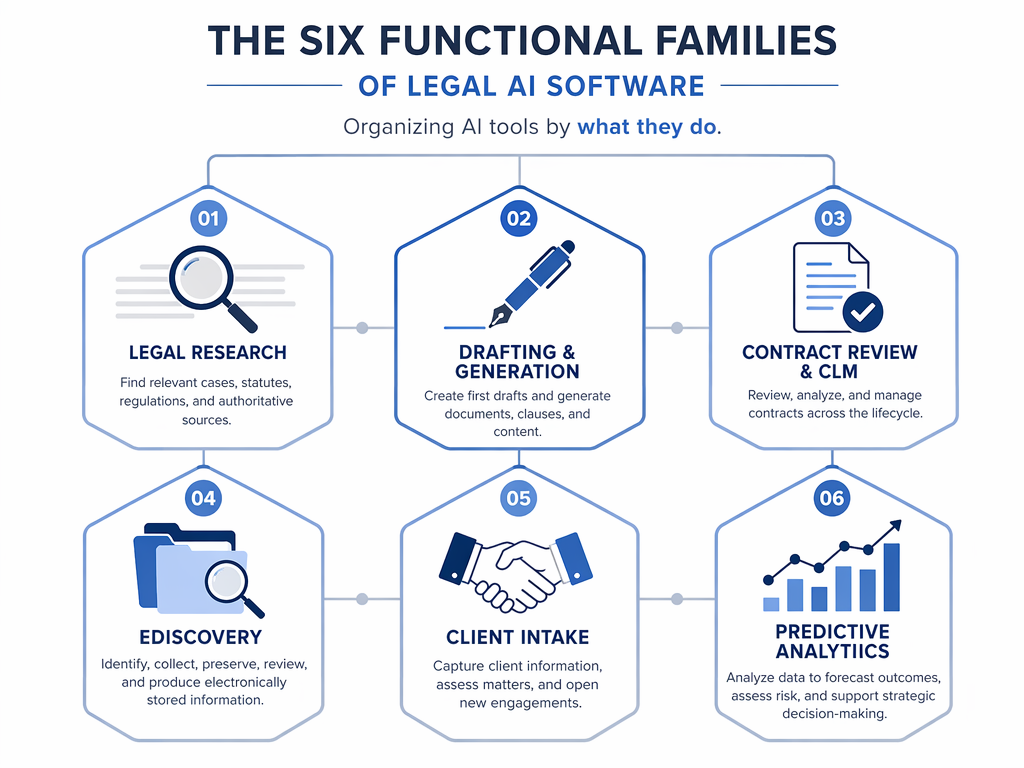
How to Choose AI Software for Your Law Firm: A Workflow-First Decision Framework
A structured method for managing partners and legal ops leaders at solo, small, and mid-size firms to evaluate AI tools by mapping workflows first, running controlled pilots, and measuring ROI against real documents — avoiding the budget waste and ethical exposure of feature-list buying.
 UpdatedRelated cases0
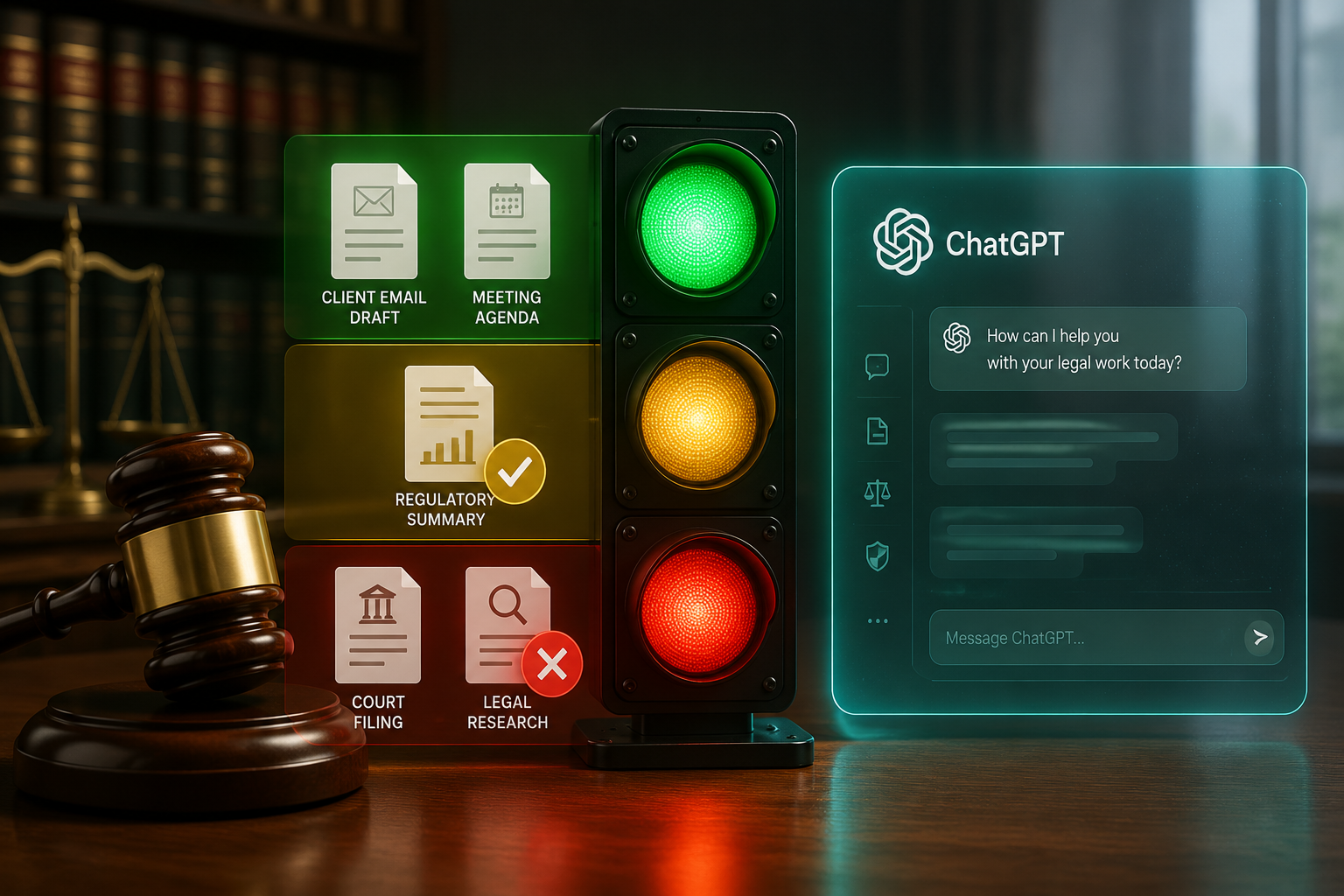
Which Legal Tasks Can ChatGPT Handle Safely
This guide breaks down common legal tasks into three risk tiers — green, yellow, and red — so you can identify which ones are safe for ChatGPT, which require purpose-built legal AI tools, and which should never be delegated to a general-purpose LLM. It is grounded in ABA Formal Opinion 512, documented sanctions, and practitioner evidence.
 UpdatedRelated cases0
AI for Contract Review: What the Data Says About Adoption, ROI, and the Governance Gap
A data-driven strategic analysis for legal ops leaders, managing partners, and compliance officers examining the widening gap between rapid individual AI adoption and lagging organizational governance in contract review — covering adoption rates, policy deficits, training gaps, pricing paradoxes, data ownership risks, and the ROI measurement problem.
 UpdatedRelated cases0
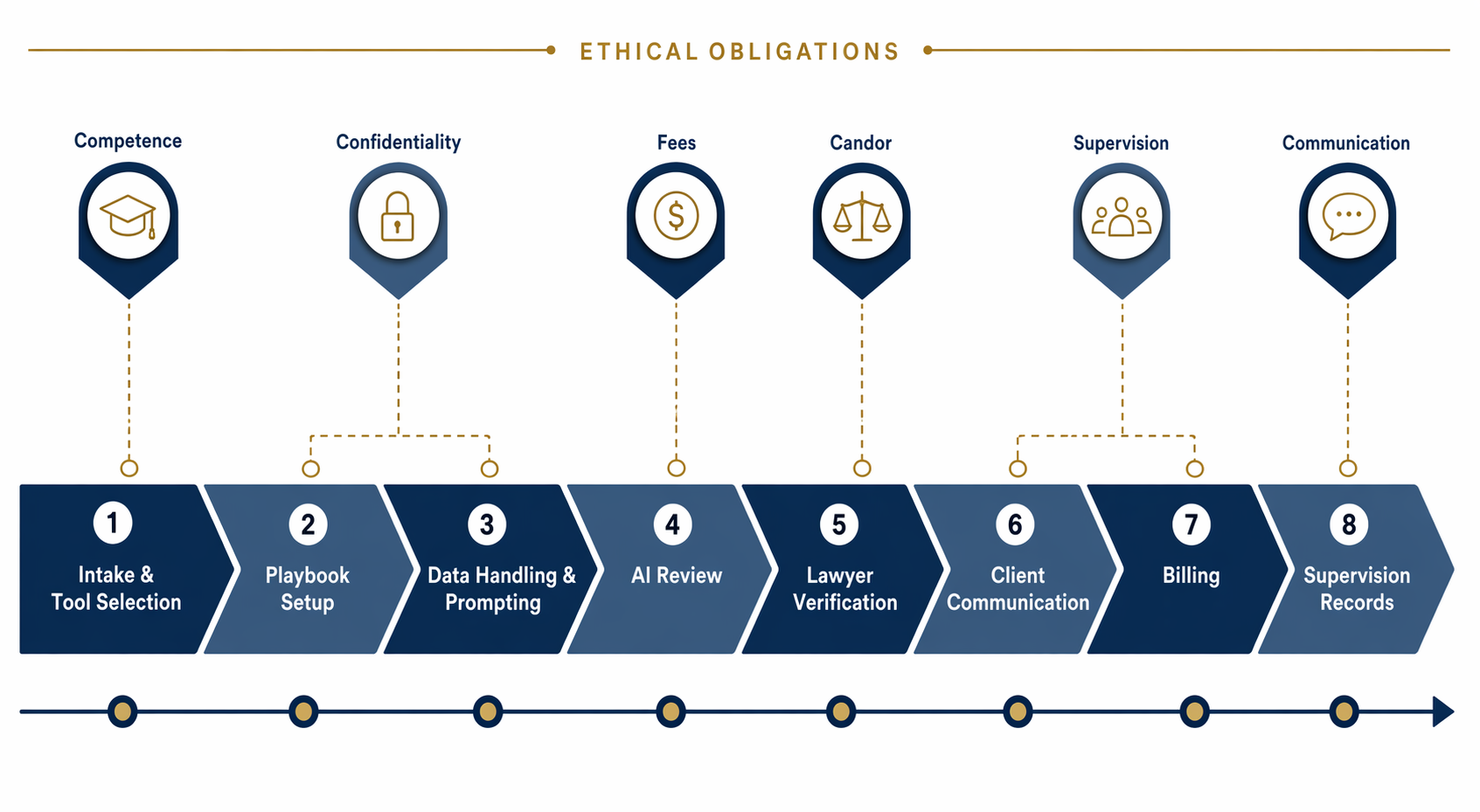
Meeting Professional Responsibility in AI Contract Analysis Workflows
A practical workflow guide mapping six Model Rule obligations—competence, confidentiality, fees, candor, supervision, and communication—to specific stages of AI contract analysis, based on ABA Formal Opinion 512 and over 35 state bar opinions issued as of early 2026.
 UpdatedRelated cases0
The AI Productivity Paradox in BigLaw: Why 79% Adoption Has Not Translated into Measurable ROI Improvement for Most Firms
This article examines the structural misalignment between AI-driven efficiency gains and the billable hour model, explaining why most law firms see stagnant profitability despite high adoption rates. It provides data-driven analysis for law firm partners, legal ops leaders, and managing partners evaluating AI strategy and pricing models.
 UpdatedRelated cases0
How Lawyers Can Integrate AI Into Their Workflows
A structured, evidence-based guide for attorneys and law firms to adopt AI across daily legal workflows, drawing on adoption surveys, documented use-case data, and independent accuracy benchmarks. Learn which workflows benefit most, how to start with tools you already have, and why verification is non-negotiable.
 UpdatedRelated cases0
Lawyer's Guide to ChatGPT and Ethics Compliance
A jurisdiction-aware compliance guide covering the four ABA Model Rules that apply most directly to ChatGPT use—competence, confidentiality, supervision, and fees—with a traffic-light policy template and step-by-step verification protocol for law firms.
 UpdatedRelated cases0
How Law Firms Are Using AI in 2026, Workflow by Workflow
This workflow guide maps the five highest-impact AI uses in law — document review, legal research, summarization, drafting, and contract analysis — with per-workflow adoption rates, tool categories, and the ethics protocols under ABA Model Rules that firms must implement before deployment.
 UpdatedRelated cases0
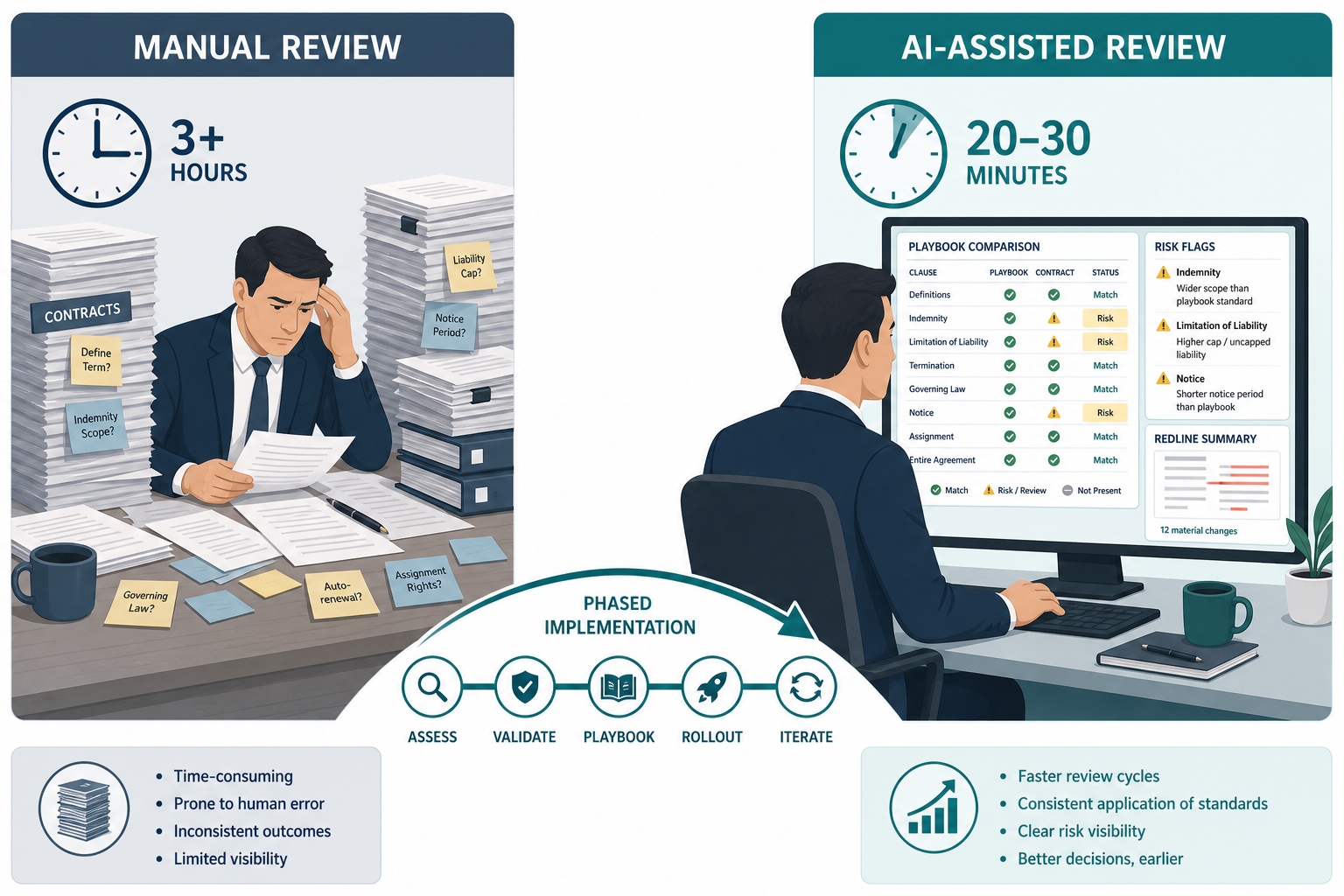
AI Contract Review Workflow Implementation: A Phased Roadmap for Legal Teams
A step-by-step phased roadmap for in-house counsel, legal ops leaders, and law firm partners to implement AI contract review tools — from needs assessment through iterative optimization — with professional responsibility guardrails at every stage.
 UpdatedRelated cases0
How Law Firms Can Build a Repeatable AI Adoption Playbook
Based on the latest industry data, this article outlines a structured framework for law firms to move from ungoverned individual AI use to institutional deployment with measurable ROI, covering workflow audits, embedded tool selection, pilot KPIs, and iterative scaling.